
Back pain is more than a minor ache; it’s a persistent issue that can sabotage productivity in the office, disrupt a holiday, or simply make daily life a struggle. With a confusing number of therapies available, finding the truly best massage for back pain can feel impossible. This guide simplifies the process, offering a practical roadmap for Australians seeking effective, convenient relief—whether you’re at home, in a hotel, on a yacht, or even at work. We move beyond generic advice to provide a detailed breakdown of specific massage techniques tailored to different types of back pain and real-life situations.
This isn’t just a list; it’s an actionable resource for your busy lifestyle. We’ll explore eight distinct methods, from the targeted pressure of remedial massage to the holistic approach of Shiatsu. We will detail what to expect during a session, which conditions each therapy best addresses, and how you can maximise the benefits afterwards.
The focus is on real-world application, whether you need to organise corporate wellness for your team in a Sydney high-rise, book a therapeutic session for your hotel room in Melbourne, or arrange a five-star treatment on a private yacht. You will learn not just what works, but how to integrate these powerful wellness practices into your life. We provide insights from leading Australian health sources and practical guidance for accessing premium mobile services like The Royal Masseur, who bring expert therapists directly to you, ensuring relief is always within reach. Let’s find the right solution for your back.
1. Swedish Massage
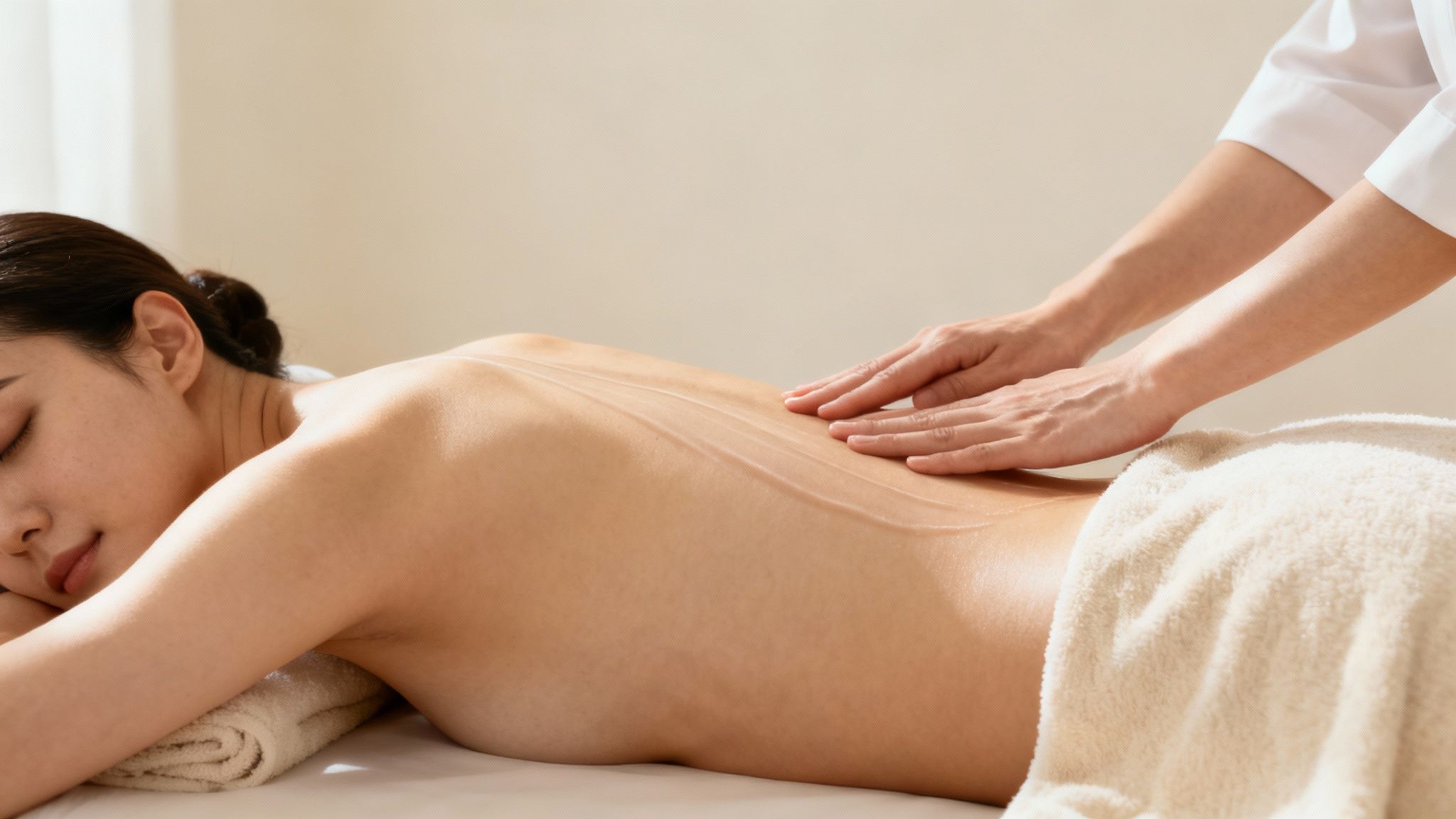
Often seen as the classic Western massage, the Swedish technique is an excellent starting point for anyone seeking relief from general back pain. It focuses on relaxing the entire body using a series of specific, therapeutic strokes. It is perhaps the most well-known style, making it a reliable and accessible choice whether you’re at home, in a hotel, or as part of a corporate wellness program in a busy Sydney office.
This technique is characterised by five primary strokes: long, gliding strokes (effleurage), kneading (petrissage), rhythmic tapping (tapotement), friction, and vibration. For back pain, these movements work together to warm up muscle tissue, release tension, and break down minor muscle knots. The long, flowing strokes are particularly effective at soothing the nervous system and reducing the stress that often contributes to a tight, sore back.
Why It’s One of the Best Massages for Back Pain
Swedish massage excels at addressing vague, non-specific back pain caused by muscular tension and poor circulation. By increasing oxygen in the blood and decreasing muscle toxins, it helps shorten recovery time from muscular strain. This circulatory boost is a key reason it’s considered an effective massage for back pain. To explore more ways to enhance your body’s circulation, you can learn more about improving circulation naturally.
It is the ideal choice for individuals new to massage or those sensitive to deep pressure. If your back pain stems from long hours at a desk, general stress, or mild overuse, the gentle yet firm approach of a Swedish massage can provide significant relief without the intensity of more targeted therapies.
Actionable Tips for Your Session
To get the most out of your Swedish massage, follow these practical steps:
- Be Specific: Before the session begins, point out the exact areas of your back that are causing discomfort. Use a pain scale from 1 to 10 to help your therapist understand the intensity.
- Book for Maintenance: For chronic but mild back tension, a single session offers temporary relief. Booking regular appointments—perhaps monthly—helps manage muscle tension proactively. This is easily arranged for corporate wellness days or as a regular home visit.
- Hydrate After: Drink plenty of water after your massage. Hydration helps your muscles and fascia stay pliable and assists in flushing out metabolic waste released during the session.
- Prepare Your Space: If booking a mobile service, have a quiet, warm space ready. A warm shower or a few gentle stretches before your therapist arrives can also help relax your muscles, allowing for a more effective massage.
2. Deep Tissue Massage
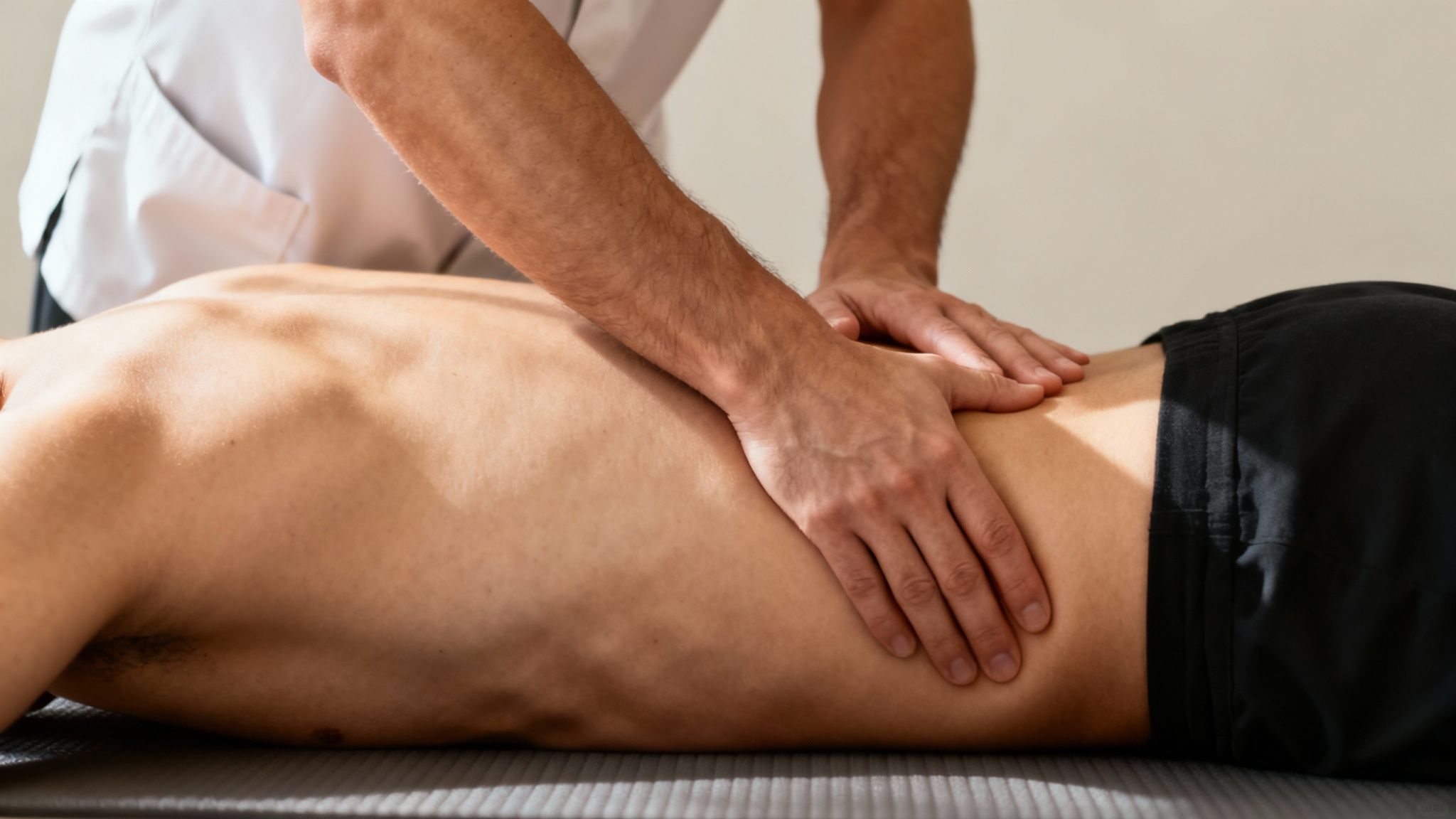
For those suffering from chronic back pain, deep tissue massage offers a more intensive and targeted approach. Unlike the broad, relaxing strokes of Swedish massage, this technique focuses on the deeper layers of muscle and connective tissue, known as fascia. Using slow, deliberate strokes and firm, concentrated pressure, therapists work to release chronic muscle tension and break down painful adhesions (knots) that often cause persistent back issues.
This method is particularly powerful for addressing specific problem areas in the back, such as a stiff lower back or sore, tight shoulders from long hours at a computer. It’s a go-to therapy for individuals dealing with recurring pain, making it a valuable service whether you’re recovering from a strain at home in Melbourne or seeking relief from occupational stress in a high-rise Brisbane office.
Why It’s One of the Best Massages for Back Pain
Deep tissue massage is highly effective because it addresses the root causes of many types of chronic back pain. By breaking up scar tissue and physically releasing muscle knots, it can improve range of motion, reduce inflammation, and alleviate pain. This makes it an excellent choice for conditions like chronic lower back pain, postural problems, and muscle injuries.
It’s the ideal massage for back pain when general relaxation isn’t enough. If your discomfort is localised, persistent, and feels deep within the muscle, the focused pressure of a deep tissue session can provide significant and lasting relief. It is frequently used by athletes and therapists treating desk workers with deep-seated tension.
Actionable Tips for Your Session
To ensure your deep tissue massage is both safe and effective, here’s how to prepare:
- Communicate Your Comfort Levels: Deep tissue should be firm, but it shouldn’t be excruciating. Use a “stoplight” system: let your therapist know if the pressure is “green” (good), “yellow” (intense but tolerable), or “red” (too painful).
- Allow for Recovery: Your muscles need time to heal after an intense session. Avoid strenuous activity for at least 24 hours afterwards.
- Warm Up and Cool Down: Applying a heat pack to your back for 10-15 minutes before your session can help warm up the muscles. If you experience soreness afterwards, an ice pack can help reduce inflammation.
- Focus on Posture: Maintain the benefits between sessions by being mindful of your posture at your desk or while driving. This helps prevent the muscles from tightening up again.
3. Trigger Point Therapy
Trigger point therapy is a highly targeted technique designed to locate and deactivate specific “trigger points”—hyperirritable knots within a tight band of muscle. These points can cause both direct pain at the site and referred pain in other parts of the body, a common source of confusing backaches. The therapy involves applying sustained, direct pressure to these knots to release tension and break the pain-spasm cycle.
Unlike a full-body relaxation massage, this method is focused, zeroing in on the root cause of the discomfort. For back pain, a therapist might identify a trigger point in the hip that is referring pain down your leg, or a knot in the trapezius causing tension across your upper back and neck. This precision makes it an incredibly effective massage for back pain when the issue stems from specific muscular dysfunction. It’s a treatment that can be conveniently performed in various settings, from a quiet room in your Gold Coast home to a dedicated wellness space in your office.
Why It’s One of the Best Massages for Back Pain
Trigger point therapy excels at resolving complex, nagging back pain that doesn’t respond to broader massage techniques. By directly addressing the source of referred pain, it can alleviate symptoms in areas that aren’t even being touched. This approach is invaluable for conditions like sciatica-like symptoms or chronic upper back pain from poor posture at a desk.
This therapy is ideal for individuals experiencing specific, localised pain or stiffness. If you can point to a distinct “spot” that hurts, or if your pain radiates from one area to another, trigger point therapy offers a diagnostic and therapeutic solution that can provide profound and lasting relief.
Actionable Tips for Your Session
To get the most from your trigger point therapy session, follow these practical steps:
- Communicate Pain Levels: This therapy can be intense. Use a pain scale from 1 to 10 and let your therapist know when the pressure reaches a “good pain” level (around a 7) versus an intolerable one.
- Breathe Through the Pressure: When the therapist applies pressure, focus on deep, slow breathing. This helps relax the muscle and makes the release more effective and less painful.
- Manage Post-Session Soreness: Expect some mild soreness for 24-48 hours, similar to post-workout fatigue. Apply a cold pack for 10-15 minutes to reduce inflammation if needed.
- Incorporate Self-Care: Use a tennis or lacrosse ball to apply gentle pressure to accessible trigger points between sessions. A few minutes daily can prolong the benefits of your professional treatment.
4. Shiatsu Massage
Originating from Japan, Shiatsu is a therapeutic bodywork technique that translates to “finger pressure.” It is deeply rooted in Traditional Chinese Medicine and works to restore the body’s energy flow, or qi. Unlike oil-based Western massages, a Shiatsu session is typically performed with the recipient fully clothed, using rhythmic and sustained pressure from fingers, thumbs, and palms. This method is exceptionally effective for back pain as it targets specific acupressure points along the body’s energy channels.
The therapist applies pressure in a continuous, flowing sequence to release blockages and rebalance energy. For someone suffering from a stiff lower back or tension in the shoulders, this approach works to calm the nervous system, promote deep relaxation, and encourage the body’s natural healing capabilities. It’s a holistic treatment that addresses not just the site of the pain but the underlying imbalances contributing to it, making it an excellent choice for a restorative session at home or as part of a comprehensive corporate wellness day.
Why It’s One of the Best Massages for Back Pain
Shiatsu stands out because it addresses both the physical muscles and the body’s energetic system. It is particularly beneficial for chronic pain linked to stress, fatigue, or postural imbalances. By stimulating acupressure points along the spine, a Shiatsu therapist can help alleviate deep-seated tension and improve flexibility.
This technique is ideal for those who prefer an oil-free massage or feel more comfortable remaining clothed. If your back pain feels persistent and is accompanied by a sense of low energy, the focused, grounding pressure of Shiatsu can provide profound relief, restoring both physical comfort and overall vitality.
Actionable Tips for Your Session
To get the most from your Shiatsu massage, consider these practical recommendations:
- Wear Loose, Comfortable Clothing: Choose breathable, non-restrictive garments like yoga wear or sweatpants to allow for easy movement and application of pressure.
- Communicate Pressure and Points: While Shiatsu can be intense, it should never be painful. Let your therapist know if the pressure is too much and point out the specific areas along your back where you feel the most discomfort.
- Embrace a Full-Body Approach: Shiatsu treats the body as an interconnected system. The therapist will likely work on your legs, arms, and neck to address the root cause of the imbalance, even if your pain is localised in your back.
- Rest and Rehydrate Afterwards: Allow yourself some quiet time after the session. Drinking water helps to flush toxins and support the body’s energetic rebalancing process.
5. Myofascial Release
Going beyond the muscles, myofascial release targets the fascia: the tough, web-like connective tissue that surrounds every muscle, bone, and organ. When this tissue becomes tight due to injury, inflammation, or poor posture, it can exert immense pressure, causing significant back pain and stiffness. This technique uses sustained, gentle pressure and slow, stretching movements to release these fascial restrictions and restore mobility.
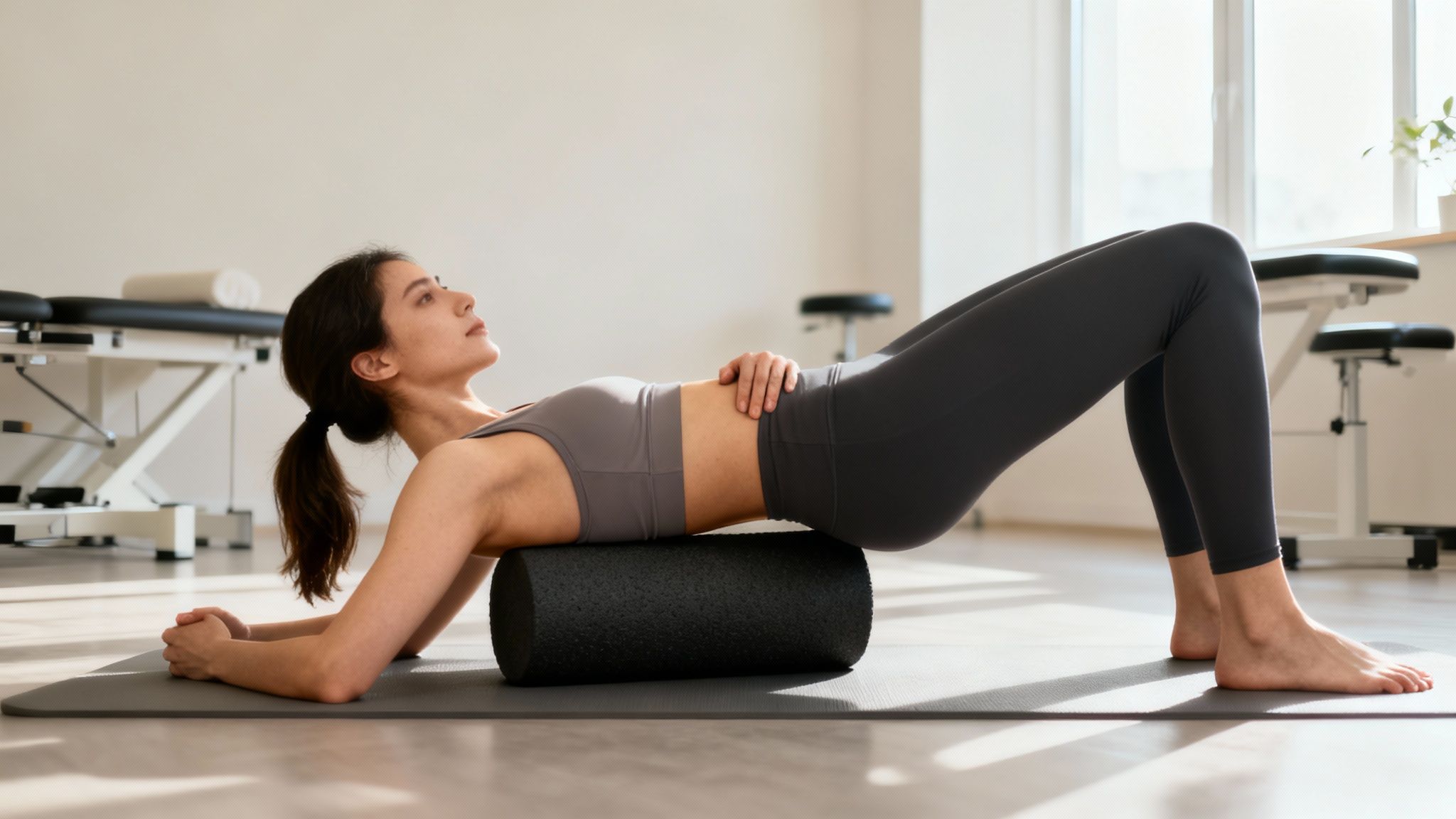
This approach is less about broad strokes and more about specific, sustained holds on areas of fascial tension. A therapist will use their hands, knuckles, or elbows to slowly sink into the tissue until they feel a release, helping to rehydrate the fascia and improve its elasticity. This makes it a powerful option for chronic pain that hasn’t responded to traditional muscle-focused massage, offering relief right in your home or hotel room.
Why It’s One of the Best Massages for Back Pain
Myofascial release is exceptionally effective for back pain stemming from postural imbalances, such as those from prolonged sitting. By addressing the root cause within the connective tissue, it provides longer-lasting relief than simply relaxing the muscles. Poor posture is a common culprit of fascial restrictions, and you can discover more about posture’s musculoskeletal effects to better understand this connection.
This technique is ideal for individuals with chronic, nagging back pain, limited range of motion, or pain that feels deep and widespread. It’s also beneficial for post-surgical rehabilitation, helping to break down scar tissue and restore normal movement patterns.
Actionable Tips for Your Session
To get the most from a myofascial release session or your own at-home practice, consider these tips:
- Go Slow at Home: If using a foam roller, move very slowly. When you find a tender spot, pause on it for 30-60 seconds, breathing deeply until you feel the tension ease.
- Don’t Push Through Sharp Pain: Myofascial release can be intense, but it should never be sharply painful. Communicate with your therapist if the pressure is too much, or ease off if you are self-treating.
- Stay Hydrated: Fascia is primarily made of water. Drinking plenty of water after your session is crucial to help the tissue rehydrate and remain pliable.
- Combine with Movement: For lasting results, follow your myofascial release work with gentle stretching. This helps the newly released fascia and muscles lengthen into their new, improved range of motion.
6. Remedial/Sports Massage
Remedial and sports massage offer a highly targeted, assessment-based approach to treating specific musculoskeletal issues. This is less a pampering session and more a clinical treatment designed to remedy the root cause of your back pain. A therapist will assess your posture and range of motion to devise a treatment plan that addresses injuries, imbalances, and chronic dysfunction.
This modality is a powerful fusion of various techniques, including deep tissue work and trigger point therapy, tailored precisely to your needs. For back pain, this might involve focused work on a strained lower back muscle from a sports injury or correcting postural imbalances from hours spent hunched over a desk in a Sydney high-rise. The goal is not just to alleviate pain but to restore optimal function and prevent recurrence.
Why It’s One of the Best Massages for Back Pain
Remedial and sports massage are exceptionally effective for back pain that stems from a specific injury, postural strain, or repetitive overuse. Unlike more generalised massages, the treatment is strategic, focusing on the muscles, tendons, and ligaments directly contributing to your discomfort. It’s the ideal choice for athletes managing strains, office workers suffering from “tech neck” radiating down their back, or anyone recovering from a specific incident.
By systematically breaking down scar tissue, improving muscle flexibility, and correcting imbalances, this approach provides lasting relief and enhances your body’s resilience. It is a problem-solving massage that equips you with the tools for long-term recovery.
Actionable Tips for Your Session
To get the most from your remedial or sports massage, a proactive approach is key:
- Be Specific About Your Goals: Clearly explain the nature of your back pain. Was it a sudden injury? Is it a dull ache that worsens throughout the day? The more detail you provide, the more customised your treatment will be.
- Request a Postural Assessment: Ask your therapist to assess your posture and movement patterns at the start of the session. This provides a baseline and helps them identify underlying imbalances.
- Commit to the Plan: Remedial therapy often requires a series of sessions. Adhere to the recommended treatment schedule to achieve cumulative and lasting results.
- Follow Through with Homework: Your therapist will likely provide you with a home care plan, including specific stretches or strengthening exercises. Diligently performing these exercises is crucial for reinforcing the benefits of the massage.
7. Thai Massage
Often called “lazy person’s yoga,” Thai massage is an ancient and dynamic healing practice that offers a unique approach to alleviating back pain. This technique combines acupressure, Ayurvedic principles, and assisted yoga postures. Unlike oil-based massages performed on a table, a Thai massage is conducted on a floor mat with the client fully clothed in loose, comfortable attire.
The therapist uses their hands, thumbs, elbows, and even feet to apply firm, rhythmic pressure along the body’s energy lines. This is combined with a series of deep, passive stretches that pull, rock, and compress the body. For those with back pain, this method works to decompress the spine, increase flexibility, and release deep-seated tension, making it one of the best massages for back pain related to stiffness and poor mobility.
Why It’s One of the Best Massages for Back Pain
Thai massage is exceptionally effective for back pain caused by muscular tightness, poor posture, and a lack of flexibility. The comprehensive stretching mobilises the joints and elongates the spine, which can relieve nerve compression and correct postural imbalances from sitting at a desk all day. Studies cited by sources like Nine.com.au have highlighted its benefits for improving flexibility and reducing pain.
This modality is ideal for active individuals or those who feel their back pain is linked to overall body stiffness. It offers a more engaging and energising experience, leaving you feeling both relaxed and invigorated. This makes it a great choice for a corporate wellness program in a dynamic Brisbane office or for improving range of motion.
Utilising the expertise of a massage therapist and or specialised trainer can get you passed injuries whcih would have been previously thought to be life-limiting, The Royal Masseur specialises in re-educating clients in the latest, best practise training techniques to both assist in strengthenning and healing your body.
Actionable Tips for Your Session
To ensure a safe and beneficial Thai massage experience, consider these tips:
- Wear Appropriate Clothing: Opt for loose, comfortable clothing that allows for a full range of movement, such as yoga wear or light cotton trousers and a t-shirt.
- Communicate Your Limits: Be vocal with your therapist about any injuries, areas of pain, or limitations in your flexibility. They can modify the stretches to suit your body.
- Breathe Through the Stretches: Focus on deep, steady breathing, especially during the more intense stretching movements. This helps your muscles relax and prevents you from tensing up.
- Stay Hydrated: As with any massage, drinking water before and after your session is crucial for helping your body flush out toxins and rehydrate muscle tissue.
8. Chiropractic Manipulation/Adjustment
While not a traditional massage, chiropractic adjustment is a powerful, related therapy often integrated with massage for comprehensive back pain management. This profession focuses on the musculoskeletal system, particularly the spine. A chiropractor uses controlled, sudden force to manipulate spinal joints, aiming to improve alignment, restore mobility, and reduce nerve irritation.
This practice is built on the principle that proper spinal alignment is crucial for the body’s overall function. Chiropractors often combine these adjustments with soft tissue therapies like therapeutic massage and stretching. This combined approach is particularly effective because massage can relax the muscles surrounding the spine, making the joints more receptive to adjustment and enhancing the overall result.
Why It’s One of the Best Approaches for Back Pain
Chiropractic manipulation excels at addressing back pain that stems from structural and biomechanical issues, such as misaligned vertebrae or joint dysfunction. By directly targeting the source of nerve compression, an adjustment can provide rapid relief from sharp, localised pain and improve range of motion.
This method is ideal for individuals experiencing acute back strains from an injury, chronic pain related to poor posture, or sciatica-like symptoms. When combined with therapeutic massage, it creates a powerful synergy. The massage warms and relaxes tight muscles, while the adjustment realigns the skeletal structure, making it a cornerstone of many integrated wellness programs.
Actionable Tips for Your Session
To ensure a safe and effective chiropractic experience, consider these practical steps:
- Verify Credentials: Only seek treatment from a licensed chiropractor registered with the Australian Health Practitioner Regulation Agency (AHPRA).
- Provide a Full History: Be transparent about your medical history, including any previous injuries, surgeries, or underlying conditions.
- Request Integrated Care: Ask your practitioner if they combine adjustments with massage therapy. This integrated approach often yields the best results.
- Follow Your Exercise Plan: Your chiropractor will likely prescribe specific exercises to support your treatment. Consistently performing these movements is key to long-term stability; you can discover some effective strengthening exercises to complement your care.
Top 8 Massages for Back Pain — Comparison
| Modality | Implementation Complexity 🔄 | Resource Requirements ⚡ | Expected Outcomes ⭐📊 | Ideal Use Cases 💡 | Key Advantages |
|---|---|---|---|---|---|
| Swedish Massage | Low 🔄 — foundational strokes, easy to deliver | Low ⚡ — massage table, oil/lotion, basic training | ⭐⭐⭐ 📊 — relaxation, improved circulation, mild–moderate pain relief | Mild–moderate back pain, relaxation, post-workout recovery | Widely available; non‑invasive; gentle |
| Deep Tissue Massage | High 🔄 — advanced pressure techniques, careful control | Moderate ⚡ — skilled therapist, longer sessions | ⭐⭐⭐⭐ 📊 — reduces deep knots, improves mobility, longer relief | Chronic back pain, deep muscle adhesions, athletes | Targets root causes; breaks scar tissue/adhesions |
| Trigger Point Therapy | Moderate–High 🔄 — precise point identification & sustained pressure | Low–Moderate ⚡ — trained therapist; simple home tools for follow‑up | ⭐⭐⭐ 📊 — targeted pain reduction; often immediate relief | Referred pain (sciatica), localized knots, post‑injury referral patterns | Highly targeted; pairs well with self‑care |
| Shiatsu Massage | Moderate 🔄 — meridian-based pressure, rhythmic techniques | Low ⚡ — mat, practitioner; client clothed (no oils) | ⭐⭐📊 — tension reduction, energy balance; variable evidence | Stress‑related back pain, holistic care, clients preferring clothed sessions | Holistic, non‑invasive; integrates stretching and joint work |
| Myofascial Release | Moderate 🔄 — sustained, slow fascial work | Low–Moderate ⚡ — therapist or foam roller for self‑care | ⭐⭐⭐ 📊 — improved mobility, reduced fascial restrictions, postural gains | Postural dysfunction, restricted mobility, chronic tension | Addresses fascia (root causes); strong self‑management options |
| Remedial / Sports Massage | High 🔄 — assessment + multi‑technique treatment plans | High ⚡ — skilled clinician, assessment tools, exercise programs | ⭐⭐⭐⭐ 📊 — functional restoration, injury rehab, prevention | Athletes, post‑injury rehabilitation, movement dysfunction | Comprehensive assessment + education; integrates rehab exercises |
| Thai Massage | Moderate–High 🔄 — assisted stretching, rhythmic pressure, movement patterns | Low ⚡ — padded mat, experienced practitioner; client clothed | ⭐⭐⭐ 📊 — increased flexibility, range of motion, relaxation | Stiffness, mobility issues, those seeking movement‑based therapy | Combines stretching and acupressure; meditative and dynamic |
| Chiropractic Manipulation / Adjustment | High 🔄 — manual spinal techniques with diagnostic assessment | High ⚡ — licensed D.C., imaging, clinical setting | ⭐⭐⭐⭐ 📊 — rapid relief for certain acute/nerve compression issues | Acute back pain, radiculopathy, alignment problems | Quick symptom relief; often combined with massage and rehab |
Your Next Step: Integrating Targeted Massage into Your Wellness Routine
Navigating the world of therapeutic massage to find the perfect solution for your back pain can be complex, but the power lies in targeted, informed choices. We’ve explored a spectrum of methods, from the relaxing strokes of Swedish massage for general tension to the precise work of Trigger Point Therapy for stubborn knots. The key takeaway is that there is no single “best massage for back pain”; instead, there is a best massage for your back pain, and identifying it is the first step towards lasting relief.
Your back pain is unique. It might be the dull ache from long hours at a desk in your Sydney office, the sharp twinge from an athletic pursuit on the Gold Coast, or the specific postural strain of pregnancy. By understanding the distinct mechanisms of each massage type, you are now equipped to match the therapy to your symptoms and lifestyle.
Making an Informed Decision: From Theory to Practice
The true value of this knowledge comes from its application. The most effective approach is proactive and personalised. Rather than waiting for discomfort to become debilitating, integrating regular, targeted massage into your routine can serve as a powerful preventative measure.
Consider these actionable steps to move forward:
- Self-Assessment: Revisit the descriptions. Does your pain feel like a deep, muscular issue (suggesting Deep Tissue or Remedial), a series of specific, tender points (Trigger Point Therapy), or a broader sense of stiffness (Myofascial Release or Thai Massage)? Pinpointing the nature of your discomfort will guide your selection.
- Consult a Professional: A qualified therapist is your most valuable resource. They can perform an assessment, discuss your work habits, and recommend a treatment plan. This is crucial for chronic or severe pain.
- Embrace Convenience: One of the biggest barriers to consistent treatment is time. Mobile massage services bring the clinic to you, whether it’s your corporate office in Melbourne for a wellness day, your home for post-work relaxation, or even your hotel room or yacht for a seamless experience.
Key Insight: Effective back pain management isn’t about a one-off fix. It’s about creating a sustainable wellness strategy where targeted massage is an accessible part of your health regimen, not an afterthought.
Beyond Relief: The Broader Impact of Targeted Massage
Choosing the best massage for your back extends beyond alleviating physical symptoms. By addressing the root cause of your discomfort, you unlock a cascade of benefits. Reduced pain leads to improved sleep, which boosts energy and cognitive function. For busy professionals, this means enhanced focus and productivity. For athletes, it means faster recovery and improved performance. For new mothers, it means greater comfort and capacity to care for your newborn.
Ultimately, investing in the right massage therapy is an investment in your overall quality of life. It’s a commitment to moving freely, thinking clearly, and living without the constant presence of pain. The journey from discomfort to relief begins with a single, informed step. You now have the map; it’s time to choose your path.
Ready to experience personalised, expert relief delivered directly to you? The Royal Masseur specialises in providing premium mobile massage services across Sydney, Melbourne, Brisbane, and the Gold Coast, making it simple to find the best massage for your back pain. Book your in-home, in-office, or in-hotel session today and let our certified therapists design a treatment plan for your unique needs at The Royal Masseur.