Posted on Leave a comment

Finding the Best Massage for Lower Back Pain

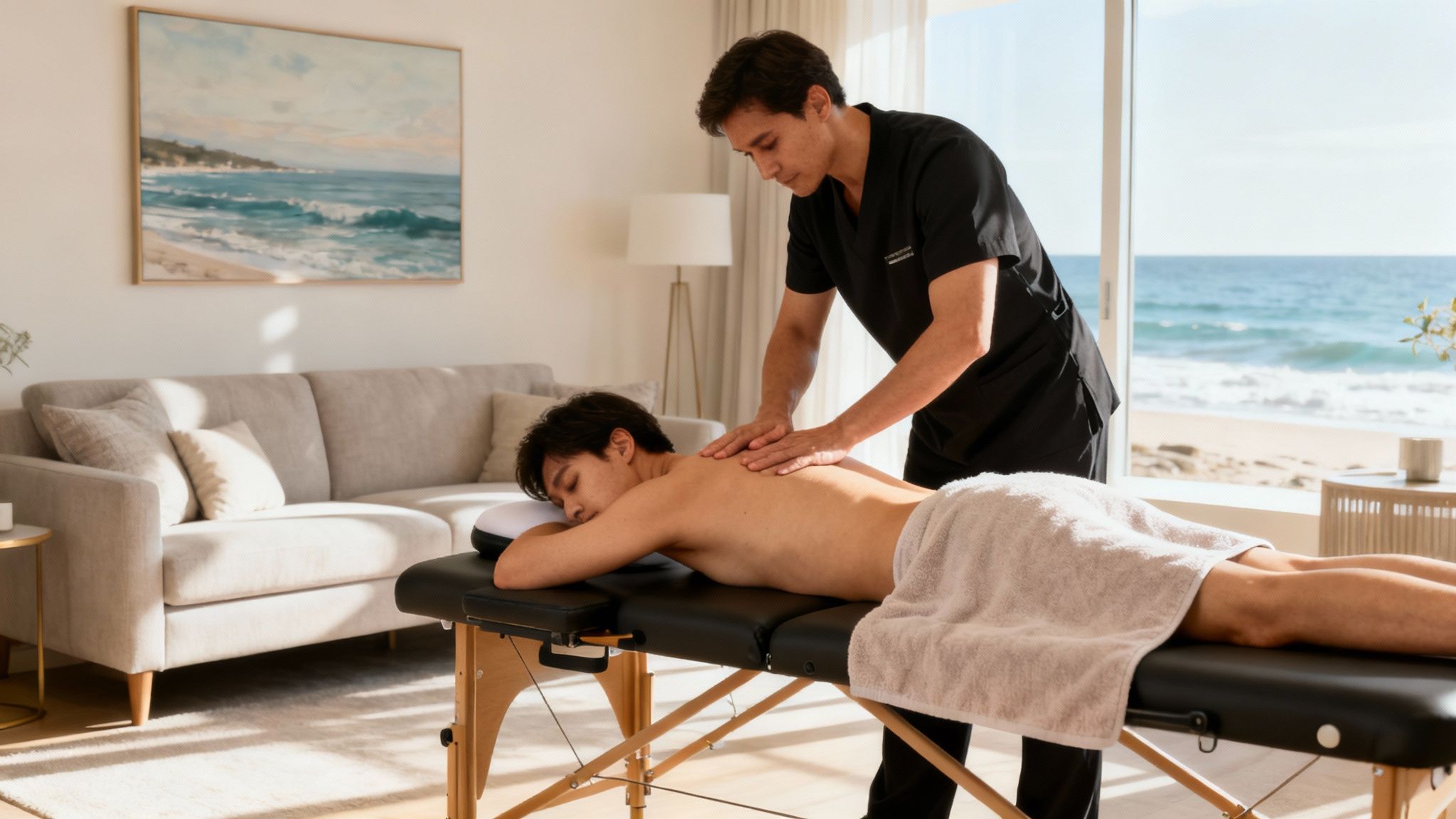
Finding the best massage for lower back pain really comes down to what your body is telling you. While both Remedial and Deep Tissue massages are brilliant for tackling that stubborn, chronic tension, the right choice depends on your situation. Is your pain from sitting all day, a sudden injury, or just general stress? This guide offers actionable insights to help you find effective relief, whether you're at home, in the office, staying in a hotel, or even on a yacht.

Choosing the Right Massage for Your Lower Back Pain

Lower back pain is a frustratingly common problem that can completely throw off your productivity and daily life. For busy professionals, getting effective relief that actually fits into a packed schedule is the goal. The good news is that targeted massage therapy is a powerful, non-invasive solution that does more than just offer a temporary fix—it supports your long-term muscle and joint health.

First, you need to get to the root of your discomfort. Is it a dull, persistent ache from long hours hunched over a desk? Or is it a sharp, specific pain from that weekend sports injury? Each scenario calls for a different therapeutic approach.

Why Your Location Matters for Wellness

The setting of your massage plays a surprisingly big role in its effectiveness. The aim is to minimise stress and maximise relaxation, which is why modern wellness is about bringing therapy directly to you. This is a game-changer for a few key situations:

  • In the Office: Corporate massage directly addresses the postural strain and mental fatigue that build up during the workday, making it an incredibly efficient wellness tool.
  • At Home: An at-home session cuts out travel, allowing you to relax completely in your own comfortable space without facing traffic afterwards.
  • In a Hotel Room: For travellers, an in-room massage is the perfect way to recover from a long flight or prepare for a big meeting, right where you are.
  • On a Yacht: Even in luxurious or remote settings, mobile massage ensures you can access premium therapeutic care without any interruption to your downtime.

This convenient, modern approach makes consistent wellness not just possible, but achievable. Here in Australia, where lower back pain affects approximately 4 million people, having accessible care is vital. In fact, estimates suggest a staggering 70% to 90% of Australians will experience it at some point, making it a leading cause of disability and lost work productivity.

The most effective wellness strategy is one that integrates seamlessly into your life. By bringing expert massage therapy to your preferred location, you remove barriers to consistent care and create an environment for genuine recovery.

Choosing the right type of massage is just as important as where you have it. A Remedial Massage therapist, for example, will assess and treat the underlying cause of your pain. On the other hand, a Deep Tissue massage focuses purely on releasing severe tension trapped in those deeper layers of muscle. To get a better handle on this powerful technique, check out our detailed guide on what is deep tissue massage. This foundational knowledge will help you make an informed decision for lasting relief.

Comparing Top Massage Techniques for Back Pain

When you’re dealing with a sore lower back, picking the right type of massage can feel like a huge decision. Get it wrong, and you might get some fleeting relief. Get it right, and you could be on the path to feeling genuinely better for the long haul. Understanding what makes each style different is the first step to getting the targeted care your back is crying out for.

Every massage technique has a specific job. Some are designed to help you switch off and relax, while others get right in there to break down deep, stubborn knots or treat the root cause of an injury. By looking at their pressure, goals, and who they’re best for, you can make a smart choice that actually matches your pain.

Before we dive in, it helps to know what’s causing the ache in the first place.
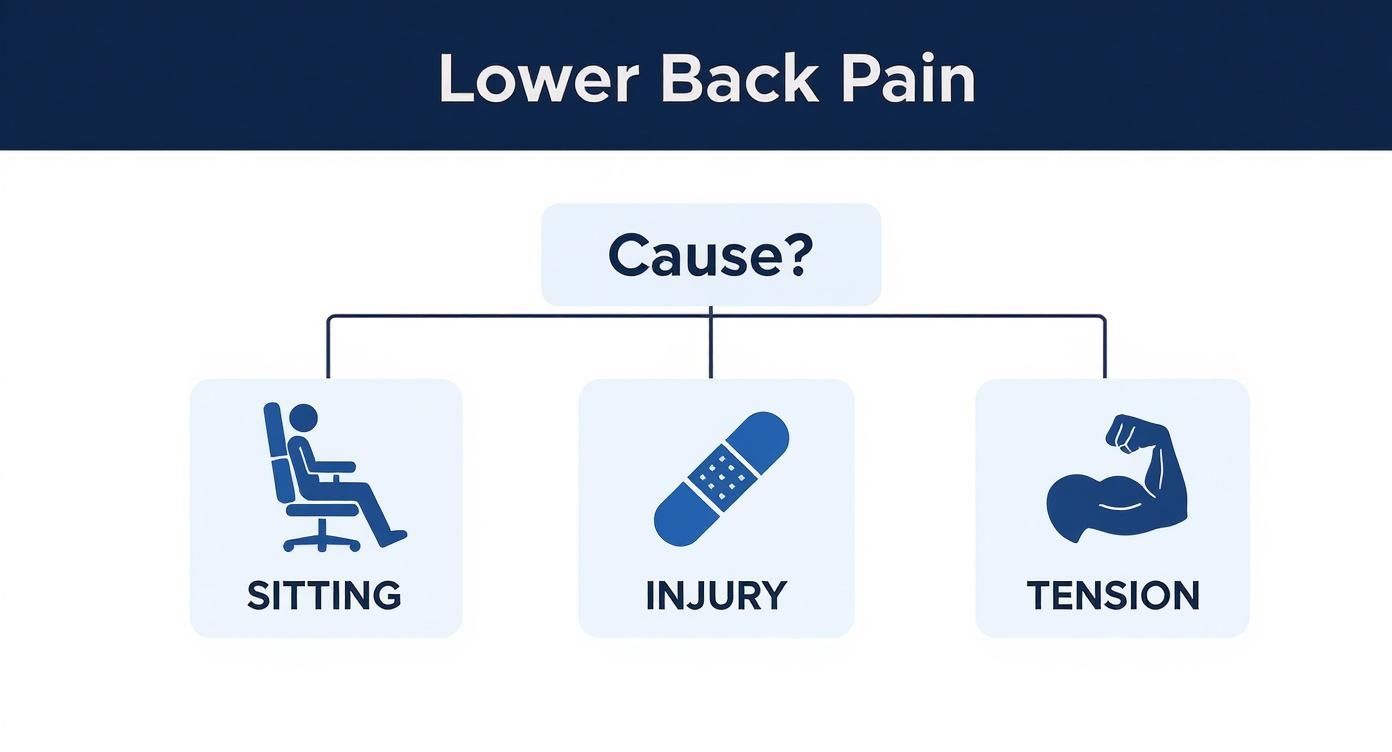
A diagram illustrating common causes of lower back pain, including sitting, injury, and tension.

As you can see, things like being stuck at a desk all day, a sudden injury, or just built-up muscle tension are the usual suspects. Each one needs a slightly different approach to fix.

Swedish Massage: A Gentle Introduction

Swedish massage is what most people picture when they think of a classic massage. It’s all about long, flowing strokes, kneading, and gentle circular movements that help you relax and get your circulation moving. It’s the perfect entry point if you’re new to massage or if your main goal is to de-stress rather than tackle intense muscle pain.

If your back pain feels like a direct result of a hectic week at work or just feeling generally worn out, a Swedish massage can work wonders. By calming your nervous system, it encourages your muscles to let go of the tension they’ve been subconsciously holding onto.

Deep Tissue Massage: Targeting Chronic Tension

Deep Tissue massage takes things up a notch. Using firm pressure and slow, deliberate strokes, your therapist targets the deeper layers of muscle and the connective tissue around them. This technique is specifically designed for chronic aches and pains, a stiff neck, upper back tightness, and sore shoulders that just won't quit.

A common myth is that deep tissue massage has to hurt to be effective. A skilled therapist works with your pain threshold to release tension, not create more. Good communication during your session is everything.

This is the go-to for anyone who spends hours hunched over a desk, which often leads to deep-seated knots in the lower back and shoulders. It works to undo those patterns of tension that have built up over time.

Remedial Massage: A Clinical Approach

Remedial massage is less about general relaxation and more about a targeted, therapeutic fix. It’s a systematic approach where a therapist assesses and treats muscles, tendons, ligaments, and connective tissues that are damaged, knotted, or immobile. They use a whole range of techniques to find and help repair the damage, supporting your body's natural healing process.

For those battling persistent lower back pain, understanding the benefits of remedial massage therapy is a game-changer. This style often provides a real path to long-term recovery, not just a temporary break from the pain. It’s no surprise it’s a popular choice for Aussies seeking effective treatment; in fact, lower back pain is the most common reason people seek massage therapy in Australia.

Sports Massage: For Active Lifestyles

Don't let the name fool you; sports massage isn't just for pro athletes. It's incredibly beneficial for anyone who is regularly active. This technique zeroes in on the specific muscle groups used in your sport or activity. It can be used to prep your body for peak performance, cut down on fatigue, and relieve muscle swelling and tension after you’ve pushed yourself.

So, if your lower back is screaming after a weekend game of footy or a longer-than-usual run, a sports massage can target those strained muscles directly. It will help improve your flexibility and seriously speed up your recovery time, getting you back to the activities you love, sooner.

At-a-Glance Massage Comparison for Lower Back Pain

Feeling a bit overwhelmed by the options? Use this quick reference guide to compare the key characteristics of these four popular massage types and find the right one for your back pain.

Massage TypeBest ForPressure LevelPrimary Goal
Swedish MassageGeneral relaxation, stress reduction, and easing mild muscle tension.Light to MediumTo relax the entire body and improve blood flow.
Deep Tissue MassageChronic muscle pain, postural problems, and significant tension knots.Firm to DeepTo break down adhesions (knots) and restore normal movement.
Remedial MassageSpecific injuries, chronic pain conditions, and postural correction.Varies (Light to Deep)To treat a specific problem or injury and restore function.
Sports MassageAthletes, active individuals, injury prevention, and post-event recovery.Varies (Can be Deep)To enhance performance and treat sports-related injuries.

Ultimately, the best massage is the one that aligns with your specific symptoms and lifestyle. Whether you need the gentle touch of a Swedish massage or the targeted approach of Remedial, choosing correctly is the most important step towards relief.

Matching Your Massage to Your Lifestyle

The best massage for lower back pain isn't just about the technique; it’s about how that therapy fits into your actual life. The demands of your daily routine, how active you are, and even your current life stage all play a massive role in what your body is crying out for. A one-size-fits-all approach rarely delivers lasting relief.

Instead, the real key is matching the treatment to your specific circumstances. By understanding how different scenarios create their own distinct types of back pain, you can choose a massage that provides targeted, effective, and genuinely helpful care.
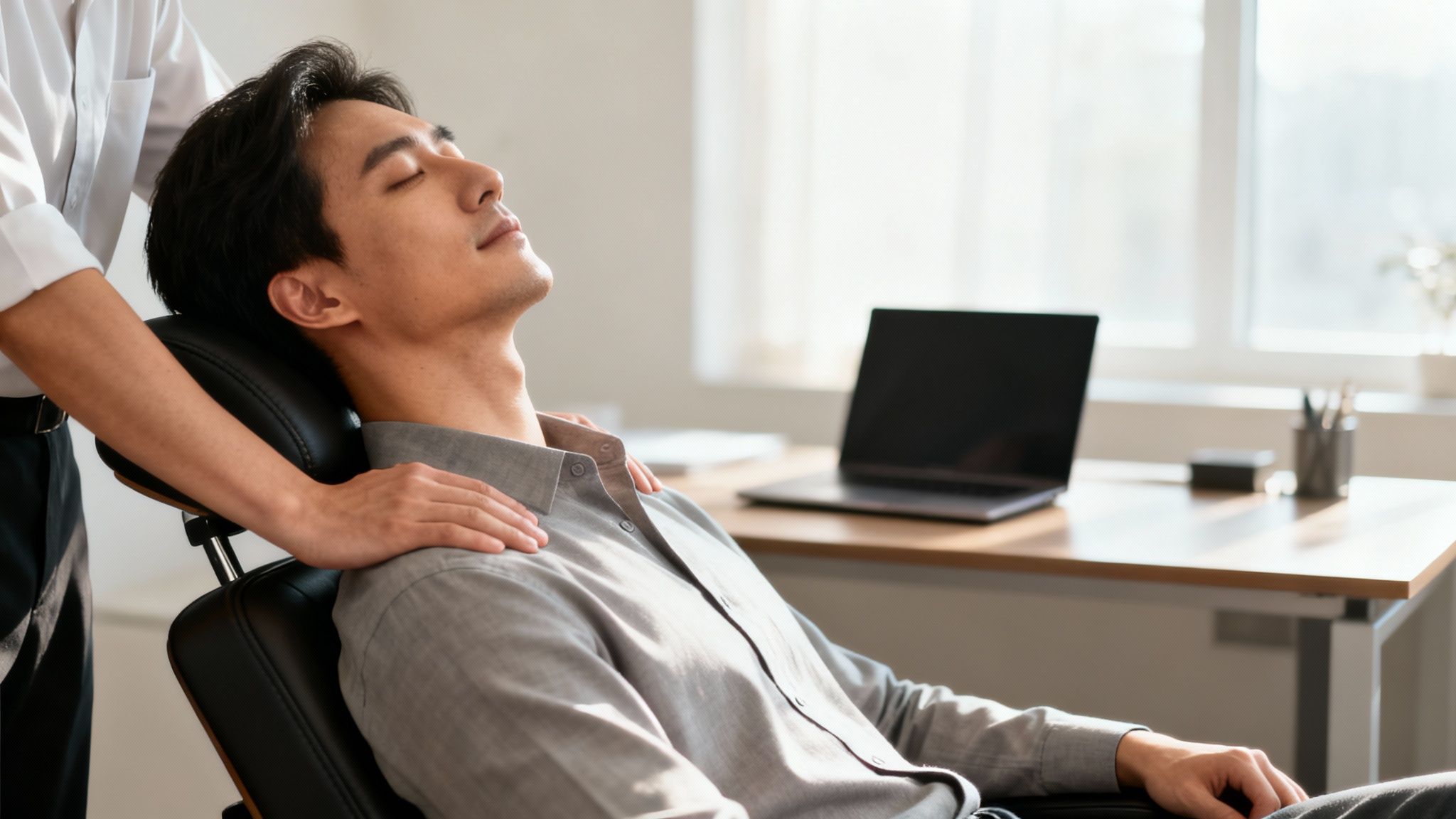
A man relaxes in an office chair, receiving a soothing shoulder massage from another person.

For the Corporate Professional: The Desk-Bound Back

Long hours slumped in an office chair, often with less-than-perfect posture, place an incredible strain on the lower back. This sustained compression leads to tight hip flexors, weakened glutes, and that persistent, nagging ache in the lumbar region. It's a common complaint we hear in offices from Sydney to Melbourne.

For this kind of postural strain, Remedial Massage is the clear winner. Unlike a general relaxation massage, a remedial therapist conducts a proper assessment to pinpoint exactly which muscles are overworked and which have switched off. They use specific techniques to release that chronic tension in the lower back and related areas like the glutes and piriformis, which are often the real culprits.

During a corporate wellness session, a remedial therapist can identify and address the root causes of 'desk back' right there on-site. They offer immediate relief and practical advice on ergonomic adjustments to stop it from coming back. This makes it an incredibly efficient solution for busy professionals.

A typical session might involve deep tissue work, trigger point therapy, and targeted stretching to restore muscular balance and improve mobility. The goal here is to correct the underlying problem, not just put a temporary band-aid on the symptoms.

For the Expectant Mother: Navigating Pregnancy Pains

Pregnancy brings rapid physical changes, including a shifting centre of gravity and hormonal shifts that relax your ligaments. This combination often results in lower back pain and sciatica—that sharp, shooting pain that can travel right down the leg. Finding a safe and effective solution is paramount for comfort during this incredible time.

Pregnancy Massage is specifically designed to address these unique challenges. Performed by a specially trained therapist, these sessions use supportive pillows and side-lying positions to ensure the complete safety and comfort of both mother and baby. The techniques are gentle yet incredibly effective, focusing on easing tension in the lower back, hips, and pelvis.

The main aim is to alleviate pressure on the sciatic nerve and reduce the muscular strain caused by a growing baby bump. Therapists use modified Swedish massage strokes to improve circulation, reduce swelling in the legs and feet, and promote overall relaxation—which is hugely beneficial for managing stress.

For the Active Individual: Recovering from Exertion

Whether you’re a weekend warrior hitting the footy field or a dedicated gym-goer, an active lifestyle can lead to muscle fatigue and strain. Overexertion, improper form, or just repetitive movements can easily result in a sore, tired lower back that gets in the way of your performance and recovery.

Sports Massage is the ideal choice for this scenario. It’s a dynamic, functional therapy focused on manipulating soft tissue to prevent injury, prepare the body for athletic activity, and seriously speed up recovery. A therapist will likely use a combination of deep tissue techniques, active stretching, and targeted pressure to address specific muscle groups.

For lower back soreness, a sports massage helps to:

  • Reduce muscle soreness by flushing out lactic acid and other metabolic waste.
  • Improve flexibility and range of motion in the hips and lumbar spine.
  • Break down adhesions (those pesky knots) that can restrict movement and cause pain.

This approach is less about whole-body relaxation and more about getting functional results. It helps you recover faster and maintain your active lifestyle, whether you're training for a marathon or just enjoying a regular fitness routine on the Gold Coast.

Let's talk about unlocking wellness, even when your schedule is jam-packed.

For busy professionals, the biggest roadblock to feeling better isn't a lack of desire—it's a lack of time. This is where modern wellness solutions have completely changed the game, bringing expert care right to your doorstep and cutting out the travel time, traffic, and stress. It’s a simple shift that turns massage from a once-in-a-blue-moon treat into a regular, vital part of your health routine.

Suddenly, the "best" massage for your lower back pain becomes the one that you can actually fit into your life.

This is about more than just convenience; it's about making the therapy itself more effective. When you don't have to battle traffic or rush to an appointment, your body and mind are already starting from a calmer place. Receiving a treatment in the comfort and privacy of your own home, hotel room, or even a yacht allows for a much deeper level of healing. Your nervous system can genuinely switch off, making every minute of the massage count.

The whole experience becomes seamless. The stress of the commute is gone, replaced by the calm of your own space, ensuring the benefits of your session stick around long after the therapist has packed up.

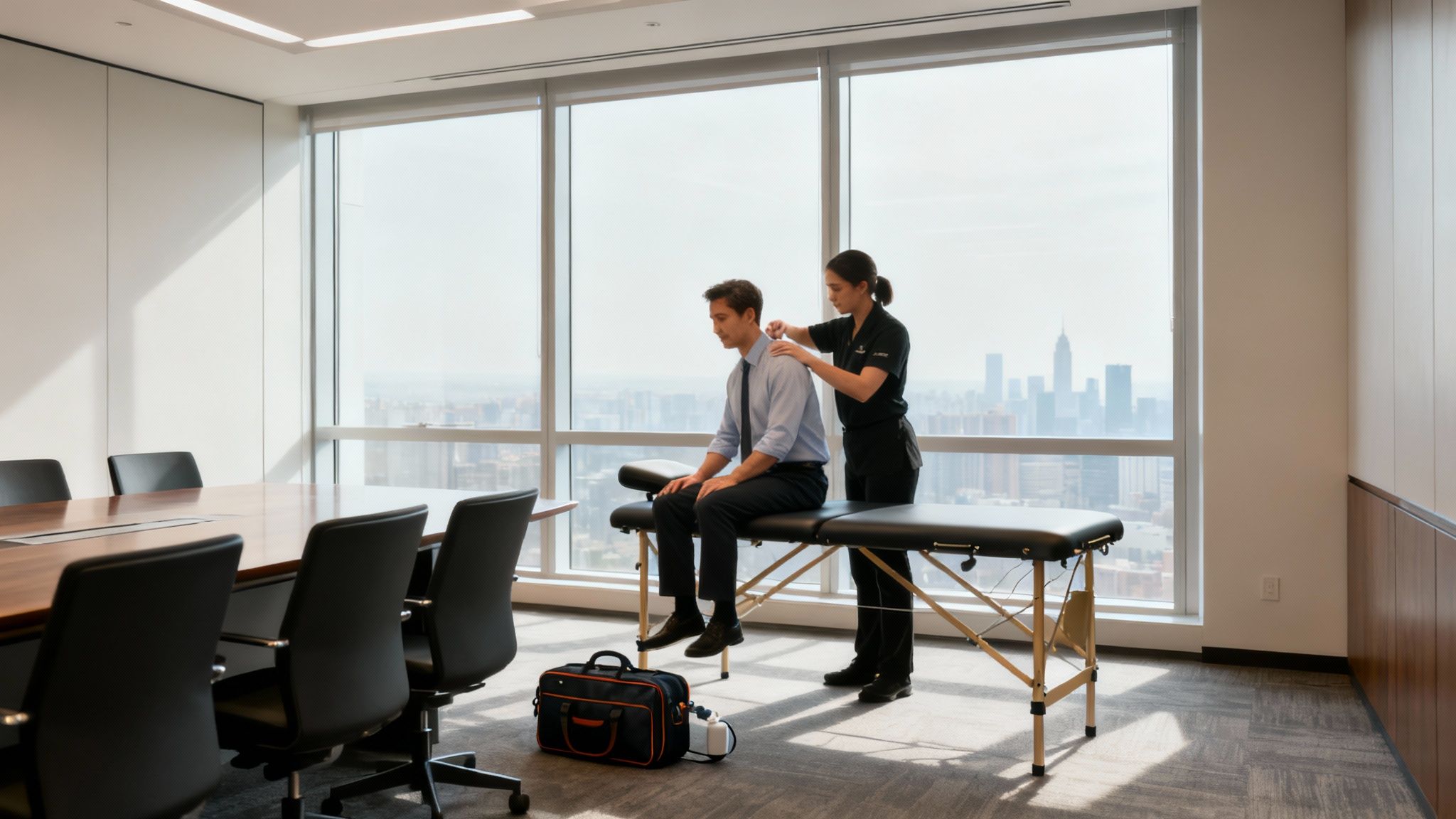
Corporate Wellness: Onsite Relief in the Office

The modern workplace can be a real battleground for your back. Endless hours sitting—often with suboptimal posture—lead to chronic muscle strain, reduced productivity, and more sick days. Forward-thinking Australian companies now recognise that proactive wellness initiatives are not just a perk; they are a strategic investment in their team's health and performance.

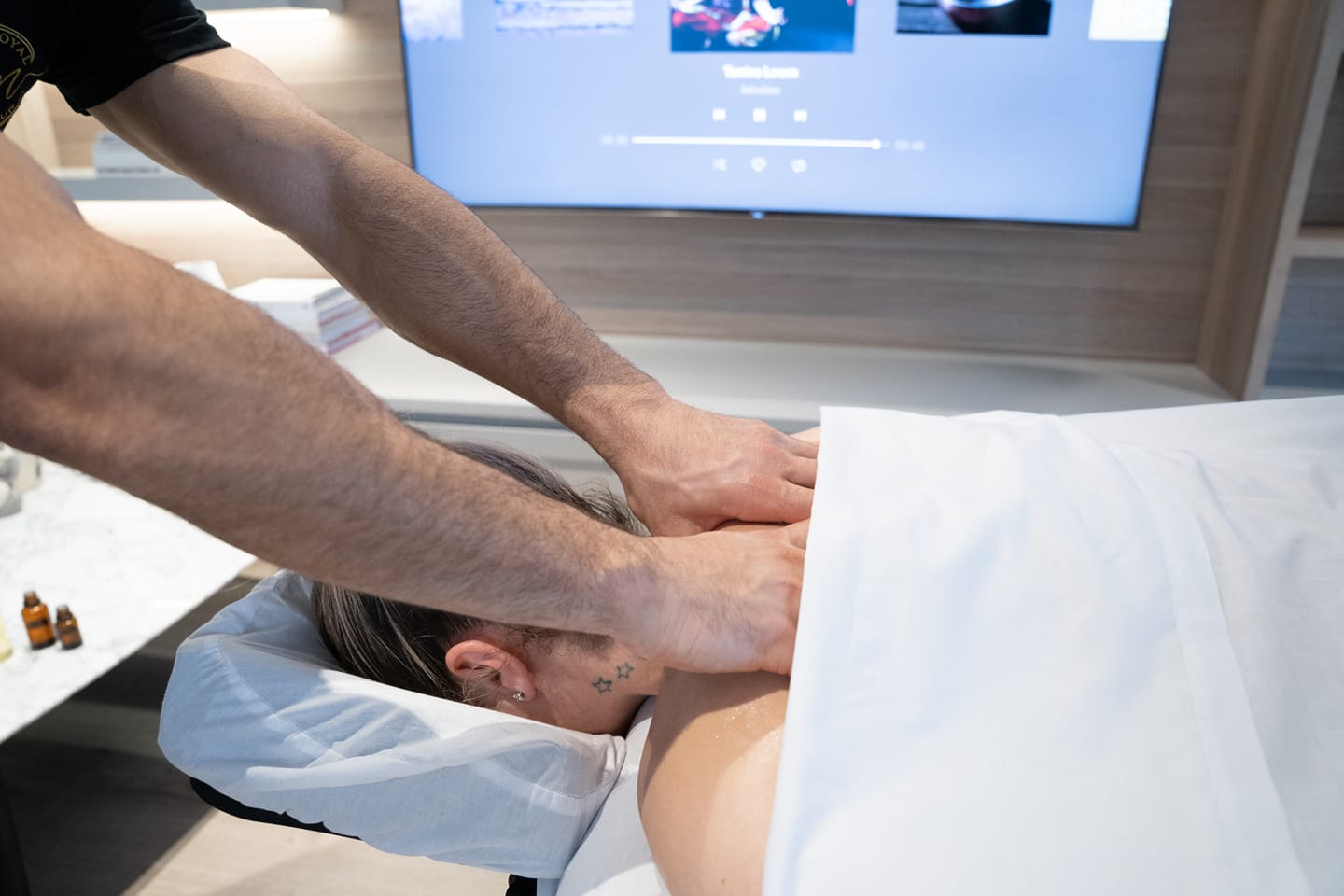
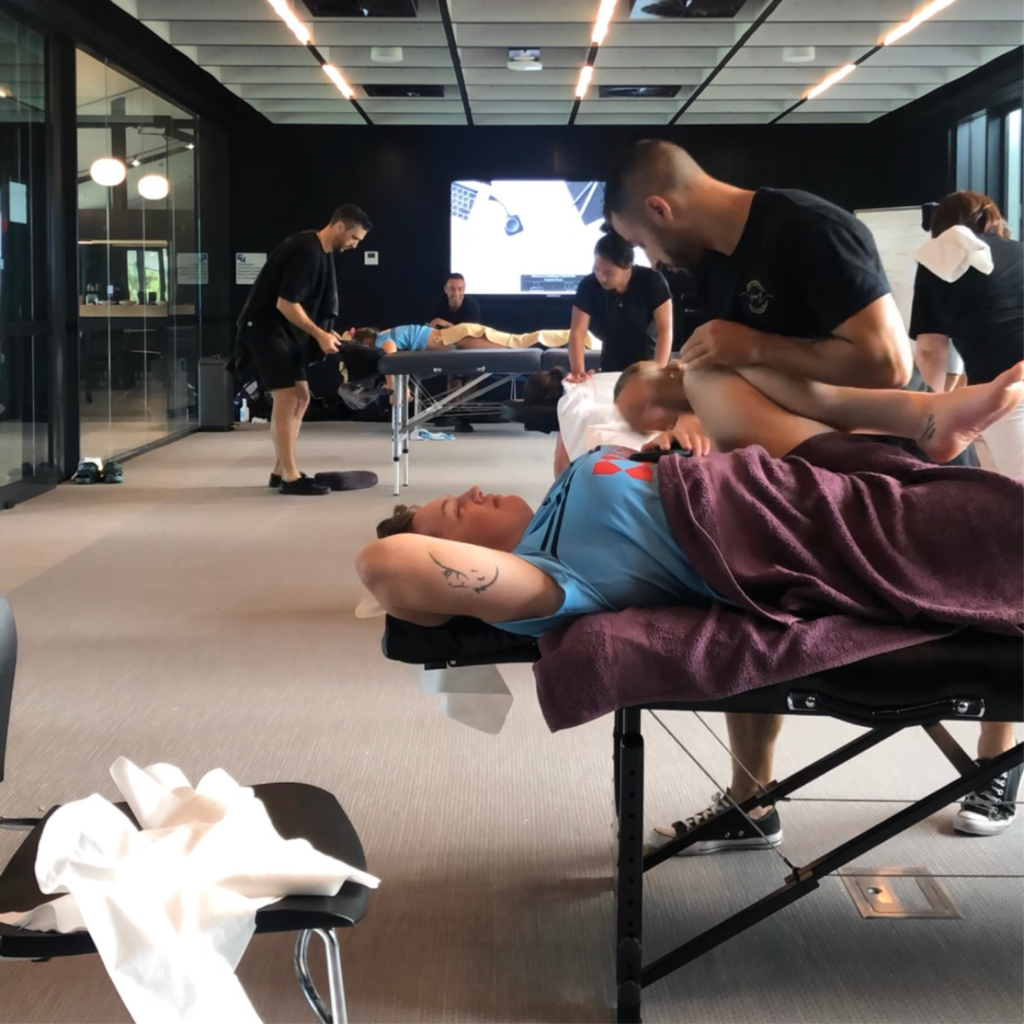
Corporate massage is a direct, powerful solution. By bringing qualified therapists onsite, businesses offer immediate relief from the physical and mental toll of office life. This typically involves:

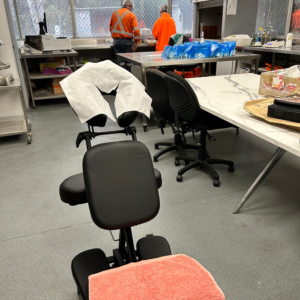
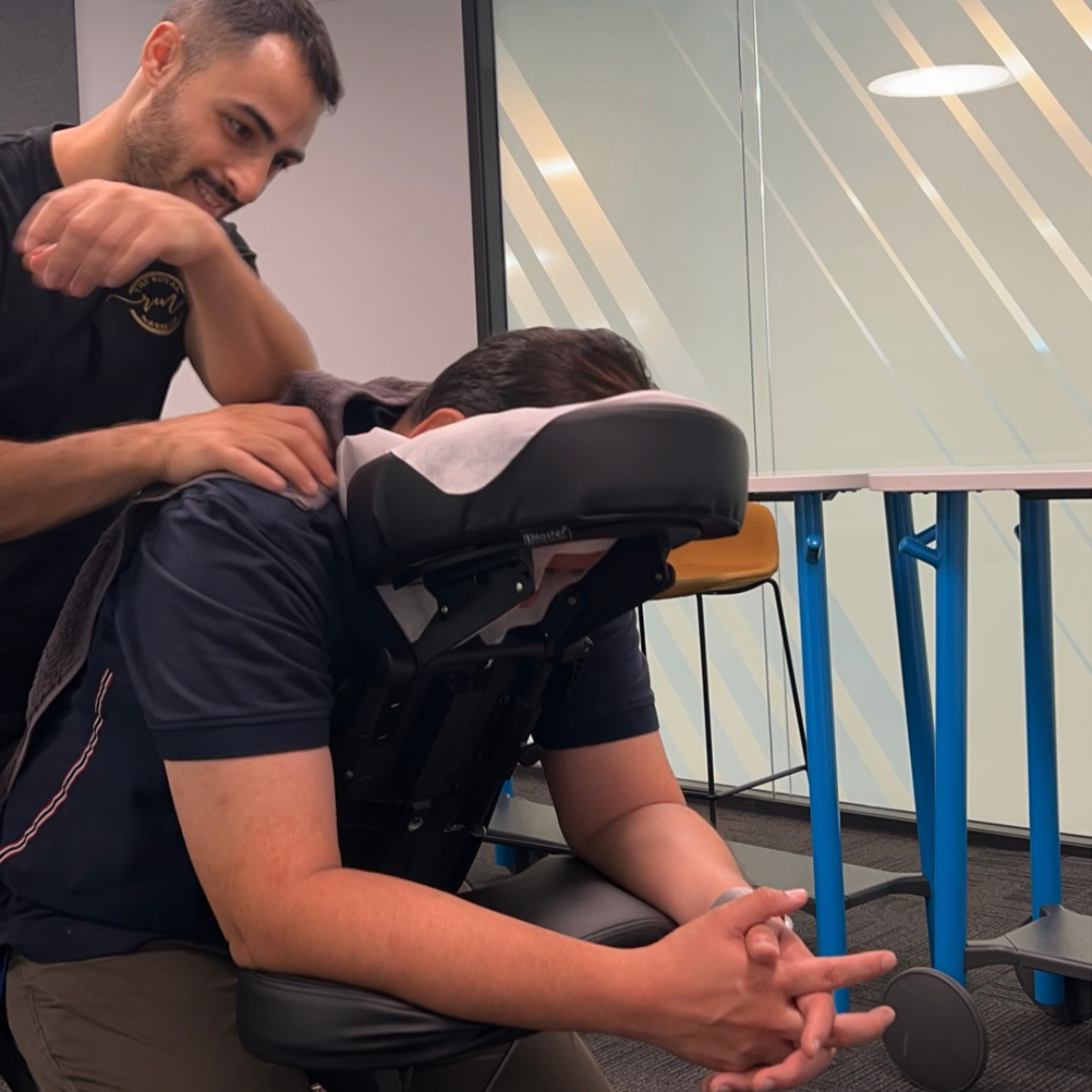
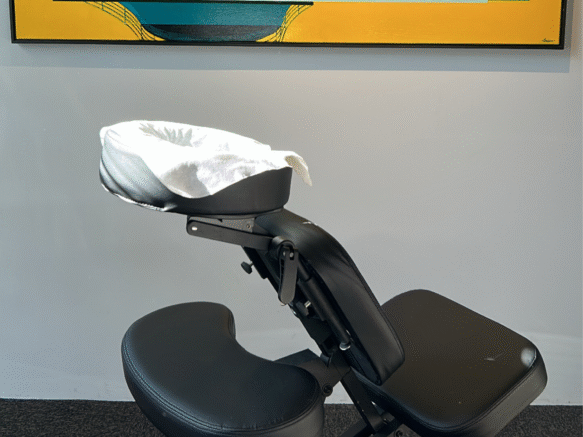
  • Seated Chair Massages: These are quick, focused 15-20 minute sessions that target the neck, shoulders, and back—the exact spots that ache after hours at a desk.
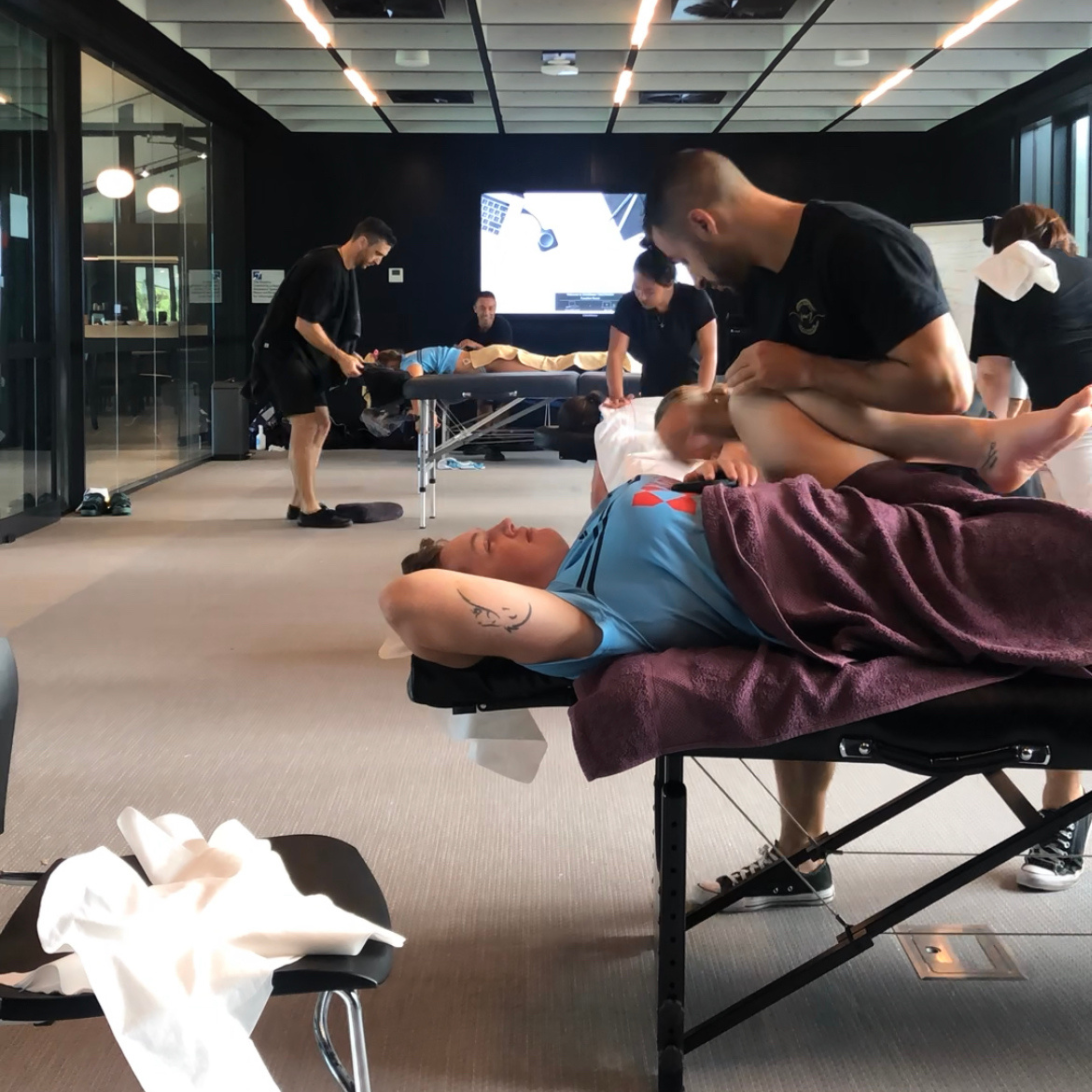
  • Table Massages: For companies with a dedicated wellness room, a full-length table massage provides a more comprehensive, clinical-style treatment.

Onsite massage is a game-changer for morale and productivity. Just a short session can hit the reset button on stress, melt away muscle tension, and send employees back to their desks feeling refreshed and refocused.

This approach directly addresses the root of workplace-related back pain. It improves postural awareness and eases tension that accumulates over a long week, all while demonstrating that employee wellbeing is a genuine priority.

Mobile Massage: Your Personal Sanctuary, Anywhere

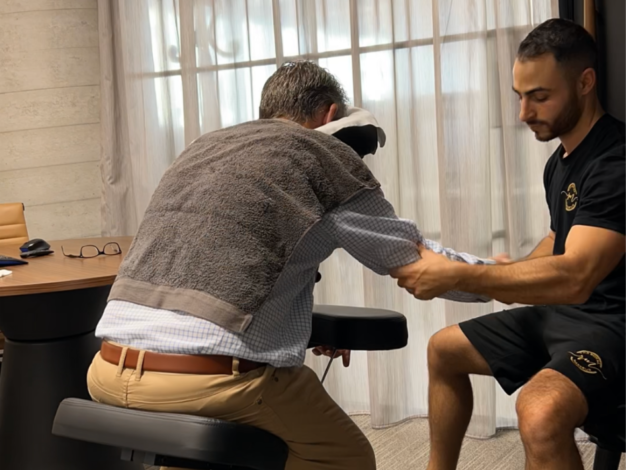
While corporate programs are excellent for team wellness, there are times you need a more private, personalised session. This is where mobile massage truly shines, delivering the full professional clinic experience directly to you, wherever you may be—at home, in a hotel, or on the water. It’s an invaluable service for those with demanding schedules or who simply value ultimate convenience.

Imagine finishing a long day and having a professional therapist arrive at your door, ready to set up a comfortable table and provide a treatment designed specifically for you. It removes all logistical hurdles, making it easier to prioritise your health. The Royal Masseur is at the forefront of this service, and you can easily find a mobile massage therapist near me to fit your schedule.

This flexibility is not just for home. If you're travelling for business or pleasure in cities like Sydney or Brisbane, an in-room hotel massage can undo the stiffness from a long flight. For a truly premium experience, therapists can even provide treatments on luxury yachts, proving that high-end wellness can be accessible no matter where life takes you. This level of personalised care ensures you get the relief you need, whenever and wherever you need it most.

Supporting Your Back Health Beyond the Massage

While a professional massage delivers powerful, targeted relief, keeping that lower back pain at bay is all about what you do between sessions. Think of it this way: the massage hits the reset button, but your daily habits determine how long that blissful feeling lasts. True, long-term wellness is built on those small, consistent efforts.

Lasting relief isn't just about treating the symptoms. It’s about getting to the root causes, which are so often embedded in our daily lives—the way we sit at our desks, how we sleep, and how we move.
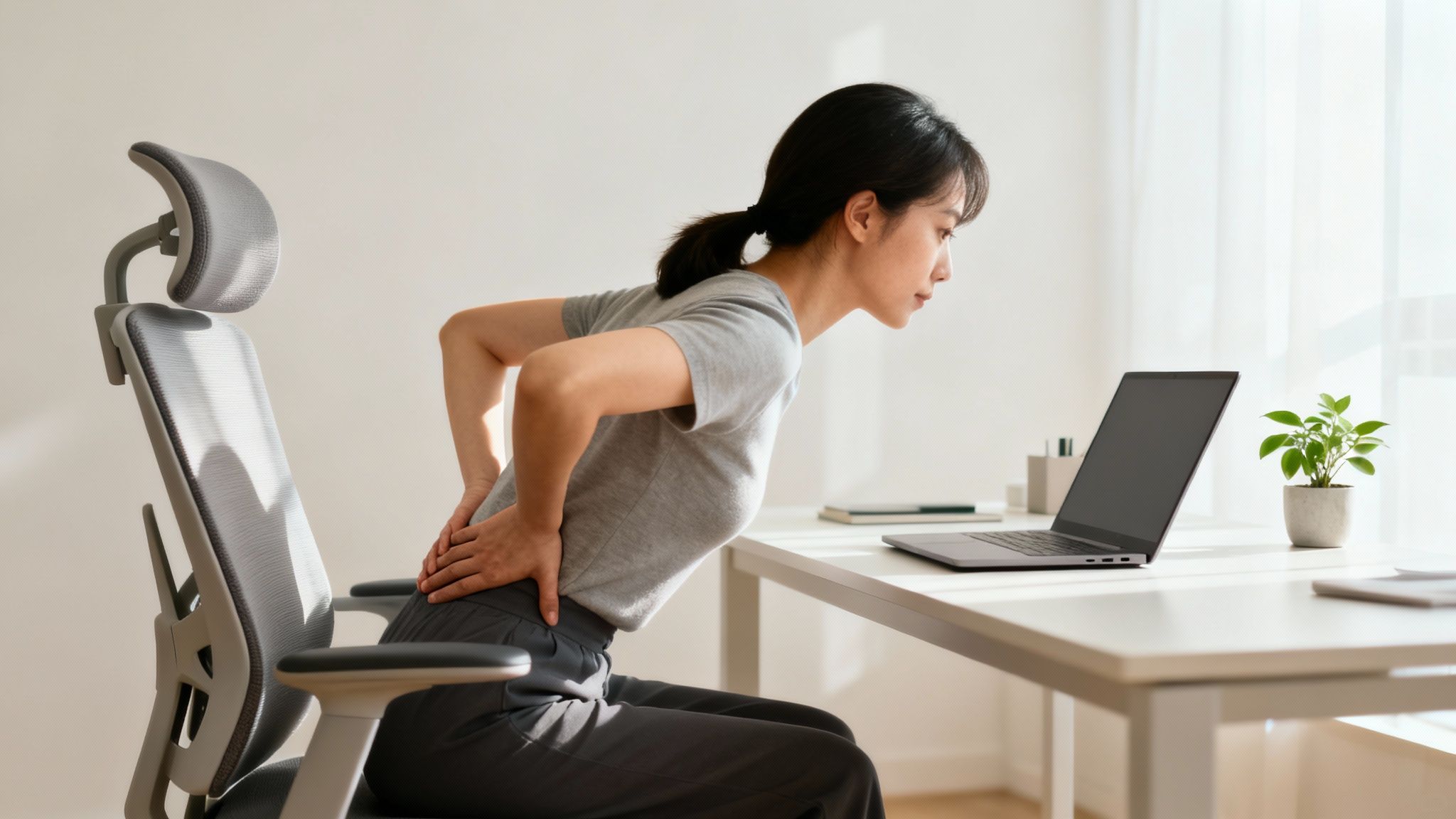
A woman experiencing lower back pain while sitting at a desk and working on her laptop.

Simple Stretches for Any Location

Weaving simple movements into your day is a game-changer, especially for counteracting the effects of prolonged sitting. Whether you're in the office, a hotel room, or working from home, these stretches are designed to be quick, discreet, and incredibly effective.

  • Seated Cat-Cow: While sitting, place your hands on your knees. Inhale as you arch your back and look up, opening your chest. Exhale as you round your spine and drop your chin, feeling a gentle release in your lower back. Repeat 5-8 times every hour. It's a lifesaver.
  • Knee-to-Chest Stretch: Lying on your back, gently pull one knee toward your chest until you feel a comfortable stretch in your lower back and glute. Hold for 20-30 seconds, then switch sides. This is a perfect one to do at home just before bed to release the day's tension.
  • Glute Bridge: Lying on your back with knees bent and feet flat, lift your hips off the floor until your body forms a straight line from your shoulders to your knees. This strengthens your glutes, the powerhouse muscles that provide crucial support for your lower back.

These simple movements improve spinal flexibility and boost circulation, helping to keep your muscles supple and happy.

Building Core Stability and Good Habits

A strong core is like a natural corset for your spine. It provides stability and takes a huge amount of strain off your lower back. You don’t need gruelling gym sessions to build one, either; simple exercises make a world of difference. The 'bird-dog' exercise, for example, is brilliant for engaging your abdominal and back muscles at the same time.

Beyond exercise, mindful habits are everything. When lifting anything, always bend at your knees, not your waist. Make sure your workspace is set up ergonomically, with your monitor at eye level and your chair providing proper lumbar support. These small adjustments prevent the tiny micro-traumas that can accumulate over time and lead to chronic pain.

Supporting your back is a 24/7 job that extends right into your sleep. Your mattress and pillows play a massive role in spinal alignment. An unsupportive sleep surface can undo all the good work of a massage in a single night.

Ensuring your sleeping environment supports your back is just as important as the massage itself. Investing in quality sleep products is a direct investment in your back health, and many people have great success by finding the best mattress topper for back pain to add that extra layer of crucial support.

This is especially relevant when you look at the scale of the issue here in Australia. Chronic lower back pain is a major burden, with one in six people—that’s 4 million of us—affected at any given time. It’s the third leading cause of disease burden and costs the Australian health system around $3.4 billion every year. This is why health experts advocate for integrated approaches that combine massage with education and exercise for genuine, long-term benefits. By adopting these supportive habits, you become an active partner in your own wellness journey.

Your Back Pain Massage Questions, Answered

Stepping into any new therapy, even one as natural as massage, usually comes with a few questions. That's completely normal. Understanding what to expect helps you get the most out of every session and weave it into your wellness routine in a way that actually works.

Many people wonder if they're on the right track, especially when they're just starting out. Getting clear on how often to book, what your body might feel like afterwards, and when it’s time to loop in a doctor helps you feel confident and in control of your back pain journey.

How Often Should I Get a Massage for Chronic Back Pain?

Finding the right rhythm for your massages is the key to managing chronic lower back pain for the long haul. There’s no single magic number; the ideal schedule really comes down to your pain levels, your lifestyle, and how your body responds to the treatment. It’s all about striking that perfect balance between consistent relief and a routine you can actually stick to.

A good rule of thumb for anyone with persistent discomfort is to schedule sessions more frequently at the start, just to get on top of the pain. Once your symptoms begin to settle down, you can start spacing them out.

A smart approach often looks something like this:

  • Initial Phase: Kick things off with a massage once a week for the first 4-6 weeks. This gives your therapist the chance to really get to work on that long-standing muscle tension and keep a close eye on your progress.
  • Maintenance Phase: As you start to feel a significant improvement, you can switch to a maintenance plan of once every 2-4 weeks. This frequency is great for preventing pain from creeping back and managing any new tension from daily life.
  • As-Needed Basis: For those with milder, more intermittent pain, just booking a session during a flare-up or after a particularly demanding activity might be all you need.

Think of your massage schedule like a fitness plan. Consistency is what delivers results. Working with your therapist to create a personalised schedule ensures your treatment is both effective and sustainable for your lifestyle and budget.

For a corporate professional in Sydney dealing with constant postural strain from being desk-bound, a fortnightly remedial massage at the office could be a game-changer. On the other hand, someone with less severe pain might find a monthly session at home is more than enough to keep them feeling their best.

Is It Normal to Feel Sore After a Massage?

Yes, it’s quite normal—and often a good sign—to feel a bit of soreness after certain massages, especially deep tissue or remedial work. The sensation is known as post-massage soreness or Delayed Onset Muscle Soreness (DOMS), and it feels a lot like how your muscles feel after a solid workout.

This happens because your therapist has been working on tight, knotted muscles that might have been holding tension or have been underused for a long time. The pressure helps release these adhesions and boost blood flow, but this process can create a little temporary inflammation as the tissues start to heal and realign.

This feeling typically only lasts for 24 to 48 hours, and you can help ease it by:

  1. Hydrating Well: Guzzling plenty of water helps flush out all the metabolic waste that gets released from your muscles during the massage.
  2. Taking a Warm Bath: An Epsom salt bath can be wonderfully soothing, helping to relax your muscles even further and ease any aches.
  3. Gentle Movement: Skip the strenuous exercise, but a bit of gentle walking or light stretching can prevent stiffness and keep the circulation going.

Think of this temporary soreness as a signal that your body is adapting and healing. It’s proof that the massage hit the right spots, paving the way for better mobility and less pain down the track.

When Should I See a Doctor for My Back Pain?

While massage is a brilliant tool for managing musculoskeletal pain, it's vital to know when your symptoms need a proper medical opinion. Your safety is always the number one priority. Remember, massage therapists are not doctors and can't diagnose underlying conditions.

You should definitely book an appointment with your GP before getting a massage if your lower back pain comes with any of these "red flag" symptoms:

  • Numbness, tingling, or weakness that travels down one or both legs, especially if it's getting worse.
  • Loss of bladder or bowel control—this is a medical emergency.
  • Pain that’s the result of a major trauma, like a car accident or a bad fall.
  • Unexplained weight loss, fever, or chills along with the back pain.
  • Pain that is constant, severe, and doesn't get better with rest or changing your position.

Getting a proper diagnosis from a healthcare professional here in Australia ensures any serious medical issues are ruled out first. Once you have the all-clear, a qualified massage therapist can work in partnership with your doctor's advice to provide safe and effective relief.


Ready to take the next step towards a pain-free back? The expert therapists at The Royal Masseur bring personalised, five-star treatments directly to your home, hotel, or office. Experience the ultimate convenience in wellness by booking your tailored mobile massage session today.
Posted on Leave a comment

Finding the Best Massage for Your Back Pain: A Practical Guide

Back pain is more than a minor ache; it’s a persistent issue that can sabotage productivity in the office, disrupt a holiday, or simply make daily life a struggle. With a confusing number of therapies available, finding the truly best massage for back pain can feel impossible. This guide simplifies the process, offering a practical roadmap for Australians seeking effective, convenient relief—whether you’re at home, in a hotel, on a yacht, or even at work. We move beyond generic advice to provide a detailed breakdown of specific massage techniques tailored to different types of back pain and real-life situations.

This isn’t just a list; it’s an actionable resource for your busy lifestyle. We’ll explore eight distinct methods, from the targeted pressure of remedial massage to the holistic approach of Shiatsu. We will detail what to expect during a session, which conditions each therapy best addresses, and how you can maximise the benefits afterwards.

The focus is on real-world application, whether you need to organise corporate wellness for your team in a Sydney high-rise, book a therapeutic session for your hotel room in Melbourne, or arrange a five-star treatment on a private yacht. You will learn not just what works, but how to integrate these powerful wellness practices into your life. We provide insights from leading Australian health sources and practical guidance for accessing premium mobile services like The Royal Masseur, who bring expert therapists directly to you, ensuring relief is always within reach. Let’s find the right solution for your back.

1. Swedish Massage

Often seen as the classic Western massage, the Swedish technique is an excellent starting point for anyone seeking relief from general back pain. It focuses on relaxing the entire body using a series of specific, therapeutic strokes. It is perhaps the most well-known style, making it a reliable and accessible choice whether you’re at home, in a hotel, or as part of a corporate wellness program in a busy Sydney office.

This technique is characterised by five primary strokes: long, gliding strokes (effleurage), kneading (petrissage), rhythmic tapping (tapotement), friction, and vibration. For back pain, these movements work together to warm up muscle tissue, release tension, and break down minor muscle knots. The long, flowing strokes are particularly effective at soothing the nervous system and reducing the stress that often contributes to a tight, sore back.

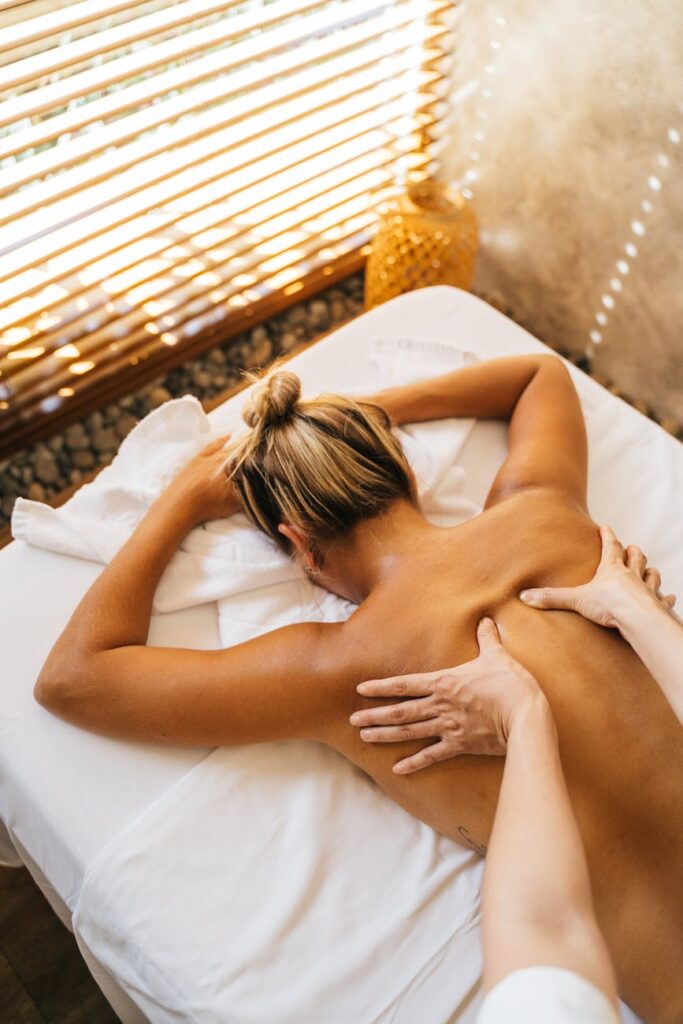
A woman receives a relaxing back massage with lotion applied, looking peaceful in a spa setting.

Why It’s One of the Best Massages for Back Pain

Swedish massage excels at addressing vague, non-specific back pain caused by muscular tension and poor circulation. By increasing oxygen in the blood and decreasing muscle toxins, it helps shorten recovery time from muscular strain. This circulatory boost is a key reason it’s considered an effective massage for back pain. To explore more ways to enhance your body’s circulation, you can learn more about improving circulation naturally.

It is the ideal choice for individuals new to massage or those sensitive to deep pressure. If your back pain stems from long hours at a desk, general stress, or mild overuse, the gentle yet firm approach of a Swedish massage can provide significant relief without the intensity of more targeted therapies.

Actionable Tips for Your Session

To get the most out of your Swedish massage, follow these practical steps:

  • Be Specific: Before the session begins, point out the exact areas of your back that are causing discomfort. Use a pain scale from 1 to 10 to help your therapist understand the intensity.
  • Book for Maintenance: For chronic but mild back tension, a single session offers temporary relief. Booking regular appointments—perhaps monthly—helps manage muscle tension proactively. This is easily arranged for corporate wellness days or as a regular home visit.
  • Hydrate After: Drink plenty of water after your massage. Hydration helps your muscles and fascia stay pliable and assists in flushing out metabolic waste released during the session.
  • Prepare Your Space: If booking a mobile service, have a quiet, warm space ready. A warm shower or a few gentle stretches before your therapist arrives can also help relax your muscles, allowing for a more effective massage.

2. Deep Tissue Massage

For those suffering from chronic back pain, deep tissue massage offers a more intensive and targeted approach. Unlike the broad, relaxing strokes of Swedish massage, this technique focuses on the deeper layers of muscle and connective tissue, known as fascia. Using slow, deliberate strokes and firm, concentrated pressure, therapists work to release chronic muscle tension and break down painful adhesions (knots) that often cause persistent back issues.

This method is particularly powerful for addressing specific problem areas in the back, such as a stiff lower back or sore, tight shoulders from long hours at a computer. It’s a go-to therapy for individuals dealing with recurring pain, making it a valuable service whether you’re recovering from a strain at home in Melbourne or seeking relief from occupational stress in a high-rise Brisbane office.

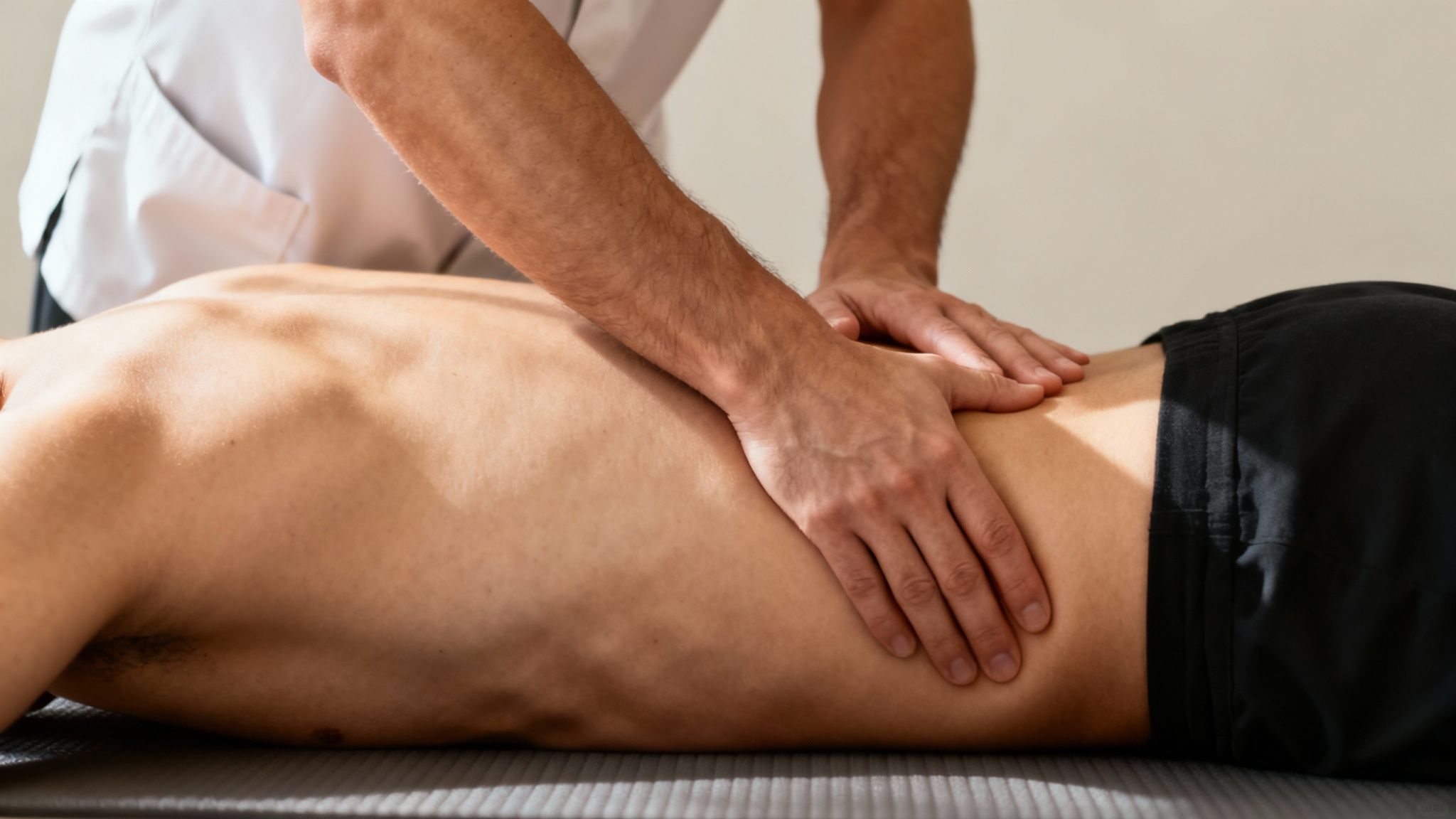
A person receiving a professional back massage for pain relief on a mat.

Why It’s One of the Best Massages for Back Pain

Deep tissue massage is highly effective because it addresses the root causes of many types of chronic back pain. By breaking up scar tissue and physically releasing muscle knots, it can improve range of motion, reduce inflammation, and alleviate pain. This makes it an excellent choice for conditions like chronic lower back pain, postural problems, and muscle injuries.

It’s the ideal massage for back pain when general relaxation isn’t enough. If your discomfort is localised, persistent, and feels deep within the muscle, the focused pressure of a deep tissue session can provide significant and lasting relief. It is frequently used by athletes and therapists treating desk workers with deep-seated tension.

Actionable Tips for Your Session

To ensure your deep tissue massage is both safe and effective, here’s how to prepare:

  • Communicate Your Comfort Levels: Deep tissue should be firm, but it shouldn’t be excruciating. Use a “stoplight” system: let your therapist know if the pressure is “green” (good), “yellow” (intense but tolerable), or “red” (too painful).
  • Allow for Recovery: Your muscles need time to heal after an intense session. Avoid strenuous activity for at least 24 hours afterwards.
  • Warm Up and Cool Down: Applying a heat pack to your back for 10-15 minutes before your session can help warm up the muscles. If you experience soreness afterwards, an ice pack can help reduce inflammation.
  • Focus on Posture: Maintain the benefits between sessions by being mindful of your posture at your desk or while driving. This helps prevent the muscles from tightening up again.

3. Trigger Point Therapy

Trigger point therapy is a highly targeted technique designed to locate and deactivate specific “trigger points”—hyperirritable knots within a tight band of muscle. These points can cause both direct pain at the site and referred pain in other parts of the body, a common source of confusing backaches. The therapy involves applying sustained, direct pressure to these knots to release tension and break the pain-spasm cycle.

Unlike a full-body relaxation massage, this method is focused, zeroing in on the root cause of the discomfort. For back pain, a therapist might identify a trigger point in the hip that is referring pain down your leg, or a knot in the trapezius causing tension across your upper back and neck. This precision makes it an incredibly effective massage for back pain when the issue stems from specific muscular dysfunction. It’s a treatment that can be conveniently performed in various settings, from a quiet room in your Gold Coast home to a dedicated wellness space in your office.

Why It’s One of the Best Massages for Back Pain

Trigger point therapy excels at resolving complex, nagging back pain that doesn’t respond to broader massage techniques. By directly addressing the source of referred pain, it can alleviate symptoms in areas that aren’t even being touched. This approach is invaluable for conditions like sciatica-like symptoms or chronic upper back pain from poor posture at a desk.

This therapy is ideal for individuals experiencing specific, localised pain or stiffness. If you can point to a distinct “spot” that hurts, or if your pain radiates from one area to another, trigger point therapy offers a diagnostic and therapeutic solution that can provide profound and lasting relief.

Actionable Tips for Your Session

To get the most from your trigger point therapy session, follow these practical steps:

  • Communicate Pain Levels: This therapy can be intense. Use a pain scale from 1 to 10 and let your therapist know when the pressure reaches a “good pain” level (around a 7) versus an intolerable one.
  • Breathe Through the Pressure: When the therapist applies pressure, focus on deep, slow breathing. This helps relax the muscle and makes the release more effective and less painful.
  • Manage Post-Session Soreness: Expect some mild soreness for 24-48 hours, similar to post-workout fatigue. Apply a cold pack for 10-15 minutes to reduce inflammation if needed.
  • Incorporate Self-Care: Use a tennis or lacrosse ball to apply gentle pressure to accessible trigger points between sessions. A few minutes daily can prolong the benefits of your professional treatment.

4. Shiatsu Massage

Originating from Japan, Shiatsu is a therapeutic bodywork technique that translates to “finger pressure.” It is deeply rooted in Traditional Chinese Medicine and works to restore the body’s energy flow, or qi. Unlike oil-based Western massages, a Shiatsu session is typically performed with the recipient fully clothed, using rhythmic and sustained pressure from fingers, thumbs, and palms. This method is exceptionally effective for back pain as it targets specific acupressure points along the body’s energy channels.

The therapist applies pressure in a continuous, flowing sequence to release blockages and rebalance energy. For someone suffering from a stiff lower back or tension in the shoulders, this approach works to calm the nervous system, promote deep relaxation, and encourage the body’s natural healing capabilities. It’s a holistic treatment that addresses not just the site of the pain but the underlying imbalances contributing to it, making it an excellent choice for a restorative session at home or as part of a comprehensive corporate wellness day.

Why It’s One of the Best Massages for Back Pain

Shiatsu stands out because it addresses both the physical muscles and the body’s energetic system. It is particularly beneficial for chronic pain linked to stress, fatigue, or postural imbalances. By stimulating acupressure points along the spine, a Shiatsu therapist can help alleviate deep-seated tension and improve flexibility.

This technique is ideal for those who prefer an oil-free massage or feel more comfortable remaining clothed. If your back pain feels persistent and is accompanied by a sense of low energy, the focused, grounding pressure of Shiatsu can provide profound relief, restoring both physical comfort and overall vitality.

Actionable Tips for Your Session

To get the most from your Shiatsu massage, consider these practical recommendations:

  • Wear Loose, Comfortable Clothing: Choose breathable, non-restrictive garments like yoga wear or sweatpants to allow for easy movement and application of pressure.
  • Communicate Pressure and Points: While Shiatsu can be intense, it should never be painful. Let your therapist know if the pressure is too much and point out the specific areas along your back where you feel the most discomfort.
  • Embrace a Full-Body Approach: Shiatsu treats the body as an interconnected system. The therapist will likely work on your legs, arms, and neck to address the root cause of the imbalance, even if your pain is localised in your back.
  • Rest and Rehydrate Afterwards: Allow yourself some quiet time after the session. Drinking water helps to flush toxins and support the body’s energetic rebalancing process.

5. Myofascial Release

Going beyond the muscles, myofascial release targets the fascia: the tough, web-like connective tissue that surrounds every muscle, bone, and organ. When this tissue becomes tight due to injury, inflammation, or poor posture, it can exert immense pressure, causing significant back pain and stiffness. This technique uses sustained, gentle pressure and slow, stretching movements to release these fascial restrictions and restore mobility.

This approach is less about broad strokes and more about specific, sustained holds on areas of fascial tension. A therapist will use their hands, knuckles, or elbows to slowly sink into the tissue until they feel a release, helping to rehydrate the fascia and improve its elasticity. This makes it a powerful option for chronic pain that hasn’t responded to traditional muscle-focused massage, offering relief right in your home or hotel room.

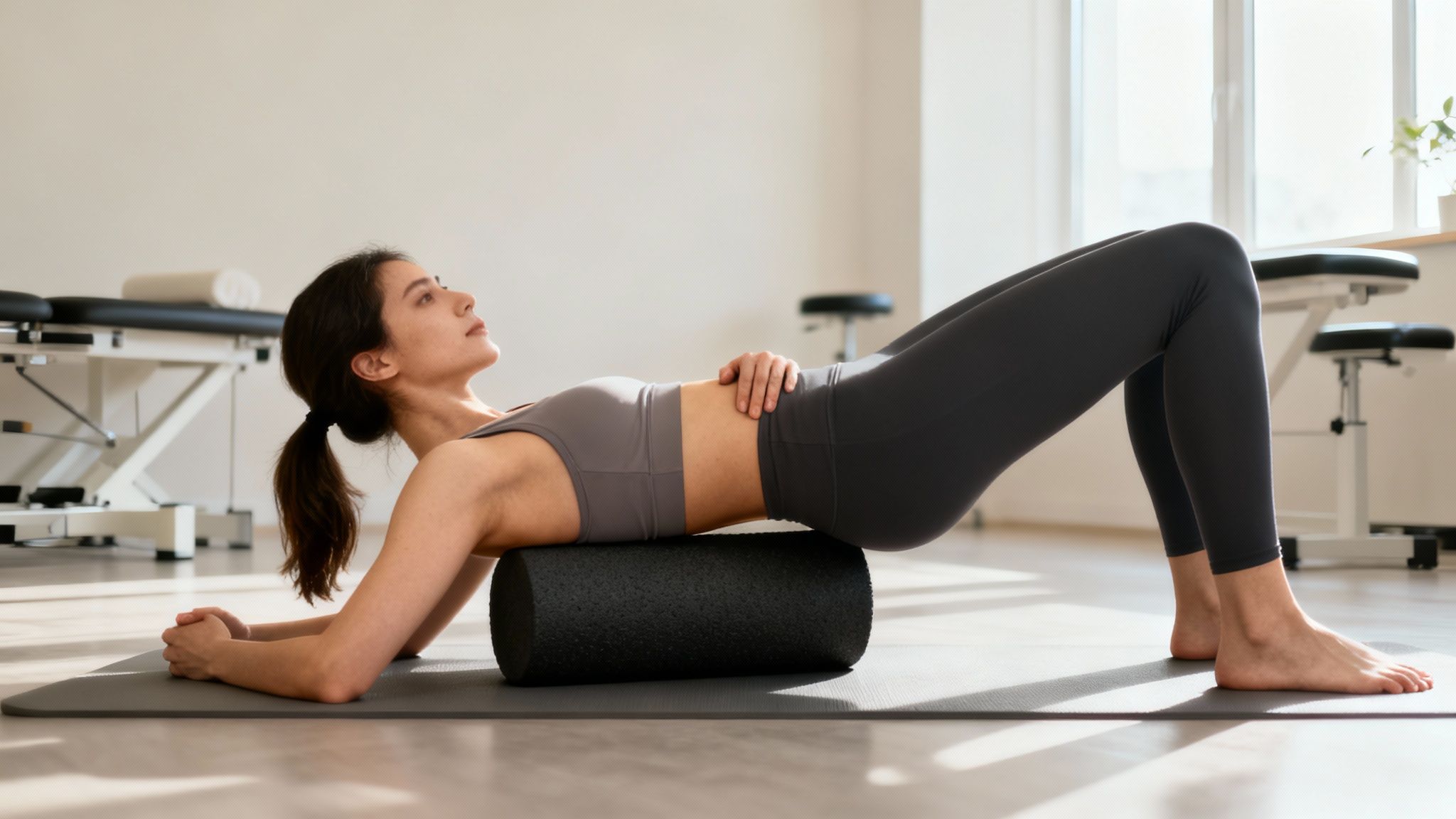
A woman on a yoga mat using a black foam roller for back pain relief and stretching.

Why It’s One of the Best Massages for Back Pain

Myofascial release is exceptionally effective for back pain stemming from postural imbalances, such as those from prolonged sitting. By addressing the root cause within the connective tissue, it provides longer-lasting relief than simply relaxing the muscles. Poor posture is a common culprit of fascial restrictions, and you can discover more about posture’s musculoskeletal effects to better understand this connection.

This technique is ideal for individuals with chronic, nagging back pain, limited range of motion, or pain that feels deep and widespread. It’s also beneficial for post-surgical rehabilitation, helping to break down scar tissue and restore normal movement patterns.

Actionable Tips for Your Session

To get the most from a myofascial release session or your own at-home practice, consider these tips:

  • Go Slow at Home: If using a foam roller, move very slowly. When you find a tender spot, pause on it for 30-60 seconds, breathing deeply until you feel the tension ease.
  • Don’t Push Through Sharp Pain: Myofascial release can be intense, but it should never be sharply painful. Communicate with your therapist if the pressure is too much, or ease off if you are self-treating.
  • Stay Hydrated: Fascia is primarily made of water. Drinking plenty of water after your session is crucial to help the tissue rehydrate and remain pliable.
  • Combine with Movement: For lasting results, follow your myofascial release work with gentle stretching. This helps the newly released fascia and muscles lengthen into their new, improved range of motion.

6. Remedial/Sports Massage

Remedial and sports massage offer a highly targeted, assessment-based approach to treating specific musculoskeletal issues. This is less a pampering session and more a clinical treatment designed to remedy the root cause of your back pain. A therapist will assess your posture and range of motion to devise a treatment plan that addresses injuries, imbalances, and chronic dysfunction.

This modality is a powerful fusion of various techniques, including deep tissue work and trigger point therapy, tailored precisely to your needs. For back pain, this might involve focused work on a strained lower back muscle from a sports injury or correcting postural imbalances from hours spent hunched over a desk in a Sydney high-rise. The goal is not just to alleviate pain but to restore optimal function and prevent recurrence.

Why It’s One of the Best Massages for Back Pain

Remedial and sports massage are exceptionally effective for back pain that stems from a specific injury, postural strain, or repetitive overuse. Unlike more generalised massages, the treatment is strategic, focusing on the muscles, tendons, and ligaments directly contributing to your discomfort. It’s the ideal choice for athletes managing strains, office workers suffering from “tech neck” radiating down their back, or anyone recovering from a specific incident.

By systematically breaking down scar tissue, improving muscle flexibility, and correcting imbalances, this approach provides lasting relief and enhances your body’s resilience. It is a problem-solving massage that equips you with the tools for long-term recovery.

Actionable Tips for Your Session

To get the most from your remedial or sports massage, a proactive approach is key:

  • Be Specific About Your Goals: Clearly explain the nature of your back pain. Was it a sudden injury? Is it a dull ache that worsens throughout the day? The more detail you provide, the more customised your treatment will be.
  • Request a Postural Assessment: Ask your therapist to assess your posture and movement patterns at the start of the session. This provides a baseline and helps them identify underlying imbalances.
  • Commit to the Plan: Remedial therapy often requires a series of sessions. Adhere to the recommended treatment schedule to achieve cumulative and lasting results.
  • Follow Through with Homework: Your therapist will likely provide you with a home care plan, including specific stretches or strengthening exercises. Diligently performing these exercises is crucial for reinforcing the benefits of the massage.

7. Thai Massage

Often called “lazy person’s yoga,” Thai massage is an ancient and dynamic healing practice that offers a unique approach to alleviating back pain. This technique combines acupressure, Ayurvedic principles, and assisted yoga postures. Unlike oil-based massages performed on a table, a Thai massage is conducted on a floor mat with the client fully clothed in loose, comfortable attire.

The therapist uses their hands, thumbs, elbows, and even feet to apply firm, rhythmic pressure along the body’s energy lines. This is combined with a series of deep, passive stretches that pull, rock, and compress the body. For those with back pain, this method works to decompress the spine, increase flexibility, and release deep-seated tension, making it one of the best massages for back pain related to stiffness and poor mobility.

Why It’s One of the Best Massages for Back Pain

Thai massage is exceptionally effective for back pain caused by muscular tightness, poor posture, and a lack of flexibility. The comprehensive stretching mobilises the joints and elongates the spine, which can relieve nerve compression and correct postural imbalances from sitting at a desk all day. Studies cited by sources like Nine.com.au have highlighted its benefits for improving flexibility and reducing pain.

This modality is ideal for active individuals or those who feel their back pain is linked to overall body stiffness. It offers a more engaging and energising experience, leaving you feeling both relaxed and invigorated. This makes it a great choice for a corporate wellness program in a dynamic Brisbane office or for improving range of motion.

Utilising the expertise of a massage therapist and or specialised trainer can get you passed injuries whcih would have been previously thought to be life-limiting, The Royal Masseur specialises in re-educating clients in the latest, best practise training techniques to both assist in strengthenning and healing your body.

Actionable Tips for Your Session

To ensure a safe and beneficial Thai massage experience, consider these tips:

  • Wear Appropriate Clothing: Opt for loose, comfortable clothing that allows for a full range of movement, such as yoga wear or light cotton trousers and a t-shirt.
  • Communicate Your Limits: Be vocal with your therapist about any injuries, areas of pain, or limitations in your flexibility. They can modify the stretches to suit your body.
  • Breathe Through the Stretches: Focus on deep, steady breathing, especially during the more intense stretching movements. This helps your muscles relax and prevents you from tensing up.
  • Stay Hydrated: As with any massage, drinking water before and after your session is crucial for helping your body flush out toxins and rehydrate muscle tissue.

8. Chiropractic Manipulation/Adjustment

While not a traditional massage, chiropractic adjustment is a powerful, related therapy often integrated with massage for comprehensive back pain management. This profession focuses on the musculoskeletal system, particularly the spine. A chiropractor uses controlled, sudden force to manipulate spinal joints, aiming to improve alignment, restore mobility, and reduce nerve irritation.

This practice is built on the principle that proper spinal alignment is crucial for the body’s overall function. Chiropractors often combine these adjustments with soft tissue therapies like therapeutic massage and stretching. This combined approach is particularly effective because massage can relax the muscles surrounding the spine, making the joints more receptive to adjustment and enhancing the overall result.

Why It’s One of the Best Approaches for Back Pain

Chiropractic manipulation excels at addressing back pain that stems from structural and biomechanical issues, such as misaligned vertebrae or joint dysfunction. By directly targeting the source of nerve compression, an adjustment can provide rapid relief from sharp, localised pain and improve range of motion.

This method is ideal for individuals experiencing acute back strains from an injury, chronic pain related to poor posture, or sciatica-like symptoms. When combined with therapeutic massage, it creates a powerful synergy. The massage warms and relaxes tight muscles, while the adjustment realigns the skeletal structure, making it a cornerstone of many integrated wellness programs.

Actionable Tips for Your Session

To ensure a safe and effective chiropractic experience, consider these practical steps:

  • Verify Credentials: Only seek treatment from a licensed chiropractor registered with the Australian Health Practitioner Regulation Agency (AHPRA).
  • Provide a Full History: Be transparent about your medical history, including any previous injuries, surgeries, or underlying conditions.
  • Request Integrated Care: Ask your practitioner if they combine adjustments with massage therapy. This integrated approach often yields the best results.
  • Follow Your Exercise Plan: Your chiropractor will likely prescribe specific exercises to support your treatment. Consistently performing these movements is key to long-term stability; you can discover some effective strengthening exercises to complement your care.

Top 8 Massages for Back Pain — Comparison

ModalityImplementation Complexity 🔄Resource Requirements ⚡Expected Outcomes ⭐📊Ideal Use Cases 💡Key Advantages
Swedish MassageLow 🔄 — foundational strokes, easy to deliverLow ⚡ — massage table, oil/lotion, basic training⭐⭐⭐ 📊 — relaxation, improved circulation, mild–moderate pain reliefMild–moderate back pain, relaxation, post-workout recoveryWidely available; non‑invasive; gentle
Deep Tissue MassageHigh 🔄 — advanced pressure techniques, careful controlModerate ⚡ — skilled therapist, longer sessions⭐⭐⭐⭐ 📊 — reduces deep knots, improves mobility, longer reliefChronic back pain, deep muscle adhesions, athletesTargets root causes; breaks scar tissue/adhesions
Trigger Point TherapyModerate–High 🔄 — precise point identification & sustained pressureLow–Moderate ⚡ — trained therapist; simple home tools for follow‑up⭐⭐⭐ 📊 — targeted pain reduction; often immediate reliefReferred pain (sciatica), localized knots, post‑injury referral patternsHighly targeted; pairs well with self‑care
Shiatsu MassageModerate 🔄 — meridian-based pressure, rhythmic techniquesLow ⚡ — mat, practitioner; client clothed (no oils)⭐⭐📊 — tension reduction, energy balance; variable evidenceStress‑related back pain, holistic care, clients preferring clothed sessionsHolistic, non‑invasive; integrates stretching and joint work
Myofascial ReleaseModerate 🔄 — sustained, slow fascial workLow–Moderate ⚡ — therapist or foam roller for self‑care⭐⭐⭐ 📊 — improved mobility, reduced fascial restrictions, postural gainsPostural dysfunction, restricted mobility, chronic tensionAddresses fascia (root causes); strong self‑management options
Remedial / Sports MassageHigh 🔄 — assessment + multi‑technique treatment plansHigh ⚡ — skilled clinician, assessment tools, exercise programs⭐⭐⭐⭐ 📊 — functional restoration, injury rehab, preventionAthletes, post‑injury rehabilitation, movement dysfunctionComprehensive assessment + education; integrates rehab exercises
Thai MassageModerate–High 🔄 — assisted stretching, rhythmic pressure, movement patternsLow ⚡ — padded mat, experienced practitioner; client clothed⭐⭐⭐ 📊 — increased flexibility, range of motion, relaxationStiffness, mobility issues, those seeking movement‑based therapyCombines stretching and acupressure; meditative and dynamic
Chiropractic Manipulation / AdjustmentHigh 🔄 — manual spinal techniques with diagnostic assessmentHigh ⚡ — licensed D.C., imaging, clinical setting⭐⭐⭐⭐ 📊 — rapid relief for certain acute/nerve compression issuesAcute back pain, radiculopathy, alignment problemsQuick symptom relief; often combined with massage and rehab

Your Next Step: Integrating Targeted Massage into Your Wellness Routine

Navigating the world of therapeutic massage to find the perfect solution for your back pain can be complex, but the power lies in targeted, informed choices. We’ve explored a spectrum of methods, from the relaxing strokes of Swedish massage for general tension to the precise work of Trigger Point Therapy for stubborn knots. The key takeaway is that there is no single “best massage for back pain”; instead, there is a best massage for your back pain, and identifying it is the first step towards lasting relief.

Your back pain is unique. It might be the dull ache from long hours at a desk in your Sydney office, the sharp twinge from an athletic pursuit on the Gold Coast, or the specific postural strain of pregnancy. By understanding the distinct mechanisms of each massage type, you are now equipped to match the therapy to your symptoms and lifestyle.

Making an Informed Decision: From Theory to Practice

The true value of this knowledge comes from its application. The most effective approach is proactive and personalised. Rather than waiting for discomfort to become debilitating, integrating regular, targeted massage into your routine can serve as a powerful preventative measure.

Consider these actionable steps to move forward:

  • Self-Assessment: Revisit the descriptions. Does your pain feel like a deep, muscular issue (suggesting Deep Tissue or Remedial), a series of specific, tender points (Trigger Point Therapy), or a broader sense of stiffness (Myofascial Release or Thai Massage)? Pinpointing the nature of your discomfort will guide your selection.
  • Consult a Professional: A qualified therapist is your most valuable resource. They can perform an assessment, discuss your work habits, and recommend a treatment plan. This is crucial for chronic or severe pain.
  • Embrace Convenience: One of the biggest barriers to consistent treatment is time. Mobile massage services bring the clinic to you, whether it’s your corporate office in Melbourne for a wellness day, your home for post-work relaxation, or even your hotel room or yacht for a seamless experience.

Key Insight: Effective back pain management isn’t about a one-off fix. It’s about creating a sustainable wellness strategy where targeted massage is an accessible part of your health regimen, not an afterthought.

Beyond Relief: The Broader Impact of Targeted Massage

Choosing the best massage for your back extends beyond alleviating physical symptoms. By addressing the root cause of your discomfort, you unlock a cascade of benefits. Reduced pain leads to improved sleep, which boosts energy and cognitive function. For busy professionals, this means enhanced focus and productivity. For athletes, it means faster recovery and improved performance. For new mothers, it means greater comfort and capacity to care for your newborn.

Ultimately, investing in the right massage therapy is an investment in your overall quality of life. It’s a commitment to moving freely, thinking clearly, and living without the constant presence of pain. The journey from discomfort to relief begins with a single, informed step. You now have the map; it’s time to choose your path.


Ready to experience personalised, expert relief delivered directly to you? The Royal Masseur specialises in providing premium mobile massage services across Sydney, Melbourne, Brisbane, and the Gold Coast, making it simple to find the best massage for your back pain. Book your in-home, in-office, or in-hotel session today and let our certified therapists design a treatment plan for your unique needs at The Royal Masseur.

Posted on 1 Comment

Actionable Neck and Shoulder Pain Relief Anywhere

If you’re battling that persistent, nagging ache in your neck and shoulders, you are not alone. Achieving real neck and shoulder pain relief isn’t about a single magic fix. It’s about a smart, actionable combination of immediate techniques, simple environmental adjustments, and, when needed, targeted professional care that fits your lifestyle—whether you’re at home, in the office, in a hotel room, or even on a yacht.

Think of this guide as your practical plan to tackle discomfort head-on, no matter where you are.

Why Your Neck and Shoulders Hurt

That dull throb at the base of your neck or the tight, burning line across your shoulders is a common complaint for a reason. It’s your body signalling that something is out of balance. More often than not, this discomfort is a direct result of the demands of modern life.

Long hours hunched over a desk, endless scrolling on our phones (hello, ‘tech neck’), and even the low-hum of daily stress can force the muscles in your neck and shoulders—like the trapezius and levator scapulae—to become chronically overworked and tight.

The Modern Causes of Discomfort

The root causes of this widespread problem are usually woven right into our daily routines. Sound familiar?

  • Prolonged Sitting: Spending hour after hour locked in one position, especially with less-than-ideal posture, puts a relentless strain on your upper back and neck muscles.
  • Repetitive Stress: Simple actions we barely think about, like typing, using a mouse, or slinging a heavy bag over the same shoulder, lead to muscle fatigue and stubborn, painful knots.
  • Mental and Emotional Stress: When you’re stressed, your body tenses up. It’s a primal reaction. The neck and shoulders are notorious for holding this tension, leading to chronic stiffness and pain.

The link between how we hold ourselves and how we feel is undeniable. Over time, these habits can create significant musculoskeletal imbalances. You can learn more about the deep connection between your posture and its musculoskeletal effects in our detailed guide.

This isn’t just a feeling; it’s a significant issue. A South Australian survey found shoulder symptoms affect around 22% of adults, with a lifetime prevalence as high as 67%. This highlights the substantial burden it places on working-age individuals, impacting quality of life and psychological wellbeing.

Quick Relief Techniques for Any Location

When that familiar ache in your neck and shoulders flares up, you need something that works right now, whether you’re stuck in a marathon meeting, trying to unwind in a hotel room, or even out on the water.

The good news is that you can get a handle on it with a few targeted techniques you can perform anywhere.

The main culprits are usually the trapezius, the large muscle running from your neck across your shoulders, and the levator scapulae, connecting your neck to your shoulder blade. They bear the brunt of our screen-focused lives.

It’s a straightforward cycle: our daily habits create the problem, and a direct, hands-on solution is often what’s needed to fix it.

This simple flow shows how common activities like desk work lead directly to physical pain, which is why a hands-on approach is often the quickest way to feel better.

Actionable Stretches for Immediate Relief

Simple, controlled movements are your first line of defence against creeping stiffness. These stretches are designed to be done anywhere, anytime, making them perfect for getting quick neck and shoulder pain relief.

  • The Chin Tuck: The ultimate antidote to ‘tech neck’. Sit or stand tall, look straight ahead, and gently draw your chin straight back, creating a double chin. Feel a gentle stretch at the base of your skull. Hold for five seconds and repeat five times to help realign your head over your shoulders.
  • The Doorway Stretch: A lifesaver for opening up a tight chest. Stand in a doorway, place your forearms on the frame with your elbows slightly below shoulder height, and take a gentle step forward until you feel a stretch across your chest. Hold for 20-30 seconds.
  • Upper Trapezius Stretch: Gently tilt your head to one side, bringing your ear towards your shoulder. To deepen it, place the hand on the same side on top of your head and apply minimal pressure. Hold for 30 seconds on each side to release tension down the side of your neck.

Remember, these movements should create a gentle, sustained stretch, not sharp pain.

Self-Massage to Target Stubborn Knots

Sometimes, stretching isn’t enough for those deep, stubborn knots known as trigger points. This is where self-massage can work wonders by applying direct pressure to encourage them to release.

Imagine you’re in a hotel room after a long day. A simple tennis ball can be your best friend. Place it between your upper back and a wall, then gently roll it over the tight spots between your shoulder blades. When you find a tender area, hold the pressure for about 30 seconds while taking deep breaths. It’s a fantastic way to get targeted relief.

“The most effective self-care techniques are those you can seamlessly integrate into your day. A two-minute stretch at your desk or a quick self-massage against a hotel room wall can make the difference between managing your discomfort and letting it control your day.”

You don’t even need equipment. With your right hand, gently squeeze and knead the muscle at the top of your left shoulder (the upper trapezius). This is especially useful when you’re stuck in one spot, like an office chair or an aeroplane seat.

Wellness on the Go: At the Office, Hotel, or On a Yacht

Finding relief isn’t limited by your location. The same principles apply whether you’re at home, in a five-star hotel, or enjoying the view from a yacht. The goal is always to interrupt the cycle of tension with mindful movement and targeted pressure.

Actionable Tips for Any Setting:

  • In the Office: Set a timer to remind you to stand up and do a doorway stretch every hour. Leading Australian companies are embracing corporate wellness with seated massage, recognising that comfort boosts productivity.
  • In a Hotel: After a long flight or day of meetings, use a tennis ball against the wall for self-massage. Better yet, mobile massage services can bring a professional therapist directly to your room for deeper, lasting relief.
  • On a Yacht: Don’t let tension ruin your leisure time. The same stretches and self-massage techniques work perfectly on board. For the ultimate in relaxation, mobile therapists can even provide remedial massage on the water, ensuring your escape is truly restorative.

By arming yourself with these simple yet powerful techniques, you can take control of your neck and shoulder pain relief whenever and wherever it strikes.

Building Your Pain-Free Workspace

Your workspace holds surprising power over your physical wellbeing. It can either be the source of your daily aches or your best defence against them. It’s time to move past generic advice and dig into the practical details that deliver real, lasting neck and shoulder pain relief.

The link between our work environment and physical pain is impossible to ignore. For countless Australians, the modern workday is a recipe for strain. Neck pain is a huge contributor to disability nationwide, and office-based roles are hit the hardest.

Research shows that nearly half of all Australian office workers will experience neck pain over a 12-month period. Some studies report a 1-year incidence rate as high as 49%. This means simple workplace adjustments are absolutely essential.

Nailing Your Monitor and Chair Setup

The most common mistake is looking down at a screen. This forward head posture, or ‘tech neck’, puts incredible strain on the muscles holding up your head.

The fix is straightforward. Position your monitor so the top of the screen is at, or just slightly below, your eye level. This encourages your head to stay in a neutral position, stacked right over your spine. If you’re a laptop user, a separate keyboard, mouse, and a laptop stand are non-negotiable for long-term comfort.

Your chair is the next critical piece. A good setup supports the natural ‘S’ curve of your spine.

  • Height: Feet flat on the floor, knees at a 90-degree angle.
  • Depth: Two or three fingers should fit between the back of your knees and the seat edge.
  • Lumbar Support: The chair’s curve should fit the small of your back. A rolled-up towel is a perfect stand-in if needed.

Simple Ergonomic Fixes for Immediate Impact

A perfect ergonomic setup isn’t always possible. In these situations, adaptability is key. The goal is to replicate the ideal angles as closely as you can, no matter where you are. This quick-reference table covers common issues and how to solve them.

Problem AreaCommon MistakeQuick Fix Solution
Monitor HeightLooking down at a laptop or low screenUse a stack of books or a sturdy box to raise the screen to eye level.
Chair HeightFeet dangling or not flat on the floorUse a footrest or a stack of books to bring the “floor” up to your feet.
Keyboard/MouseHunching over a laptop keyboardUse an external keyboard and mouse to keep your shoulders relaxed.
Back SupportSlouching in a chair with no lumbar curveRoll up a towel or use a small cushion to support your lower back’s natural curve.
Desk HeightReaching up or hunching down to the deskAdjust your chair height first. If the desk is still too high/low, consider a standing desk converter.

These small adjustments are vital for preventing the repetitive strain that leads to chronic pain. For more proactive measures, explore our guide on how to prevent repetitive strain injury.

The best workspace is not static. Your body was designed to move. The most ergonomic chair won’t prevent discomfort if you stay locked in it for eight hours straight. True workplace wellness is about dynamic posture.

Build movement into your day. Set a reminder to stand up, stretch, and walk around for a few minutes every hour. This simple act resets your posture and gives your muscles a much-needed break.

The Power of Corporate Wellness and Onsite Massage

Forward-thinking Australian companies are realising that employee wellbeing is directly tied to productivity. This has sparked a rise in corporate wellness programs designed to tackle the physical toll of office work head-on.

These programs often include onsite services like seated remedial massage, a highly effective way to provide targeted neck and shoulder pain relief without disrupting the workday. A qualified therapist can address specific areas of tension, release trigger points, and offer personalised advice on posture.

Bringing wellness into the office transforms it from a place of potential strain into one that actively supports health. It’s a powerful statement that shows a company values its people, helping to reduce sick days and build a more energised, resilient team.

Building Strength for Long-Term Prevention

While immediate relief from stretches and massage feels fantastic, the real victory is stopping the pain from returning. To do that, we need to shift from reacting to pain to proactively building resilience. A simple, consistent strengthening routine is your most powerful weapon for long-term neck and shoulder pain relief.

Think of the muscles in your upper back and around your shoulder blades—the rhomboids and lower trapezius—as the heroes of good posture. When these are weak, your upper shoulders and neck are forced to pick up the slack. Strengthening this support system helps pull your shoulders back and down naturally.

The goal isn’t to become a bodybuilder. It’s about waking up often-neglected muscles with targeted, low-impact exercises. Consistency will always beat intensity.

Foundational Exercises for a Stronger Upper Body

Forget complicated gym routines. Some of the most effective movements are the simplest ones, making them easy to fit into your life whether you’re at home or travelling. These exercises are specifically picked to fight the effects of prolonged sitting.

Scapular Retractions (Shoulder Blade Squeezes)
This is the ultimate posture-correcting exercise, directly targeting the muscles between your shoulder blades.

  • How to do it: Sit or stand tall with arms relaxed. Without shrugging, gently squeeze your shoulder blades together as if holding a pencil between them.
  • Why it works: It trains your rhomboid and trapezius muscles to hold your shoulders in a healthier position, taking strain off your neck.
  • Hold for 5 seconds, relax, and aim for 10-15 repetitions.

Resistance Band Pull-Aparts
This adds resistance to strengthen the muscles across your upper back and the back of your shoulders.

  • How to do it: Hold a light resistance band with both hands, palms facing down. Extend your arms straight out in front at shoulder height.
  • Why it works: Keeping your arms straight, pull the band apart by squeezing your shoulder blades together. This move activates the posterior deltoids and rhomboids, crucial for countering rounded shoulders.
  • Perform 2-3 sets of 15 repetitions.

The key to these exercises is mindful activation. It’s not about how far you pull, but about feeling the correct muscles doing the work. Focus on the sensation between your shoulder blades, not in your neck.

Creating Your Simple Weekly Routine

Consistency builds muscle and forges new postural habits. The best routine is the one you’ll stick to. Perform these exercises 3-4 times per week on non-consecutive days.

Here’s a straightforward plan:

DayActivityFocusDuration
MondayStrengtheningScapular Retractions & Band Pull-Aparts10 minutes
TuesdayActive RecoveryGentle Stretching (e.g., Doorway Stretch)5-10 minutes
WednesdayStrengtheningScapular Retractions & Band Pull-Aparts10 minutes
ThursdayActive RecoveryLight walk and mindful posture checks15-20 minutes
FridayStrengtheningScapular Retractions & Band Pull-Aparts10 minutes
WeekendRest & RecoverFocus on relaxation and mobilityAs needed

This simple schedule requires less than 15 minutes on strength days, making it easy to fit into any schedule. You could do it in the morning, during a lunch break, or while watching your favourite show on ABC iView.

Integrating Strength with Professional Care

Building a strong foundation works even better when paired with professional care. Regular remedial massage can release deep-seated knots that exercises alone might not resolve. A qualified therapist can pinpoint specific areas of weakness, giving you personalised advice.

Think of it this way: massage resets the muscles and releases tension. Your strengthening exercises then build on that foundation, training your muscles to maintain a healthier alignment. This powerful combination is the most effective strategy for achieving lasting neck and shoulder pain relief.

When Professional Hands Are What You Need

Sometimes, stretching and self-care just can’t reach that deep, persistent ache. This is when calling a professional isn’t a luxury, but a crucial step toward genuine, lasting neck and shoulder pain relief. If you’re dealing with pain that won’t quit, it’s time to let an expert take over.

A professional remedial massage therapist does more than just rub sore muscles. They are trained to assess the musculoskeletal system, figure out the why behind your discomfort, and treat the root cause, not just the symptoms.

Unlocking Deeper Healing with Remedial Techniques

Unlike a general relaxation massage, a remedial session is a targeted treatment. Your therapist will use specific clinical techniques to address the underlying issues causing your pain.

Two of the most powerful techniques are:

  • Trigger Point Therapy: Applying direct, sustained pressure to those stubborn “knots” in your muscle tissue. These trigger points are often the source of referred pain—a knot in your shoulder could be the real culprit behind your tension headaches.
  • Myofascial Release: Your muscles are wrapped in connective tissue called fascia. Injury, stress, and poor posture can cause this fascia to become tight and restricted. Myofascial release uses slow, sustained pressure to stretch and free up this tissue, restoring mobility and easing discomfort.

Understanding these methods helps you appreciate the depth of care you’re receiving. To learn more, our guide explains what remedial massage therapy is and how it works.

The Tipping Point: When to Seek Professional Help

Knowing when to escalate your care is key. Here are clear signs it’s time to book an appointment:

  • The pain is persistent and doesn’t improve with stretches or rest.
  • Your range of motion is limited—you struggle to turn your head fully or lift your arm.
  • You’re getting frequent headaches, numbness, or tingling in your arms or hands.
  • The pain is disrupting your sleep or daily life.

In Australia, the prevalence of shoulder pain rises with age, from 8.6% in the 30–39 age group to 18.5% in those aged 50 and over. More significantly, chronic shoulder pain—lasting over three months—jumps from 15.8% to a staggering 65.3% in people aged 70 and above. These statistics highlight why professional intervention is vital for managing musculoskeletal conditions effectively.

The Ultimate Convenience: Mobile Massage Comes to You

Life is busy. Travelling to a clinic can be a barrier to getting the care you need. That’s why mobile massage has become such a valued service across Australian cities like Sydney, Melbourne, and the Gold Coast. It brings the full therapeutic experience directly to you.

Imagine finishing a long day of meetings in your hotel room and having a professional therapist arrive to work on the tension from travel. Or picture a corporate wellness program bringing seated massage right to your desk—a midday reset that boosts comfort and focus.

Even unconventional locations are no longer an obstacle. For those enjoying downtime on a yacht, a mobile therapist can come aboard to deliver a five-star remedial massage. This level of accessibility makes consistent, professional care a practical reality.

By bringing the clinic to your door—whether at home, the office, or on holiday—mobile massage integrates seamlessly into your life, making it easier than ever to find lasting neck and shoulder pain relief.

Your Questions About Neck and Shoulder Pain, Answered

When you’re dealing with neck and shoulder pain, a lot of questions pop up. Getting clear, practical answers is the first step toward feeling confident about your recovery plan, whether you’re considering a massage at home or setting up a wellness day for your office.

Here are some of the most common queries we hear from our clients across Australia.

How Often Should I Get a Massage for Chronic Neck Pain?

For persistent pain, an intensive start can make all the difference. We often find that beginning with weekly remedial massage sessions for the first two to three weeks helps break the stubborn pain cycle and release long-held tension. This initial frequency allows your therapist to make meaningful progress.

Once you feel significant improvement, you can move to a maintenance schedule. For most people, a professional massage every two to four weeks is the sweet spot for keeping symptoms at bay and preventing flare-ups.

Consistency is what turns a massage from a temporary treat into a powerful, long-term wellness strategy.

Should I Use Heat or Ice for My Shoulder Pain?

The right answer depends on the type of pain.

  • Ice is for new, sharp injuries. If you’ve just strained a muscle and are dealing with sharp pain and swelling (within the first 48 hours), use an ice pack. It helps constrict blood vessels, reducing inflammation and numbing the area. Wrap it in a thin towel and apply for 15-20 minutes at a time.
  • Heat is for chronic stiffness and achy muscles. For that deep, dull ache from tight, overworked muscles, heat is your best friend. It increases blood flow, helping tense muscles relax and soothing soreness. A heat pack for 15-20 minutes before stretching can make a world of difference.

Think of it this way: ice for a fresh injury, heat for ongoing tightness. Never apply heat to a new, swollen injury, as it can worsen inflammation.

What Is the Most Important Ergonomic Change I Can Make?

If you’re looking for the one change that will give you the most impact, it’s this: adjust your monitor height. This is the single most effective fix for immediate neck and shoulder relief.

The top of your screen should be at, or just slightly below, your eye level.

This one adjustment stops you from craning your neck forward and down all day—the posture that causes “tech neck.” If you’re working from a laptop, getting this right is nearly impossible on its own. An external keyboard, a separate mouse, and a good laptop stand are non-negotiable tools for anyone spending serious time on a laptop.

Are the Knots in My Shoulders a Serious Issue?

Those tight, tender bumps in your shoulders are almost always trigger points. While not usually a “serious” medical issue on their own, they are a major cause of musculoskeletal pain and daily discomfort.

These irritable spots in muscle fibres can refer pain to other parts of your body. Famously, they are a primary cause of tension headaches that feel like a tight band around your head.

They are often the result of poor posture, repetitive strain, or stress. The good news is that regular stretching and targeted remedial massage are incredibly effective at releasing these knots and ending the pain they cause.


Ready to stop asking questions and start finding real, lasting relief? The experienced therapists at The Royal Masseur deliver premium remedial massage directly to your home, hotel, or office. Book your session today and let our expert hands create a restorative experience tailored just for you.

Posted on Leave a comment

What Is Sports Massage Therapy and Its Benefits

Sports massage therapy isn't just for elite athletes, although you’d be forgiven for thinking that. At its heart, it’s a highly specialised treatment designed to get your body working at its best, prevent injuries before they happen, and speed up recovery when they do.

Think of it as a targeted tune-up for your body's engine. It's an essential tool for anyone dealing with the physical toll of a modern desk job or an active lifestyle. This is a practical solution that delivers real results whether you're in a Sydney office, your own home, a hotel room, or even on a yacht.

Your Guide to Sports massage Therapy

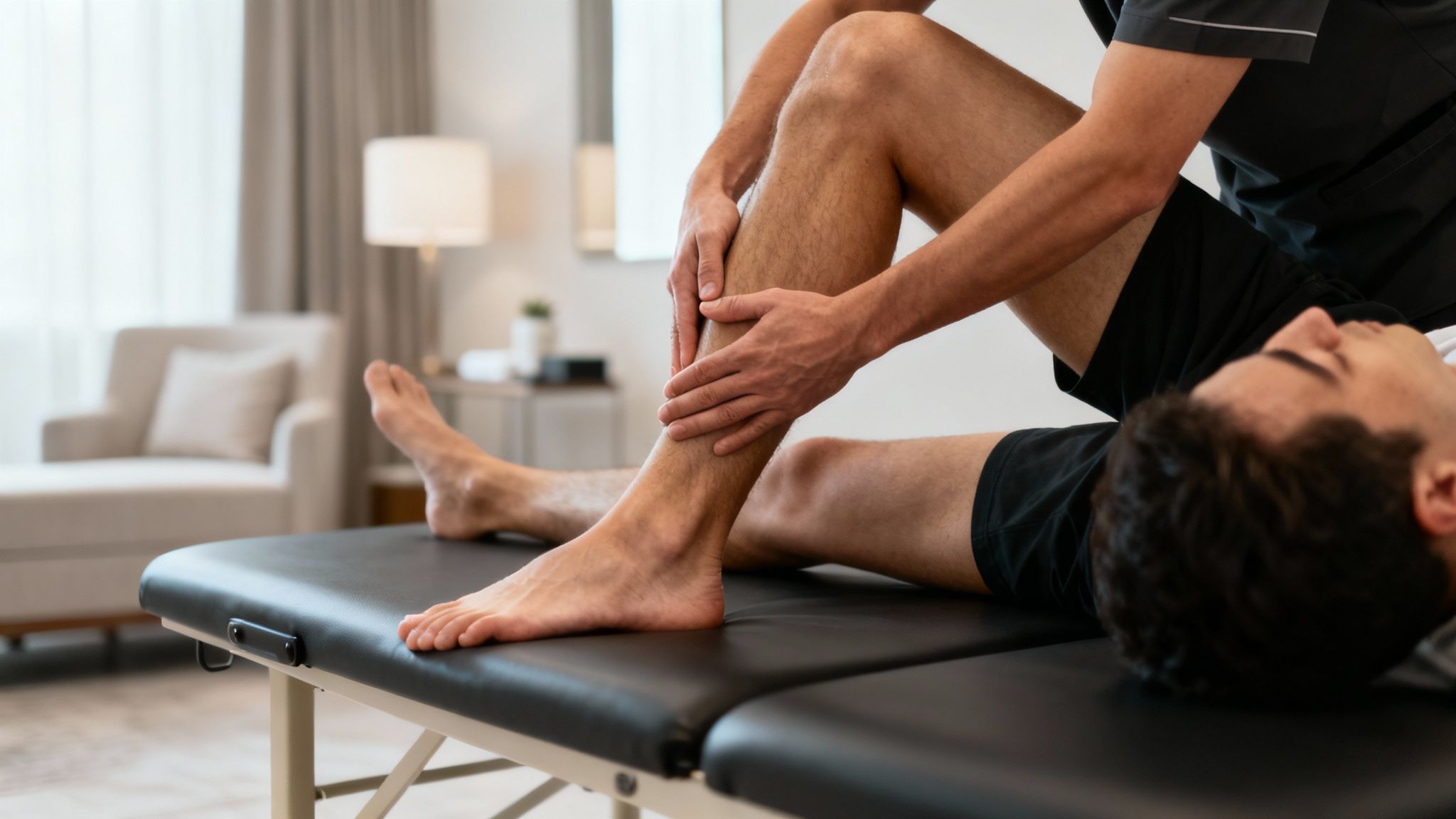
Physical therapist performing sports massage therapy on patient's calf muscle on treatment table

Many people hear "sports massage" and immediately picture a pro athlete on a sideline table. And while it's a cornerstone of professional athletic care, its principles are incredibly effective for a much wider range of people. At its core, this therapy uses a variety of hands-on techniques to manipulate your soft tissues, addressing muscle imbalances and promoting better overall function.

Imagine that nagging neck strain from hours hunched over a laptop at home, or the lower back tightness that creeps in after a weekend of activity. Sports massage provides an actionable strategy to zero in on these exact issues. It’s not about general relaxation; it's about identifying and solving specific musculoskeletal problems to help you move better, feel less pain, and build resilience against future strain.

This practical, hands-on approach has become a key part of mainstream wellness right across Australia. In fact, about 20% of Australians saw a massage therapist in the last year, with huge demand for treatments that address specific conditions like back pain. You can discover more insights about massage therapy in Australia here.

To give you a clear snapshot, here's a quick rundown of what sports massage is all about.

Sports Massage at a Glance

ConceptDescription
What It IsA targeted form of massage using specific techniques to manipulate soft tissue (muscles, tendons, ligaments).
Primary GoalTo optimise physical performance, aid recovery, prevent injury, and rehabilitate existing issues.
Who It's ForAthletes, desk workers, and anyone with musculoskeletal pain from their daily activities.
Focus AreaAddresses specific problem areas and muscle groups related to your activity or pain source.
Key OutcomeImproved flexibility, reduced muscle soreness, enhanced circulation, and better overall movement.

This table shows that it’s a proactive, results-focused therapy, not just a passive treatment.

A Proactive Approach to Wellness

Unlike a treatment you just lie back and receive, sports massage is an active partnership between you and your therapist. The goal is to create lasting, positive change in your body, whether the session takes place in your office, home, or hotel room.

This is achieved through several actionable steps:

  • Improving Circulation: Enhanced blood flow is crucial. It delivers vital oxygen and nutrients to your muscles while helping to flush out metabolic waste products that cause soreness and fatigue.
  • Increasing Flexibility: By releasing tight muscles, working on trigger points, and breaking down adhesions (those stubborn knots), the therapy helps restore your natural, pain-free range of motion.
  • Reducing Muscle Tension: Targeted pressure works to undo knots and relieve the kind of chronic tightness that plagues office workers and active individuals alike.

Ultimately, sports massage is a powerful investment in your physical wellbeing. It’s a highly effective way to manage the demands of an active lifestyle or a challenging job, available wherever you need it.

The Core Techniques of Sports Massage

Professional massage therapist performing deep tissue therapy on male patient's upper back and shoulder

So, what actually goes on during a sports massage? Every treatment is shaped around your specific needs, but the strategy always revolves around three core goals: preventing injury, boosting performance, and speeding up recovery. Your therapist uses specific hands-on methods to get your body ready for action or help it bounce back afterwards.

Think of it this way: a pre-event massage is like a dynamic warm-up for your muscles. It’s designed to be stimulating and invigorating, cranking up blood flow and flexibility right before you need to perform. On the flip side, a post-event massage acts as a crucial system reset. It calms the nervous system and helps flush out metabolic by-products left over from intense effort.

This adaptability makes it an incredibly powerful tool, whether you're recovering from a long week of meetings hunched over a laptop in a hotel room or prepping for a weekend activity.

Demystifying the Hands-On Methods

A skilled therapist has a whole toolkit of techniques they can draw from, and each one has a specific job. You don’t need to know all the technical jargon, but understanding the basics helps you appreciate what’s happening on the table. The two most common strokes you'll feel are effleurage and petrissage.

  • Effleurage (Gliding Strokes): This involves long, sweeping strokes used to warm up the muscles and get the circulation going. It’s often the first and last technique used in a session, preparing the tissue for deeper work and then soothing it at the end. It feels smooth, rhythmic, and deeply relaxing.

  • Petrissage (Kneading): This is the classic "kneading" motion most people picture when they think of massage. The therapist lifts, rolls, and squeezes the muscles to release deep-seated tension and break down stubborn knots. It’s more focused and intense, zeroing in on those specific tight spots that can really limit your mobility.

A common misconception is that sports massage has to be painful to work. While some techniques get right in there with firm pressure to release tension, a professional therapist will always work within your comfort zone, encouraging open communication to find that sweet spot for your body.

Going Deeper with Targeted Techniques

Beyond those foundational strokes, your therapist might pull out more advanced methods to tackle specific issues. For instance, friction techniques involve small, deep, circular movements applied right on a problem area, like a tendon or ligament, to help break down scar tissue. Another method is tapotement, which uses rhythmic tapping or cupping motions to stimulate nerve endings and energise the muscles.

While some of these techniques pop up in other massage styles, their application in sports massage is uniquely focused on function and performance. For a closer look at how pressure is used to target those underlying muscle layers, you might be interested in our guide that explains what is deep tissue massage. This focused, results-driven approach is what makes sports massage such an indispensable part of any modern wellness routine.

Who Truly Benefits From Sports Massage

When you hear "sports massage," it’s easy to picture an elite athlete on a physio table. But the reality is, its application is much broader. The techniques are designed to tackle musculoskeletal stress, making it an incredibly effective tool for a whole range of people. Think about the weekend warrior playing touch footy in a Sydney park, or the corporate executive battling that relentless ‘tech neck’ in a Melbourne high-rise—the benefits are real and often immediate.

Let's be honest, modern life puts our bodies through the wringer. Hours slumped over a desk at home, repetitive keyboard use, and the mental strain of a high-pressure job all lead to chronic muscle tension and nagging pain. This is exactly where sports massage proves its worth, far beyond the sporting arena.

More Than Just an Athlete's Tool

It’s better to think of sports massage as a solution for anyone whose body is under regular physical demand, whether that’s from sport or just from work. It provides an actionable solution for common workplace issues like lower back pain from sitting all day, or that familiar tightness in the upper back and shoulders from staring at a screen. It’s not just about fixing injuries; it's a proactive way to maintain a pain-free, active life.

By focusing on the root causes of muscle strain—whether from running a marathon or a marathon of meetings—sports massage helps restore function and build resilience. It’s about making sure your body can keep up with whatever you ask of it.

This approach is particularly relevant here in Australia, where we love to balance office jobs with an active lifestyle. The sheer number of injuries, even from casual activities, shows a clear need for effective treatment. For example, data from the Australian Institute of Health and Welfare reveals that 28% of sports injuries affect the knee and lower leg, with another 15% hitting the elbow and forearms. Read the full statistics on sports-related injuries in Australia. It’s a stark reminder of just how vulnerable our bodies are to strain, making targeted therapies like this essential.

The Modern Professional's Wellness Solution

For corporate professionals, a sports massage is a seriously smart investment in personal wellbeing and productivity. Repetitive strain from constant typing and mouse-clicking is a major cause of wrist, neck, and shoulder pain, leading to the kind of discomfort that kills focus and performance.

An actionable insight is to schedule these sessions proactively. By bringing in targeted massage, you can get on top of these symptoms and stop them from turning into chronic problems. If you're looking for practical ways to fight this specific type of workplace strain, have a look at our guide on how to prevent repetitive strain injury.

At the end of the day, whether you’re climbing the corporate ladder or hiking a mountain, the principle is the same. Sports massage therapy gives your body the targeted support it needs to perform at its best, recover faster, and stay strong. It's a key part of modern wellness, conveniently available right in your home, hotel, office, or even on your yacht.

Sports Massage vs Other Massage Styles

With so many different massage styles out there, it can be tricky to know which one is right for you. You might be wondering if that nagging shoulder tension calls for a sports, remedial, or deep tissue massage. Understanding the key differences is the first step to choosing the right therapy to hit your specific wellness goals and get the results you're after.

Here's a simple way to think about it: a relaxation massage is like a gentle car wash for your body. It’s soothing and leaves you feeling generally refreshed. A sports massage, on the other hand, is like a detailed engine tune-up. It's highly targeted, performance-driven, and completely focused on function—identifying and fixing specific issues to keep your body running at its best.

This functional approach is incredibly versatile, which is why it's not just for professional athletes anymore.

Three icons showing benefits for athletes, office workers, and weekend warriors in sports massage therapy

The key takeaway here is that it doesn't matter if your physical strain comes from running a triathlon, sitting at a desk, or your weekend footy match—the core principles of sports massage therapy apply.

Comparing Massage Therapies What's Right For You

To help you make an informed choice, let's put sports massage side-by-side with other popular styles. Each has a distinct goal, pressure level, and ideal application, so there’s a perfect match for whatever your body needs.

FeatureSports MassageRemedial MassageRelaxation Massage
Primary GoalTo improve athletic performance, prevent injury, and aid recovery from physical activity.To assess and treat specific musculoskeletal injuries or conditions, such as sciatica or chronic back pain.To reduce stress, promote general relaxation, and calm the nervous system.
Pressure LevelVaries from light to very deep, depending on the goal (e.g., pre-event vs. post-event).Typically firm and deep, focusing on specific problem areas identified during assessment.Generally light to medium, using long, flowing strokes to induce a state of calm.
Best ForAthletes, office workers with postural strain, and anyone with activity-related muscle tightness.Individuals recovering from a diagnosed injury or dealing with chronic, persistent pain.Anyone needing to de-stress, unwind from a busy week, or simply relax their mind and body.

As you can see, the main difference really boils down to the intent behind the treatment. Sports massage is fundamentally about function—making your body work better for whatever you do. A therapist might focus on your shoulder mobility if you’re a swimmer or address calf tightness if you’re a runner who spends all day on your feet.

This focus on function makes it an incredibly practical and effective choice, whether you're getting treatment in your home, a hotel room, or as part of a corporate wellness program.

Wellness Anywhere With Mobile Massage

Corporate massage therapist providing shoulder treatment to office worker in modern conference room

These days, modern wellness has broken free from the clinic walls and is ready to meet you exactly where you are. Forget fighting traffic to get to an appointment. Mobile massage services bring professional sports massage therapy right to your doorstep—whether that’s your home office, a corporate boardroom, a hotel room, or even a yacht moored in Sydney harbour.

The whole model is built around your convenience. It saves precious time for busy professionals while delivering top-tier treatment in a private, comfortable setting. By removing logistical hassles, it makes consistent self-care not just possible, but easy. For many, this is the missing link to finally addressing persistent muscle tightness.

Transforming Corporate Wellness in Australia

Onsite sports massage is completely changing the game for corporate wellness programs across Australia. Forward-thinking companies are realising that employee wellbeing isn't just a perk; it's directly tied to productivity and morale. Bringing therapists into the workplace offers a tangible benefit that tackles the physical toll of office life head-on.

Regular in-office sessions can dramatically reduce employee stress, prevent common work-related niggles like carpal tunnel and tech neck, and boost overall focus. It’s a strategic investment in your people that pays dividends through less absenteeism and a more energised, resilient workforce. Discover more about bringing this professional care directly to your team with mobile massage therapy in Sydney.

By addressing muscle imbalances and tension before they become chronic issues, onsite sports massage shifts the focus from reactive treatment to proactive prevention. It’s about maintaining a healthy, high-performing team.

Preparing for Your Onsite Session

Getting the most out of a mobile massage couldn't be simpler. The therapist brings everything needed, from a professional table or ergonomic chair to lotions and linens. Your only job is to provide a quiet, private space where you can switch off and relax without interruption.

Here’s a quick, actionable checklist on how to prepare:

  • Designate a Space: A small conference room, a quiet office, or even a sectioned-off corner of a larger room works perfectly.
  • Communicate Your Goals: Be ready to tell your therapist about any specific aches, pains, or areas of tension you’re feeling. The more they know, the better the treatment.
  • Wear Comfortable Clothing: Loose-fitting attire is ideal, allowing for easy movement and access to key muscle groups.

This convenient, straightforward approach makes elite sports massage therapy accessible to everyone, ensuring you get the expert care you need, wherever you happen to be.

What to Expect During and After Your Session

Knowing what’s in store can make all the difference, especially if you’re new to sports massage. A typical session is a collaborative process designed to hit your specific goals, whether we’re seeing you in your home, hotel room, or as part of a corporate wellness day.

Your session will always kick off with a brief but crucial consultation. Your therapist will ask about your activity levels, any pain points or areas of tightness you're dealing with, and what you're hoping to achieve. This is your moment to point out that nagging shoulder tension from long hours at the desk or the calf tightness from your last run.

From there, communication is the most critical part of the treatment itself. A professional therapist will constantly check in with you about pressure and comfort. While you might feel some intensity on tight knots—what many call a ‘good pain’—it should never be unbearable. Your feedback is absolutely essential for tailoring the pressure to what your body actually needs.

Your Aftercare Checklist

The benefits of your sports massage don't just stop when the session ends. What you do in the hours and days that follow plays a huge role in maximising the results and helping your body recover properly. Think of it as homework that turns a great massage into a lasting wellness win.

Following a simple aftercare plan helps to flush out metabolic waste, reduce any potential soreness, and lock in that newfound flexibility and relief you’re feeling.

Maximising your recovery is simple but non-negotiable. Proper aftercare ensures your muscles heal correctly and you get the full value from your treatment, setting you up for better performance and less pain down the track.

Here are a few actionable steps to follow after your session:

  • Hydrate Generously: Drink plenty of water. Massage helps to release toxins from your muscles, and water is absolutely crucial for flushing them out of your system.
  • Gentle Movement: Hold off on any strenuous exercise for at least 24 hours. Instead, opt for light activities like a gentle walk or some simple stretches to keep the blood flowing and prevent stiffness.
  • Consider Temperature Therapy: If you feel any soreness, a warm bath can do wonders to soothe the muscles. For any acute inflammation, a cold pack applied for 10-15 minutes can be really beneficial.

By following this guidance, you're helping your body integrate all the work done during the session, making sure you feel the positive effects for days to come.

Your Sports Massage Questions, Answered

Let's get straight to it. Here are the answers to the most common questions we hear about sports massage. We've cut through the jargon to give you practical, straightforward advice, whether you're navigating the demands of corporate life in Australia or simply looking after your wellness at home.

Is Sports Massage Painful?

While it’s certainly more intense than a gentle relaxation massage, it should never be an unbearable ordeal. You might feel some discomfort—what many people call a ‘good pain’—especially when a therapist is working to release a stubborn muscle knot or break down old scar tissue.

But here’s the key: a skilled therapist works with you, not against you. They’ll always stay within your comfort threshold and will check in throughout the session to adjust the pressure. The goal is always to release tension and get your body moving properly again, not to cause unnecessary pain.

How Often Should I Get a Sports Massage?

There's no single magic number; the ideal frequency really comes down to your body, your goals, and your lifestyle. An athlete pushing through a heavy training block might find weekly sessions are non-negotiable for keeping their body in peak condition.

On the other hand, if you're an office worker looking to beat that chronic neck and shoulder tightness from sitting at a desk all day, a session once or twice a month might be the perfect maintenance schedule. Your therapist will help you figure out a plan that makes sense for your specific needs, whether that’s preventing injuries, maintaining performance, or just managing the strains of your job.

The real secret is consistency. Think of it as proactive maintenance for your body, not just a reactive fix. Regular, targeted treatments create lasting change in a way that scrambling for a massage only when the pain is severe simply can’t.

Can I Get a Sports Massage in My Office?

Absolutely. In fact, mobile sports massage is a game-changer for corporate wellness programs across Australia. A professional therapist can easily set up a specialised massage chair or a portable table in a quiet meeting room or empty office.

These onsite sessions are an incredibly efficient way to tackle the common aches and pains that come from office life—think tight necks, sore shoulders, and lower back strain. It’s a proven strategy for boosting employee wellbeing, slashing stress levels, and improving focus, all without anyone needing to leave the building.

Do I Need to Be an Athlete for This?

Not at all. This is easily one of the biggest myths out there. While the name has "sports" in it, sports massage is highly beneficial for anyone dealing with muscle issues, chronic pain, or tension from repetitive daily life.

It doesn’t matter if your "sport" is running marathons, sitting at a desk, working on a trade site, or even just spending weekends in the garden. The techniques are all about improving function, relieving muscle tightness, and helping you move better.


Ready to experience the benefits of expert sports massage where it’s most convenient for you? The Royal Masseur delivers premium, tailored treatments directly to your home, hotel, or office.

Book your mobile massage session today and discover a new level of wellness.

Posted on 1 Comment

what is deep tissue massage? Pain relief and recovery

Deep tissue massage isn't your average, fluffy relaxation treatment. Think of it less as a gentle pampering session and more as a focused, powerful therapy designed to work on the deepest layers of your muscle and connective tissues. It’s a purposeful intervention, an essential tool for undoing chronic knots and releasing tension that’s been holding you back for months, or even years.

Unlocking Relief for Body and Mind

So, what does that actually mean in practice? Imagine your muscles are like a bundle of thick ropes. Day-to-day life—whether it's long hours hunched over a desk in a Sydney office or training for a marathon along the Gold Coast—can cause these ropes to become tangled, knotted, and shortened. A standard massage might smooth over the surface, but a deep tissue massage aims to methodically untangle each knot, fibre by fibre.

Image

The technique itself involves slow, deliberate strokes with sustained, firm pressure. This allows your therapist to reach the underlying muscle layers and the fascia—that web of connective tissue wrapping around your muscles. The goal here isn't just relaxation; it's about physically breaking down adhesions, which you probably know as knots. These are bands of painful, rigid tissue that can trigger inflammation and seriously restrict your movement. By applying that focused pressure, we can break them down to restore proper movement and dial down the pain.

A Focus on Targeted Wellness

The real beauty of this approach is that it creates lasting change in your body. It goes far beyond just feeling good for an hour. It’s particularly effective for:

  • Office Professionals: To combat the stubborn neck and back stiffness that builds up after hours spent staring at a computer. A mobile massage in your office can be a game-changer for resetting your posture.
  • Active Individuals: To speed up recovery by targeting specific muscle soreness and improving your flexibility after intense physical activity.
  • Anyone with Chronic Pain: To provide genuine relief from conditions like nagging lower back pain, sciatica, and persistent shoulder tension.

This style of massage is a powerful solution for those chronic aches and pains. It's not about gritting your teeth through pain, but rather working with a skilled therapist to find that therapeutic 'good hurt'—the kind of feeling that signals real, positive change is happening deep within the muscle tissue.

This focused approach is what makes deep tissue massage a true cornerstone of effective bodywork. It’s a way to get right to the source of your discomfort, providing profound and lasting relief. Whether you’re on a business trip in a Melbourne hotel or need a moment of recovery on a private yacht, the principle is the same: targeted pressure to release that deep-seated tension and restore your body's natural balance and mobility.

How Deep Tissue Massage Actually Works

To really get what deep tissue massage is all about, you need to picture what's happening just beneath the skin. This isn't about brute force; it's a careful conversation with your body’s deeper structures, encouraging them to release and repair. The entire session is built on slow, deliberate pressure that works with your muscles, not against them.

Think of a chronically tight muscle like a rope that’s been left out in the rain—it’s stiff, brittle, and tangled with dense knots. A good therapist’s goal is to carefully bring back that rope’s flexibility. They get there by first warming up the surface muscle layers, preparing the whole area for more focused work.

This first step is crucial. Diving straight into deep work on cold, tight muscles is a recipe for discomfort and doesn't get you very far. Instead, your therapist uses lighter strokes to boost blood flow, which brings warmth and oxygen to the tissues. This makes them more pliable and ready for the real work.

The Core Techniques Explained

Once your muscles are warmed up and receptive, the therapist will switch to a few key techniques to break down adhesions and release tension. These aren't just random movements; each one has a specific job to do, physically changing the muscle tissue for the better.

  • Stripping: This is a deep, gliding movement that runs along the length of a muscle fibre. Imagine your therapist using their knuckles, forearm, or elbow to slowly "comb" through the tangled fibres of that stiff rope, coaxing them to realign and lengthen.
  • Friction: This technique involves applying focused pressure across the grain of a muscle. It’s brilliant for breaking down adhesions—those stubborn knots—and scar tissue from old injuries that can seriously restrict your movement and cause pain.

These techniques are so effective because they trigger a physiological response. That sustained pressure sends a signal to your nervous system to finally relax its grip on a chronically tense muscle, giving it permission to let go.

The real magic happens when this pressure helps to break down adhesions. These are dense bands of painful, rigid tissue that can block circulation and cause inflammation. By physically separating these fibres, deep tissue massage restores mobility and allows vital nutrients to reach the damaged area.

Boosting Your Body's Natural Healing

Beyond just releasing knots, this whole process kicks off a cascade of healing effects. The intense, focused pressure dramatically improves circulation, flushing out metabolic waste from congested areas while drawing in a fresh supply of oxygen-rich blood. It's like supercharging your body's own repair crew.

This improved blood flow is why you might feel a little tender the next day, much like the soreness you feel after a good workout. It’s a sign that your body is actively repairing and rebuilding the tissue that was just worked on. For anyone dealing with those tiny, hyper-irritable knots known as trigger points, this approach is a game-changer. You can learn more about how a skilled therapist targets these specific spots to relieve pain that might be showing up elsewhere in your body.

Ultimately, deep tissue massage is an active partnership between you and your therapist. Whether you're getting a session in your hotel room after a long flight to Melbourne or in your office to undo a week of desk posture, the goal is the same. It's all about using precise techniques to reset your muscles, kickstart your body’s recovery systems, and deliver profound, lasting relief from the inside out.

Actionable Wellness for Modern Australian Life

Beyond that immediate feeling of relief, what is a deep tissue massage really doing for your health? For plenty of Aussies, it’s a powerful way to manage some of the most common and persistent physical issues we face. This isn't just about feeling good for an hour; it’s a practical, evidence-backed strategy for dealing with chronic back pain, nagging neck stiffness from office life, and even the daily grind of osteoarthritis.

The reality of modern life, especially in busy hubs like Sydney and Melbourne, often means long hours stuck in less-than-ideal postures. Whether you’re at a desk in a high-rise office or working from your kitchen table, this lifestyle leads to serious musculoskeletal strain. A skilled deep tissue therapist can directly tackle the consequences, offering targeted relief that goes far beyond a temporary fix.

Tackling Neck and Back Pain Head-On

For office workers, neck and back pain often feel like part of the job description. That constant ache at the base of your skull or the relentless stiffness in your lower back can absolutely drain your energy and focus. Deep tissue massage goes straight for the overworked trapezius and rhomboid muscles that are screaming for help after hours hunched over a keyboard.

The slow, deliberate pressure realigns muscle fibres and releases those nasty trigger points that can refer pain upwards, often causing tension headaches. An actionable insight? Book a 30-minute chair massage at your office. It's an incredibly efficient way to break the cycle of pain and postural dysfunction right where it begins.

Likewise, lower back pain is a massive problem for so many Australians. This therapy works to release the deep, hard-to-reach muscles like the quadratus lumborum and gluteus medius—common culprits in chronic lower back tension. By undoing these deep knots, the massage helps restore proper pelvic alignment and eases the constant load on your spine.

Managing Chronic Conditions Like Arthritis

While deep tissue massage can't cure conditions like osteoarthritis, it plays a vital role in managing the symptoms. The gentle, sustained pressure helps to increase blood flow to stiff joints, which can reduce inflammation and improve your range of motion. For someone living with arthritis, this can mean less pain and greater freedom in their daily life.

A key action here is to work with a therapist who understands how to adapt the pressure. The goal is to loosen the tight muscles surrounding the affected joint, which takes the pressure off the joint itself, rather than working directly on the inflamed area.

This targeted approach helps to improve function and quality of life. For the many Australians living with osteoarthritis, bringing deep tissue massage into their wellness routine can be a game-changing part of their pain management strategy. It provides a non-pharmaceutical option for tangible relief.

According to a report highlighted by Nine's Today Show, neck pain affects a significant number of patients seeking massage, making it one of the most frequently treated conditions. This reflects the common physical toll of modern work and lifestyle habits across Australia.

This infographic shows the core mechanical benefits a deep tissue massage delivers for your body.

Infographic about what is deep tissue massage

As the visual shows, the therapy works on multiple fronts by releasing muscular tension, breaking down restrictive scar tissue, and boosting circulation to help your body heal faster.

Your Personalised Wellness Solution, Anywhere

The real value of deep tissue massage lies in its adaptability. It's a precise therapy that a great therapist can tailor to your exact needs, wherever you happen to be. Imagine finishing a brutal project and having a therapist come to your office for a session focused entirely on your neck and shoulders. Or unwinding in your hotel room after a long flight into Brisbane with a treatment that melts away all that travel stiffness.

For those enjoying some downtime, a session on your yacht can address the specific muscle strains that come from physical activity or just being on the water. It’s all about integrating professional-grade bodywork into your life, turning it from an occasional treat into a consistent part of your health strategy. This is what transforms deep tissue massage from a simple treatment into a powerful tool for maintaining a pain-free, active life.

Choosing the Right Massage for Your Needs

With so many different massage styles on offer, figuring out which one is right for you can feel overwhelming. Are you after gentle relaxation or targeted pain relief? Getting clear on the key differences is the first step to booking a session that actually meets your goals, whether you're at home, in the office, or even on a yacht.

This guide is here to cut through the confusion. We’ll directly compare deep tissue with other popular therapies like Swedish, remedial, and sports massage. The goal is to give you the confidence to select the treatment that will deliver the results you're looking for.

Deep Tissue vs Swedish Massage

The most common point of confusion is between deep tissue and Swedish massage. Think of it this way: a Swedish massage is your go-to for overall relaxation. It’s all about long, flowing strokes with light to moderate pressure, designed to release surface-level tension, calm your nervous system, and boost circulation. It’s the perfect choice for de-stressing after a hectic week.

A deep tissue massage, on the other hand, is a far more focused and intense treatment. Its primary goal isn't just relaxation, but to get to the root of chronic pain and stiffness in the deeper layers of your muscles and connective tissue. If you have specific problem areas—like a stubbornly tight lower back or knotted shoulders from office work—deep tissue provides the targeted pressure needed to break down those adhesions and restore your mobility.

Deep Tissue vs Remedial Massage

This is another common comparison, and the lines can sometimes blur. A deep tissue session is laser-focused on alleviating muscular tension and breaking down knots using firm, sustained pressure. The therapist hones in on tight areas to provide immediate relief.

A remedial massage is typically more diagnostic and often forms part of a broader treatment plan. While it frequently uses deep tissue techniques, the therapist also conducts assessments to understand the root cause of your pain. They might be working to correct a specific postural imbalance or help you recover from an injury. If you want to dive deeper, you can check out our detailed guide on what a remedial massage is and how it functions as a targeted clinical treatment.

Comparing Massage Styles What Is Right For You

To make the choice even clearer, let's lay out the main differences side-by-side. This simple table will help you quickly identify which style best aligns with what your body is crying out for right now.

Massage TypePrimary GoalTypical PressureBest For
Deep TissueTo release chronic muscle tension and knots.Firm to deep, highly focused.Persistent pain, stiff muscles, and postural problems.
SwedishGeneral relaxation and stress reduction.Light to moderate, flowing.Unwinding, de-stressing, and improving overall wellbeing.
RemedialTo assess and treat specific injuries or dysfunctions.Varies from light to deep, depending on the condition.Injury recovery, managing chronic conditions, and corrective care.
SportsTo prepare for or recover from athletic activity.Varies, can be deep and vigorous.Athletes, improving performance, and preventing injuries.

Ultimately, choosing the right massage comes down to your personal goals. Are you looking to completely switch off and relax in your hotel room? A Swedish massage is your ticket. Do you need a powerful intervention to fix that nagging shoulder pain that’s been bothering you at the office? Deep tissue is the answer.

By understanding these key distinctions, you can make an informed decision and ensure every session leaves you feeling exactly the way you hoped.

Preparing for Your Deep Tissue Session

Knowing what to expect can turn a deep tissue massage from something that sounds a bit intimidating into a truly empowering experience. A little preparation goes a long way, ensuring you get the absolute most out of your session, whether it's happening in your office, at home, or in a hotel room after a long flight. This isn't about just lying there and hoping for the best; it's an active partnership between you and your therapist.

Your session will always kick off with a brief but vital chat. Your therapist will want to know about your specific pain points, what you hope to get out of the treatment, and any relevant health history. This is your moment to be crystal clear about that nagging shoulder knot from your desk setup or the lower back stiffness that’s been bothering you for weeks. This initial conversation is what allows the therapist to truly customise the session to your body’s needs.

Understanding the Pressure

One of the biggest myths about deep tissue massage is that it has to be painful to work. That’s simply not true. While the pressure is definitely firm and focused, it should never feel sharp or unbearable. Open and honest communication throughout your session is absolutely essential.

Your therapist will check in with you, but you should always feel empowered to speak up if the pressure is too much. The goal is to find what therapists call a 'good hurt'—a therapeutic level of discomfort that signals a muscle is releasing, not a level of pain that forces you to tense up. Tensing against the pressure is counterproductive, so finding that perfect balance is key.

What Happens During the Session

Once you're comfortable on the table, your therapist will start by warming up the muscles with lighter, more general strokes. This is all about preparing the tissue for the more focused, deeper work to come. From there, they’ll use their forearms, knuckles, and even elbows to apply slow, deliberate pressure, targeting the knots and adhesions in your deeper muscle layers.

It's really important to focus on your breathing during these more intense moments. Taking slow, deep breaths helps calm your nervous system and encourages the muscles to let go more easily. Think of each exhale as an opportunity to release tension.

Your Role in a Successful Session

To get the most out of your experience, whether it's a quick wellness break at the office or a full recovery session on your yacht, a few simple steps can make a world of difference.

  • Hydrate Well Beforehand: Well-hydrated muscles are more pliable and less likely to feel intensely sore afterwards. Try to drink plenty of water in the hours leading up to your appointment.
  • Avoid a Heavy Meal: Having a large meal right before your massage can leave you feeling bloated and uncomfortable on the table. A light snack is a much better plan.
  • Arrive with a Clear Mind: Do your best to let go of the day's stresses. The more relaxed you are mentally, the more receptive your body will be to the physical work.

Feeling a little sore for a day or two after a deep tissue massage is completely normal. Think of it like the muscle fatigue you feel after a really good workout. It’s a sign that your body has undergone significant therapeutic work and is now in the process of healing and realigning itself.

This post-session tenderness is actually a positive sign that the treatment has successfully broken down stubborn adhesions. Following a few simple aftercare steps will help you manage this and extend the incredible benefits of your session, leaving you feeling refreshed, realigned, and ready for whatever’s next.

Finding a Trusted Mobile Massage Therapist

The incredible results of a great deep tissue massage really come down to one thing: the skill and professionalism of the person providing it. Choosing the right therapist is the single most important decision you'll make for a safe, effective, and truly restorative experience. Here in Australia, that means looking past the business name and checking their credentials.

When you're searching, the gold standard to look for is a Diploma of Remedial Massage. This qualification tells you the therapist has gone through rigorous training in anatomy, physiology, and a whole suite of advanced techniques. It’s a solid sign that they have the expert knowledge to handle complex muscle issues properly.

You should also keep an eye out for memberships in professional bodies like Massage & Myotherapy Australia (MMA) or the Australian Natural Therapists Association (ANTA). These organisations hold their members to a strict code of conduct, ensuring they’re properly insured and committed to ongoing training.

Navigating the Industry with Confidence

It’s an unfortunate reality, but the massage industry in Australia has a real challenge separating legitimate, therapeutic services from the illicit ones. This creates a lot of confusion, making it tough for people to find a professional they can trust and, frankly, it undermines the value of what genuine therapists do.

This is a widespread issue. Industry bodies like Massage & Myotherapy Australia consistently work to educate the public, highlighting that a significant percentage of practitioners feel their profession is devalued because of this confusion. On the other hand, the demand for high-quality qualifications like the Diploma of Remedial Massage shows how dedicated the professional community is to maintaining high standards.

This is exactly where a premium mobile massage service cuts through all the noise. By choosing a reputable provider, you get to skip the guesswork. These services have already done all the vetting for you, making sure every single therapist on their team is qualified, insured, and an absolute professional.

Choosing a trusted mobile service removes the guesswork. It guarantees that the professional arriving at your door—whether it's your home, office, or hotel—is a vetted expert committed to the highest standards of therapeutic care.

The Convenience of Vetted Expertise, Anywhere

A premium mobile massage provider brings that five-star wellness experience right to you, slotting deep tissue therapy seamlessly into your life. The value is twofold: you get unparalleled convenience, plus total peace of mind.

  • For Corporate Wellness: Picture this: you're organising a wellness day for your team at your Brisbane office. A mobile service can send a team of qualified therapists to provide targeted chair massages, instantly boosting morale and tackling the physical strains of desk work.
  • For At-Home Recovery: After a massive week or a killer workout, having a vetted remedial therapist come to your Melbourne home means you can relax and recover in your own space, without the hassle of travelling.
  • For Luxury Experiences: If you're kicking back on a private yacht in Sydney Harbour, a mobile therapist can deliver a session tailored to your needs, turning an already great day into something truly exceptional.

This model ensures you receive the same high standard of care, no matter where you are. For a deeper dive, our guide on how to find the right mobile massage therapist in Sydney for your needs offers more practical advice. At the end of the day, finding a therapist you trust is an investment in your safety, comfort, and wellbeing.

Got Questions About Deep Tissue Massage?

Even when you know what deep tissue massage is all about, it’s natural to have a few questions lingering. We get it. So, let's tackle the most common queries we hear, giving you straight-up answers so you can book your next session with total confidence—whether it's at your home, office, or hotel.

Does Deep Tissue Massage Hurt?

This is the big one, and the answer isn't a simple yes or no. A deep tissue massage shouldn't be painful in a bad way. Instead, you should feel a satisfying, therapeutic discomfort, what a lot of people call a ‘good hurt’.

That feeling is a sign that your therapist is successfully getting to those deep-seated knots and adhesions. The key is communication. Always let your therapist know how you're feeling; they can adjust the pressure to a level that’s intense and productive, but never unbearable.

How Often Should I Get One?

The ideal frequency really comes down to what you’re trying to achieve. There's no one-size-fits-all answer.

  • For Chronic Pain Management: If you're wrestling with a persistent issue like lower back pain, starting with a weekly or fortnightly session is a good strategy to get on top of the problem.
  • For General Maintenance: For those of us with demanding jobs in Sydney or Melbourne, a monthly session is a fantastic way to stop tension from building up and keep your posture in check.
  • For Active Recovery: If you’re an athlete or just very active, a session every one to three weeks during peak training can make a huge difference in your recovery time.

Is It Safe For Everyone?

While it’s incredibly beneficial for most, it isn’t the right fit for absolutely everyone. It's best to steer clear of deep tissue massage if you have recent injuries, a history of blood clots, or certain skin conditions.

It's also smart to check with your doctor first if you’re pregnant or have a serious medical condition like osteoporosis. A truly professional therapist will always kick things off with a thorough consultation to make sure it's the right and safe choice for you.

The crucial difference between a remedial and deep tissue massage lies in the approach. Deep tissue focuses purely on releasing muscle tension, while a remedial session is more diagnostic, aiming to treat a specific injury or dysfunction as part of a larger treatment plan.


Ready to experience profound relief from pain and stress? The Royal Masseur brings expert, vetted therapists directly to your home, hotel, or office across Australia's east coast. Book your premium mobile deep tissue massage today at https://theroyalmasseur.com.au.

Posted on Leave a comment

Find the Top 7 Massage Therapists Near Me in 2025

In today’s fast-paced world, finding time for genuine wellness isn’t a luxury, it’s a necessity. Whether you’re an office manager organising a corporate wellness day, a busy professional seeking relief at home, or a hotel concierge arranging an in-room treatment, locating the right practitioner is crucial. The challenge often lies in sifting through endless search results to find trusted, high-quality massage therapists near me. This guide is designed to solve that problem, providing a curated roundup of Australia’s best platforms and directories for booking exceptional massage therapy.

We cut straight to the chase, comparing top-tier mobile services that deliver five-star relaxation to your home, office, hotel room, or even a luxury yacht, alongside comprehensive directories for finding vetted, clinic-based professionals. You will discover the best options for remedial, sports, pregnancy, and corporate massage across Sydney, Melbourne, Brisbane, and the Gold Coast. Each entry includes actionable insights, direct links, and clear comparison points to help you make an informed decision quickly and confidently. Forget the guesswork; this is your definitive resource for accessing premier massage therapy tailored to your specific needs and location, putting profound wellbeing within easy reach.

1. The Royal Masseur

Best for: Premium, hotel-quality mobile massage and corporate wellness programs.

The Royal Masseur distinguishes itself as a premier mobile massage service, delivering five-star, clinically effective treatments directly to your door. For anyone searching for “massage therapists near me” in Sydney, Melbourne, Brisbane, the Gold Coast, Central Coast, or Wollongong, this platform is an exceptional choice, especially for those who value convenience without compromising on quality. Their service expertly blends the luxury of an on-demand spa experience with the therapeutic precision of a specialised health clinic.

Experienced and fully equipped therapists arrive at your home, office, or hotel, transforming your space into a sanctuary of wellness. This unique model makes them a standout for busy professionals, corporate wellness managers, and hotel guests seeking seamless, high-quality care.

Key Strengths and Service Offerings

The Royal Masseur’s strength lies in its comprehensive and tailored approach. Beyond standard relaxation massage, their therapists are skilled in a wide range of advanced modalities designed to address specific health and performance goals.

  • Clinical and Remedial Expertise: Their service menu includes remedial massage, myotherapy, sports massage, dry needling, and cupping. This makes them an ideal choice for athletes managing injuries or anyone seeking targeted relief from chronic pain and tension.
  • Specialised Wellness Services: They offer specialised treatments like manual lymphatic drainage, aromatherapy, and dedicated pregnancy and perinatal massage, supporting clients through all stages of life.
  • Unique Luxury Experiences: For a truly memorable occasion, they even offer a Royal Yacht Experience, bringing their five-star wellness services to you on the water.

A Leader in Corporate Wellness

Where The Royal Masseur truly excels is in its corporate wellness solutions. They provide a strategic blueprint for companies aiming to “reset and recharge” their teams. Their programs are designed to deliver measurable benefits like reduced sick days, boosted morale, and enhanced team cohesion.

Corporate offerings include:

  • In-office body assessments
  • Seated massage for immediate stress relief
  • Guided Pilates, yoga, and meditation sessions
  • Group fitness classes

This integrated approach addresses both physical and mental wellbeing in the workplace, making them a strategic partner for proactive HR teams.

Practical Information

  • Booking: All sessions are by appointment only. You can book via their website or by calling 0422 855 507.
  • Pricing: Rates are transparent and time-based. A 60-minute in-home massage is typically priced at $185 AUD, while a 90-minute session is $260 AUD. Hotel bookings and services on Sundays or public holidays incur additional surcharges.
  • Reputation: They hold an “Excellent” rating on Trustindex from over 350 verified reviews, with clients frequently praising the professionalism, expertise, and unparalleled convenience.
ProsCons
True Mobile Convenience: Therapists come to your home, hotel, or office.Premium Pricing: Rates are higher than standard clinic-based services.
Comprehensive Modalities: From remedial and sports to pregnancy and myotherapy.Limited Service Area: Only available in select eastern Australian cities.
Corporate Wellness Focus: Custom programs to boost workplace wellbeing.Appointment Only: May limit last-minute or spontaneous availability.
Proven Reputation: Excellent Trustindex rating with strong client testimonials.

Website: https://theroyalmasseur.com.au

2. Massage & Myotherapy Australia – Australian Massage Directory

For those prioritising qualifications and professional standards, the Massage & Myotherapy Australia (MMA) directory is the definitive resource. As the national peak body, MMA lists over 8,600 practitioners who meet stringent Australian qualifications and adhere to a strict code of ethics. This platform is less a booking engine and more a trusted register, perfect for finding a vetted professional for specialised needs, whether at home, in a clinic, or as part of a corporate wellness program.

Massage & Myotherapy Australia – Australian Massage Directory

This directory excels at connecting you with highly qualified therapists, making it an excellent starting point for anyone seeking remedial massage, myotherapy, or pregnancy massage where expertise is paramount. The peace of mind that comes from choosing an association-backed therapist cannot be overstated.

Key Features and How to Use It Effectively

The platform’s strength lies in its simplicity and reliability. You can search by suburb or postcode to find local practitioners, then use filters to narrow down the results based on specific treatment types like sports massage or lymphatic drainage.

  • Actionable Tip: When searching, pay close attention to the therapist’s listed qualifications and specialities. Since booking is done directly with the practitioner or their clinic, use their profile as a starting point to vet their suitability before making contact.

Many listed therapists are recognised by private health funds, so if you plan to claim a rebate, this is a crucial resource. The site also provides valuable consumer guidance on client rights and what to expect from a professional consultation.

Our Takeaway: This directory is the gold standard for finding a qualified and ethical massage therapist. It’s ideal for users who need assurance of a practitioner’s credentials, especially for complex remedial issues or when arranging services for high-value settings like corporate offices or luxury hotels.

Website: https://www.massagemyotherapy.com.au

FeatureDetails
Best ForFinding association-vetted remedial massage therapists and myotherapists nationwide.
ProsHigh trust factor due to strict vetting and ethical codes. National coverage.
ConsNot a direct booking platform; requires contacting clinics individually. Pricing and availability are not always listed.
PricingVaries by practitioner. Contact clinics directly for rates and health fund details.

3. ANTA Natural Health Directory

For those seeking a holistic approach to wellness, the Australian Natural Therapists Association (ANTA) Natural Health Directory is a valuable resource. It goes beyond just massage, listing accredited practitioners across a range of natural therapies. This platform is ideal for finding qualified remedial massage therapists who adhere to ANTA’s high educational and professional standards, ensuring a safe and effective treatment whether at home or in a clinical setting.

ANTA Natural Health Directory

ANTA’s directory gives you confidence that you are choosing a therapist committed to ongoing professional development and evidence-based practice. It’s a great tool for locating professionals who are recognised by health funds for rebates and can be trusted to deliver high-quality care in specialised environments, from corporate wellness days to in-room hotel services.

Key Features and How to Use It Effectively

The directory’s main strength is its focus on accredited, multi-disciplinary practitioners. You can search by modality (like remedial massage) and location to find massage therapists near me who meet rigorous association criteria. It serves as a professional register, allowing you to cross-check qualifications with ease.

  • Actionable Tip: Use the directory to find a therapist and then visit their personal or clinic website. This is where you will find specific details on services, availability, and booking processes. Look for the ANTA accreditation on their site as a mark of quality.

This platform is particularly useful when you need assurance of a practitioner’s credentials, especially if you require services eligible for private health fund rebates. The directory also links to practitioner standards and evidence resources, empowering you to make an informed choice.

Our Takeaway: ANTA’s directory is an excellent choice for users who value professional accreditation and a holistic view of health. It is perfect for finding vetted remedial massage therapists, especially in regional areas, and for anyone needing to verify credentials for health fund claims or peace of mind.

Website: https://www.australiannaturaltherapistsassociation.com.au/natural-health-directory/

FeatureDetails
Best ForFinding ANTA-accredited massage therapists and other natural health practitioners.
ProsStrong emphasis on professional standards and accreditation. Useful for verifying credentials for health fund rebates. Covers areas beyond major cities.
ConsPrimarily a directory, not a booking platform. Requires users to contact practitioners individually, making direct comparisons slower.
PricingVaries by practitioner. Check individual clinic websites for pricing and booking information.

4. Fresha (Marketplace)

For those who value convenience and instant gratification, Fresha is a global beauty and wellness marketplace that excels at connecting users with local massage therapists. With strong coverage across Australian cities like Sydney, Melbourne, and Brisbane, it functions as a comprehensive booking engine. Users can easily compare venues, check real-time availability, view transparent pricing, and secure an appointment instantly via the website or mobile app.

Fresha (Marketplace)

This platform is designed for a seamless ‘see-price-and-book-now’ experience, removing the usual back-and-forth of phone calls and emails. It’s an excellent tool for busy professionals or anyone needing to find and book a massage therapist near them without hassle, whether for a quick session at a local clinic or arranging a self-care day.

Key Features and How to Use It Effectively

Fresha’s strength is its user-friendly interface and vast network of partnered salons and clinics. You can search by service type and location, then filter results based on price, ratings, and available time slots, making it easy to find a session that fits your schedule and budget.

  • Actionable Tip: Use the app to rebook appointments with your favourite therapists quickly. Enable notifications to get reminders for your upcoming sessions, ensuring you never miss a well-deserved treatment.

The platform’s review system is particularly helpful for vetting quality. Reading recent feedback from other users provides valuable insight into a practitioner’s skill and the clinic’s atmosphere, which is a crucial part of choosing a top-rated massage therapist in Sydney.

Our Takeaway: Fresha is the ultimate tool for convenience-focused users who want to compare options and book a massage instantly. It’s perfect for discovering new local clinics and capitalising on last-minute availability in major metropolitan areas.

Website: https://www.fresha.com

FeatureDetails
Best ForInstantly booking appointments at local clinics and salons with transparent pricing.
ProsSeamless booking process with real-time availability. Broad coverage in major Australian cities. User reviews help verify quality.
ConsCoverage can be limited in regional or rural areas. Quality of service descriptions can be inconsistent between venues.
PricingVaries by venue and service; prices are listed clearly on each profile (e.g., massages from ~A$40 in some Melbourne clinics).

5. Blys – Mobile Massage

For ultimate convenience, Blys brings professional wellness services directly to your doorstep. This on-demand platform specialises in connecting users with vetted mobile massage therapists who can visit your home, office, or hotel. Operating across most Australian capital cities and major regional centres, Blys is designed for busy professionals, families, and anyone seeking high-quality massage therapy without the need to travel.

Blys – Mobile Massage

The platform has revolutionised the search for “massage therapists near me” by offering same-day bookings, often available from early morning (6 am) until late at night (midnight). Therapists arrive with all necessary equipment, including a professional table and oils, transforming your space into a personal wellness sanctuary, whether it’s a living room, a corporate meeting room, or even a luxury yacht.

Key Features and How to Use It Effectively

Blys shines with its user-friendly app and extensive service offerings, which go beyond massage to include beauty and wellness treatments. You can browse therapist profiles, read client reviews, and book a session in just a few taps. The platform covers a wide range of needs, from relaxation and remedial to sports and pregnancy massage.

  • Actionable Tip: Use the app’s rebooking feature to schedule sessions with a therapist you liked. Building a relationship with a practitioner who understands your body’s needs leads to more effective, personalised treatments over time. To better understand how to select a practitioner for your specific needs, learn how to find the right mobile massage therapist for your needs.

The platform’s seamless booking process and extensive operating hours make it an excellent choice for corporate wellness days, hotel concierge services, or individuals with demanding schedules.

Our Takeaway: Blys is the modern solution for accessible, high-quality mobile massage. It’s perfectly suited for those who value convenience and time, offering a reliable way to book a vetted therapist for an in-home, in-office, or in-hotel treatment with minimal fuss.

Website: https://getblys.com.au

FeatureDetails
Best ForOn-demand mobile massage at home, in the office, or at a hotel.
ProsSupreme convenience with no travel needed. Wide service availability, including same-day and late-night bookings. Ability to rebook preferred therapists.
ConsPricing can be higher than in-clinic services. Surcharges for parking or late hours may apply. User experience can vary depending on the individual therapist.
PricingVaries by location and service; typical sessions commonly start around A$119. Check the app for precise local rates.

6. Whitecoat – Health Service Directory

For those who view massage therapy as an essential part of their overall healthcare regimen, Whitecoat offers a comprehensive health-focused directory. This platform is not just for finding massage therapists; it lists a wide range of allied health providers, positioning remedial massage firmly within a professional medical context. Users can search for practitioners, view detailed clinic profiles, and importantly, read patient feedback to gauge quality and service.

Whitecoat – Health Service Directory

Whitecoat stands out by providing social proof through its patient rating system. This feature helps you find trusted massage therapists near me by leveraging the experiences of previous clients. It’s particularly useful for those seeking services like remedial or pregnancy massage, where the practitioner’s approach and patient care are just as important as their technical skills.

Key Features and How to Use It Effectively

The platform is designed to make finding and vetting healthcare providers straightforward. You can search by modality (e.g., remedial massage) and location, then filter results based on factors like whether they accept new patients or offer HICAPS for on-the-spot health fund claims.

  • Actionable Tip: Use the patient reviews and ratings as your primary guide. Look for consistent positive feedback regarding a therapist’s professionalism, the effectiveness of their treatments, and the clinic environment. This is invaluable insight you won’t find on a simple business listing.

Many profiles allow you to request an appointment directly through the site, streamlining the booking process. This is a great starting point for busy professionals or families trying to coordinate appointments without making multiple phone calls.

Our Takeaway: Whitecoat is the ideal tool for health-conscious consumers who want to compare practitioners based on real patient experiences. It’s perfect for finding a reliable remedial therapist and is especially powerful for users who prioritise private health fund rebates and peer-reviewed credibility.

Website: https://www.whitecoat.com.au

FeatureDetails
Best ForComparing local massage therapists using patient ratings and health fund information.
ProsPatient reviews provide social proof. Broad national coverage. Focus on registered allied health professionals.
ConsNot all listings have instant booking functionality. The level of detail on profiles can vary between clinics.
PricingVaries by provider. Check individual profiles or contact the clinic directly for rates and HICAPS availability.

7. Groupon Australia – Massage Deals

For the budget-conscious wellness seeker, Groupon Australia offers a treasure trove of discounted massage deals. This nationwide marketplace lets you purchase vouchers for services at a fraction of their standard price, often with discounts of 20–50% or more. It’s an excellent way to discover and trial new local clinics or massage therapists near you without committing to full-price services, making regular wellness treatments more accessible.

The platform’s appeal lies in its sheer variety and value. You can find deals on everything from a quick 30-minute relaxation massage to comprehensive 90-minute deep tissue sessions or even couples’ packages. By purchasing a voucher upfront, you lock in a great price and can then book your session directly with the massage provider.

Key Features and How to Use It Effectively

Groupon’s strength is its city-based browsing and clear, upfront deal information. Users can search for massage offers in their local area, with each listing detailing the exact inclusions, validity period, and booking instructions. User ratings are often included, providing an initial layer of social proof.

  • Actionable Tip: Always read the fine print and check independent reviews for the clinic before purchasing a voucher. Quality can vary between merchants, so a quick Google search can ensure the provider has a solid reputation beyond the Groupon platform.

This approach is perfect for exploring different massage styles. If you’re curious about specific treatments, Groupon provides a low-risk entry point to see what works for you. If you want to dive deeper into a particular modality, you can learn more about deep tissue massage benefits to understand what to look for in a quality session.

Our Takeaway: Groupon is the go-to platform for finding affordable massage deals and discovering new local practitioners. It’s best suited for flexible users who don’t mind the extra step of booking directly with the clinic and want to make their wellness budget stretch further.

Website: https://www.groupon.com.au

FeatureDetails
Best ForTrialling new local massage clinics affordably and finding significant discounts on treatments.
ProsSignificant cost savings compared to standard rates. Wide variety of massage types and locations. Clear deal terms and user reviews on many listings.
ConsQuality varies between merchants. The booking process involves an extra step (redeeming a voucher with the provider).
PricingDiscounted rates are paid upfront via a voucher purchase. Prices vary by deal.

Top 7 Local Massage Platforms Comparison

Service / PlatformImplementation & Complexity 🔄Resources & Speed ⚡Expected Outcomes ⭐📊Ideal Use Cases 💡Key Advantages ⭐
The Royal Masseur🔄 High — appointment-only, tailored clinical sessions with travel/logistics⚡ Moderate — therapist brings full kit; not always same‑day⭐📊 Clinically effective: pain relief, improved mobility; measurable corporate benefits💡 Busy professionals, hotel guests, athletes, corporate wellness, pregnancy care⭐ Five‑star mobile service, broad clinical toolkit, corporate programs, transparent pricing
Massage & Myotherapy Australia (Directory)🔄 Low — searchable association directory; booking via clinic⚡ Low — search is quick; booking/availability varies by practitioner⭐📊 Vetted qualified therapists; outcomes depend on chosen practitioner💡 When qualifications/ethics matter; nationwide clinic search⭐ Association-backed vetting, national coverage, professional standards
ANTA Natural Health Directory🔄 Low — directory oriented; may require direct contact to book⚡ Low — directory search; not a marketplace for instant booking⭐📊 Accredited practitioners with links to standards and evidence💡 Seeking association-recognised credentials or rebate-eligible providers⭐ Emphasis on accreditation, practitioner standards and evidence resources
Fresha (Marketplace)🔄 Moderate — platform-managed listings; instant booking where supported⚡ High — real-time prices and availability; mobile app for quick bookings⭐📊 Variable by venue; ratings help predict likely quality💡 Fast bookings in major cities; compare price and reviews before booking⭐ Instant booking, transparent pricing, broad urban coverage
Blys – Mobile Massage🔄 Moderate — app-based on‑demand mobile bookings and provider vetting⚡ High — same-day/scheduled (6am–midnight); therapists bring equipment⭐📊 Convenient in‑home care; treatment quality varies by therapist💡 Clients needing at‑home or last‑minute service⭐ On‑demand mobile convenience, repeat bookings via app
Whitecoat – Health Service Directory🔄 Low — health-focused directory; booking often via clinic contact⚡ Moderate — many listings note HICAPS/private health claiming⭐📊 Health‑centred practitioners; useful for allied‑health comparisons💡 Comparing allied health practitioners; those needing private health claims⭐ Patient reviews, clinic profiles, broad metro/regional coverage
Groupon Australia – Massage Deals🔄 Low — purchase voucher online then redeem with merchant (extra step)⚡ Variable — upfront purchase is fast; booking/redemption depends on merchant⭐📊 Significant cost savings; quality and availability vary💡 Trying new clinics affordably; budget‑conscious shoppers⭐ Large discounts via prepaid vouchers; clear deal inclusions and validity

Making Your Choice: Wellness Tailored to Your Lifestyle

Navigating the search for “massage therapists near me” can feel overwhelming, but this guide has illuminated the distinct pathways available to you. From comprehensive professional directories like Massage & Myotherapy Australia to convenient on-demand apps like Blys and deal-focused platforms like Groupon, the modern wellness landscape in Australia offers a solution for every need. The key takeaway is that finding the right fit isn’t about searching for one single “best” therapist; it’s about identifying the service model that aligns perfectly with your lifestyle, goals, and circumstances.

Your journey began with a need, whether for targeted remedial therapy, corporate wellness solutions, or the simple luxury of an in-home massage. Now, armed with an understanding of the different tools at your disposal, you can make an informed and empowered choice.

Key Considerations Before You Book

To synthesise the information and guide your final decision, reflect on these critical factors:

  • Convenience vs. Choice: Do you prioritise the ultimate convenience of a mobile service that comes to your home, office, or hotel room? Or do you prefer browsing a vast directory of clinic-based therapists to find a specific practitioner in your local area? Platforms like The Royal Masseur and Blys excel at the former, while directories like ANTA and Whitecoat champion the latter.
  • Vetting and Qualifications: How important is the assurance of professional association membership and stringent qualification checks? For specialised needs like remedial or pregnancy massage, relying on directories from peak bodies like Massage & Myotherapy Australia provides an essential layer of confidence and ensures practitioners meet national standards.
  • Lifestyle Integration: Consider where a massage will fit most seamlessly into your life. For a busy corporate team, an on-site service that minimises disruption is invaluable. For a new mother, a mobile therapist who can work around a baby’s schedule is a lifesaver. For the ultimate indulgence on a luxury yacht or in a five-star hotel, a premium, discreet mobile service is non-negotiable.

Actionable Next Steps for Tailored Wellness

Your search for the ideal massage experience is now at its final stage. It’s time to move from research to relaxation. If your priority is a five-star, fully vetted, and completely seamless experience that brings professional wellness directly to you, a premium mobile provider is the undeniable solution. This model eliminates travel, waiting rooms, and logistical stress, transforming a therapeutic necessity into a moment of pure, uninterrupted restoration.

By choosing a service that understands the demands of a high-performance lifestyle, you are not just booking a massage; you are investing in your own productivity, clarity, and overall well-being. The true luxury is not just the treatment itself, but the effortless way it integrates into your demanding schedule, ensuring you can recharge and return to your life feeling centred, revitalised, and ready for any challenge.


Ready to experience the pinnacle of convenience and tailored therapeutic care? For a five-star massage that comes to your Sydney, Melbourne, or Brisbane location, book a session with The Royal Masseur. We specialise in bringing professionally vetted, exceptional massage therapists directly to your home, hotel, office, or yacht, ensuring your search for the perfect “massage therapists near me” ends here.

Posted on Leave a comment

7 Deep Tissue Massage Benefits You Need to Know in 2025

In our fast-paced lives, muscle tension, chronic aches, and persistent stress have become common complaints. While a standard massage offers temporary relief, a deep tissue massage provides a more profound, lasting solution by targeting the deeper layers of muscle and connective tissue. This therapeutic technique unlocks a host of powerful deep tissue massage benefits that go far beyond simple relaxation, directly impacting your physical and mental wellbeing.

However, not all massage services are created equal. Many competitors offer a generic, one-size-fits-all experience that fails to address specific concerns, often in a rushed, impersonal clinic environment. In contrast, a premium, tailored mobile service like The Royal Masseur brings expertise directly to you, customising each session to your unique needs. Whether you’re an athlete in Melbourne requiring focused remedial work, a busy professional in Sydney with persistent back pain, or a corporate team on the Gold Coast needing specialised on-site care, the quality of the practitioner makes all the difference.

This article explores the seven key benefits of deep tissue massage that can significantly improve your health and performance. We will delve into how this powerful therapy relieves chronic pain, enhances athletic recovery, reduces stress, and much more, highlighting how a professional, convenient service elevates the experience from a simple treatment to a transformative wellness practice.

1. Chronic Pain Relief and Management

One of the most significant deep tissue massage benefits is its profound ability to alleviate and manage chronic pain. Unlike a standard relaxation massage, which focuses on surface-level muscles, deep tissue therapy targets the underlying layers of muscle and connective tissue, or fascia. The technique involves slow, deliberate strokes and sustained, firm pressure to break down adhesions (often called “knots”) and scar tissue that can cause pain, inflammation, and restricted movement.

Chronic Pain Relief and Management

This targeted approach improves blood circulation to the affected areas, delivering vital oxygen and nutrients that promote healing. It is particularly effective for conditions that stem from repetitive strain or long-term postural issues, such as chronic lower back pain, fibromyalgia, sciatica, and stubborn neck and shoulder tension common among office workers.

Who Benefits from This Approach?

Deep tissue massage provides tailored relief for a diverse range of individuals struggling with persistent pain:

  • Office Professionals: For those spending long hours at a desk, this therapy can address the deep-seated tension in the neck, shoulders, and back that leads to chronic pain and headaches.
  • Athletes: It helps manage ongoing sports injuries by breaking down scar tissue from previous strains, improving flexibility and reducing the risk of re-injury.
  • Cancer Patients: Under medical guidance, it can offer a non-pharmacological way to manage the persistent muscular pain sometimes associated with chemotherapy or other treatments.

The Royal Masseur’s Specialised Approach

While many generic clinics offer deep tissue massage, their one-size-fits-all approach often fails to address the specific cause of your pain. Competitors frequently rely on a standardised routine, but The Royal Masseur’s practitioners are experts in remedial techniques, beginning each session with a thorough assessment of your unique pain patterns. This allows them to create a targeted treatment plan instead of just a general massage.

Furthermore, their convenient mobile service brings this specialised care directly to your home, office, or hotel in Sydney. This eliminates the stress of travel and ensures consistent, personalised treatment—a level of service and expertise that static clinics cannot match. This focused care, combined with post-treatment advice on corrective stretches, is crucial for achieving sustainable, long-term relief from chronic pain. To understand more about how this applies to specific conditions, explore these 7 reasons why you should seek remedial massage therapy for lower back pain.

2. Muscle Tension Release and Improved Flexibility

Another core benefit of deep tissue massage is its remarkable effectiveness in releasing chronic muscle tension and significantly improving flexibility. This therapy goes beyond surface-level relaxation to target the deeper layers of muscle tissue and fascia where stubborn knots, or trigger points, and adhesions form. By applying slow, concentrated pressure, the therapist can physically break down these tight tissue clusters, which are often the source of stiffness, pain, and restricted movement.

Muscle Tension Release and Improved Flexibility

This process lengthens constricted muscle fibres and restores elasticity to the surrounding connective tissues. The result is an enhanced range of motion, allowing joints to move more freely and without pain. This is particularly beneficial for individuals whose daily activities or professions lead to repetitive strain, poor posture, or muscular imbalances, causing everything from a stiff neck to tight hamstrings.

Who Benefits from This Approach?

Deep tissue massage provides a targeted solution for unlocking stiffness and restoring mobility for a variety of people:

  • Dancers and Athletes: For performers and sportspeople, flexibility is paramount. This massage helps release tightness in key areas like the hips, legs, and shoulders, enabling greater movement and reducing injury risk.
  • Desk-Bound Professionals: Office workers often develop severe tension in the neck, shoulders, and upper back. Deep tissue work effectively releases these knots, alleviating stiffness and improving posture.
  • Seniors: As mobility naturally declines with age, regular sessions can help maintain flexibility, ease joint stiffness, and support an active, independent lifestyle.

The Royal Masseur’s Specialised Approach

While a standard massage might offer temporary relief, it often misses the underlying cause of chronic tightness. The Royal Masseur’s therapists are trained in advanced remedial and myotherapy techniques, allowing them to accurately identify the specific muscles and fascial lines causing restriction. This diagnostic approach ensures the treatment is focused and effective, unlike the generalised routines common in many day spas or offered by less qualified competitors.

Moreover, their unique mobile service in Sydney delivers this expert care directly to you, creating a relaxed environment where your muscles can fully release without the added tension of travel. By integrating targeted manual therapy with advice on corrective exercises and stretching, The Royal Masseur provides a comprehensive strategy for achieving lasting flexibility and freedom of movement. To better understand how these advanced modalities differ, you can explore the difference between myotherapy and remedial massage.

3. Enhanced Blood Circulation and Lymphatic Drainage

Another crucial deep tissue massage benefit is its powerful impact on the body’s circulatory and lymphatic systems. By applying sustained, firm pressure to deep muscle layers, the massage technique effectively pushes stale, deoxygenated blood through congested areas. This process encourages the inflow of fresh, oxygen-rich blood, which is essential for muscle repair, reducing inflammation, and flushing out metabolic waste products like lactic acid that contribute to soreness.

Enhanced Blood Circulation and Lymphatic Drainage

This enhanced circulation and lymphatic stimulation helps to accelerate recovery and improve overall tissue health. It is particularly beneficial for reducing swelling (oedema) and boosting the immune system by promoting the movement of lymph, a fluid that helps transport infection-fighting white blood cells throughout the body.

Who Benefits from This Approach?

This therapy provides significant circulatory advantages for a wide array of individuals:

  • Athletes and Active Individuals: For those engaged in regular physical activity, it speeds up recovery between training sessions by clearing metabolic by-products and delivering nutrients to tired muscles.
  • Post-Surgical Patients: With medical approval, deep tissue massage can help reduce post-operative swelling and improve blood flow to the surgical site, promoting faster and more efficient healing.
  • Sedentary Professionals: Individuals who sit for prolonged periods often experience poor circulation in their lower extremities. This massage can counteract the effects of a sedentary lifestyle by stimulating blood flow.

The Royal Masseur’s Specialised Approach

While any deep tissue massage can improve circulation, the effectiveness depends heavily on the practitioner’s expertise. Unlike generic spa therapists who apply routine strokes, The Royal Masseur’s remedial specialists possess a deep understanding of anatomy and physiology. They use precise techniques to target specific areas of vascular and lymphatic congestion, ensuring a much more effective and therapeutic outcome than a typical competitor.

Their mobile service in Sydney further enhances these benefits by bringing the treatment to you, allowing you to relax immediately after the session without the stress of travel, which can constrict blood flow. Standard clinics require you to immediately face traffic and stress, diminishing the physiological benefits you just paid for. The Royal Masseur’s in-home model ensures your body remains in a state of optimal recovery for longer, a clear advantage over traditional competitors.

4. Stress Reduction and Mental Health Benefits

Beyond addressing physical ailments, one of the most vital deep tissue massage benefits is its powerful impact on mental well-being. The therapy activates the parasympathetic nervous system, the body’s “rest and digest” mode, which helps counteract the physiological effects of stress. The sustained, firm pressure reduces levels of the stress hormone cortisol while stimulating the production of serotonin and dopamine, neurotransmitters responsible for mood elevation and feelings of well-being.

Stress Reduction and Mental Health Benefits

This neurological response provides immediate relaxation and clarity, but its effects are also cumulative. Regular sessions contribute to long-term mental health improvements, including reduced anxiety, better sleep quality, and enhanced mood regulation. It offers a tangible, therapeutic method for managing the mental load that often accompanies a high-pressure lifestyle.

Who Benefits from This Approach?

Deep tissue massage provides a sanctuary for mental and emotional release for various individuals facing high-stress situations:

  • Corporate Executives: For leaders managing intense workloads and constant pressure, this therapy serves as a critical tool for stress management, preventing burnout and improving decision-making clarity.
  • Students: The mental and physical tension leading up to exams can be overwhelming. Deep tissue massage helps alleviate anxiety-related muscle tightness and promotes a calmer, more focused mindset.
  • Healthcare Workers: Those in high-stakes professions can use this therapy to decompress from job-related stress, processing the day’s events and restoring their mental equilibrium.

The Royal Masseur’s Specialised Approach

Standard massage clinics often treat stress reduction as a passive, generalised experience. The Royal Masseur elevates this benefit by integrating it into a holistic, remedial framework. Our therapists understand the deep connection between mental stress and physical tension, such as clenched jaws, tight shoulders, or tension headaches. Unlike competitors who may offer a generic relaxation routine, they conduct a thorough assessment to identify how your stress physically manifests and then tailor the treatment to release those specific trigger points.

By bringing this specialised, mentally restorative service directly to your home or office in Sydney, we eliminate the additional stress of traffic and travel that can undo the benefits of a session at a static clinic. This focus on convenience and a tranquil environment, combined with expert techniques, ensures the mental health benefits are maximised. Our practitioners also provide advice on techniques like deep breathing and mindfulness to prolong the effects, offering a comprehensive approach to mental well-being that generic services simply do not provide.

5. Improved Posture and Spinal Alignment

Another key deep tissue massage benefit is its powerful ability to correct postural imbalances and improve spinal alignment. Modern lifestyles, especially those involving prolonged sitting, create chronic tension in specific muscle groups. This tension pulls the skeleton out of its natural position, leading to common issues like forward head posture, rounded shoulders, and lower back strain. Deep tissue massage directly counteracts this by releasing these tight, overactive muscles.

The therapy applies targeted pressure to deep muscles in the neck, chest, back, and hips that are responsible for poor posture. By breaking down adhesions and restoring muscle length, it allows the body to return to a more natural, efficient, and pain-free alignment. This process not only relieves existing discomfort but also retrains your body’s proprioception, or its awareness of its position in space, making it easier to maintain good posture long-term.

Who Benefits from This Approach?

Correcting postural imbalances is vital for a wide range of individuals seeking to improve their health and comfort:

  • Office Workers: For those seated at a computer all day, deep tissue massage can release the tight pectoral muscles and chronically tense neck muscles that cause the typical “desk slouch.”
  • Students: Long hours spent studying or hunched over books can lead to significant back pain and poor habits; this therapy provides immediate relief and a foundation for better posture.
  • Elderly Individuals: Maintaining spinal health is crucial for mobility and balance in later life. Targeted massage helps preserve flexibility and combat the postural stoop that can develop with age.

The Royal Masseur’s Specialised Approach

Many massage providers offer a generic treatment for “posture,” but this often misses the mark by failing to identify the root cause of the imbalance. The Royal Masseur’s therapists are trained in remedial techniques that begin with a comprehensive postural assessment. This diagnostic step allows them to pinpoint exactly which muscles are tight and which are weak, creating a truly customised treatment plan that other clinics simply don’t provide.

Their mobile service enhances this by bringing expert care directly to your Sydney home or office, allowing for consistent therapy without the added stress of travel. This dedicated approach, combined with practical advice on ergonomic adjustments and corrective exercises, ensures you don’t just feel better temporarily but achieve lasting structural improvements—a level of comprehensive care that sets them apart from the competition. To better understand how your posture affects your body, you can read more about posture and its musculoskeletal effects.

6. Athletic Performance Enhancement and Injury Prevention

A key deep tissue massage benefit for athletes and active individuals is its capacity to boost athletic performance and reduce the risk of injury. This goes beyond simple recovery; it involves optimising muscle function at a fundamental level. The targeted pressure of deep tissue massage works to break down adhesions, lengthen tight muscle fibres, and improve tissue elasticity, which are crucial for generating power and maintaining a full range of motion.

This process enhances neuromuscular efficiency, allowing muscles to fire more effectively and reducing compensatory movement patterns that often lead to strain. By improving circulation and flushing out metabolic waste, deep tissue massage also shortens recovery time between intense training sessions. This allows athletes to train more consistently and at a higher intensity, leading to greater performance gains and a lower likelihood of overuse injuries.

Who Benefits from This Approach?

This specialised application of deep tissue massage is invaluable for anyone pushing their physical limits:

  • Professional and Amateur Athletes: From marathon runners to rugby players, regular sessions help maintain peak physical condition, improve flexibility, and manage the micro-trauma that accumulates during rigorous training.
  • Weekend Warriors: Individuals who engage in intense recreational sports can use this therapy to prevent common injuries like hamstring pulls or tennis elbow and recover faster after a demanding weekend.
  • Dancers and Performing Artists: For those whose profession is physically demanding, it ensures muscles remain pliable and responsive, preventing strains that could sideline their careers.

The Royal Masseur’s Specialised Approach

Standard sports massage clinics often provide a formulaic rubdown, which may not address an athlete’s specific biomechanical needs. In contrast, The Royal Masseur’s therapists possess advanced remedial qualifications, enabling them to conduct a detailed assessment of your movement patterns and identify potential imbalances before they become injuries. They understand the unique demands of different sports and tailor each session accordingly, a bespoke service most competitors cannot offer.

This expert-led treatment is delivered directly to you via their mobile service in Sydney, a critical advantage for athletes with demanding training schedules. Instead of adding travel time and stress, you receive specialised care in your own environment, optimising recovery. This personalised, convenient, and technically superior approach provides a level of care that static, generalist clinics simply cannot replicate, helping athletes stay at the top of their game. To learn more about how remedial techniques can aid recovery, read our guide on remedial massage therapy for lower back pain.

7. Break Down of Scar Tissue and Adhesions

A critical deep tissue massage benefit is its ability to mechanically break down scar tissue and restrictive adhesions. After an injury, surgery, or period of repetitive stress, the body forms scar tissue from collagen fibres. While a normal part of healing, these fibres can become thick, disorganised, and restrictive, leading to stiffness, pain, and limited mobility. Deep tissue massage uses focused, sustained pressure to realign these collagen fibres and release fascial adhesions that bind muscles together.

This process helps improve the elasticity and extensibility of the tissue, restoring normal movement patterns and reducing the pulling sensation often associated with scarring. By increasing circulation to the area, the therapy also helps to flush out metabolic waste and deliver nutrients, further supporting the remodelling and healing of the affected tissue.

Who Benefits from This Approach?

This targeted treatment is essential for individuals whose movement is compromised by fibrous tissue buildup:

  • Post-Surgical Patients: Following an appropriate healing period, deep tissue massage can significantly improve mobility around surgical sites, reducing the formation of restrictive internal and external scar tissue.
  • Accident Victims: For those recovering from traumatic injuries like falls or car accidents, this therapy helps break down scar tissue that can cause long-term pain and functional limitations.
  • Athletes: It is highly effective for addressing chronic overuse injuries where micro-tears have led to the buildup of scar tissue, restricting muscle function and performance.

The Royal Masseur’s Specialised Approach

Many standard massage services lack the anatomical knowledge required to safely and effectively work on scar tissue. Their generalised techniques may irritate the area or fail to produce lasting results. The Royal Masseur’s therapists are trained in remedial techniques, understanding the precise pressure and direction needed to remodel fibrous tissue without causing further damage—a level of skill that sets them apart from competitors with less rigorous training.

They begin with a careful assessment to understand the history of your injury or surgery, ensuring the treatment is appropriate for your stage of healing. This specialised care is delivered directly to you in Sydney, whether at home or in your hotel, providing a controlled and comfortable environment for sensitive therapeutic work. This contrasts sharply with the impersonal and often rushed environment of a busy clinic. By integrating this targeted treatment with advice on gentle stretching and movement, The Royal Masseur helps ensure a more complete and functional recovery.

Deep Tissue Massage Benefits Comparison

ItemImplementation Complexity 🔄Resource Requirements ⚡Expected Outcomes 📊Ideal Use Cases 💡Key Advantages ⭐
Chronic Pain Relief and ManagementModerate – requires multiple sessionsModerate – experienced therapistLong-lasting pain relief, reduced inflammationChronic pain conditions like arthritis, fibromyalgiaAddresses root causes, reduces medication dependency
Muscle Tension Release and Improved FlexibilityModerate – may cause initial discomfortModerate – regular sessions neededImmediate flexibility improvement, reduced muscle stiffnessRepetitive stress, poor posture, athletes, seniorsEnhances physical performance, prevents injuries
Enhanced Blood Circulation and Lymphatic DrainageLow to Moderate – hydration essentialLow to ModerateFaster recovery, reduced swelling, better nutrient deliveryPost-surgery, athletes, poor circulationBoosts immune function, supports toxin removal
Stress Reduction and Mental Health BenefitsLow – relatively simple but requires regularityLowImmediate relaxation, improved mood and sleepStress management, anxiety, workplace wellnessPromotes neurochemical balance, reduces anxiety
Improved Posture and Spinal AlignmentModerate – ongoing sessions & exercisesModerate – combined approachReduced postural pain, better alignment, enhanced functionOffice workers, students, elderlyPrevents spinal issues, improves confidence and breathing
Athletic Performance Enhancement and Injury PreventionHigh – timing and expertise criticalHigh – skilled therapists neededEnhanced performance, faster recovery, injury reductionProfessional athletes, sports teamsImproves muscle efficiency, reduces downtime
Break Down of Scar Tissue and AdhesionsHigh – multiple, careful sessions neededModerate to HighImproved mobility, reduced scar-related painPost-surgical patients, trauma victims, chronic injuriesRemodels collagen, restores tissue extensibility

Experience the Difference: Why Your Next Massage Should Be with The Royal Masseur

Throughout this guide, we’ve explored the extensive and transformative deep tissue massage benefits that can reshape your physical and mental wellbeing. From alleviating stubborn chronic pain and releasing deep-seated muscle tension to enhancing athletic performance and promoting mental clarity, the evidence is compelling. We’ve seen how targeted, therapeutic pressure can break down restrictive scar tissue, improve posture, and boost circulation, offering a holistic solution to the stresses of modern life.

However, understanding these benefits is only the first step. The true catalyst for change lies in the quality, expertise, and convenience of the treatment you receive. A generic, one-size-fits-all session at a standard clinic often fails to address the unique complexities of your body, whether you’re a corporate professional battling postural strain, an athlete recovering from intense training, or a busy parent needing accessible relief at home.

Elevating the Standard of Care

This is where the distinction becomes crucial. Many massage services offer a pleasant but superficial experience. The Royal Masseur elevates this standard by focusing on remedial outcomes, delivered with 5-star convenience. While other providers may require you to travel, rearrange your schedule, and settle for whatever therapist is available, our model is built entirely around your needs. We bring highly skilled, vetted, and insured remedial massage therapists directly to your doorstep in Sydney, be it your home, office, or hotel room.

Our therapists are not just practitioners; they are specialists trained in a wide array of modalities, including sports massage, remedial therapy, and perinatal care. This specialised expertise ensures that your session is precisely tailored. For instance, an office worker suffering from neck pain will receive a different treatment protocol than a marathon runner needing to optimise muscle recovery. This level of personalisation is a core differentiator, moving beyond simple relaxation to deliver tangible, lasting results.

The Royal Masseur Advantage: Convenience Meets Expertise

Choosing The Royal Masseur means you are no longer just booking a massage; you are investing in a comprehensive wellness solution. Consider the difference:

  • For Corporate Teams: Instead of a generic wellness perk offered by competitors, you can implement an on-site massage program that directly addresses work-related physical stress, boosting productivity and morale with minimal disruption.
  • For Busy Professionals: Forget the added stress of traffic and parking. A therapist arrives at your home, transforming your space into a sanctuary for recovery and allowing you to maximise your precious downtime.
  • For Athletes: Receive targeted, performance-focused therapy without compromising your training schedule. Our therapists understand the demands of sport and work to prevent injury and accelerate recovery.

The myriad deep tissue massage benefits are not just theoretical advantages; they are achievable outcomes waiting to be unlocked. By prioritising expert care, unparalleled convenience, and a truly personalised approach, The Royal Masseur ensures you don’t just feel better for an hour-you build a foundation for long-term health, mobility, and vitality. Stop managing discomfort and start embracing a life of greater ease and strength.


Ready to experience the profound benefits of a truly personalised deep tissue massage? Book your convenient in-home, hotel, or corporate session with The Royal Masseur and discover the difference that expert, tailored care can make. Visit The Royal Masseur to schedule your appointment today.
Posted on 3 Comments

Pregnancy Massage: Safe Pre-Natal Care for Expecting Moms

woman on her side receiving a massage

Pregnancy massage, often called pre-natal massage, offers specialised therapeutic care designed specifically for expectant mothers navigating the physical and emotional changes of pregnancy. This gentle approach focuses on addressing common discomforts while providing nurturing touch that supports both body and mind during this significant life transition. Unlike traditional deep tissue work, pregnancy massage uses lighter techniques that respect the body’s changing needs and sensitivities.

This specialised therapy differs significantly from perineal massage, which specifically prepares the birth canal for delivery. Instead, prenatal massage concentrates on relieving tension in areas like the back, neck, shoulders, hips and legs that commonly experience strain during pregnancy. The approach emphasises safety, comfort and individualised care that adapts to each trimester’s specific requirements.

The Royal Masseur brings this premium wellness experience directly to your preferred location throughout Australia. Our five-star mobile service eliminates travel stress for busy professionals, expectant mothers and new parents who value convenience without compromising quality. Each session begins with a comprehensive consultation, allowing our qualified therapists to understand your specific concerns and customise techniques accordingly. The service combines expert knowledge with luxurious comfort, using supportive positioning aids and pregnancy-safe products to create an optimal therapeutic environment.

Beyond physical relief from swelling and muscle tension, pregnancy massage promotes emotional well-being through stress reduction and improved sleep quality. This nurturing approach helps stabilise mood and creates a sense of calm that benefits both mother and developing baby. With The Royal Masseur’s commitment to excellence, you receive professional care that prioritises your safety while delivering the relaxation and relief you deserve.

Key Takeaways

Pregnancy massage provides safe, effective therapy when performed by properly trained professionals who understand prenatal care requirements. This specialised treatment addresses physical discomforts including back pain, swelling and muscle tension while supporting emotional health through stress reduction and better sleep patterns. Techniques adapt to each trimester’s needs, ensuring appropriate care throughout pregnancy, with benefits extending into post-natal recovery periods.

The therapy offers comprehensive support that goes beyond physical relief. Gentle, expertly administered massage helps regulate hormones, improves circulation and creates opportunities for meaningful self-care during a demanding time. Professional therapists modify positioning, pressure and techniques to accommodate changing body mechanics and ensure complete safety for both mother and baby.

The Royal Masseur stands apart by delivering this specialised care through convenient mobile services that bring luxury wellness directly to your home, office, or preferred location. Our commitment to personalised treatment means every session addresses your individual needs and concerns. With qualified therapists who prioritise both safety and comfort, you can trust that each appointment provides the therapeutic benefits and relaxation you need throughout your pregnancy and beyond.

Understanding Pregnancy Massage: A Gentle Approach to Pre-natal Wellbeing

Gentle massage techniques for pregnant women

Pregnancy massage represents a specialised therapeutic approach that addresses the complex physical and emotional changes occurring during pregnancy. This treatment method modifies traditional massage techniques to accommodate an expanding body, focusing on gentle, flowing strokes that reduce muscle tension while improving circulation. The approach deliberately uses lighter pressure than standard therapeutic massage, incorporating slower movements and adjusted intensity that honour the body’s increased sensitivity during pregnancy.

Safety and comfort form the foundation of effective pre-natal massage practice. Qualified therapists utilise specialised equipment including strategically positioned pillows, supportive bolsters and cushioned surfaces to maintain proper body alignment throughout sessions. This careful positioning becomes increasingly important as pregnancy progresses, particularly after the fourth month when lying flat on the back can compress major blood vessels and cause discomfort.

The massage technique carefully avoids intense pressure around the abdominal area and steering clear of sensitive pressure points located on wrists, ankles and specific areas of the back. Unlike perineal massage, which focuses on preparing tissues for childbirth, pregnancy massage aims to provide comprehensive bodily relaxation and relief from common pregnancy-related discomforts. These may include back pain, hip stiffness, leg cramps and general muscle tension that develops as the body adapts to carrying additional weight.

The Royal Masseur’s approach combines medical awareness with luxurious care delivery. Every session starts with a detailed personal consultation that reviews health history, current concerns and specific areas requiring attention. This customised assessment ensures that massage techniques not only address physical discomfort but also contribute to overall maternal wellbeing. Our therapists understand that pregnancy massage serves as more than symptom relief – it provides essential emotional support and stress reduction during one of life’s most significant transitions.

The Myriad Benefits of Nurturing Touch During Pregnancy

Pregnant woman experiencing massage therapy benefits

Physical relief represents one of the most immediate benefits of pregnancy massage:

  • Back, neck, shoulder, hip and leg pain relief
  • Reduced muscle stiffness and inflammation
  • Enhanced blood circulation and lymphatic drainage
  • Decreased fluid retention and swelling in hands, feet and ankles
  • Improved joint mobility and range of motion
  • Better posture support

The therapy effectively addresses back, neck, shoulder, hip and leg pain that commonly develops due to postural changes and increased body weight. Gentle techniques help release muscle stiffness and reduce inflammation, providing particular benefits for expectant mothers experiencing sciatica, leg cramps, or carpal tunnel syndrome symptoms. Through carefully applied pressure and rhythmic movements, the massage supports enhanced blood circulation and lymphatic drainage, which helps reduce fluid retention and swelling in hands, feet and ankles.

Improved joint mobility becomes another significant advantage as muscles relax and tension decreases. Many pregnant women report better range of motion in areas that typically become restricted, such as the lower back and hips. The massage also supports better posture by addressing muscle imbalances that develop as the body’s centre of gravity shifts forward during pregnancy.

The emotional and mental health benefits of pregnancy massage prove equally valuable. Research indicates that nurturing touch helps reduce stress hormones like cortisol while increasing production of serotonin and dopamine – neurotransmitters associated with improved mood and wellbeing. Many expectant mothers experience significant reductions in anxiety and depression symptoms following regular massage sessions.

“Regular prenatal massage therapy has been shown to reduce levels of stress hormones and increase levels of feel-good hormones like serotonin and dopamine, benefiting both mother and baby.” – American Massage Therapy Association

Sleep quality often improves dramatically after massage therapy. The relaxation response triggered by gentle touch helps calm the nervous system, making it easier to fall asleep and achieve deeper rest periods. This improvement becomes particularly valuable during pregnancy when hormonal changes and physical discomfort frequently disrupt normal sleep patterns.

The therapy also supports physiological functions that benefit both mother and developing baby. Regular massage may help stabilise blood pressure and support hormonal balance, ensuring optimal oxygen and nutrient delivery through improved circulation. Some research suggests that prenatal massage may boost immune system function, providing additional protection during pregnancy when immune responses naturally decrease.

Physical BenefitsEmotional Benefits
Reduces back, neck, shoulder painDecreases stress hormones (cortisol)
Improves circulation and reduces swellingIncreases mood-boosting neurotransmitters
Enhances joint mobilityReduces anxiety and depression symptoms
Supports better postureImproves sleep quality
Boosts immune functionBuilds confidence for labor

Can Massage Therapy Actually Prepare Your Body For Labor?

While scientific evidence remains limited, many women report that the relaxation and muscle release achieved through pregnancy massage contributes to a more positive labor experience. The therapy helps maintain muscle flexibility and teaches relaxation techniques that may prove beneficial during childbirth. Additionally, the stress reduction and emotional support provided by regular massage sessions can help expectant mothers approach labor with greater confidence and calm.

The Royal Masseur’s mobile pregnancy massage service ensures you receive these comprehensive benefits in the comfort of your own space. Our approach integrates seamlessly with other prenatal care practices, making therapeutic massage an accessible and essential component of your overall pregnancy wellness plan.

Navigating Safety: When and How to Safely Receive Pregnancy Massage

Jeremy Joseph the royal masseur.jpg

Essential safety factors when selecting a pregnancy massage therapist:

  1. Specialised training in prenatal massage techniques
  2. Certifications from recognised organisations (Pregnancy Massage Australia, NurtureLife Practitioner programs)
  3. Understanding of physiological changes during pregnancy
  4. Knowledge of appropriate technique modifications

Selecting a properly trained therapist represents the most critical factor in safe pregnancy massage. Qualified professionals complete specialised training programs that address the physiological changes occurring during pregnancy and teach appropriate technique modifications. Look for certifications from recognised organisations such as Pregnancy Massage Australia or NurtureLife Practitioner programs, which ensure therapists understand both the benefits and potential risks associated with prenatal massage therapy.

Medical clearance becomes particularly important for expectant mothers with high-risk pregnancies or pre-existing health conditions. While healthy pregnancies typically accommodate gentle massage well, conditions such as preeclampsia, placenta previa, history of preterm labor, or gestational diabetes may require medical approval before beginning massage therapy. Your doctor or midwife can provide guidance based on your specific health circumstances and pregnancy progression.

First trimester considerations require special attention to technique and approach. While some concerns about miscarriage risk have circulated, current medical evidence does not support the idea that gentle massage increases this risk when performed by qualified professionals. Therapists typically focus on stress relief rather than deep tissue work during early pregnancy, concentrating on areas like the neck, shoulders and upper back while avoiding intensive abdominal massage. Positioning during first trimester sessions may include slightly reclined or side-lying positions that maximise comfort while maintaining safety.

“Pregnancy massage, when performed by properly trained therapists, poses no increased risk of miscarriage. The key is working with professionals who understand prenatal anatomy and physiology.” – Dr. Tiffany Field, Touch Research Institute

The second trimester often provides the most comfortable period for regular pregnancy massage sessions. As morning sickness typically subsides and miscarriage risk decreases, expectant mothers can fully enjoy the therapeutic benefits of massage. Therapists focus on addressing emerging discomforts such as back pain and leg swelling while using additional supportive equipment to accommodate the growing belly. Side-lying positions with multiple pillows and bolsters become standard practice to prevent compression of blood vessels and ensure optimal comfort throughout sessions.

Third trimester massage requires the most significant technique modifications and safety considerations. Therapists use primarily light, sweeping motions that reduce the risk of blood clot complications while avoiding firm pressure on sensitive areas. Special attention goes to avoiding specific pressure points around ankles, wrists and certain back locations that traditional practices associate with uterine contractions, though scientific evidence for these effects remains limited.

TrimesterKey ConsiderationsPositioningFocus Areas
First (1-12 weeks)Medical clearance if needed, gentle techniquesSlightly reclined or side-lyingNeck, shoulders, upper back, stress relief
Second (13-26 weeks)Most comfortable period, addressing emerging discomfortsSide-lying with supportive pillowsBack pain, leg swelling, full body relaxation
Third (27-40 weeks)Light pressure only, avoid blood clot riskPrimarily side-lying with multiple bolstersGentle circulation, comfort, emotional support

How Do You Know If A Massage Therapist Truly Understands Pregnancy Safety Protocols?

During initial consultations, qualified pregnancy massage therapists should ask detailed questions about your health history, current pregnancy status and any complications you’ve experienced. They should explain their positioning techniques, discuss which areas they’ll focus on or avoid and demonstrate knowledge of contraindications that would require session modifications or medical clearance.

Throughout all pregnancy stages, open communication between client and therapist remains essential. You should feel comfortable providing feedback about pressure, positioning, or any unusual sensations during treatment. The Royal Masseur prioritises this communication by ensuring our therapists create welcoming environments where expectant mothers feel heard and respected throughout every session.

What to Expect During Your Pregnancy Massage Session

Professional mobile pregnancy massage setup at home

Your massage session preparation includes:

  1. Comprehensive health history review
  2. Discussion of current pregnancy stage and concerns
  3. Assessment of sensitivity levels and previous massage experience
  4. Review of sleep patterns, exercise routine and stress levels

Your pregnancy massage experience begins with a comprehensive consultation where the therapist reviews your health history, current pregnancy stage and specific areas of concern. This discussion covers any previous massage experiences, sensitivity levels, and particular discomforts you’d like addressed during the session. The therapist may ask about your sleep patterns, exercise routine, and overall stress levels to develop a treatment approach that addresses your complete wellness picture.

The physical setup prioritises your comfort and safety through careful positioning arrangements. Multiple pillows, wedge-shaped bolsters, and supportive cushions create a secure side-lying position that eliminates pressure on your back and major blood vessels. This positioning becomes increasingly important as pregnancy progresses and lying flat becomes uncomfortable or potentially harmful. Your therapist will ensure you feel completely supported and relaxed before beginning any massage techniques.

Session techniques focus on gentle, flowing movements that promote relaxation rather than deep tissue manipulation. The therapist uses pregnancy-safe carrier oils such as jojoba, sweet almond, or coconut oil that provide smooth application without causing skin irritation. These products help hands glide smoothly over skin while delivering consistent moisture that keeps skin comfortable throughout the treatment.

The massage typically addresses areas of common pregnancy discomfort including the back, neck, shoulders, legs and feet. Techniques may include light Swedish massage strokes, gentle stretching movements, and careful attention to areas experiencing tension or swelling. Your therapist will regularly check in about pressure levels and comfort, adjusting techniques based on your feedback throughout the session.

Sessions generally last between 60 to 90 minutes, allowing sufficient time to address multiple areas while maintaining the relaxed pace that characterises effective pregnancy massage. The extended timeframe accommodates the careful positioning changes and gentle approach required for safe prenatal care. Some expectant mothers prefer shorter initial sessions while they adjust to massage therapy, gradually extending duration as comfort levels increase.

Following your massage, the therapist will guide you through a slow transition back to sitting and standing positions. This gradual movement prevents dizziness and allows your body to adjust after the relaxation response. You’ll receive recommendations for post-massage care including hydration guidelines, gentle movement suggestions and techniques you can use at home to extend the therapeutic benefits.

The Royal Masseur’s mobile service delivers this complete experience in your preferred location, eliminating travel stress and allowing you to remain in a comfortable, familiar environment throughout and after your session. This convenience proves especially valuable during pregnancy when energy levels fluctuate and travel can become challenging or uncomfortable.

Pregnancy Massage During Labour and Post-natal Recovery

Massage therapy during labor provides meaningful comfort and pain management support for many women experiencing childbirth. Gentle pressure applied to the lower back, shoulders and neck can help ease muscle tension and reduce pain perception during contractions. The therapy works by activating nerve pathways that can interfere with pain signals, providing natural relief that complements other pain management strategies.

Partners often learn basic massage techniques to provide supportive touch during labor. These simple methods focus on consistent, gentle pressure rather than complex techniques, allowing loved ones to offer comfort through nurturing touch. The emotional benefits of supportive massage during labor can be as significant as the physical relief, creating feelings of connection and care during an intense experience.

Some practitioners incorporate carefully selected aromatherapy elements during late pregnancy and labor, though this requires professional supervision and expertise. Certain essential oils like highly diluted clary sage may be used by qualified professionals, but this application demands specialised knowledge about timing, dilution ratios and individual safety considerations.

Postnatal massage addresses the specific recovery needs that arise after childbirth. The therapy focuses on relieving muscle soreness and stiffness that develop from labor exertion and the physical demands of caring for a newborn. New mothers often experience tension in the neck, shoulders and back from activities like nursing, carrying, and frequent bending to tend to their baby’s needs.

Improved circulation represents another crucial benefit of post-natal massage. The therapy helps reduce swelling in areas like the breasts and abdomen while supporting tissue healing through enhanced blood flow. This improved circulation can accelerate recovery from childbirth and help the body return to pre-pregnancy function more efficiently.

The emotional support provided by post-natal massage proves invaluable for new mothers adjusting to significant life changes. Massage therapy helps regulate stress hormones and can potentially reduce symptoms of post-partum anxiety and depression. The nurturing touch provides dedicated time for self-care during a period when mothers often focus entirely on their baby’s needs while neglecting their own wellbeing.

Sleep quality improvements often result from regular postnatal massage sessions. New mothers frequently experience fragmented sleep due to infant care demands, making the deep relaxation achieved through massage therapy particularly beneficial. Better rest contributes to improved mood, energy levels and overall recovery from childbirth.

Does Massage Therapy Really Help With Post-partum Recovery?

Research supports massage therapy as an effective component of postpartum care. Studies indicate that regular massage can help reduce cortisol levels, improve mood and accelerate physical recovery following childbirth. The therapy also supports bonding between mother and baby by helping new mothers feel more relaxed and emotionally balanced.

The Royal Masseur’s mobile post-natal massage service recognises the unique challenges facing new mothers. Our therapists come directly to your home, eliminating the stress of arranging childcare or traveling with a newborn. This convenience allows you to receive therapeutic care while maintaining your new routine and staying close to your baby when needed.

Common Myths and Misconceptions About Pregnancy Massage

The belief that massage causes miscarriage represents one of the most persistent and unfounded myths surrounding pregnancy massage. No credible scientific evidence supports the idea that gentle, professionally administered massage increases miscarriage risk. This misconception may stem from outdated beliefs or confusion about different types of massage pressure. Qualified pregnancy massage therapists use specifically adapted techniques that prioritise safety while providing therapeutic benefits.

Another widespread misconception suggests that massage must be completely avoided during the first trimester. While some practitioners prefer waiting until after 12 weeks as a precautionary measure, gentle massage with appropriate medical clearance can actually provide valuable stress relief during early pregnancy. The key lies in working with properly trained therapists who understand first trimester considerations and can adapt their approach accordingly.

The idea that all pressure points will induce labor creates unnecessary anxiety for many expectant mothers. While traditional practices identify certain points as potentially stimulating uterine activity, trained pregnancy massage therapists understand how to work around these areas safely. Light pressure applied to feet and hands for comfort and circulation benefits differs significantly from the sustained, intense pressure that some believe might trigger contractions.

Many people incorrectly assume that all massage types remain the same during pregnancy. This misconception overlooks the significant adaptations required for safe pre-natal massage. Pregnancy massage differs substantially from deep tissue, sports, or traditional Swedish massage in terms of positioning, pressure, technique and areas of focus. The therapy requires specialised training and equipment to ensure both safety and effectiveness.

The belief that medical clearance is always absolutely required creates confusion for many expectant mothers with healthy, uncomplicated pregnancies. While consulting healthcare providers is always recommended and required for high-risk pregnancies, many women with normal pregnancies can safely receive gentle massage therapy. The key lies in working with qualified therapists who can assess individual situations and make appropriate recommendations.

Some expectant mothers believe that massage therapy provides no real benefits beyond temporary relaxation. This misconception undervalues the significant physical and emotional advantages that research has documented. Studies show measurable improvements in pain levels, sleep quality, stress hormones and overall well-being among women who receive regular pregnancy massage.

Do Certain Massage Oils Really Pose Risks During Pregnancy?

While most carrier oils used in massage therapy are safe during pregnancy, some essential oils should be avoided or used only under professional supervision. Qualified therapists understand which products are appropriate for pregnancy and will discuss any concerns about sensitivities or allergic reactions before beginning treatment.

The Royal Masseur addresses these myths and misconceptions through education and transparent communication. Our therapists take time to explain the safety measures and techniques they use, helping expectant mothers understand exactly what to expect from their massage experience. This approach builds confidence and ensures that clients can fully enjoy the therapeutic benefits without unnecessary worry or anxiety.

Finding Your Ideal Pregnancy Massage Therapist in Australia

Specialised training and certification should be your primary considerations when selecting a pregnancy massage therapist. Look for professionals who have completed comprehensive courses specifically focused on prenatal massage therapy and hold certifications from reputable organisations such as Pregnancy Massage Australia or NurtureLife Practitioner programs. These qualifications demonstrate that the therapist understands the physiological changes of pregnancy and knows how to adapt massage techniques for safety and effectiveness.

“Prenatal massage requires specific training that goes far beyond basic massage therapy education. Therapists must understand positioning, pressure modifications, and contraindications unique to pregnancy.” – Carole Osborne-Sheets, author of “Pre- and Perinatal Massage Therapy”

Professional accreditation with recognised Australian bodies provides additional assurance of quality and competence. Check for membership with organisations like Massage & Myotherapy Australia, formerly known as the Australian Association of Massage Therapists. These memberships indicate that therapists meet industry standards for education, ethics, and continuing professional development.

Personal recommendations from healthcare providers often yield excellent results when searching for qualified pregnancy massage therapists. Obstetricians, midwives, physiotherapists and other maternal health professionals frequently work with massage therapists and can provide referrals based on professional relationships and client feedback. These recommendations come with the added benefit of medical professional endorsement.

During initial consultations, ask specific questions about the therapist’s experience with different pregnancy stages and their understanding of safety protocols. Qualified practitioners should be able to discuss their training background, explain positioning techniques they use, and describe how they adapt pressure and techniques for different trimesters. They should also demonstrate knowledge of contraindications and when medical clearance might be necessary.

Consider the convenience factor of mobile versus clinic-based services, particularly as pregnancy progresses and travel becomes more challenging. Mobile massage services offer significant advantages for expectant mothers, eliminating the stress of transportation and allowing treatment in familiar, comfortable surroundings. This becomes especially valuable during late pregnancy when comfort and convenience matter most.

Why Should You Choose Mobile Pregnancy Massage Over Clinic Visits?

Mobile services eliminate travel stress, reduce exposure to germs in public spaces, allow treatment in your most comfortable environment and provide scheduling flexibility that accommodates pregnancy fatigue and changing energy levels. The convenience factor becomes increasingly important as pregnancy progresses and mobility decreases.

The Royal Masseur represents the premium solution for expectant mothers seeking qualified, convenient pregnancy massage therapy throughout Australia. Our therapists hold specialised certifications in pregnancy massage and undergo rigorous screening to ensure they meet our high standards for both technical competence and client care. The mobile service format delivers five-star therapeutic experiences directly to your preferred location, whether that’s your home, office, or hotel.

Our comprehensive approach includes detailed health assessments and customised treatment plans that adapt to your changing needs throughout pregnancy. This personalised attention ensures that every session addresses your specific concerns while maintaining the highest safety standards. The convenience of mobile service combined with specialised expertise makes The Royal Masseur the ideal choice for busy professionals and expectant mothers who value quality, safety and convenience in their prenatal care.

Conclusion

Pregnancy massage stands as a safe, effective therapeutic approach that provides comprehensive support throughout the prenatal and postnatal periods. By employing gentle, specialised techniques that adapt to the body’s changing needs, this therapy delivers significant physical relief from common pregnancy discomforts while fostering emotional wellbeing and stress reduction. The benefits extend far beyond temporary relaxation, offering measurable improvements in sleep quality, pain management, circulation and overall maternal health.

The importance of working with properly trained professionals cannot be overstated when it comes to pregnancy massage safety and effectiveness. Qualified therapists who understand the physiological changes of pregnancy and possess specialised training in pre-natal massage techniques ensure that every session delivers therapeutic benefits while maintaining complete safety for both mother and developing baby.

The Royal Masseur’s premium mobile pregnancy massage service brings this specialised care directly to your preferred location throughout Australia, combining convenience with expertise to create an unparalleled wellness experience. Our commitment to five-star service means that busy professionals, expectant mothers and new parents can access therapeutic care without the stress of travel or scheduling complications. Experience the nurturing support and professional excellence that makes The Royal Masseur Australia’s leading choice for pregnancy massage therapy and discover how our personalised approach can enhance your journey from pregnancy through early motherhood.

FAQs

Is Pregnancy Massage Safe Throughout All Trimesters?

Pregnancy massage is generally safe when performed by qualified therapists who adapt techniques and positioning for each trimester. Early pregnancy requires gentle approaches with medical clearance when appropriate, while second and third trimester sessions focus on side-lying positions to maintain comfort and avoid pressure on major blood vessels. Always work with certified pregnancy massage therapists who understand trimester-specific considerations.

What Kind of Oils Are Used In Pregnancy Massage?

Professional pregnancy massage therapists use pregnancy-safe carrier oils such as jojoba, sweet almond, or coconut oil that provide smooth application without irritation. Essential oils are used sparingly and only those considered safe during pregnancy, typically in highly diluted concentrations. Qualified therapists discuss any sensitivity concerns and product preferences during initial consultations.

Can Pregnancy Massage Help With Labor Induction?

Scientific evidence does not support massage therapy as a reliable method for inducing labor. The primary benefits of massage during late pregnancy and labor focus on pain management, stress reduction, and emotional support rather than stimulating contractions. Some practitioners may use specific techniques like diluted clary sage aromatherapy under professional supervision, but this aims to provide comfort rather than actively encourage labor onset.

How Often Should I Get A Pregnancy Massage?

Massage frequency depends on individual comfort levels, specific discomforts and stage of pregnancy. Many expectant mothers find that bi-weekly or monthly sessions work well during the second and third trimesters when physical discomforts typically increase. Your therapist can recommend an optimal schedule after assessing your specific needs and health circumstances during an initial consultation.

Posted on Leave a comment

Partnering with Wellness Pros: Designing Effective RUOK?Day Massage Workshops to Elevate Workplace Wellness

Jeremy and client

Partnering with wellness professionals to design RUOK?Day massage workshops transforms workplace wellness by fostering mental health conversations, reducing stress and boosting employee engagement. This guide shows how RUOK?Day’s mission aligns with on-site corporate massage events, explains stress-relief mechanisms and productivity gains. By the end, you’ll understand how to collaborate with qualified therapists, plan engaging formats, track ROI and embed RUOK?Day massage workshops into a lasting corporate wellness strategy.

What Is RUOK?Day and Why Is It Important for Workplace Wellness?

RUOK?Day is an annual mental health initiative encouraging people to ask, “Are you OK?” and spark genuine conversations. By prompting meaningful check-ins, this event reduces social barriers and promotes emotional support among colleagues, which directly enhances workplace well-being. For example, inviting employees to participate in brief dialogue stations can lower isolation and pave the way for trust and resiliency. 

ElementRoleImpact
RUOK?DayAwareness CatalystFosters open mental health conversations
Conversation PromptsEngagement ToolEncourages peer support and empathy
Check-In StationsInteraction HubReduces stigma and increases connectedness

By combining structured prompts with supportive environments, RUOK?Day lays the foundation for targeted wellness activities like massage workshops that reinforce its core objective of mental health awareness.

seated massage in an office

How Does RUOK?Day Promote Mental Health Awareness in the Workplace?

RUOK?Day promotes mental health awareness by creating dedicated spaces for employees to share feelings and access support resources. It leverages peer-to-peer check-ins, on-site seminars and multimedia campaigns to educate staff on signs of distress and coping strategies. Common practices include guided group discussions where colleagues learn active listening techniques, which builds a culture of empathy and early intervention. Establishing these dialogues naturally leads to supportive interventions like massage moments that further normalise self-care.

What Are the Best RUOK?Day Activities to Foster Employee Well-being?

RUOK?Day activities thrive when they balance informational and experiential elements that engage diverse workforces.

  • Hosting on-site massage stations provides tangible stress relief while signalling organisational care.
  • Facilitating peer discussion circles empowers employees to speak candidly about mental health.
  • Incorporating guided mindfulness or breathing breaks helps regulate emotional responses and focus.

These interactive options equip teams with practical self-care tools and establish a supportive workplace culture that on-site massage can reinforce.

How Can Corporate Massage Support RUOK?Day’s Mental Health Goals?

Corporate massage supports RUOK?Day’s mental health goals by offering a hands-on relaxation experience that complements conversation-based initiatives. When a certified therapist delivers on-site chair massages, muscle tension and cortisol levels decrease, making staff more receptive to emotional dialogue. This physical release reduces anxiety and signals to employees that their well-being is a priority, which deepens the impact of RUOK?Day’s message.

Jeremy massaging a client in a massage chair

How Do Corporate Wellness Massage Programs Reduce Workplace Stress?

Corporate wellness massage programs reduce workplace stress by integrating therapeutic touch into the employee experience, which triggers physiological relaxation responses. When trained and experienced therapists deliver targeted techniques such as trigger-point release and gentle stretching, staff experience lowered cortisol levels, improved circulation and heightened endorphin production.

ProgramMechanismOutcome
On-site Chair MassageMuscle Tension ReleaseImmediate relaxation and reduced pain
Mobile Table MassageDeep Tissue TechniquesEnhanced flexibility and stress relief
Micro-Wellness BreaksGuided Self-MassageEmpowered self-care and stress management

By embedding massage into routine wellness offerings, organisations can sustainably decrease stress levels and foster a more resilient workforce.

What Are the Key Benefits of On-Site Massage for Employee Well-being?

On-site massage delivers multiple advantages that strengthen overall employee well-being:

  • Immediate Stress Reduction – Massage lowers cortisol and triggers relaxation within minutes.
  • Enhanced Morale – Demonstrating care through wellness perks boosts job satisfaction.
  • Pain Relief and Posture Improvement – Regular sessions alleviate musculoskeletal discomfort.
  • Mental Clarity – Relaxed muscles and reduced anxiety improve focus and decision-making.

These benefits combine to create a supportive environment where employees feel valued, energised, and motivated.

How Does Stress Reduction Improve Employee Productivity and Morale?

Stress reduction improves productivity and morale by restoring cognitive bandwidth and fostering positive workplace emotions. Lower cortisol levels enhance executive function, enabling employees to complete tasks more efficiently. As tension decreases, job satisfaction climbs and absenteeism drops, which reinforces team cohesion and drives higher performance. When a massage program consistently mitigates stress, staff report feeling more engaged and motivated.

What Types of Workplace Massage Workshops Are Most Effective?

Workplace massage workshops succeed when they match workplace constraints and employee preferences:

  • Chair Massage Sessions – Fast, seated treatments at workstations fit tight schedules.
  • Table Massage Experiences – Deeper, table-based sessions offer more intensive relief.
  • Guided Self-Massage Workshops – Teach employees simple techniques for personal stress management.

Selecting the right format ensures broad participation and maximises the stress-relief impact of corporate massage initiatives.

several chair massages

How Can Businesses Partner with Wellness Professionals for RUOK?Day Workshops?

Businesses can partner with wellness professionals by establishing clear collaboration goals, defining service scopes and co-creating tailored event experiences. Engaging certified massage therapists as event partners ensures high standards, consistent delivery and alignment with RUOK?Day objectives. This collaboration mechanism leverages specialised expertise while freeing internal teams to focus on logistics and communication.

What Criteria Should You Use to Select Qualified Massage Therapists?

Choosing the right therapists requires attention to professional credentials and corporate experience:

  • Certification and Licensing – Verify recognised training and active professional registration.
  • Corporate Event Experience – Prioritise practitioners comfortable in office environments.
  • Liability Insurance – Ensure coverage for on-site services to manage risk.
  • References and Reviews – Seek feedback from past corporate clients to confirm quality.

Applying these criteria safeguards participant safety and maintains program credibility.

What Are Effective Collaboration Models for Corporate Wellness Programs?

Effective collaboration models define roles and responsibilities to optimise partnership outcomes:

  • Full-Service Outsourcing where an external wellness provider handles planning, staffing, and execution.
  • Co-Facilitation Arrangements pairing internal HR coordinators with freelance therapists for shared delivery.
  • Referral Networks that connect companies with a vetted pool of wellness experts on demand.

Choosing the right model balances control, cost and convenience to meet organisational needs.

How Do Wellness Professionals Enhance the Impact of RUOK?Day Events?

Wellness professionals enhance RUOK?Day events by integrating therapeutic techniques, mental health expertise, and interactive facilitation skills. They deliver structured conversation prompts alongside massage demonstrations, offer calming breathing exercises, and share stress-management tips. Their credibility and specialised training foster trust and encourage employee participation, deepening the event’s mental health awareness objectives.

RUOK day massage
Jeremy massaging a lady at work

What Are the Essential Steps to Designing a RUOK?Day Massage Workshop?

Designing a RUOK?Day massage workshop involves a systematic process that ensures relevance, engagement and measurable impact. This approach enhances employee well-being by aligning activities with organisational goals and participant needs.

  • Identify employee wellness needs and goals.
  • Define clear workshop objectives and success metrics.
  • Select qualified wellness professionals and collaboration models.
  • Choose engaging massage and complementary wellness formats.
  • Plan logistics for on-site and virtual delivery.
  • Integrate conversation starters to encourage mental health dialogue.
  • Measure outcomes and gather participant feedback.

Following these steps produces a cohesive workshop that simultaneously addresses physical relaxation and emotional connection.

How Do You Identify Employee Wellness Needs and Goals?

Employee wellness needs and goals emerge from targeted assessment methods that reveal stressors and priorities. Conduct anonymous surveys to measure current stress levels and well-being concerns. Host focus groups to gather qualitative insights on preferred wellness formats. Use pulse polls before RUOK?Day to adapt workshop content so it resonates with true employee challenges and aspirations.

What Workshop Formats and Activities Should You Include?

Choosing formats and activities that reflect diverse wellness needs promotes broad engagement and fosters holistic support.

FormatFeatureBenefit
Chair MassageSeated pressure-point techniquesQuick stress relief at the desk
Virtual Self-Massage DemoLive video tutorialsAccessible for remote teams
Guided Meditation BreakBreathing and visualisationMental calm and focus

By blending hands-on massage with guided self-care and mindfulness, workshops deliver layered benefits that support both physical and emotional wellness.

How Do You Plan Logistics for On-Site and Virtual Workshops?

Logistical planning ensures seamless delivery across both physical and digital environments. Reserve appropriate common areas, arrange tables or chairs, and schedule sessions to minimise workflow disruption. For virtual workshops, select stable video platforms, ship necessary self-massage kits in advance and test audio-visual setups. Clear scheduling and facilitator briefings guarantee a professional and stress-free experience.

How Can You Integrate Conversation Starters to Encourage Mental Health Dialogue?

Integrating conversation starters invites open dialogue and supports RUOK?Day’s core mission. Use prompt cards with questions such as “What support has helped you stay resilient?” or “When did you feel most connected today?” Place prompts at massage stations and virtual breakout rooms. Facilitators can guide small-group discussions that reinforce emotional awareness and mutual support.

How Do You Measure the Success and ROI of RUOK?Day Massage Workshops?

Measuring success and ROI requires defining relevant KPIs, collecting data, and analysing outcomes to demonstrate value and inform future programming. This process reinforces accountability and underlines the strategic importance of wellness investments.

  • Establish baseline well-being metrics before the workshop.
  • Track participation rates, session attendance, and engagement levels.
  • Measure changes in stress scores and satisfaction ratings through post-event surveys.
  • Calculate ROI by comparing program costs against productivity gains and absenteeism reductions.

These measures provide clear evidence of impact and guide continuous improvement.

What Key Performance Indicators (KPIs) Track Employee Well-being and Engagement?

Key performance indicators for massage workshops capture both quantitative and qualitative shifts in well-being and engagement:

  • Stress Level Reduction – Changes in self-reported stress scales.
  • Program Satisfaction – Ratings of workshop quality and relevance.
  • Participation Rate – Percentage of employees who attend sessions.
  • Absenteeism Change – Variations in sick days pre- and post-workshop.
  • Repeat Requests – Volume of future wellness service bookings.

Monitoring these KPIs demonstrates the program’s value and supports further investment.

How Can Case Studies Demonstrate the Benefits of Corporate Massage Programs?

Case studies illustrate real-world outcomes by showcasing before-and-after metrics and employee testimonials. For example, a technology firm reduced reported stress by 15 percent following a series of RUOK?Day massage workshops, while a finance team saw a 10 percent uptick in focus and task completion. These narratives build credibility and provide persuasive proof of concept.

What Tools Help Monitor Workshop Impact and Employee Feedback?

A variety of tools streamline data collection and analysis for wellness programs:

  • Survey Platforms – Digital questionnaires for pre- and post-event feedback.
  • Analytics Dashboards – Visualise participation, satisfaction, and stress metrics in real time.
  • Wellness Apps and Wearables – Track biometric indicators such as heart rate variability.
  • Collaboration Tools – Integrate feedback channels within existing communication platforms.

Using these solutions delivers actionable insights and supports data-driven decision-making.

How Can RUOK?Day Massage Workshops Be Customised for Different Workplace Challenges?

Customising RUOK?Day massage workshops ensures relevance across remote, industry-specific and diverse workforce contexts. Tailoring content and delivery methods amplifies impact by addressing unique stressors and cultural dynamics.

  • Adapt workshop length and format for remote teams via virtual guides and mailed self-care kits.
  • Develop sector-specific modules that address healthcare shift fatigue or tech crunch stress.
  • Embed inclusive practices by offering multilingual materials and accessible self-massage techniques.

Targeted customisation reinforces the workshop’s resonance and effectiveness.

How Do You Address Remote Work Stress with Virtual Massage and Wellness Sessions?

Virtual massage and wellness sessions counter remote work stress through guided self-massage tutorials, desk-based stretching routines and breathwork demonstrations. Facilitators use live video to demonstrate techniques and answer questions in breakout rooms. Participants can receive pre-shipped massage tools like massage balls and/or foam rollers which enable interactive, hands-on engagement and build a sense of community across distances.

What Industry-Specific Wellness Needs Can Massage Workshops Target?

Different industries face distinct stress patterns that require focused interventions:

  • Technology – Intense screen time demands ergonomic chair massage and eye-strain relief.
  • Healthcare – Night shift fatigue benefits from deep-tissue techniques and energy-boosting micro-breaks.
  • Finance – High-pressure environments gain from tension-relieving shoulder and neck massage.

Customising techniques and messaging for each sector maximises relevance and participation.

How Do You Adapt Workshops for Employee Diversity and Inclusion?

Inclusive workshops accommodate cultural preferences and accessibility requirements by offering adjustable pressure options, multilingual facilitator cues and respect for personal boundaries. Facilitators receive cultural competency training, and organisers provide private spaces for those who prefer individual sessions. This approach ensures equitable participation and fosters an environment of respect and belonging.

What Are Best Practices for Integrating RUOK?Day Chair Massages into Corporate Wellness Programs?

Integrating RUOK?Day chair massages into broader wellness programs creates synergy and maintains momentum beyond the event. Align scheduling with existing health fairs, combine messaging with mental health seminars and co-promote across employee channels. Coordination with benefits teams and leadership endorsement underscores organisational commitment to sustained well-being.

How Do You Seamlessly Combine On-Site Massage with Existing Wellness Initiatives?

Seamless integration involves co-planning massage workshops alongside fitness classes, nutrition seminars and mental health training. Jointly schedule events to create thematic months such as “Mindful March” or “Stress-Free September” and cross-promote across wellness newsletters. Shared branding and consistent communication reinforce a cohesive employee experience.

How Do You Sustain Mental Health Awareness Beyond RUOK?Day?

Sustaining mental health awareness involves embedding ongoing practices such as monthly massage micro-breaks, establishing peer support champions and providing digital resources on stress management. Incorporate short wellness segments into regular team meetings and offer quarterly pulse surveys to maintain momentum. This continuous engagement cultivates a lasting culture of care and resilience.

Partnering with wellness professionals to design RUOK?Day massage workshops empowers organisations to reduce stress, foster open dialogue and demonstrate genuine care for employee mental health. By following a structured design process, selecting qualified therapists, customising formats and measuring impact, businesses can achieve measurable well-being

Australian Listings

Posted on 3 Comments

Swedish Massage: Complete Guide to Relaxation & Benefits

swedish massage being performed on a woman

The Royal Masseur’s Guide to Swedish Massage: Unlocking Relaxation and Well-Being

Introduction

Stress has become an unwelcome companion for millions of Americans juggling demanding careers, family responsibilities, and personal commitments. When tension builds up in your shoulders after long hours at the computer, or when your mind races with endless to-do lists, finding effective relief becomes essential for your health and happiness. Swedish massage emerges as one of the most trusted and effective solutions for melting away accumulated stress while promoting deep relaxation throughout your entire body.

This classic massage technique combines long, flowing strokes with gentle kneading movements and rhythmic tapping to create a therapeutic experience that addresses both physical tension and mental fatigue. Swedish massage therapy works by targeting superficial muscle layers to improve blood circulation, reduce stress hormones and encourage the natural release of feel-good chemicals in your brain. The result is a profound sense of calm that extends well beyond your massage session.

At The Royal Masseur, we understand that finding time for self-care shouldn’t require additional stress or complicated scheduling. Our commitment centres on bringing premium 5-star massage experiences directly to your preferred location:

  • Premium 5-star massage experiences at your preferred location
  • Home, office, or hotel room convenience
  • Specialised service for busy professionals
  • Expert care for expectant mothers
  • Stress relief without spa travel hassles

Every session is carefully designed to meet your specific needs while delivering the convenience and luxury you deserve.

Key Takeaways

Swedish massage therapy represents far more than simple relaxation – it’s a scientifically-backed therapeutic practice with roots stretching back to 19th-century Sweden. The five foundational techniques of effleurage, petrissage, tapotement, friction and vibration work together to create lasting changes in your body’s stress response system. Each movement is purposefully designed to enhance blood flow, reduce muscle tension, and support your body’s natural healing processes. Regular sessions can lead to measurable improvements in sleep quality, mood regulation and overall physical comfort.

Research consistently shows that Swedish massage provides significant benefits for stress reduction, pain management, and circulation improvement. Clinical studies have demonstrated its effectiveness in reducing cortisol levels while boosting production of serotonin, dopamine and other mood-enhancing hormones. People who receive regular Swedish massage treatments often report decreased anxiety, better sleep patterns and improved ability to handle daily stressors. The technique has also shown promise in managing symptoms of conditions like fibromyalgia, chronic pain and tension headaches.

Understanding the key differences between Swedish massage and deep tissue massage helps you choose the right approach for your needs. Swedish massage techniques focus on relaxation and gentle muscle release through lighter pressure and flowing movements. Deep tissue massage uses firmer pressure to target deeper muscle layers and address specific problem areas. By communicating your preferences clearly with your massage therapist, you can ensure your session provides exactly the type of relief you’re seeking while maintaining your comfort throughout the experience.

What Is Swedish Massage and Where Did It Originate?

Defining Swedish Massage: More Than Just Relaxation

Swedish massage stands as the foundation of Western massage therapy, often called classical massage or the Swedish movement cure. This comprehensive approach to bodywork focuses on calming both your physical body and mental state through specific techniques applied to superficial muscle layers. The primary goal involves reducing muscular tension while promoting relaxation, but the benefits extend far beyond simple stress relief.

The technique employs five distinct types of movements:

  1. Effleurage – Long gliding strokes
  2. Petrissage – Kneading motions
  3. Tapotement – Rhythmic tapping
  4. Friction – Targeted friction movements
  5. Vibration – Gentle vibration techniques

These Swedish massage techniques work together to increase blood flow throughout your body, improve oxygen delivery to your tissues, and help flush out metabolic waste products like lactic acid. The systematic application of these movements also stimulates your lymphatic system, supporting your body’s natural detoxification processes and immune function.

Modern Swedish massage therapy has evolved to address the specific needs of contemporary life, particularly the physical and mental challenges faced by busy professionals and individuals dealing with chronic stress. The gentle yet effective approach makes it an ideal choice for people who may be new to massage therapy or those who prefer a more relaxing experience over intensive bodywork.

The Pioneers: Per Henrik Ling and Johann Georg Mezger

The story of Swedish massage begins with Per Henrik Ling, a Swedish physician and educator who lived from 1776 to 1839. Ling developed what he called the “movement cure,” combining his knowledge of anatomy and physiology with therapeutic gymnastics and manual therapy techniques. His system, initially known as Swedish gymnastics, emphasised the connection between physical movement and overall health, laying the groundwork for modern massage therapy practices.

Johann Georg Mezger, a Dutch physician working in the late 1800s, refined and standardised Ling’s techniques while introducing the French terminology still used by massage therapists around the world. Mezger’s contributions helped transform Swedish massage from a primarily gymnastic-based system into the flowing, rhythmic therapy we recognize now. His systematic approach to categorising and teaching massage techniques ensured that Swedish massage could be learned and practiced consistently across different cultures and countries.

The techniques developed by these pioneers spread rapidly throughout Europe and eventually reached North America, where they became the foundation for most massage therapy training programs. Their combined work established Swedish massage as both an art and a science, combining intuitive healing touch with evidence-based anatomical knowledge.

Unpacking the Core Techniques of Swedish Massage

Swedish massage therapy relies on five fundamental techniques that work together like instruments in an orchestra, each contributing to the overall therapeutic experience. These movements form the foundation of effective massage therapy, designed to stimulate circulation, promote lymphatic drainage, and release accumulated tension in your muscles. Understanding these techniques helps you appreciate the skill and intention behind every Swedish massage session.

Effleurage: The Soothing Start and Finish

Effleurage Swedish massage technique demonstration

Effleurage consists of long, smooth gliding strokes performed with the palms, fingertips, or forearms in flowing movements across your skin. This technique typically opens and closes every Swedish massage session, serving multiple important purposes beyond simple relaxation. The gentle, continuous contact helps warm your muscles while allowing your massage therapist to assess tissue quality and identify areas that may need special attention.

These gliding movements work to distribute massage oil evenly across your skin while gradually increasing circulation in the treated areas. Effleurage also helps your nervous system begin the transition from a state of alertness to deep relaxation, preparing your body and mind for the more focused work that follows. The rhythmic nature of these strokes can help synchronise your breathing and heart rate, promoting a meditative state that enhances the therapeutic benefits of your session.

The pressure used during effleurage can vary from very light surface stroking to firmer movements that engage deeper tissue layers. Your massage therapist will adjust the intensity based on your preferences and the specific goals of your session, ensuring that every stroke contributes to your overall comfort and relaxation.

Petrissage: Kneading Away Tension

Petrissage encompasses kneading, squeezing, rolling, and lifting movements that work deeper into your muscle tissue than effleurage strokes. This technique resembles the motion of kneading bread dough, using alternating pressure from the therapist’s hands to compress and release muscle fibres systematically. Petrissage movements are particularly effective at addressing areas where tension tends to accumulate, such as the shoulders, neck, and lower back.

The mechanical action of petrissage helps stretch soft tissues and encourages the movement of metabolic waste products out of congested muscle areas. This process can help break up adhesions – areas where muscle fibres have become stuck together due to injury, overuse, or chronic tension. By systematically working through tight areas, petrissage movements can restore normal tissue texture and improve overall muscle function.

Many people find petrissage techniques particularly satisfying because they can feel the direct release of tension in problem areas. The rhythmic squeezing and releasing action also stimulates the production of endorphins, your body’s natural pain-relieving chemicals, contributing to both immediate comfort and lasting relaxation.

Tapotement: Invigorating Percussion

Tapotement includes rhythmic percussion movements such as tapping, cupping, hacking, and gentle pounding performed with the sides of the hands, fingertips, or cupped palms. These techniques create a stimulating effect that can help awaken sluggish muscles while boosting local circulation and nerve activity. Unlike the flowing movements of effleurage or the steady pressure of petrissage, tapotement adds a dynamic, energising element to your Swedish massage experience.

The rapid, rhythmic nature of tapotement movements helps stimulate nerve endings and can create a tingling sensation that many people find invigorating. This technique is particularly useful for areas that feel stagnant or sluggish, helping to restore normal nerve function and muscle responsiveness. Tapotement can also help break up areas of muscle tension through gentle, repetitive impact.

While tapotement might seem like it would be uncomfortable, skilled massage therapists apply these techniques with careful control to ensure they remain pleasant and therapeutic. The key lies in maintaining consistent rhythm and appropriate pressure levels, creating a percussion effect that energises without causing discomfort or irritation.

Friction: Targeting Adhesions and Scar Tissue

Friction techniques involve deep, focused movements performed with the thumbs, fingers, or knuckles in small, circular or cross-fibre patterns. This approach differs significantly from the broad, sweeping strokes of other Swedish massage techniques, instead concentrating pressure on specific areas that need targeted attention. Friction movements are particularly effective for addressing scar tissue, adhesions, and areas of chronic muscle tension that haven’t responded to gentler techniques.

The focused pressure and movement of friction techniques help break down fibrous tissue and encourage the realignment of collagen fibres in healing areas. This process can help restore normal tissue flexibility and reduce the formation of restrictive scar tissue. Friction movements also generate heat in the treated area, which helps increase local circulation and can provide significant pain relief for chronic problem spots.

Because friction techniques involve more concentrated pressure than other Swedish massage movements, communication with your therapist becomes particularly important during these portions of your session. The goal is to work at an intensity that produces therapeutic benefits without causing unnecessary discomfort or pain.

Vibration: Deep Relaxation and Nerve Stimulation

Vibration techniques involve rapid, oscillatory movements created by the therapist’s hands or fingers trembling against your skin and muscle tissue. These subtle shaking movements can range from fine tremors that barely disturb the skin surface to deeper vibrations that penetrate into muscle layers. Vibration techniques are often used to conclude work on specific areas or to help your nervous system integrate the effects of other massage techniques.

The rapid oscillatory motion of vibration techniques can help stimulate your nervous system in ways that promote deep relaxation and stress relief. These movements can also help release residual tension that remains after other techniques have been applied, creating a sense of complete muscle relaxation. Many people find vibration techniques particularly soothing and conducive to reaching a meditative state during their massage session.

Vibration movements can be applied manually by your massage therapist or enhanced through the use of specialised tools, depending on your preferences and the specific therapeutic goals of your session. The technique is gentle yet effective, making it suitable for sensitive areas or for clients who prefer lighter pressure throughout their massage experience.

Comprehensive Health Benefits of Swedish Massage

Swedish massage therapy offers an extensive range of health benefits that extend far beyond the immediate pleasure of relaxation. Scientific research continues to document the measurable physiological and psychological changes that occur during and after Swedish massage sessions, validating what massage recipients have known intuitively for generations.

“According to the American Massage Therapy Association, ‘Research shows that massage can lower heart rate and blood pressure, relax muscles and increase the production of endorphins, the body’s natural painkillers and mood elevators.'”

Profound Relaxation and Stress Reduction

shutterstock_609582722-1030x687.jpg

Swedish massage therapy produces significant changes in your body’s stress response system, effectively lowering cortisol levels while boosting the production of feel-good hormones like endorphins, serotonin, and dopamine. These biochemical changes create a natural antidote to the chronic stress that affects so many people in modern life. Clinical research has shown that regular Swedish massage sessions can reduce anxiety symptoms and improve overall mood regulation, with some studies demonstrating measurable improvements in generalised anxiety disorder symptoms after just six weeks of treatment.

“Research published in the International Journal of Neuroscience found that ‘massage therapy sessions resulted in decreased cortisol levels and increased levels of dopamine and serotonin.'”

The calming effect on your nervous system during Swedish massage helps shift your body from the “fight or flight” stress response into the “rest and digest” recovery mode. This transition allows your body to redirect energy toward healing and restoration rather than maintaining constant vigilance against perceived threats. Many clients report that the relaxation benefits of Swedish massage extend well beyond their actual session time, helping them handle daily stressors more effectively.

The gentle, rhythmic nature of Swedish massage techniques can also help regulate your breathing patterns and heart rate, creating a meditative experience that calms both body and mind. This combination of physical and mental relaxation makes Swedish massage particularly valuable for people dealing with high-stress careers or challenging life circumstances.

Improved Circulation and Lymphatic Drainage

The flowing strokes and gentle pressure of Swedish massage therapy create significant improvements in both blood circulation and lymphatic system function. Enhanced blood flow means better oxygen and nutrient delivery to your tissues, while also supporting the efficient removal of metabolic waste products like lactic acid that can contribute to muscle soreness and fatigue. Research has shown that Swedish massage can produce measurable improvements in blood pressure, particularly in people dealing with hypertension.

Improved lymphatic drainage represents another crucial benefit of Swedish massage therapy, as your lymphatic system plays a vital role in immune function and toxin removal. The gentle pressure and directional movements used in Swedish massage help encourage lymph flow throughout your body, potentially boosting your natural immune responses while reducing fluid retention and swelling. This enhanced circulation can contribute to faster recovery from physical exertion and may help reduce your susceptibility to minor illnesses.

The circulatory benefits of Swedish massage create a positive feedback loop that supports overall health and vitality. Better circulation means more efficient cellular function, which can translate into improved energy levels, better sleep quality and enhanced physical performance in your daily activities.

Effective Pain Relief and Muscle Tension Release

Swedish massage techniques are remarkably effective at addressing both acute muscle tension and chronic pain conditions. The combination of gentle stretching, targeted pressure, and improved circulation helps release trigger points and areas of muscle restriction that can cause significant discomfort. Research studies have documented the pain-relieving effects of Swedish massage for conditions including chronic neck pain, lower back pain and rheumatoid arthritis symptoms.

The pain relief provided by Swedish massage therapy operates through multiple mechanisms, including the release of endorphins, reduction of inflammatory compounds, and direct mechanical effects on muscle tissue. Many people experience both immediate relief during their massage session and lasting improvements that persist for days or weeks afterward. Regular Swedish massage sessions can help prevent the accumulation of chronic tension that leads to more serious pain problems.

For individuals dealing with fibromyalgia, Swedish massage has shown particular promise in clinical studies, with participants reporting significant improvements in pain levels, sleep quality and overall quality of life. The gentle nature of Swedish massage makes it well-suited for people with sensitive pain conditions who might find deeper massage techniques uncomfortable or counterproductive.

Enhanced Flexibility and Range of Motion

The stretching and mobilisation components of Swedish massage therapy contribute to improved flexibility and joint range of motion throughout your body. The combination of gentle muscle manipulation and increased circulation helps restore normal tissue elasticity while reducing stiffness and restriction. This enhanced flexibility can be particularly valuable for people who spend long hours sitting at desks or engaging in repetitive activities that can lead to muscle shortening and joint stiffness.

Swedish massage techniques help address both the muscular and fascial restrictions that can limit your movement patterns. By systematically working through areas of tension and restriction, regular massage sessions can help restore normal movement patterns and reduce the risk of injury during physical activities. Many athletes and physically active individuals incorporate Swedish massage into their training routines specifically for these flexibility and recovery benefits.

The improved range of motion that results from regular Swedish massage sessions can have significant impacts on your daily life, making routine activities easier and more comfortable. Better flexibility also contributes to improved posture and can help reduce the likelihood of developing chronic pain conditions related to movement restrictions.

Better Sleep Quality and Mood Enhancement

Swedish massage therapy has been shown to have significant positive effects on sleep quality and overall mood regulation. The deep relaxation achieved during massage sessions helps reset your nervous system and can make it easier to fall asleep and stay asleep throughout the night. Many clients report that they sleep more deeply and wake up feeling more refreshed after receiving Swedish massage treatments.

The mood-enhancing benefits of Swedish massage therapy result from both the direct effects of therapeutic touch and the biochemical changes that occur during treatment. Increased production of serotonin and dopamine, combined with reduced cortisol levels, creates a natural mood boost that can help counteract depression and anxiety symptoms. Some research suggests that regular massage therapy can be as effective as certain medications for managing mild to moderate depression symptoms.

The combination of better sleep and improved mood creates a positive cycle that can significantly enhance your overall quality of life. When you sleep better, you’re better equipped to handle daily stressors, which in turn supports better sleep patterns and continued mood stability.

Support for Specific Health Conditions and Demographics

Swedish massage therapy can be adapted to provide targeted support for various health conditions and special populations. For individuals dealing with chronic pain conditions like fibromyalgia or arthritis, the gentle techniques used in Swedish massage can provide significant relief without exacerbating sensitive conditions. The therapy has also shown promise for managing symptoms of premenstrual syndrome, including reduced fatigue, muscle aches, and mood swings.

Expectant mothers can benefit greatly from modified Swedish massage techniques that are specifically adapted for pregnancy safety and comfort. Prenatal Swedish massage can help address common pregnancy discomforts like back pain, swelling, and anxiety while providing a valuable opportunity for relaxation and stress relief during this transformative time. The Royal Masseur’s specialised prenatal massage services ensure that expectant mothers receive appropriate modifications and positioning for their safety and comfort.

Cancer patients and survivors often find Swedish massage therapy helpful for managing treatment-related side effects like fatigue, anxiety, and pain. The gentle nature of Swedish massage makes it appropriate for individuals with compromised immune systems or sensitive medical conditions, though it’s always important to coordinate with healthcare providers to ensure safety and appropriateness.

Swedish Massage vs. Deep Tissue Massage: Choosing Your Path to Wellness

Understanding the fundamental differences between Swedish massage and deep tissue massage helps ensure you select the most appropriate treatment for your specific needs and preferences. While both approaches share some basic techniques, they differ significantly in pressure, intensity and intended outcomes.

AspectSwedish MassageDeep Tissue Massage
Pressure LevelLight to moderateFirm to intense
Primary FocusRelaxation and circulationChronic pain and muscle knots
Technique StyleFlowing, rhythmic movementsSlower, focused movements
Target DepthSuperficial muscle layersDeep muscle layers and fascia
Comfort LevelGenerally comfortableMay involve temporary discomfort
Best ForStress relief, general wellnessSports injuries, chronic pain
Session FeelDeeply relaxingTherapeutic, problem-focused

Pressure and Depth: The Core Difference

Swedish massage therapy typically employs light to moderate pressure applied through flowing, rhythmic movements that primarily affect superficial muscle layers and the nervous system. The pressure used is generally comfortable and relaxing, designed to promote circulation and relaxation without causing discomfort. Deep tissue massage, in contrast, uses significantly firmer pressure applied through slower, more focused movements that target deeper muscle layers, tendons and fascia.

The gentler approach of Swedish massage makes it ideal for people who are new to massage therapy, those with sensitive conditions, or anyone whose primary goal is stress relief and relaxation. The pressure can be adjusted throughout the session based on your feedback, but it generally remains within a comfortable range that allows you to relax completely during treatment. Deep tissue massage requires tolerance for more intense pressure and may involve some discomfort as the therapist works to release deeply held tension.

Your comfort level with pressure is an important factor in choosing between these approaches. Swedish massage allows most people to drift into a deeply relaxed state, while deep tissue massage requires more active participation and communication about pressure levels and comfort.

Intended Purpose and Goals

Swedish massage therapy focuses primarily on overall relaxation, stress reduction, improved circulation, and general well-being maintenance. The techniques are designed to calm your nervous system, reduce stress hormones and promote a sense of overall balance and relaxation. This makes Swedish massage an excellent choice for regular wellness maintenance, stress management, and general health support.

Deep tissue massage targets specific problem areas and chronic muscle tension patterns that may not respond adequately to gentler techniques. This approach is often chosen by people dealing with sports injuries, chronic pain conditions, or specific areas of restriction that need intensive work. The goals typically include releasing deep muscle knots, addressing postural problems and restoring normal function to problem areas.

The choice between Swedish and deep tissue massage often depends on whether your primary need is general relaxation and stress relief or specific problem-focused treatment. Many people benefit from alternating between both approaches or combining elements of each within a single session.

Sensation, Experience, and Ideal Candidates

Swedish massage therapy creates a predominantly pleasant, soothing experience that most people find deeply relaxing and stress-relieving. The flowing movements and comfortable pressure levels make it easy to let your mind quiet and your body relax completely. This makes Swedish massage ideal for busy professionals seeking stress relief, expectant mothers needing gentle care, or anyone who wants to experience the health benefits of massage therapy in a comfortable, nurturing environment.

Deep tissue massage can involve periods of discomfort as the therapist works through areas of chronic tension or restriction. While the ultimate goal is pain relief and improved function, the process may require tolerating some temporary discomfort to achieve lasting results. This approach is better suited for people with specific musculoskeletal issues who are motivated to work through temporary discomfort for long-term benefits.

The Royal Masseur’s experienced therapists can help you determine which approach is most appropriate for your specific needs and can modify techniques within either style to ensure your comfort and satisfaction. Clear communication about your goals, comfort level and any areas of concern helps ensure that your massage experience is both effective and enjoyable.

What to Expect During a Premium Swedish Massage Session with The Royal Masseur

Experiencing a Swedish massage with The Royal Masseur means stepping into a world of professional care and personalised attention designed around your unique needs and preferences. Our mobile service brings the luxury spa experience directly to your chosen location while maintaining the highest standards of therapeutic quality and customer service.

Before Your Session: Personalised Consultation and Preparation

The Royal Masseur.jpg

Your Swedish massage experience begins with a comprehensive consultation designed to understand your health history, current physical concerns, stress levels and wellness goals. Our experienced massage therapists take time to discuss any medical conditions, medications, or specific areas of tension that need attention during your session. This detailed conversation helps ensure that your massage is tailored specifically to provide maximum benefit while maintaining your safety and comfort throughout the treatment.

We also discuss practical considerations like your comfort level with various draping options, any allergies to massage oils or lotions, and your preferences regarding pressure levels and focus areas. This consultation process helps establish clear communication and trust between you and your therapist, setting the foundation for a truly exceptional massage experience. Our therapists are trained to adapt their techniques based on your feedback, ensuring that every aspect of your session meets your expectations.

To prepare for your session, we recommend staying well-hydrated throughout the day, eating a light meal a few hours before your appointment, and wearing comfortable, loose-fitting clothing that’s easy to remove and put back on. The convenience of The Royal Masseur’s mobile service means you can prepare in the comfort of your own space without worrying about travel time or unfamiliar environments.

During the Session: Embracing Relaxation and Communication

Once your massage therapist arrives at your location, they transform your chosen space into a serene sanctuary equipped with professional massage equipment, soft lighting, and calming background music. The setup process is quick and efficient, allowing you to transition smoothly into relaxation mode. Our therapists bring everything needed for a premium massage experience, including high-quality massage tables, luxurious linens, and professional-grade oils and lotions.

Your Swedish massage session typically begins with gentle effleurage strokes to warm your muscles and help your nervous system begin the relaxation response. The therapist gradually progresses through the various Swedish massage techniques, spending additional time on areas where you carry tension or stress. Throughout the session, maintaining open communication about pressure preferences and comfort levels ensures that you receive exactly the type of treatment you need.

The professional draping techniques used by The Royal Masseur’s therapists ensure your modesty and comfort while allowing access to the areas being treated. You always have control over your comfort level and can request adjustments to pressure, technique, or focus areas at any time during your session. Most Swedish massage sessions last between 60 and 90 minutes, though the duration can be customised based on your schedule and preferences.

After Your Session: Maximising Benefits and The Royal Masseur’s Follow-Up

Following your Swedish massage, you’ll likely experience a profound sense of relaxation and well-being that can last for hours or even days. Our therapists provide guidance on maximizing these benefits, including the importance of drinking plenty of water to support your body’s natural detoxification processes and to help flush out metabolic waste that may have been released during your massage. Taking time to rest and avoid strenuous activities immediately after your session helps your body integrate the therapeutic benefits.

Most clients report feeling deeply relaxed but not sore after Swedish massage, unlike some deeper massage techniques. You may notice improved sleep quality, reduced muscle tension, and enhanced mood in the days following your treatment. These positive effects often motivate people to establish regular massage schedules to maintain their improved well-being over time.

The Royal Masseur offers comprehensive follow-up support, including guidance on optimal session frequency for your specific needs and goals. For corporate clients, we provide detailed wellness assessments and can develop customised programs that incorporate regular Swedish massage sessions as part of broader employee health initiatives. Our commitment to your ongoing wellness extends well beyond individual massage sessions.

Safety, Risks, and When to Consult a Physician

While Swedish massage therapy is generally considered very safe when performed by qualified professionals, understanding potential contraindications and safety considerations helps ensure that your massage experience is both beneficial and appropriate for your specific health situation.

“The International Association of Healthcare Practitioners states, ‘Professional massage therapy, when performed by qualified practitioners, has an excellent safety record with minimal risk of adverse effects.'”

General Safety and Importance of a Qualified Therapist

Swedish massage therapy has an excellent safety profile when performed by properly trained and licensed massage therapists like those employed by The Royal Masseur. The gentle nature of Swedish massage techniques minimises the risk of injury or adverse effects, making it appropriate for most people regardless of their previous massage experience. Serious complications from Swedish massage are extremely rare and typically result from inappropriate technique application or failure to screen for contraindications.

Professional massage therapists undergo extensive training in anatomy, physiology, pathology, and proper massage techniques before becoming licensed to practice. This education includes learning to recognise conditions that might require modified techniques or medical clearance before massage therapy. The Royal Masseur’s rigorous screening and training processes ensure that all our therapists meet the highest professional standards for both technical skill and safety awareness.

Choosing a qualified, licensed massage therapist is crucial for ensuring your safety and maximising the therapeutic benefits of your Swedish massage experience. Professional therapists maintain current licenses, participate in continuing education, and follow established safety protocols to protect their clients’ health and well-being.

Contraindications and Precautions

Certain medical conditions require either complete avoidance of massage therapy or significant modifications to standard techniques. Absolute contraindications for Swedish massage include:

  • Active fever or infectious illness
  • Severe cardiovascular disease
  • Blood clotting disorders like hemophilia
  • Active blood clots or deep vein thrombosis
  • Recent surgeries
  • Severe osteoporosis with fracture risk
  • Open wounds or skin infections in treatment areas

Several conditions require special precautions and possible technique modifications but don’t necessarily prevent you from receiving Swedish massage therapy. Pregnancy requires specialized positioning and modified techniques to ensure mother and baby’s safety throughout the session. High blood pressure, diabetes, cancer treatment, certain medications, and autoimmune conditions may require consultation with your healthcare provider before beginning massage therapy. Individuals with sensitive skin conditions, recent injuries, or emotional trauma may need customised approaches to ensure their comfort and safety.

The consultation process used by The Royal Masseur’s therapists is specifically designed to identify any conditions that might require special precautions or medical clearance before proceeding with massage therapy. This screening process protects your health while ensuring that your massage experience is both safe and therapeutic.

When to Consult Your Healthcare Provider

If you have any serious medical conditions, take multiple medications, or have concerns about whether massage therapy is appropriate for your situation, consulting with your healthcare provider before scheduling your first session is always wise. This is particularly important for individuals with cardiovascular disease, blood clotting disorders, cancer, or other serious medical conditions that might be affected by massage therapy.

“As noted by the Mayo Clinic, ‘Massage is generally considered part of integrative medicine. It’s increasingly being offered along with standard treatment for a wide range of medical conditions and situations.'”

Pregnant women should discuss massage therapy with their obstetrician or midwife to ensure that it’s appropriate for their specific pregnancy situation. While prenatal Swedish massage is generally safe with proper modifications, individual pregnancy complications might require special precautions or medical supervision. The Royal Masseur’s prenatal specialists are trained in pregnancy-safe techniques and work closely with healthcare providers when necessary.

If you experience any unusual symptoms during or after your massage session, such as severe pain, dizziness, nausea, or skin reactions, discontinuing the session and consulting with a healthcare provider is recommended. While such reactions are rare with Swedish massage, being aware of your body’s responses and seeking appropriate medical attention when needed helps ensure your continued health and safety.

Finding Your Ideal Swedish Massage Therapist

Selecting the right massage therapist is crucial for ensuring that you receive safe, effective, and satisfying Swedish massage treatments. The quality of your massage experience depends heavily on your therapist’s training, experience, and ability to adapt their techniques to meet your specific needs and preferences.

The Importance of Certification and Licensing

Professional massage therapy certifications and licenses

Professional massage therapy requires extensive training and ongoing education to ensure that practitioners have the knowledge and skills necessary to provide safe, effective treatment. Licensed massage therapists must complete hundreds of hours of training in anatomy, physiology, pathology, massage techniques, and professional ethics before becoming eligible for state licensing examinations. This comprehensive education ensures that professional therapists understand how massage affects the body and can recognise when modifications or referrals to healthcare providers are needed.

National certification through organisations like the National Certification Board for Therapeutic Massage and Bodywork provides additional assurance of a therapist’s competency and commitment to professional standards. Certified therapists must meet continuing education requirements and adhere to established codes of ethics that prioritise client safety and professional conduct. These credentials serve as important indicators of a therapist’s qualifications and dedication to maintaining current knowledge and skills.

State licensing requirements vary across different jurisdictions, but all legitimate massage therapists must maintain current licenses and follow established scope of practice guidelines. Verifying that your chosen therapist holds appropriate credentials helps ensure that you receive professional, safe and effective massage therapy services.

Evaluating Experience and Client Fit

Beyond basic qualifications, finding a massage therapist who specialises in Swedish massage techniques and has experience working with clients who have similar needs to yours can significantly enhance your treatment experience. Therapists who regularly perform Swedish massage develop refined skills in pressure application, technique sequencing and client communication that contribute to more effective and satisfying sessions.

Personal compatibility between you and your massage therapist plays an important role in your comfort level and treatment outcomes. Effective massage therapy requires trust, clear communication, and mutual respect between client and therapist. During initial consultations, pay attention to whether the therapist listens carefully to your concerns, explains their approach clearly, and demonstrates sensitivity to your comfort level and preferences.

Reading client testimonials and reviews can provide valuable insights into a therapist’s approach, professionalism, and ability to deliver satisfying massage experiences. Look for feedback from clients who have similar goals or health concerns to yours, as this can help you gauge whether a particular therapist might be a good fit for your needs.

Why The Royal Masseur Is Your Premier Choice for Swedish Massage

The Royal Masseur stands apart in the massage therapy industry through our unwavering commitment to delivering premium 5-star experiences directly to our clients’ preferred locations. Our highly qualified and licensed massage therapists undergo rigorous screening and training processes that ensure they meet the highest standards for both technical expertise and professional conduct. Every member of our team specialises in Swedish massage techniques and has extensive experience working with busy professionals, expectant mothers, and individuals seeking stress relief and pain management.

Our mobile service model eliminates the time and stress associated with traveling to traditional spa locations, allowing you to experience premium massage therapy in the comfort and convenience of your own environment. Whether you prefer to receive your Swedish massage at home, in your office, or at a hotel, The Royal Masseur brings everything necessary for a complete spa-quality experience directly to you. This convenience factor is particularly valuable for busy executives, new parents and anyone whose schedule makes traditional spa visits challenging.

The Royal Masseur’s comprehensive corporate wellness programs set us apart from other massage service providers by offering holistic solutions that go beyond individual massage sessions. These programs can include body assessments, customised health solutions, and regular Swedish massage sessions designed to improve employee wellness and productivity. Our corporate clients consistently report improved employee satisfaction, reduced stress-related absenteeism, and enhanced workplace morale as a result of our integrated wellness services.

Conclusion

Swedish massage represents a time-tested pathway to relaxation, stress reduction, and improved overall health that has stood the test of time because of its proven effectiveness and gentle approach. The five foundational techniques of effleurage, petrissage, tapotement, friction and vibration work together to create profound changes in both your physical body and mental state, offering benefits that extend far beyond the massage session itself. Research continues to validate what massage recipients have long known – that regular Swedish massage therapy can significantly improve sleep quality, reduce chronic pain, lower stress hormones and enhance overall quality of life.

The key to maximising these benefits lies in choosing qualified, experienced massage therapists who can adapt their techniques to meet your specific needs while maintaining the highest standards of safety and professionalism. Swedish massage therapy’s gentle nature makes it accessible to people of all ages and health conditions, though proper screening and communication with your therapist remain essential for ensuring optimal results and safety.

The Royal Masseur’s commitment to bringing premium Swedish massage experiences directly to your preferred location represents the future of personalised wellness services. Our mobile approach eliminates barriers to self-care while delivering the convenience and luxury that today’s busy professionals deserve. By combining expert therapeutic skills with unparalleled service quality, The Royal Masseur makes it easier than ever to incorporate the profound benefits of Swedish massage into your regular wellness routine.

Experience the transformative power of Swedish massage therapy with The Royal Masseur’s convenient, premium mobile services. Let our expert therapists bring the relaxation and healing you deserve directly to your doorstep, creating a personalised oasis of calm that fits seamlessly into your demanding lifestyle.

FAQs

Is Swedish Massage Always Gentle, or Can It Be Firm?

While Swedish massage techniques are traditionally associated with gentle, flowing movements designed for relaxation, the pressure can definitely be adjusted based on your individual preferences and therapeutic needs. Your massage therapist can apply firmer pressure while still maintaining the characteristic long strokes and rhythmic movements that define Swedish massage therapy. The key is clear communication with your therapist about what feels comfortable and effective for you. Most people find that moderate pressure provides the perfect balance of relaxation and therapeutic benefit, but some prefer lighter touch while others appreciate firmer pressure in areas of chronic tension.

How Often Should I Get A Swedish Massage?

The ideal frequency for Swedish massage sessions varies significantly based on your individual health goals, stress levels, and lifestyle factors. People dealing with high stress levels or chronic pain conditions often benefit from weekly or bi-weekly sessions to maintain optimal results and prevent tension from building up again. For general wellness maintenance and stress management, monthly sessions may provide sufficient support for most people’s needs. Athletes and highly active individuals might choose more frequent sessions during training periods, while others may prefer occasional sessions during particularly stressful periods. Your massage therapist can help you determine an optimal schedule based on your response to treatment and your specific wellness goals.

What Kind of Oils or Lotions Are Used In Swedish Massage?

Professional massage therapists typically choose from a variety of high-quality, natural oils and lotions specifically formulated for massage therapy. Common options include sweet almond oil, grapeseed oil, and jojoba oil, each offering excellent glide properties and skin-nourishing benefits. Many therapists also offer aromatherapy options using essential oils like lavender for relaxation or peppermint for invigoration, though these are always used in safe dilutions. Hypoallergenic and unscented options are available for clients with sensitive skin or fragrance allergies. Always inform your massage therapist about any known allergies or skin sensitivities before your session so they can select the most appropriate products for your needs.

Can Swedish Massage Help With Anxiety or Depression?

Research consistently demonstrates that Swedish massage therapy can provide significant benefits for people dealing with anxiety and depression symptoms. The therapy works by reducing cortisol levels (your primary stress hormone) while boosting production of mood-enhancing neurotransmitters like serotonin, dopamine and endorphins. Many clients report feeling calmer, more balanced and emotionally lighter after Swedish massage sessions, with effects that can last for days or weeks. While massage therapy shouldn’t be considered a replacement for professional mental health treatment, it can serve as a valuable complementary therapy that supports overall emotional well-being. Regular Swedish massage sessions may help you develop better stress management skills and create a foundation for improved mental health.

What Should I Do If I’m Not Comfortable During The Massage?

Your comfort and safety are the top priorities during any Swedish massage session, and you should always feel empowered to communicate with your therapist about any concerns or discomfort. Professional massage therapists are trained to adjust their techniques immediately based on your feedback, whether that involves changing pressure levels, modifying their approach to sensitive areas, or addressing any concerns about draping or positioning. Never hesitate to speak up if something doesn’t feel right – your therapist wants you to have the best possible experience and will appreciate your honest communication. Remember that you can request changes at any time during your session, pause the treatment if needed, or end the session early if necessary. The Royal Masseur’s therapists are specially trained to prioritise client comfort and will work with you to ensure your massage experience is both safe and satisfying.

Posted on 1 Comment

Sydney Massage: Premium Wellness Solutions

Jeremy massaging a client in a massage chair

Mobile Massage Sydney: Premium Wellness Solutions for the Modern Professional

Introduction to Executive Mobile Massage in Sydney: Reclaiming Your Wellbeing

Stressed Sydney executive experiencing workplace tension

Demanding work schedules and constant pressure take a toll on both body and mind. Professional men and women across Sydney are discovering that targeted bodywork offers more than temporary relief – it provides a strategic approach to managing stress, reducing muscle tension and maintaining peak performance. Sydney mobile massage has grown beyond a luxury service to become an essential wellness practice for executives, entrepreneurs and busy professionals who understand the connection between physical wellbeing and mental clarity.

The benefits extend far beyond simple relaxation. Regular massage therapy helps:

  • Improve blood circulation
  • Reduce chronic pain from poor posture
  • Address accumulated tension from desk work and high-stress meetings

Many professionals find that investing in quality bodywork translates directly into improved focus, better decision-making and increased energy levels throughout their demanding days.

What makes this approach particularly appealing for time-conscious individuals is the convenience factor. Mobile massage services eliminate the need for travel, parking and waiting rooms, bringing professional therapeutic care directly to your preferred location. Whether at home after a challenging day or in your office during a brief break, this personalised approach fits seamlessly into even the most packed schedules.

The Royal Masseur has recognised this growing need among Sydney’s professional community, offering premium mobile massage experiences that cater specifically to the unique requirements of busy men who refuse to compromise on quality or convenience.

The Royal Masseur: Sydney’s Premier Mobile Massage Experience

Untitled-design-91-704x470x4x0x626x470x1713653891.png

The Royal Masseur stands as Sydney’s leading mobile wellness service, delivering five-star massage experiences directly to your chosen location. This premium service recognises that successful professionals require solutions that work around their schedules, not the other way around. Whether you’re in your home office, hotel suite, or corporate workspace, The Royal Masseur transforms any environment into a professional therapeutic space.

What sets this service apart is its deep understanding of the executive lifestyle. The carefully selected therapists bring not only technical expertise but also the discretion and professionalism that busy leaders expect. Each session begins with a comprehensive assessment of your specific needs, whether you’re dealing with chronic back pain from long meetings, shoulder tension from computer work, or the general stress that comes with high-responsibility positions.

The mobile massage sydney approach offers unmatched convenience. No more rushing through traffic to make spa appointments or adjusting your calendar around available time slots. The Royal Masseur works with your schedule, providing flexibility that traditional massage establishments simply cannot match. This efficiency means you can receive professional therapeutic treatment without losing valuable time from your day.
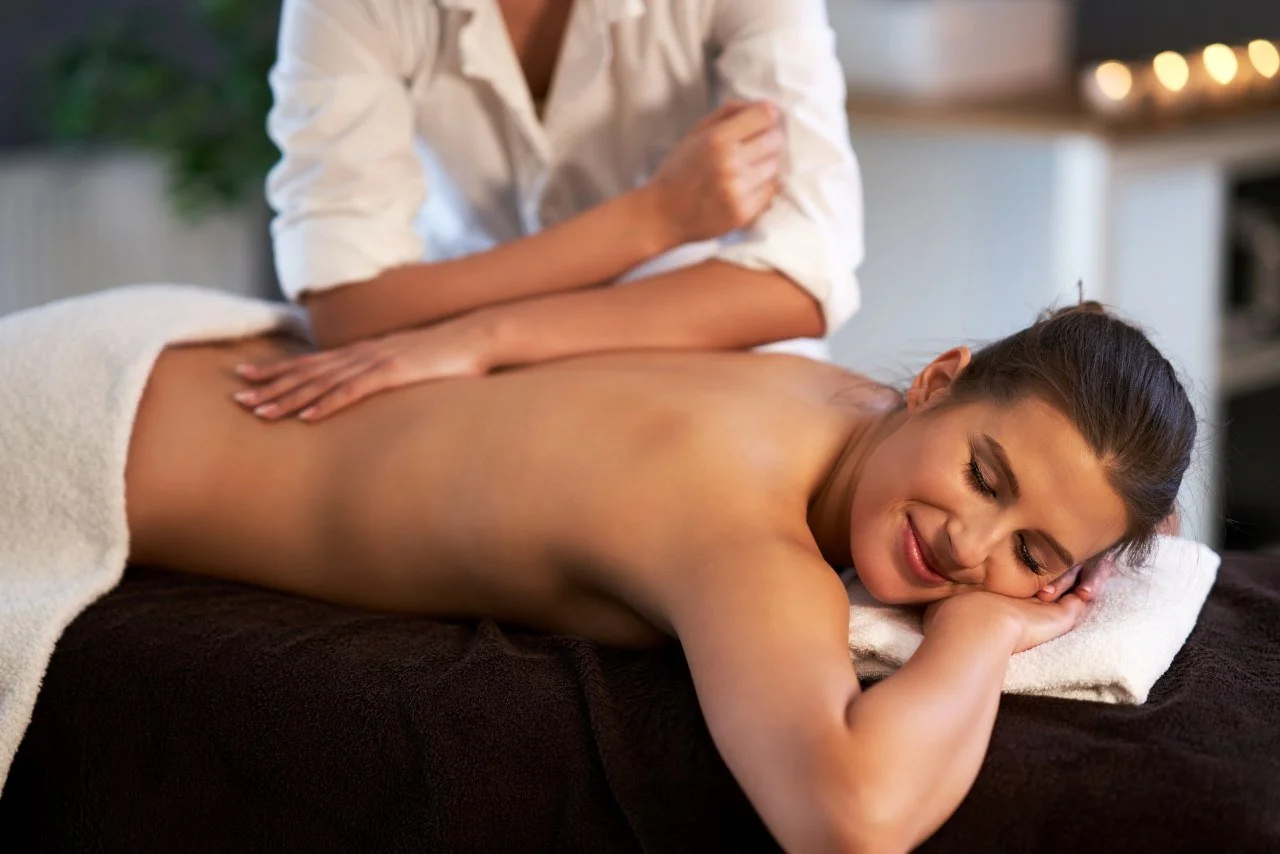
The service goes beyond individual sessions to offer comprehensive corporate wellness programs:

  • Comprehensive corporate wellness programs
  • On-site massage therapy for teams
  • Customisable programs for different departments
  • Direct impact on productivity and job satisfaction

These programs can be customised to address the specific needs of different departments or roles within an organisation.

Every aspect of the service reflects a commitment to excellence. From the high-quality organic oils and professional-grade equipment to the thorough screening and training of therapists, The Royal Masseur maintains standards that rival the finest spa facilities. The difference is that this premium experience comes to you, creating a seamless integration of wellness into your professional and personal life.

Can you imagine having access to therapeutic relief exactly when and where you need it most?

The Royal Masseur makes this convenience a reality, providing busy professionals with a practical solution for maintaining their physical and mental wellbeing without compromising their demanding schedules.

Understanding the Diverse World of Massage and Bodywork

Professional deep tissue massage techniques demonstration

Massage encompasses various therapeutic approaches, each designed to address specific physical and mental needs. Understanding these different modalities helps you make informed decisions about which type of treatment best suits your lifestyle and health goals.

Massage TypeBest ForKey BenefitsIdeal Candidates
TherapeuticGeneral wellnessImproved circulation, muscle tension reliefDesk workers, general stress
Deep TissueChronic painReaches deeper muscle layers, persistent knotsAthletes, chronic pain sufferers
RemedialSpecific injuriesTreats musculoskeletal issues, improves range of motionInjury recovery, work-related strain
SwedishRelaxationStress reduction, improved sleep qualityNew to massage, mental stress focus
SportsAthletic performanceInjury prevention, performance improvementAthletes, active individuals

Therapeutic massage forms the foundation of most professional bodywork. This approach focuses on improving circulation, reducing muscle tension and promoting overall relaxation through targeted pressure techniques. Men who spend considerable time at desks or engage in regular physical activity often find therapeutic massage particularly beneficial for maintaining muscle health and preventing chronic pain. The therapist uses a combination of long strokes and focused pressure to address areas of tension while promoting blood flow throughout the body.

Deep tissue massage takes a more intensive approach, applying firmer pressure to reach the deeper layers of muscle tissue. This modality proves especially valuable for men dealing with persistent knots, chronic pain, or muscle stiffness that doesn’t respond to lighter touch. Athletes and physically active individuals frequently choose deep tissue work to address specific problem areas and maintain optimal muscle function. The technique can produce some temporary soreness, but many clients find the long-term relief well worth this minor discomfort.

Remedial massage focuses specifically on treating musculoskeletal issues and injuries. This therapeutic approach involves assessment and treatment of specific conditions, often incorporating stretching and movement to improve range of motion and function. Men recovering from sports injuries or dealing with work-related strain patterns benefit significantly from remedial techniques that address the root causes of their discomfort rather than just the symptoms.

Swedish massage remains popular for those seeking deep relaxation and stress reduction. This gentle yet effective technique uses flowing strokes to improve circulation, reduce stress hormones and promote overall well-being. The method works particularly well for men new to massage or those primarily seeking relief from mental stress rather than specific physical issues. Regular Swedish massage sessions can help lower blood pressure, improve sleep quality and boost immune function.

How Do You Know Which Approach Will Work Best For Your Specific Needs?

The answer often depends on your current physical condition, stress levels and personal preferences. Sports massage caters to athletes and active individuals, focusing on preventing injuries and improving performance. Hot stone massage uses heated stones to warm muscles and promote deeper relaxation. Aromatherapy massage incorporates essential oils to address both physical tension and emotional stress.

Professional mobile massage services like The Royal Masseur typically offer multiple modalities, allowing therapists to customise each session based on your specific requirements. This flexibility means you can address different needs at different times, whether you’re dealing with acute stress, chronic pain, or simply want to maintain optimal physical condition.

The Profound Benefits of Massage for Modern Men

Untitled-design-90-626x1356x0x402x626x470x1713653902.png

Regular massage therapy offers comprehensive benefits that extend well beyond the treatment room. For busy professionals managing high-stress environments, these advantages translate into improved performance both at work and in personal life.

Stress reduction represents one of the most immediate and noticeable benefits. Massage therapy directly impacts the body’s stress response system, lowering cortisol levels and reducing the production of stress hormones that contribute to anxiety and tension. Many men report feeling mentally clearer and more focused after sessions, with improved ability to handle challenging situations and make important decisions. This mental clarity often persists for days following treatment, providing sustained benefits that support professional effectiveness.

“Regular massage therapy has been shown to reduce cortisol levels by up to 31% while increasing serotonin and dopamine levels, creating measurable improvements in both physical and mental well-being.” – Dr. Tiffany Field, Touch Research Institute, University of Miami School of Medicine

Physical performance improvements are equally significant. Regular massage helps:

  1. Maintain optimal muscle function
  2. Reduce stiffness and improve flexibility
  3. Enhance circulation for better oxygen delivery
  4. Support higher activity levels with less discomfort
  5. Boost overall energy throughout demanding days

Men who incorporate massage into their wellness routines often find they can maintain higher activity levels with less discomfort. Better circulation means more efficient oxygen delivery to muscles and organs, supporting overall energy levels throughout demanding days.

Sleep quality improvements frequently surprise new clients. The deep relaxation achieved during massage sessions often carries over into better nighttime rest. Improved circulation and reduced muscle tension create optimal conditions for restorative sleep, which is crucial for recovery and maintaining peak performance. Many professionals find that better sleep translates directly into improved concentration and productivity the following day.

Why Do So Many Successful People Make Massage Therapy A Regular Part of Their Wellness Routine?

The answer lies in understanding that physical wellbeing directly supports professional success. Immune function improvements from regular massage help reduce sick days and maintain consistent energy levels. The increased body awareness that develops over time helps identify and address stress patterns before they become serious problems.

Pain management benefits cannot be understated. Many professional men deal with chronic issues like back pain, neck tension, or headaches related to their work environment. Regular therapeutic treatment addresses these problems at their source, often reducing or eliminating the need for pain medications. This natural approach to pain management supports long-term health while maintaining the mental clarity needed for demanding professional responsibilities.

The holistic impact of massage therapy creates a positive cycle where physical improvements support mental well-being, which in turn supports better decision-making and professional performance. This interconnected benefit system makes massage therapy not just a luxury but a strategic investment in maintaining peak performance across all areas of life.

How to Choose the Right Massage Therapist in Sydney

Selecting the right massage therapist requires careful consideration of several important factors. Your choice will significantly impact both the quality of your experience and the therapeutic benefits you receive.

Professional credentials should be your first consideration. Look for therapists who hold current certifications from recognised massage therapy schools and maintain active memberships in professional associations. These qualifications indicate not only proper training but also ongoing commitment to professional standards and continuing education. The Royal Masseur maintains strict standards for therapist selection, ensuring all team members possess both the technical skills and professional demeanore expected by discerning clients.

Key selection criteria include:

  • Professional certifications and current credentials
  • Positive client testimonials and reviews
  • Privacy and discretion policies
  • Service specialisation matching your needs
  • Scheduling flexibility for busy professionals
  • Thorough consultation process
  • Clear communication and professional boundaries

Client testimonials and reviews provide valuable insights into real-world experiences. Pay attention to feedback that specifically addresses professionalism, technique effectiveness and overall satisfaction. Look for patterns in reviews that indicate consistent quality and reliable service delivery. However, remember that individual preferences vary and what works well for one person may not suit your specific needs.

Privacy and discretion are particularly important for busy professionals who value confidentiality. Professional therapists understand the importance of maintaining client privacy and should clearly explain their policies regarding confidentiality and professional boundaries. Mobile massage services offer additional privacy advantages by providing treatment in your preferred location, eliminating concerns about being seen entering or leaving massage establishments.

Service specialisation matters significantly when addressing specific health concerns or preferences. Some therapists focus primarily on relaxation techniques, while others specialise in deep tissue work or injury rehabilitation. Athletes might prefer therapists with sports massage expertise, while executives dealing with stress-related tension might benefit more from therapists skilled in stress reduction techniques.

Scheduling flexibility becomes crucial for busy professionals with unpredictable schedules. Mobile services like The Royal Masseur offer significant advantages in this area, providing same-day appointments and flexible timing that accommodates demanding work schedules. This convenience factor often determines whether massage therapy becomes a regular part of your wellness routine or remains an occasional indulgence.

How Important Is The Initial Consultation Process In Determining Compatibility?

The consultation process reveals a great deal about a therapist’s professionalism and approach to client care. Professional therapists conduct thorough assessments of your health history, current concerns and treatment goals before beginning any bodywork. This attention to detail indicates a therapist who takes their work seriously and prioritises client safety and satisfaction.

Communication style also matters significantly. You should feel comfortable discussing your needs and concerns openly with your therapist. Professional boundaries should be clear from the beginning, creating a safe environment where you can relax completely during treatment. The best therapists encourage feedback during sessions and adjust their approach based on your responses.

Location considerations extend beyond simple convenience to include factors like parking availability, accessibility and overall environment quality. Mobile services eliminate most of these concerns by bringing professional treatment directly to your preferred location, whether that’s your home, office, or hotel room.

What to Expect During Your Male Massage Session

Understanding what happens during a professional massage session helps first-time clients feel more comfortable and allows experienced clients to maximsze their therapeutic benefits.

The pre-session consultation forms the foundation of effective treatment. Your therapist will ask detailed questions about your health history, current areas of concern and treatment goals. This conversation might cover topics like injury history, stress patterns, work environment challenges, and lifestyle factors that could impact your physical wellbeing. Professional therapists take this information seriously, using it to customise their approach for maximum effectiveness and safety.

Creating the proper therapeutic environment involves more than just dimming lights and playing soft music. Professional mobile massage services like The Royal Masseur arrive with all necessary equipment to transform your chosen space into a proper treatment room. This includes professional massage tables, high-quality linens, organic oils and ambient elements that promote relaxation. The goal is to create an environment where you can disconnect from daily stresses and focus entirely on the therapeutic experience.

The massage process itself typically begins with lighter pressure to warm muscles and assess tissue condition. Your therapist will gradually increase pressure as needed, checking regularly for your comfort and preferences. Professional therapists maintain clear communication throughout the session, encouraging you to speak up if anything feels uncomfortable or if you’d like adjustments to pressure or technique.

Different areas of your body will receive attention based on your specific needs and the assessment conducted during consultation. Common focus areas for professional men include the neck and shoulders (often tight from computer work), the lower back (stressed by poor posture and sitting), and areas specific to your individual concerns or activities.

What Should You Communicate During The Session To Ensure Optimal Results?

Open communication enhances both comfort and therapeutic effectiveness. Don’t hesitate to request pressure adjustments, whether you need lighter touch in sensitive areas or deeper work in chronically tight muscles. If you feel any discomfort beyond normal muscle soreness, speak up immediately. Professional therapists appreciate feedback that helps them provide the most beneficial treatment possible.

Post-session guidance helps maximise the benefits of your treatment. Your therapist may recommend specific stretches, hydration protocols, or activity modifications that support the work accomplished during your session. Some temporary soreness is normal after deep tissue work, but understanding what to expect helps you distinguish between beneficial therapeutic effects and potential problems.

Follow-up recommendations often include suggestions for session frequency based on your specific needs and goals. Someone dealing with chronic stress might benefit from weekly sessions initially, while maintenance treatments might occur monthly once optimal condition is achieved. The Royal Masseur works with clients to develop sustainable treatment schedules that fit both their needs and budgets.

The entire experience should leave you feeling relaxed but energised, with noticeable reduction in tension and improvement in overall well-being. These positive effects typically last several days and often improve with regular treatment as your body adapts to reduced stress levels and improved muscle function.

Complementary Wellness in Sydney

Massage works most effectively as part of a comprehensive wellness approach that addresses multiple aspects of health and wellbeing. Sydney offers numerous complementary services that work synergistically with regular massage therapy to support optimal physical and mental performance.

Complementary services include:

  • Toga and specialised movement classes
  • Spa and sauna facilities for heat therapy
  • Mental health and coaching services
  • Corporate wellness programs
  • Nutritional counselling
  • Sleep optimisation coaching
  • Exercise programming

Yoga and specialised movement classes provide excellent support for massage therapy benefits. These practices help maintain the flexibility and improved posture achieved through bodywork while building strength and body awareness. Several Sydney studios offer classes, focusing on practical benefits like core strength, flexibility for athletes and stress reduction techniques that complement therapeutic massage. The combination of regular massage and movement practice creates a powerful foundation for long-term physical health.

Specialised spa and sauna facilities add another dimension to wellness routines. Heat therapy supports muscle recovery and circulation improvements achieved through massage, while the social aspects of these facilities provide stress relief and community connection. Some men find that alternating between massage therapy and heat treatments creates more comprehensive relaxation and recovery than either approach alone.

Mental health and coaching services address the psychological aspects of stress and performance that physical treatments alone cannot fully resolve. Many wellness-focused professionals now integrate bodywork with coaching or counselling services, recognising that physical tension often reflects mental and emotional stress patterns. This holistic approach helps identify and address root causes of stress rather than just treating symptoms.

Corporate wellness programs represent a growing area where multiple services combine to support employee health and productivity. Progressive companies partner with services like The Royal Masseur to provide comprehensive wellness offerings that might include on-site massage, stress management workshops, and ergonomic assessments. These programs recognise that employee well-being directly impacts business performance and create sustainable approaches to maintaining healthy, productive teams.

Can Combining Different Wellness Approaches Provide Better Results Than Relying On Massage Alone?

The answer is generally yes, particularly for men dealing with complex stress patterns or multiple health concerns. Nutritional counselling helps address energy and recovery needs that support the benefits of massage therapy. Sleep optimisation coaching works with massage-induced relaxation to improve rest quality. Exercise programming ensures that improved flexibility and reduced tension achieved through bodywork translates into better physical performance.

The key is finding combinations that work with your lifestyle and schedule rather than creating additional stress through overcommitment to wellness activities. Mobile services like The Royal Masseur provide flexibility that makes it easier to maintain consistent self-care practices without disrupting work responsibilities or family time.

Professional guidance helps determine which complementary approaches will provide the most benefit for your specific situation. Some men benefit most from combining massage with stress reduction techniques, while others find that adding fitness coaching or nutritional support creates the best results. The goal is creating a sustainable wellness routine that supports your professional success and personal wellbeing over the long term.

Conclusion: Elevating Your Wellbeing with Massage in Sydney

Sydney massage services have evolved to meet the sophisticated needs of modern professionals who understand that physical wellbeing directly supports career success and personal satisfaction. The therapeutic benefits extend far beyond temporary relaxation to encompass improved focus, better stress management, enhanced physical performance and sustained energy levels that support peak performance in all areas of life.

The convenience of premium mobile massage services transforms self-care from a time-consuming luxury into a practical necessity that fits seamlessly into demanding schedules. Services like The Royal Masseur recognise that busy professionals need flexibility and quality, delivering five-star experiences directly to your preferred location without compromising on therapeutic effectiveness or professional standards.

Regular massage therapy represents an investment in your most valuable asset – your health and performance capacity. The cumulative benefits of consistent treatment create positive changes that compound over time, supporting not just immediate relief but long-term wellness and professional effectiveness.

Making self-care a priority through professional massage therapy demonstrates the same strategic thinking that drives business success. By addressing stress and physical tension proactively, you maintain the energy and focus needed to excel in demanding professional environments while enjoying better health and life satisfaction.

Take the first step toward integrating premium wellness into your routine. Experience the difference that professional, convenient massage therapy can make in your daily performance and overall quality of life. Your body and career will benefit from this strategic investment in sustained well-being and peak performance.

FAQs About Massage in Sydney

What does a massage involve?
A massage session involves customised therapeutic techniques ranging from relaxation-focused Swedish massage to intensive deep tissue work. Sessions are tailored to address individual needs such as stress reduction, chronic pain relief, or muscle recovery, delivered in a professional, comfortable environment that prioritises your specific health goals and comfort preferences.

What types of massage services do massage therapists provide?
Professional massage therapists in Sydney offer therapeutic massage, deep tissue therapy, Myotherapy for injury rehabilitation remedial treatment for injuries, Swedish relaxation massage, sports massage for athletes, hot stone therapy and aromatherapy sessions. Each modality addresses different aspects of physical and mental wellbeing, allowing for customised treatment approaches.

How do I know if a massage therapist is right for me?
Research therapist credentials and certifications, read detailed client testimonials, and schedule an initial consultation to discuss your specific needs and goals. Professional services like The Royal Masseur maintain high standards for therapist selection and provide detailed information about their team’s qualifications and specialisations.

What should I expect during my first massage session?
Expect a comprehensive consultation discussing your health history and treatment goals, followed by a professional massage in a comfortable, private setting with proper draping and ongoing communication. Your therapist will check pressure preferences and comfort levels throughout the session while maintaining clear professional boundaries.

Are there health benefits beyond mere relaxation?
Yes, professional massage therapy provides significant health benefits including reduced stress hormone levels, improved immune system function, better circulation, increased flexibility, pain relief and enhanced sleep quality. Regular sessions support both immediate relief and long-term wellness improvements that benefit professional and personal performance.

“Massage therapy activates the parasympathetic nervous system, which is responsible for the body’s ‘rest and digest’ response, leading to measurable reductions in stress hormones and improvements in immune function.” – Dr. Mark Hyman Rapaport, Cedars-Sinai Medical Center

What measures do massage therapists take to ensure privacy and comfort?
Professional therapists maintain strict client confidentiality, use proper draping techniques, establish clear professional boundaries and follow rigorous hygiene protocols. Mobile services like The Royal Masseur provide additional privacy by delivering treatment in your preferred location, eliminating concerns about public spa environments while maintaining professional standards.

Posted on 2 Comments

7 reasons why you should seek remedial massage therapy for lower back pain!

massage on a table in an office

7 Reasons Why You Should Seek Remedial Massage Therapist For Lower Back Pain!

Remedial massage therapy can be a viable option for addressing lower back pain in some cases, but it’s important to note that the effectiveness of remedial massage can vary from person to person. Here are a few considerations:

Muscular Tension and Relaxation

If your lower back pain is primarily due to muscle tension or tightness, remedial massage therapy can help. A skilled remedial massage therapist can work on releasing tension in the muscles, promoting relaxation, and improving blood circulation.

Caution with Underlying Conditions

If your lower back pain is caused by an underlying medical condition such as a herniated disc, arthritis, or spinal stenosis, remedial massage will assist with improving circulation and relieving tension around the affected area. However, referring to a Myotherapist, Physio, Osteo or Chiro would be better suitable for the job at hand as the experience and qualifications speaks volume.

There’s no One Size Fits All

Everyone has an opinion about what could be the problem or what could be wrong when it comes to someone’s body. Their friend had this and someone said to do this. Every human body is the same, yet so far apart from the individual next to you. We live different lives, we function differently, we eat different, we move differently and have different genes. Focus on yourself, get the right advice and support relating to you and you only.

Consult with a Healthcare Professional

When experiencing lower back pain, it’s advisable that you are seeking the correct professional help that can assess you and your body in a holistic approach to determine the root cause of the pain. With the correct assessment, they can help identify the root cause of your pain and recommend an appropriate treatment plan.

Complementary Approach

Remedial massage therapy can be used as a complementary approach alongside other treatments such as physical therapy, exercise, and medication. It’s often more effective when combined with a holistic treatment plan.

Qualified Remedial Massage Therapist

If you decide to try remedial massage therapy, make sure to choose a qualified and licensed massage therapist. They should have experience in treating musculoskeletal issues and a good understanding of anatomy. If not, seek out a Myotherapist, Physio, Osteo or Chiro who have a plethora of skills and knowledge in these areas.

Communication with the Therapist

Communication is vital. Communicate openly with the therapist about your specific symptoms, pain levels, and any concerns you may have. This will help them tailor the massage to your individual needs and create a structured plan accordingly.

Remedial massage therapy can be a helpful component of a comprehensive approach to managing lower back pain, especially when muscular tension is a significant contributor. However, it’s crucial to seek the correct healthcare professional and consider the underlying cause of your pain before relying solely on medication, doctors or from what other individuals say.

Taking the first step is better than taking no step at all. Look after your body as it’s the only place you have to live in forever.

massaging a person face down

Posted on 3 Comments

What Is The Difference Between Myotherapy and Remedial Massage?

massaging a person face down

Myotherapy and Remedial Massage

What is the difference between Myotherapy and Remedial Massage?

a massage therapist massaging a client s back
Photo by Anna Tarazevich on Pexels.com

The difference between a Myotherapist and a Remedial Massage therapist is that a Myotherapist will treat both the immediate symptoms and the underlying cause of the problem, while a Remedial Massage therapist will only treat the symptoms.

Soft tissue pain and restricted joint movement can be treated with myotherapy, which is a form of physical therapy. Myofascia are sheets of tissue that surround and divide muscles. The bundled myofascia is comprised of bones and muscles.

massage on a table in an officeMassage and Trigger point therapy are used by myotherapists. Using exercises, stretches, or hands-on manipulation, physical therapists can help you move better. It targets pain that is caused by muscles and nerves. There is a wide range ofMusculoskeletal problems.
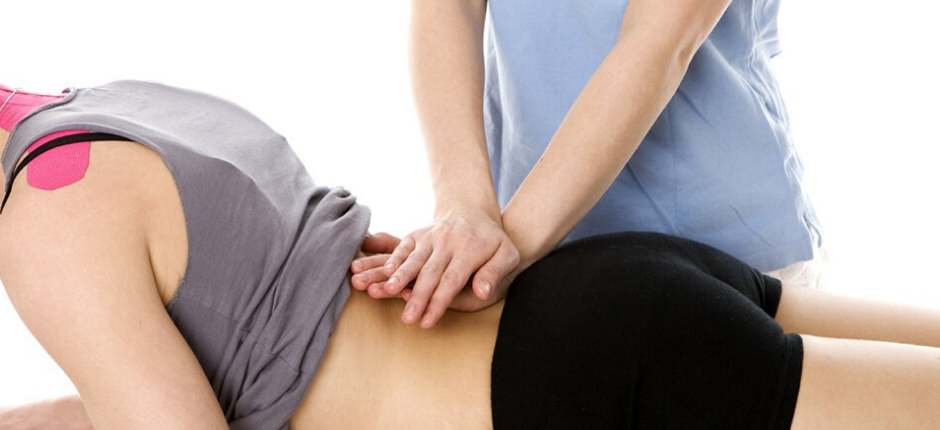
There are treatments that help with Sciatica and Disc Injury. Soft tissue work, cupping and Myofascial Release are some of the techniques that work well for people with Sciatica and Disc Injury.

lady on stomach receiving myotherapyAlthough there is no cure for most types of arthritis, Myotherapy can help people take control and live well with the condition. What is the difference between myotherapy and remedial massage?
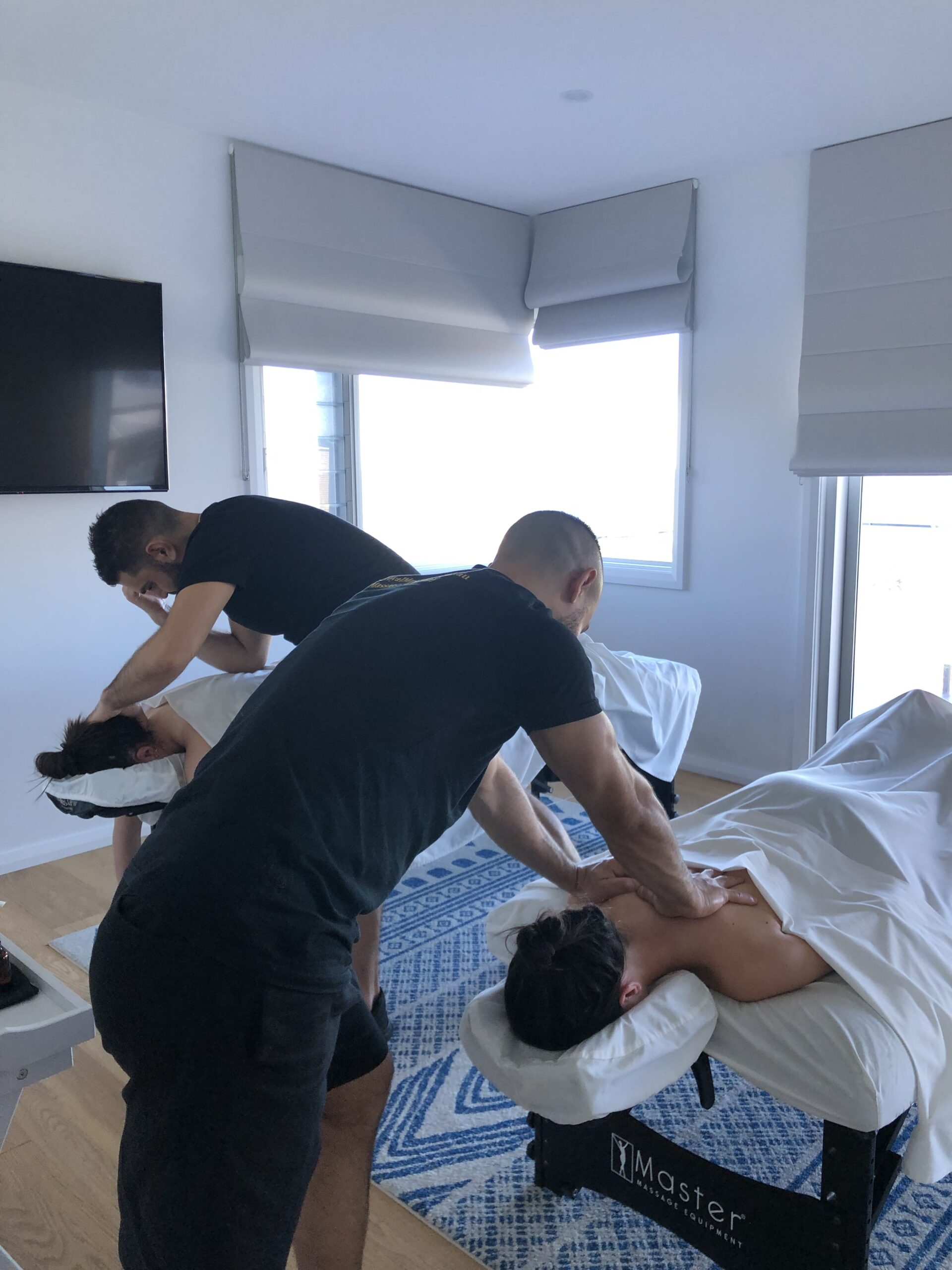
In Conclusion

Myotherapists work closely with other health care practitioners to assess and treat muscles, joints and nerves, whilst having access to an array of tools to diagnose and rehabilitate injuries, while remedial massage uses hands-on treatment.

Posted on 8 Comments

Mobile Massage Sydney – How To Find The Right Mobile Massage Therapist For Your Needs

massuers doing table massage

Mobile Massage Near You

massage table set outdoors

Sydney is packed with businesses offering all types of massage services, both on-site and mobile. The words ‘mobile massage’ can even have a sexual connotation. However,  for the readers of this blog, we are only interested in the best mobile massage offering a unique service that allows people to enjoy a relaxing massage in their home or office. There are all sorts of different styles of massage, from rehabilitative to therapeutic to deep tissue and Swedish massage. Some therapists use only natural oils and lotions/creams to provide a soothing experience for clients, whilst others provide ‘hot rocks’ and aromatherapy as well.

Here at The Royal Masseur, we offer massages in your home, office or hotel and also offer special rates for corporate massage and couples massages where you connect with family and friends to enjoy a phenomenal experience.

Why Do You Need A Mobile Massage?

There are many reasons why you might need a mobile massage. It could be because you’re looking to relax after a stressful day at work, or maybe you just want to unwind before bedtime.  Also, you may need to reduce pain, muscle soreness and tension from your repetitive daily movements. But over the years, we’ve figured out the trigger to why people need a mobile massage. It’s because we lack the time to go out and seek a massage elsewhere. Being at home or in your hotel or office, you have the convenience and comfortability to get treated on your time not someone else’s.  A proper massage also helps in improving circulation, energy and alertness. Lowering heart rate and blood pressure. Whatever the reason, there’s no better way to achieve that than by pampering yourself in the comfort of where you are.

What Are Some Of The Benefits Of Having A Mobile Massage? (And Which Ones Should Be Top Of Mind?)

The Royal Masseur massaging man on a massage tableIf you’ve never had a mobile massage before, then you probably aren’t aware of how much of an impact they can have not only on your body but on your time. The extra time you have not driving too and from the clinic, sitting in traffic and being stressed out for no good reason, and having the freedom to roll straight into bed or the couch after your session. In fact, most people report feeling addicted after having just one. This is because therapists use different techniques to help you relax and achieve your goals. These include dry-needling, cupping, Remedial, Swedish, deep tissue, sports, reflexology, and hot stone therapy. However, you should keep in mind the creditations of the masseurs and make sure they fully understand which type of massage would best suit you for your current situation, mindset and condition.
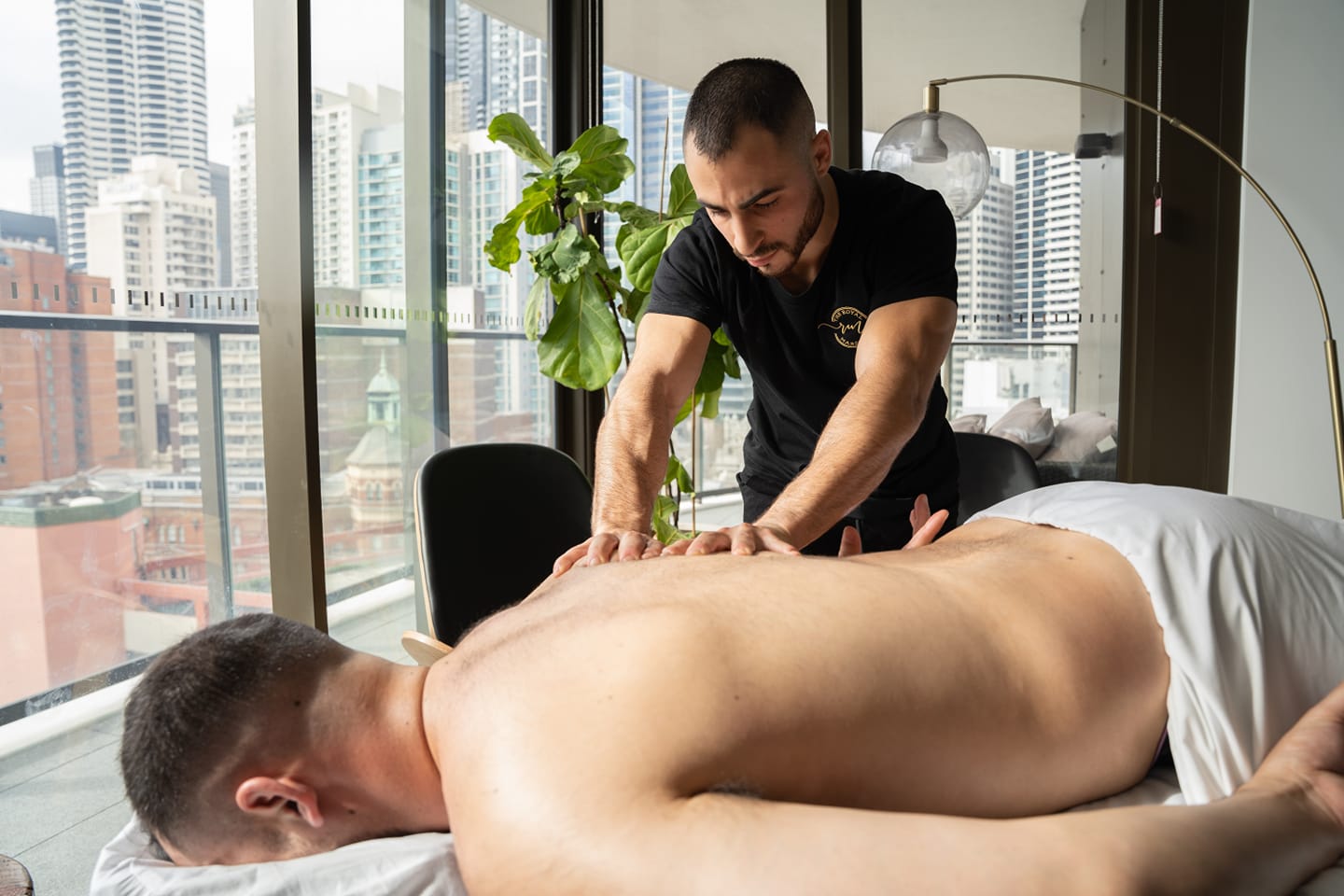
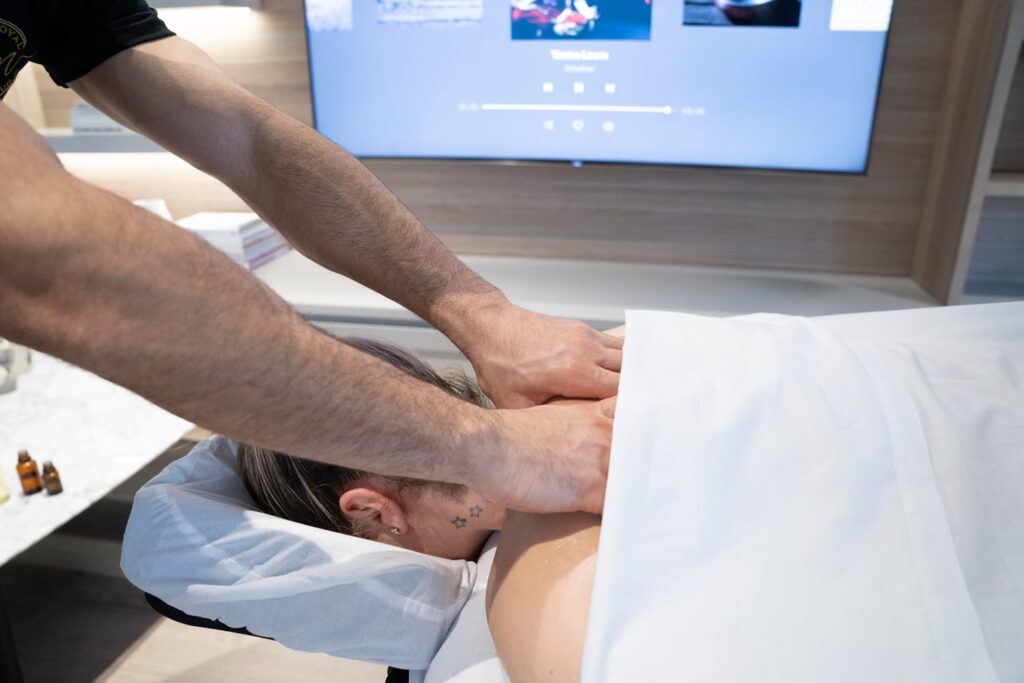
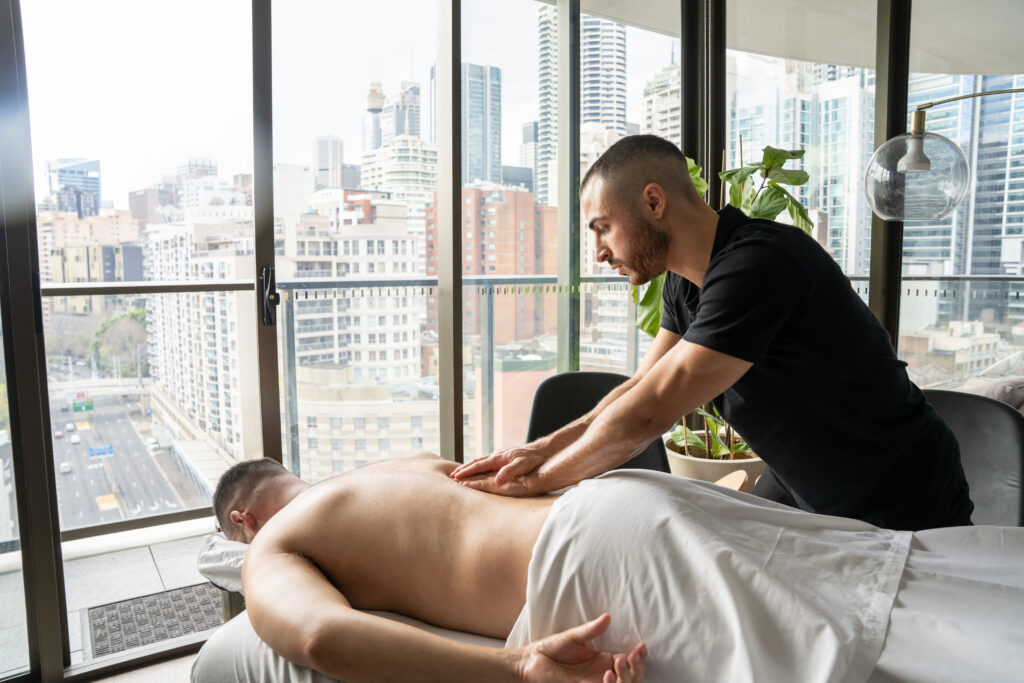
How Can I Find The Best Mobile Massage Therapists In My Area?

Finding the right mobile massage therapist for you isn’t as easy as it sounds. You need to consider several things when choosing a mobile massage therapist. First, make sure they’re licensed by the state where they practice. Next, find out whether they offer any additional services such as dry-needling, cupping and/or aromatherapy. Finally, ask them about their training, certifications and experience. You can find all these on our website. Also, are you possibly covered by your health fund, we take all these into consideration when booking your massage in Sydney and surrounding NSW areas.

How Long Does A Mobile Massage Take?

There’s no set length for a mobile massage session. It depends on how much work needs to be done and how long the client wants to have. Most clients will spend either 60 minutes or 90 minutes at a mobile massage session. We charge according to the duration of each session.

Is There Anything Else That I Should Know Before Booking My First Mobile Massage?

You’ll need to make sure that the mobile massage therapist has the right training and certification to perform the services you’re looking for. If you’re not comfortable with the idea of having a stranger enter your home, then you might want to consider a massage clinic instead. We are fully accredited, insured and have over 6 years of experience with sports, home and pregnancy massage.

Contact The Royal Masseur now and lets discuss your next massage ✔

Posted on 4 Comments

What Is A Remedial Massage?

the owner, Jeremy massaging a client

Remedial Massage

Remedial massage is basically a variety of therapeutic techniques which can be used to assess and treat damaged areas in your body, such as muscles, tendons, ligaments and connective tissues. Through this systematic approach we can assist the body in rehabilitation, pain and injury management.

massaging a person face down

What Is The Difference Between Remedial Massage & A General Massage?

There’s a big difference between massage and remedial massage. In general, massage is designed to relieve muscle tension and restore joint range of motion. Deep tissue and/ or relaxation massages are wonderful as they improve general health & well-being, whereas remedial massages focuses on the areas that need rehabilitation and/or managing pain within the body.

For best results, all sessions begins with a systematic assessment of the body to determine which treatment plan will be best suited for you. Whether that is a remedial massage or deep tissue/ relaxation massage, you will be left feeling highly satisfied and see an overall improvement within your body.

What Can I Expect From A Remedial Massage?

Remedial massage is one of the most effective treatments for a wide range of issues such as aches, pains, sports injuries and headaches.

There are several techniques that may be used to help you reduce pain or heal an injury, such as trigger point therapy, cupping, deep tissue massage. 

The main goals of remedial massage are:

  • to reduce muscle tensions to promote the return of normal soft tissue length & joint Range Of Motion.
  • to increase the flow of blood and lymph, particularly to injured areas.
  • remove any adhesion/tension, damaged cells and scar tissue resulting from injury.
  • to manage pain and injuries during rehabilitation.

What Is Better Deep Tissue or Remedial Massage?

Deep tissue massage is the best type of massage for those seeking an all-over body massage. It’s excellent for treating anxiety & muscle tension, tight joints, stimulating circulation, and also helps promote stress reduction & relaxation.

Remedial massage is a focused treatment and ideal for those with chronic pain and injuries that requires an in-depth approach and diagnosis.

The Royal Masseur massaging man on a massage table


Should You Be Sore After Remedial Massage?

Depending on the severity of your body’s condition will determine the ‘soreness’ you’ll be feeling post-massage.

You should definitely feel more energy after a massage and improved movement around your joints.

The initial pain you feel is your body repairing all the muscle tissues which were manipulated during your session. This is an automatic internal response as your body heals itself.

A massage is a great way to make your muscles feel relaxed. It can also help ease soreness, reduce injuries and relieve stiffness.

How Often Should You Get Remedial Massage?

Regular massage is essential for maintaining good health and well-being. It helps keep our systems working optimally, and it can prevent serious injury from repetitive strains and bad daily habits.

Maintenance massage is recommended every 3 weeks, otherwise monthly treatments will suffice depending on your life’s schedule.