Posted on Leave a comment

Everything You Need to Know About Postnatal Massage in Sydney

woman on her side receiving a massage

Post Natal Massage to assist new mums with recovery

There’s something wild about bringing a new life into the world, right? But after all the joy, there’s that sneaky exhaustion and bodily ache that seem to tag along for the ride. You know that moment when you’ve barely caught your breath, and your body reminds you it just went through a marathon—only this one lasted hours and changed everything.

Postnatal massage isn’t just a luxury—it can be a game changer for mums in Cleveland, Redland Bay, and beyond. It’s like hitting the reset button on your body, easing the tension that settles deep into muscles after pregnancy and childbirth. Imagine a gentle touch that isn’t just relaxing but also supports your recovery, reduces swelling, and helps reboot your energy.

Have you ever noticed how so many mums shrug off their own need for self-care because they’re busy looking after everyone else? It’s understandable, but here’s the thing: taking time for a postnatal massage can actually make you better at everything else you have to do. It’s not selfish—it’s smart.

So, what makes postnatal massage different from your regular massage session? It’s designed specifically to target the unique changes your body has gone through. From soothing lower back pain to addressing pelvic discomfort and encouraging better circulation—these sessions offer more than just momentary relief. They create space for healing and replenishing, which we all deserve after such a huge life event.

If you’re curious about how to find the right massage experience that fits your new life’s rhythm, we’ve got your back. You might even want to peek at how other wellness habits can complement this—like our [guide to supporting recovery postpartum](https://www.mcdougallweldments.com.au/blog/industrial-welding-excellence-why-western-australian-businesses-choose-mcdougall-weldments-for-superior-results) (yes, even in unlikely places!).

Let’s dive into what postnatal massage really is, why it matters, and how it can help you—not just survive but start feeling like yourself again.

TL;DR

Imagine finally giving your tired post-baby body a real break with postnatal massage. It’s more than pampering — it targets aches, eases swelling, and helps you bounce back faster.

Wondering if it’s worth your time? Trust me, investing in this healing touch can transform how you feel each day.

Understanding Postnatal Massage: Benefits for New Mothers

Let’s be real: giving birth is incredible, but it’s also one heck of a physical and emotional marathon. Your body has just done something extraordinary, and it’s screaming for some TLC. That’s where postnatal massage steps in—not just a luxury, but a smart, holistic way to help you heal and find your footing again.

Why Your Body Deserves More Than Just Rest

After pregnancy and labour, your muscles, joints, and even your hormones are all out of whack. You might be dealing with real-life aches in your lower back, shoulders from all that baby-holding, and general tension that says, “Hey, I need attention here!” Postnatal massage targets those stubborn knots and helps relax tight muscles while improving circulation. Better blood flow means quicker removal of waste, less swelling, and a boost to your natural recovery processes.

Just imagine easing that persistent soreness without reaching for painkillers. That alone feels like a win, right?

Hormones, Mood Swings, and the Power of Touch

Did you know massage can influence hormone levels? It’s not just fluff—postnatal massage reduces cortisol, the stress hormone that can make you feel wired or overwhelmed. At the same time, it promotes the release of serotonin and dopamine, which help lift your mood and soothe anxiety. It’s like a reset button for your emotions, helping you ride out those unpredictable hormonal waves that come in the postnatal period.

And this isn’t just personal experience talking—studies have shown massage can ease symptoms of postpartum depression. So if you’re struggling with those heavier moments, a gentle massage might be a helpful piece of your self-care puzzle.

Better Sleep = Better Everything

Ever notice how after a massage you just want to crash? That’s a good thing. Sleep is golden when you’re recovering from childbirth. Postnatal massage encourages deep relaxation, making it easier to fall into restful sleep, even if it’s in shorter bursts between feeding and diaper changes. More quality sleep means your energy returns faster, and that can make the difference between dragging through the day and actually enjoying those new baby snuggles.

What if you could actually reclaim some of your peace in this whirlwind? Postnatal massage might be the welcome break that helps you do exactly that.

Supporting Breastfeeding – Yes, Massage Can Help

Breastfeeding isn’t always the dream it’s cracked up to be. Sometimes, tight chest muscles or blocked milk ducts cause pain and frustration. A skilled therapist can carefully use massage to relieve tension, improve circulation in the chest area, and stimulate milk flow. This can make breastfeeding more comfortable—for both you and baby.

Just a quick heads-up: always check with your therapist about techniques, especially since some direct breast massage isn’t legal everywhere and some positions might feel better depending on your unique situation.

Finding the Right Support for Your Journey

Not all massages are created equal, especially after giving birth. Look for therapists who specialize in postnatal or perinatal massage—they get the unique needs and sensitivities involved. Comfort is key: some mums enjoy lying face-down again, while others prefer side-lying to avoid pressure. It’s all about what feels right for you.

And hey, if you’re curious to explore more ways to nurture yourself or curious about supportive services for your wellbeing, you might want to check out our main blog page for ongoing tips and insights.

So, what does this all mean? Postnatal massage is more than a fleeting pamper session—it’s a grounded, deeply healing practice that supports you physically and emotionally. It’s not about quick fixes; it’s about giving your body the care it truly deserves, so you can show up as your best self for you and your little one.

Ready to give it a go? Starting with just one carefully tailored session might be all it takes to feel the difference. After all, you’ve just done one of the most challenging things ever—don’t you owe yourself that break?
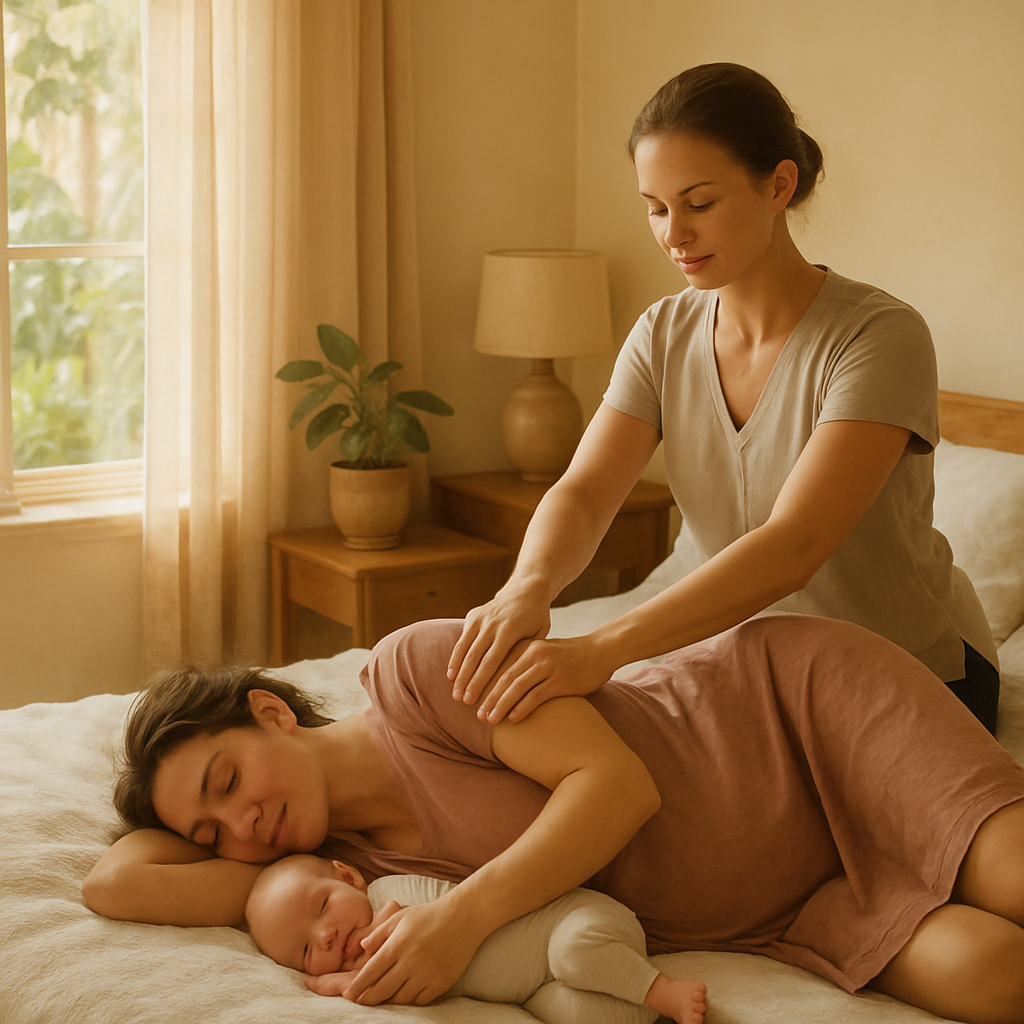
A calm and peaceful scene of a new mother receiving a gentle postnatal massage in a sunlit room. Alt: Postnatal massage providing relaxing therapeutic benefits for new mothers in Queensland.

How to Choose the Right Postnatal Massage Therapist in Cleveland and Redland Bay

Picking the right postnatal massage therapist isn’t just about who’s closest or cheapest. It’s personal. You’ve been through a whirlwind—your body and mind have been stretched in ways few can understand. So, finding someone who really *gets* you is a game changer.

Let’s be honest: you don’t want just any massage; you want a session that respects where you’re at physically and emotionally. So how do you even start the search in places like Cleveland or Redland Bay?

Look for Specialised Knowledge

The first thing? Find therapists who have specific experience with postnatal massage. Why? Because your body right now isn’t the same as before pregnancy. Specialised therapists understand the sensitivity around things like diastasis recti, c-section scars, or pelvic floor issues and won’t just treat the surface.

Don’t hesitate to ask upfront about their qualifications or training in postnatal care. A great resource for understanding the benefits and workings of massage therapy overall is the Sydney massage’s guide to massage therapy, which also highlights why experience in specialized fields matters.

Trust Your Comfort and Communication

Seriously, if something doesn’t feel right, say it. This is your time. A good therapist will listen—really listen—and tailor everything to your comfort.

Think about the environment, too. Is it calm, private, and welcoming? You want a space where you can feel safe to relax, not just physically but mentally, too.

Check Reviews and Recommendations

Word of mouth can be gold. Chat with other mums in your area or local parenting groups to find out who’s recommended.

Online reviews can clue you in on how a therapist handles the unique needs that come with postnatal care.

Ask About Flexibility and Accessibility

Between feeding schedules, naps, and the chaos that is mothering a newborn, your schedule isn’t exactly predictable. Look for therapists who offer flexible appointment times or even home visits in Cleveland or Redland Bay.

This flexibility is more than a convenience—it can be the difference between making time for self-care and skipping it altogether.

Consider Holistic Support

Postnatal massage often pairs well with other supportive therapies. Some therapists might work alongside physiotherapists or offer advice on postpartum exercises.

If you want to dig a bit deeper into supportive services that can help your wellbeing beyond massage, our main blog page has some insightful reads worth exploring.

And hey, here’s a little bonus tip: ask if your therapist stays updated with the latest industry practices through ongoing education. It might sound fancy, but it means they’re committed to giving you the best care possible.

Ever wondered if all massages are created equal? Turns out, the vibe and skills of your therapist can make all the difference in how restored you feel.

So, what should you do next?

  • Start by listing local postnatal massage therapists—check for certifications and specializations.
  • Read reviews and ask around in parenting circles near Cleveland and Redland Bay.
  • Reach out and have a quick chat with your top picks to feel their personality and approach.
  • Check if they offer flexibility that suits your hectic mum life.

Choosing the right postnatal massage therapist isn’t just about a quick decision; it’s about investing in the wellbeing that fuels your entire family. And trust me, you deserve that.

For more on taking care of yourself as a new mum and making practical wellbeing choices, swing by our comprehensive blog—we’ve got your back.

Step-by-Step Guide to Preparing for Your First Postnatal Massage

You know that new mum feeling, right? Half joy, half exhaustion, and a body that feels like it’s been through a storm. If you’re thinking about booking your first postnatal massage, it’s smart to know how to get ready so you can get the most out of it. Let’s walk through it together, step by step.

1. Check In With Your Body and Your Health

Before you do anything, take a moment to tune in. How does your body feel? Are there still tender spots from childbirth, maybe a C-section scar, or areas that are particularly sore or stiff? Your therapist will want to know. It’s all about tailoring the massage to what you really need, not just a generic approach.

Also, if you have any health concerns—think ongoing bleeding, infections, or significant swelling—chat with your doctor first. This little check-in is crucial for your safety and comfort. It’s not always clear when your body’s ready for hands-on care, so this step helps you avoid any surprises.

2. Find a Therapist Who Gets Postnatal Needs

This is more than just picking any massage therapist. You want someone who understands the intricate dance your body has been through. Ask if they specialize in postnatal massage or have experience with new mums. Don’t be shy—most professionals expect questions about their approach, especially when it comes to working with mums around Cleveland or Redland Bay.

Thinking about your schedule too? You need flexibility that fits around feeding times, naps, or whatever this stage throws at you.

3. Plan Your Appointment Timing

Here’s a good rule of thumb: wait until you’re cleared by your healthcare provider, often around 6 weeks postpartum, especially if you had a complicated birth. But hey, every recovery’s different, so listen to your body’s cues.

And try to pick a time when you won’t feel rushed or pressured to dash off—postnatal massage isn’t just a treatment, it’s a little self-care sanctuary.

4. Prepare Your Space and Yourself

Whether you’re going to a clinic or having a therapist visit your home, think about comfort. Wear loose, easy clothes and bring along any favorite pillows or blankets that help you feel snuggly. Don’t forget water—a good post-massage flush helps your body release toxins and stay hydrated.

Have your baby’s essentials ready too if they’re tagging along. A little downtime for you is easier when baby’s settled.

5. Communicate Openly During the Session

This one’s golden advice. Throughout your postnatal massage, keep chatting with your therapist about what feels good or if anything’s uncomfortable. The goal is gentle relief, not deep pressure or anything that makes you wince.

Therapists will usually avoid pressing on any healing scars until they’re ready, and focus on areas like your back, shoulders, and legs where tension often builds up.

6. Give Yourself Time to Rest After

Don’t expect to bounce immediately back to your busy mum-life. Many mums feel sleepy or deeply relaxed after their session—that’s a good sign that your body’s starting to heal.

Take it easy, sip on water, and if you can, enjoy a quiet moment or nap. Recovery is a marathon, not a sprint.

Ready for your first postnatal massage? This guide has you covered, but if you want to dive deeper into caring for yourself as a new mum, our main blog page has some thoughtful reads.

And if you’re curious about the kinds of support available in childbirth and parenting education, places like Inova’s childbirth and parenting classes are packed with practical knowledge that’ll boost your confidence before and after birth.

Taking these steps isn’t just prepping for a massage—it’s making a real commitment to your healing and wellbeing. You deserve it.

So, you’ve heard about postnatal massage and maybe wondered—what’s really out there? What kind of treatments can actually make a difference after birth, when your body’s been through the wringer and your to-do list feels endless?

Let’s break down some of the most popular postnatal massage techniques you might come across, and how they can help you feel a bit more like yourself again.

Swedish Massage: The Gentle Reset

Think of Swedish massage as the classic, comforting option. It uses long, flowing strokes that aim to relax your muscles and improve circulation. After birth, your body is flooded with new demands—carrying your baby, breastfeeding, waking up at odd hours—and your muscles hold on to tension like they’re hanging on for dear life.

A gentle Swedish massage can gently stretch and soothe those tight shoulders and achy legs. It’s like your muscles getting a deep exhale. Many mums say this type of massage helps with overall relaxation and even eases mild aches and pains from new mum posture. You don’t need to be an expert to enjoy it; a skilled therapist just adjusts pressure so it feels just right for you.

Myofascial Release: Loosening the Invisible Knots

Ever felt like there’s a tight “band” under your skin that just won’t relax? That’s fascial restriction. After pregnancy and birth, your connective tissue can get all tangled up, especially where scars or stitches may be healing.

Myofascial release is a technique where therapists use gentle sustained pressure to encourage the fascia to loosen up. It’s subtle but powerful. Instead of going deep and hard, this focuses on letting your body slowly unwind. You might find it helpful if you’re dealing with lingering discomfort or stiffness around your abdomen or hips.

There’s even scraping techniques like Gua Sha or instrument-assisted soft tissue mobilization (IASTM) that help break down scar tissue gradually — something to ask your therapist about if scars are part of your recovery story according to skilled therapists.

Head and Scalp Massage: Quick Mental Reset

It’s easy to forget how much tension sits in your head and neck until someone rubs it out for you. A simple head and scalp massage can do wonders for stress and sleep, especially when you’re juggling feeding times and the endless “what ifs” that new parenthood throws your way.

This kind of massage is low-key. You can even get it done while holding your baby, no need to strip down or feel exposed. The tingling calm that spreads from your scalp might surprise you. It’s a small thing that can shift your whole day.

Neck and Shoulder Massage: Release the Weight of Motherhood

If you’ve been carrying your baby awkwardly or cradling them for hours, your neck and shoulders probably feel it. A postnatal neck and shoulder massage targets these trouble spots with focused strokes, easing tightness and improving mobility. The relief can be immediate—like a breath of fresh air after being stuck in a stuffy room.

And here’s the kicker: loosening your neck and shoulders can also help with headaches and improve your posture, which naturally starts to curve forward when you’re constantly leaning over your little one.

Leg and Foot Massage: Grounding and Restoring Energy

Don’t underestimate how hard your legs and feet work postpartum. Standing, walking around, carrying baby gear—it all adds up. Postnatal leg and foot massages can reduce swelling and improve blood flow, which may lessen that heavy, tired feeling after a long day.

Plus, it tunes into your body’s foundation. When your feet feel cared for, the rest can follow. Some mums even find that regular foot massages help with restless legs and better sleep, which is gold during those first exhausting months.

Why Bother?

Looking at all those techniques, you might wonder if postnatal massage is just a luxury or a necessity. Here’s what many therapists and mums agree on: it’s about reclaiming a bit of you amidst the whirlwind.

Massage isn’t magic, but it’s a gentle reminder that your healing matters. It supports blood flow, muscle recovery, hormone balance, and emotional relief. The experts at My Expert Midwife explain how it addresses the aching, the overwhelm, and even helps with breastfeeding challenges by promoting relaxation.

And if you’re curious about tailored treatments, some therapists combine styles like Swedish massage with relaxation techniques or assisted stretches to suit your changing needs—your body’s story post-birth is unique, and your massage should be too.

So, what should you do next? Listen to your body, talk with your therapist about what areas feel tight or sore, and don’t be shy about trying different techniques until you find what clicks for you.

After all, taking care of yourself isn’t just a nice idea—it’s the ground you stand on to care for your growing family.

[IMAGE FAILED TO GENERATE: Error code: 400 – {‘error’: {‘message’: ‘Your request was rejected by the safety system. If you believe this is an error, contact us at help.openai.com and include the request ID req_0f7b88229b084355a2e8a29964e4272d. safety_violations=[sexual].’, ‘type’: ‘image_generation_user_error’, ‘param’: None, ‘code’: ‘moderation_blocked’}}]

Comparison of Postnatal Massage Services and Pricing in Cleveland vs. Redland Bay

If you’ve been scoping out postnatal massage options around Queensland, it probably feels like a maze. Cleveland and Redland Bay—both charming spots—offer some solid options, but the experience and costs can differ quite a bit. You want that perfect blend of quality care and fair pricing, right? Let’s unpack what you’ll find on each side of this little geographic divide.

Postnatal Massage Services: What’s on Offer?

First off, the types of postnatal massage services available in Cleveland tend to be a bit more varied. There, you’ll find specialized therapists offering tailored postnatal treatments that combine Swedish massage with relaxation techniques and gentle myofascial release, designed specifically to support recovery after childbirth. Many clients report relief from those achy spots and emotional overwhelm when they get a massage that really listens to the body’s unique needs.

In Redland Bay, the massage options tend to lean towards gentle relaxation and recovery-focused treatments as well, but with a stronger emphasis on holistic approaches. You’ll often see therapists integrating aromatherapy and light assisted stretches, aimed at easing muscle tension and promoting emotional calm. It’s like the body and mind get a little vacation all at once.

Experienced Therapists vs Boutique Feel

Cleveland is home to some clinics that blend clinical expertise with hands-on care, often staffed by therapists with extensive training in postnatal health. That means you’re getting care grounded in the latest evidence-based methods. For a deep tissue muscle recovery or help with breastfeeding-related discomforts, these pro therapists offer a degree of reassurance and precision.

Redland Bay’s charm is in boutique-style massage studios where you might find a more personalized, cozy setting. The therapists here focus on nurturing experiences, which some mums prefer after weeks of hospital visits and doctor appointments. Think soothing environments, customized sessions, and a steady hand that feels like a trusted friend.

Pricing Differences: How Much Should You Expect to Spend?

Now, let’s get real about price. Honestly, Cleveland’s postnatal massage sessions generally come with a slightly higher price tag. That’s partly because you’re paying for that clinical edge, plus the convenience of larger wellness centers. Expect anywhere from AUD 90 to 130 for a 60-minute appointment, sometimes more if they include extra treatments like manual lymphatic drainage or lactation support.

Redland Bay does usually present some more budget-friendly options. Smaller studios and independent therapists often charge between AUD 70 and 110 for an hour-long session. This is a great pick if you’re after that relaxed but effective massage without the clinical formality.

But remember: cheap doesn’t always mean better, and expensiveness doesn’t guarantee magic. What matters most is how the treatment feels to you and how well your therapist understands the postpartum body.

Packages and Discounts

Both areas offer package deals if you plan on regular massage visits. Cleveland clinics often provide bundled session discounts or maternity wellness packages that include postnatal massage and complementary therapies. Redland Bay therapists sometimes offer sliding scales or loyalty discounts, making it easier to come back without guilt.

One practical suggestion? Ask beforehand what’s included. Sometimes prices rise if you want a combination—like massage plus stretching or focused abdominal support.

Quick Tip: What Else Should You Check Before Booking?

  • Confirm your therapist’s experience with postnatal clients. It’s a specialized niche, and you deserve someone who knows the ins and outs of your body post-birth.
  • Ask about treatment customization. Your body is different now; a one-size-fits-all massage might not cut it.
  • Check reviews or seek personal recommendations. A local mum’s nod of approval goes a long way.

Does this mean you have to pick one spot over the other and stick with it forever? Nope. Sometimes it’s about trying both to see which vibe and value hit the right notes for you.

For a deeper dive into the benefits and what to expect from professional postnatal massage care, Queensland Health’s official guidance on pericare is a fantastic resource (Queensland Health perinatal care).

And when it comes to pain relief and recovery speed, approaches like those offered at Airrosti have proven results with musculoskeletal care that could complement your massage journey, especially if you’re feeling discomfort beyond routine soreness.

Ultimately, the best postnatal massage is the one that fits seamlessly into your life, bringing relief where it counts without breaking the bank.

FeatureClevelandRedland Bay
Massage StylesVaried (Swedish, myofascial release, manual lymphatic drainage)Relaxation focus, aromatherapy, assisted stretches
Therapist ExpertiseClinically trained, evidence-based experiencePersonalized boutique therapists, nurturing approach
Price Range (60 minutes)AUD 90–130AUD 70–110
Package DealsBundled wellness packages, maternity combosLoyalty discounts, sliding scales
SettingLarger wellness centresCozy, boutique studios

So, what’s your move? Maybe start with a solo session in your closest spot and see if the vibe and price feel right. It’s about reclaiming your energy, your comfort, your peace. And trust me, when the right therapist meets the right price, you’re halfway to that first deep breath of relief post-baby.

Frequently Asked Questions About Postnatal Massage

Feeling a bit overwhelmed about postnatal massage? That’s totally normal. Let’s clear up some of those nagging questions that might be swirling in your mind.

Is postnatal massage safe right after giving birth?

Great question. Usually, postnatal massage is recommended once your body has settled a bit — typically after the first six weeks, but it can vary depending on your delivery and how you’re healing. If you had a complicated birth or a cesarean, you’ll want to check with your doctor first. Your therapist should also tailor the massage to any specific needs or restrictions you might have during recovery. For more in-depth guidance on timing and safety, MN’s postpartum massage safety advice is a solid resource.

What kind of benefits can I expect?

Honestly, this is where postnatal massage shines. It’s not just about relief for sore muscles (though that’s a huge perk). It can help reduce swelling by improving circulation and lymphatic drainage — something many new mums struggle with as their bodies rebalance after pregnancy. Plus, it may even ease those restless, exhausted nights by supporting better sleep and lowering stress hormones. Some mums find it helps with breastfeeding too, by easing tension around the chest and shoulders. You can read about these benefits in detail at WebMD’s postnatal massage overview.

Can postnatal massage help with emotional ups and downs?

Yes, and this part often gets overlooked. The physical comfort ties into emotional well-being. Many new mums experience “baby blues” or even postpartum depression. Massage can be a gentle way to calm anxiety and lift mood — kind of like a little reset button for your nervous system. This isn’t a cure-all but a helpful complement to other care you might be receiving. If you’re dealing with severe symptoms, always chat with your healthcare provider.

How do I find a therapist who really gets postnatal care?

Look for someone trained specifically in postpartum massage or with experience working with new mums. They should listen to your concerns and adjust pressure or techniques accordingly — some days you might want a gentle touch, other times deeper relief. A conversation before booking is key: try asking about their understanding of postnatal bodies and any certifications.

Are there any risks or things to watch out for?

Massage generally feels good, but it’s smart to be cautious. Avoid massage if you have any infections, blood clots, or uncontrolled high blood pressure. Also, some oils or lotions might irritate sensitive skin after birth, so check ingredients or ask for fragrance-free options. When in doubt, a quick chat with your doctor won’t hurt.

How often should I get a postnatal massage?

That depends on what you’re feeling and your schedule. Even a single session can be restorative, but if you have ongoing muscle tension or swelling, weekly or biweekly visits might help. Don’t push yourself to be perfect about this — it’s about what fits your energy and budget. Sometimes, a monthly treat can be just enough to keep the stress at bay.

Still wondering where to start? Trying out a session with a local expert in Cleveland or Redland Bay could be the perfect step. You’ll get a feel for what works for you without any pressure.

In the end, postnatal massage is about reconnecting with your body and giving yourself permission to rest and heal — because you deserve it.

Conclusion

So, here we are at the end of the road — but honestly, this is just the start of your postnatal healing journey. You might be feeling overwhelmed, exhausted, or even disconnected from your own body after giving birth, and that’s totally normal. Postnatal massage isn’t some magic fix but more like a gentle nudge, helping you tune back in to yourself, easing the aches, and giving you that rare chance to breathe.

Think about it this way: you wouldn’t use worn-out tools to fix a fence, right? Your body deserves care and attention that matches the incredible work it’s done bringing new life into the world. That’s what postnatal massage offers — a way to support your recovery, reduce tension, and remind yourself that you’re worth the time and kindness.

Wondering if it’s worth fitting into your busy schedule? Maybe it’s just one session to start, a little pocket of peace in your week. The key is listening to what your body really needs, not what you think you’re supposed to do. And if you’re in Cleveland or Redland Bay, giving local specialists a try might just surprise you.

Remember, this isn’t about rushing back to ‘normal’ — it’s about embracing this new chapter with a bit more ease and comfort. You’ve earned it.

Contact us directly at The Royal Masseur for any further questions, we are happy to assist.

Posted on 3 Comments

Pregnancy Massage: Safe Pre-Natal Care for Expecting Moms

woman on her side receiving a massage

Pregnancy massage, often called pre-natal massage, offers specialised therapeutic care designed specifically for expectant mothers navigating the physical and emotional changes of pregnancy. This gentle approach focuses on addressing common discomforts while providing nurturing touch that supports both body and mind during this significant life transition. Unlike traditional deep tissue work, pregnancy massage uses lighter techniques that respect the body’s changing needs and sensitivities.

This specialised therapy differs significantly from perineal massage, which specifically prepares the birth canal for delivery. Instead, prenatal massage concentrates on relieving tension in areas like the back, neck, shoulders, hips and legs that commonly experience strain during pregnancy. The approach emphasises safety, comfort and individualised care that adapts to each trimester’s specific requirements.

The Royal Masseur brings this premium wellness experience directly to your preferred location throughout Australia. Our five-star mobile service eliminates travel stress for busy professionals, expectant mothers and new parents who value convenience without compromising quality. Each session begins with a comprehensive consultation, allowing our qualified therapists to understand your specific concerns and customise techniques accordingly. The service combines expert knowledge with luxurious comfort, using supportive positioning aids and pregnancy-safe products to create an optimal therapeutic environment.

Beyond physical relief from swelling and muscle tension, pregnancy massage promotes emotional well-being through stress reduction and improved sleep quality. This nurturing approach helps stabilise mood and creates a sense of calm that benefits both mother and developing baby. With The Royal Masseur’s commitment to excellence, you receive professional care that prioritises your safety while delivering the relaxation and relief you deserve.

Key Takeaways

Pregnancy massage provides safe, effective therapy when performed by properly trained professionals who understand prenatal care requirements. This specialised treatment addresses physical discomforts including back pain, swelling and muscle tension while supporting emotional health through stress reduction and better sleep patterns. Techniques adapt to each trimester’s needs, ensuring appropriate care throughout pregnancy, with benefits extending into post-natal recovery periods.

The therapy offers comprehensive support that goes beyond physical relief. Gentle, expertly administered massage helps regulate hormones, improves circulation and creates opportunities for meaningful self-care during a demanding time. Professional therapists modify positioning, pressure and techniques to accommodate changing body mechanics and ensure complete safety for both mother and baby.

The Royal Masseur stands apart by delivering this specialised care through convenient mobile services that bring luxury wellness directly to your home, office, or preferred location. Our commitment to personalised treatment means every session addresses your individual needs and concerns. With qualified therapists who prioritise both safety and comfort, you can trust that each appointment provides the therapeutic benefits and relaxation you need throughout your pregnancy and beyond.

Understanding Pregnancy Massage: A Gentle Approach to Pre-natal Wellbeing

Gentle massage techniques for pregnant women

Pregnancy massage represents a specialised therapeutic approach that addresses the complex physical and emotional changes occurring during pregnancy. This treatment method modifies traditional massage techniques to accommodate an expanding body, focusing on gentle, flowing strokes that reduce muscle tension while improving circulation. The approach deliberately uses lighter pressure than standard therapeutic massage, incorporating slower movements and adjusted intensity that honour the body’s increased sensitivity during pregnancy.

Safety and comfort form the foundation of effective pre-natal massage practice. Qualified therapists utilise specialised equipment including strategically positioned pillows, supportive bolsters and cushioned surfaces to maintain proper body alignment throughout sessions. This careful positioning becomes increasingly important as pregnancy progresses, particularly after the fourth month when lying flat on the back can compress major blood vessels and cause discomfort.

The massage technique carefully avoids intense pressure around the abdominal area and steering clear of sensitive pressure points located on wrists, ankles and specific areas of the back. Unlike perineal massage, which focuses on preparing tissues for childbirth, pregnancy massage aims to provide comprehensive bodily relaxation and relief from common pregnancy-related discomforts. These may include back pain, hip stiffness, leg cramps and general muscle tension that develops as the body adapts to carrying additional weight.

The Royal Masseur’s approach combines medical awareness with luxurious care delivery. Every session starts with a detailed personal consultation that reviews health history, current concerns and specific areas requiring attention. This customised assessment ensures that massage techniques not only address physical discomfort but also contribute to overall maternal wellbeing. Our therapists understand that pregnancy massage serves as more than symptom relief – it provides essential emotional support and stress reduction during one of life’s most significant transitions.

The Myriad Benefits of Nurturing Touch During Pregnancy

Pregnant woman experiencing massage therapy benefits

Physical relief represents one of the most immediate benefits of pregnancy massage:

  • Back, neck, shoulder, hip and leg pain relief
  • Reduced muscle stiffness and inflammation
  • Enhanced blood circulation and lymphatic drainage
  • Decreased fluid retention and swelling in hands, feet and ankles
  • Improved joint mobility and range of motion
  • Better posture support

The therapy effectively addresses back, neck, shoulder, hip and leg pain that commonly develops due to postural changes and increased body weight. Gentle techniques help release muscle stiffness and reduce inflammation, providing particular benefits for expectant mothers experiencing sciatica, leg cramps, or carpal tunnel syndrome symptoms. Through carefully applied pressure and rhythmic movements, the massage supports enhanced blood circulation and lymphatic drainage, which helps reduce fluid retention and swelling in hands, feet and ankles.

Improved joint mobility becomes another significant advantage as muscles relax and tension decreases. Many pregnant women report better range of motion in areas that typically become restricted, such as the lower back and hips. The massage also supports better posture by addressing muscle imbalances that develop as the body’s centre of gravity shifts forward during pregnancy.

The emotional and mental health benefits of pregnancy massage prove equally valuable. Research indicates that nurturing touch helps reduce stress hormones like cortisol while increasing production of serotonin and dopamine – neurotransmitters associated with improved mood and wellbeing. Many expectant mothers experience significant reductions in anxiety and depression symptoms following regular massage sessions.

“Regular prenatal massage therapy has been shown to reduce levels of stress hormones and increase levels of feel-good hormones like serotonin and dopamine, benefiting both mother and baby.” – American Massage Therapy Association

Sleep quality often improves dramatically after massage therapy. The relaxation response triggered by gentle touch helps calm the nervous system, making it easier to fall asleep and achieve deeper rest periods. This improvement becomes particularly valuable during pregnancy when hormonal changes and physical discomfort frequently disrupt normal sleep patterns.

The therapy also supports physiological functions that benefit both mother and developing baby. Regular massage may help stabilise blood pressure and support hormonal balance, ensuring optimal oxygen and nutrient delivery through improved circulation. Some research suggests that prenatal massage may boost immune system function, providing additional protection during pregnancy when immune responses naturally decrease.

Physical BenefitsEmotional Benefits
Reduces back, neck, shoulder painDecreases stress hormones (cortisol)
Improves circulation and reduces swellingIncreases mood-boosting neurotransmitters
Enhances joint mobilityReduces anxiety and depression symptoms
Supports better postureImproves sleep quality
Boosts immune functionBuilds confidence for labor

Can Massage Therapy Actually Prepare Your Body For Labor?

While scientific evidence remains limited, many women report that the relaxation and muscle release achieved through pregnancy massage contributes to a more positive labor experience. The therapy helps maintain muscle flexibility and teaches relaxation techniques that may prove beneficial during childbirth. Additionally, the stress reduction and emotional support provided by regular massage sessions can help expectant mothers approach labor with greater confidence and calm.

The Royal Masseur’s mobile pregnancy massage service ensures you receive these comprehensive benefits in the comfort of your own space. Our approach integrates seamlessly with other prenatal care practices, making therapeutic massage an accessible and essential component of your overall pregnancy wellness plan.

Navigating Safety: When and How to Safely Receive Pregnancy Massage

Jeremy Joseph the royal masseur.jpg

Essential safety factors when selecting a pregnancy massage therapist:

  1. Specialised training in prenatal massage techniques
  2. Certifications from recognised organisations (Pregnancy Massage Australia, NurtureLife Practitioner programs)
  3. Understanding of physiological changes during pregnancy
  4. Knowledge of appropriate technique modifications

Selecting a properly trained therapist represents the most critical factor in safe pregnancy massage. Qualified professionals complete specialised training programs that address the physiological changes occurring during pregnancy and teach appropriate technique modifications. Look for certifications from recognised organisations such as Pregnancy Massage Australia or NurtureLife Practitioner programs, which ensure therapists understand both the benefits and potential risks associated with prenatal massage therapy.

Medical clearance becomes particularly important for expectant mothers with high-risk pregnancies or pre-existing health conditions. While healthy pregnancies typically accommodate gentle massage well, conditions such as preeclampsia, placenta previa, history of preterm labor, or gestational diabetes may require medical approval before beginning massage therapy. Your doctor or midwife can provide guidance based on your specific health circumstances and pregnancy progression.

First trimester considerations require special attention to technique and approach. While some concerns about miscarriage risk have circulated, current medical evidence does not support the idea that gentle massage increases this risk when performed by qualified professionals. Therapists typically focus on stress relief rather than deep tissue work during early pregnancy, concentrating on areas like the neck, shoulders and upper back while avoiding intensive abdominal massage. Positioning during first trimester sessions may include slightly reclined or side-lying positions that maximise comfort while maintaining safety.

“Pregnancy massage, when performed by properly trained therapists, poses no increased risk of miscarriage. The key is working with professionals who understand prenatal anatomy and physiology.” – Dr. Tiffany Field, Touch Research Institute

The second trimester often provides the most comfortable period for regular pregnancy massage sessions. As morning sickness typically subsides and miscarriage risk decreases, expectant mothers can fully enjoy the therapeutic benefits of massage. Therapists focus on addressing emerging discomforts such as back pain and leg swelling while using additional supportive equipment to accommodate the growing belly. Side-lying positions with multiple pillows and bolsters become standard practice to prevent compression of blood vessels and ensure optimal comfort throughout sessions.

Third trimester massage requires the most significant technique modifications and safety considerations. Therapists use primarily light, sweeping motions that reduce the risk of blood clot complications while avoiding firm pressure on sensitive areas. Special attention goes to avoiding specific pressure points around ankles, wrists and certain back locations that traditional practices associate with uterine contractions, though scientific evidence for these effects remains limited.

TrimesterKey ConsiderationsPositioningFocus Areas
First (1-12 weeks)Medical clearance if needed, gentle techniquesSlightly reclined or side-lyingNeck, shoulders, upper back, stress relief
Second (13-26 weeks)Most comfortable period, addressing emerging discomfortsSide-lying with supportive pillowsBack pain, leg swelling, full body relaxation
Third (27-40 weeks)Light pressure only, avoid blood clot riskPrimarily side-lying with multiple bolstersGentle circulation, comfort, emotional support

How Do You Know If A Massage Therapist Truly Understands Pregnancy Safety Protocols?

During initial consultations, qualified pregnancy massage therapists should ask detailed questions about your health history, current pregnancy status and any complications you’ve experienced. They should explain their positioning techniques, discuss which areas they’ll focus on or avoid and demonstrate knowledge of contraindications that would require session modifications or medical clearance.

Throughout all pregnancy stages, open communication between client and therapist remains essential. You should feel comfortable providing feedback about pressure, positioning, or any unusual sensations during treatment. The Royal Masseur prioritises this communication by ensuring our therapists create welcoming environments where expectant mothers feel heard and respected throughout every session.

What to Expect During Your Pregnancy Massage Session

Professional mobile pregnancy massage setup at home

Your massage session preparation includes:

  1. Comprehensive health history review
  2. Discussion of current pregnancy stage and concerns
  3. Assessment of sensitivity levels and previous massage experience
  4. Review of sleep patterns, exercise routine and stress levels

Your pregnancy massage experience begins with a comprehensive consultation where the therapist reviews your health history, current pregnancy stage and specific areas of concern. This discussion covers any previous massage experiences, sensitivity levels, and particular discomforts you’d like addressed during the session. The therapist may ask about your sleep patterns, exercise routine, and overall stress levels to develop a treatment approach that addresses your complete wellness picture.

The physical setup prioritises your comfort and safety through careful positioning arrangements. Multiple pillows, wedge-shaped bolsters, and supportive cushions create a secure side-lying position that eliminates pressure on your back and major blood vessels. This positioning becomes increasingly important as pregnancy progresses and lying flat becomes uncomfortable or potentially harmful. Your therapist will ensure you feel completely supported and relaxed before beginning any massage techniques.

Session techniques focus on gentle, flowing movements that promote relaxation rather than deep tissue manipulation. The therapist uses pregnancy-safe carrier oils such as jojoba, sweet almond, or coconut oil that provide smooth application without causing skin irritation. These products help hands glide smoothly over skin while delivering consistent moisture that keeps skin comfortable throughout the treatment.

The massage typically addresses areas of common pregnancy discomfort including the back, neck, shoulders, legs and feet. Techniques may include light Swedish massage strokes, gentle stretching movements, and careful attention to areas experiencing tension or swelling. Your therapist will regularly check in about pressure levels and comfort, adjusting techniques based on your feedback throughout the session.

Sessions generally last between 60 to 90 minutes, allowing sufficient time to address multiple areas while maintaining the relaxed pace that characterises effective pregnancy massage. The extended timeframe accommodates the careful positioning changes and gentle approach required for safe prenatal care. Some expectant mothers prefer shorter initial sessions while they adjust to massage therapy, gradually extending duration as comfort levels increase.

Following your massage, the therapist will guide you through a slow transition back to sitting and standing positions. This gradual movement prevents dizziness and allows your body to adjust after the relaxation response. You’ll receive recommendations for post-massage care including hydration guidelines, gentle movement suggestions and techniques you can use at home to extend the therapeutic benefits.

The Royal Masseur’s mobile service delivers this complete experience in your preferred location, eliminating travel stress and allowing you to remain in a comfortable, familiar environment throughout and after your session. This convenience proves especially valuable during pregnancy when energy levels fluctuate and travel can become challenging or uncomfortable.

Pregnancy Massage During Labour and Post-natal Recovery

Massage therapy during labor provides meaningful comfort and pain management support for many women experiencing childbirth. Gentle pressure applied to the lower back, shoulders and neck can help ease muscle tension and reduce pain perception during contractions. The therapy works by activating nerve pathways that can interfere with pain signals, providing natural relief that complements other pain management strategies.

Partners often learn basic massage techniques to provide supportive touch during labor. These simple methods focus on consistent, gentle pressure rather than complex techniques, allowing loved ones to offer comfort through nurturing touch. The emotional benefits of supportive massage during labor can be as significant as the physical relief, creating feelings of connection and care during an intense experience.

Some practitioners incorporate carefully selected aromatherapy elements during late pregnancy and labor, though this requires professional supervision and expertise. Certain essential oils like highly diluted clary sage may be used by qualified professionals, but this application demands specialised knowledge about timing, dilution ratios and individual safety considerations.

Postnatal massage addresses the specific recovery needs that arise after childbirth. The therapy focuses on relieving muscle soreness and stiffness that develop from labor exertion and the physical demands of caring for a newborn. New mothers often experience tension in the neck, shoulders and back from activities like nursing, carrying, and frequent bending to tend to their baby’s needs.

Improved circulation represents another crucial benefit of post-natal massage. The therapy helps reduce swelling in areas like the breasts and abdomen while supporting tissue healing through enhanced blood flow. This improved circulation can accelerate recovery from childbirth and help the body return to pre-pregnancy function more efficiently.

The emotional support provided by post-natal massage proves invaluable for new mothers adjusting to significant life changes. Massage therapy helps regulate stress hormones and can potentially reduce symptoms of post-partum anxiety and depression. The nurturing touch provides dedicated time for self-care during a period when mothers often focus entirely on their baby’s needs while neglecting their own wellbeing.

Sleep quality improvements often result from regular postnatal massage sessions. New mothers frequently experience fragmented sleep due to infant care demands, making the deep relaxation achieved through massage therapy particularly beneficial. Better rest contributes to improved mood, energy levels and overall recovery from childbirth.

Does Massage Therapy Really Help With Post-partum Recovery?

Research supports massage therapy as an effective component of postpartum care. Studies indicate that regular massage can help reduce cortisol levels, improve mood and accelerate physical recovery following childbirth. The therapy also supports bonding between mother and baby by helping new mothers feel more relaxed and emotionally balanced.

The Royal Masseur’s mobile post-natal massage service recognises the unique challenges facing new mothers. Our therapists come directly to your home, eliminating the stress of arranging childcare or traveling with a newborn. This convenience allows you to receive therapeutic care while maintaining your new routine and staying close to your baby when needed.

Common Myths and Misconceptions About Pregnancy Massage

The belief that massage causes miscarriage represents one of the most persistent and unfounded myths surrounding pregnancy massage. No credible scientific evidence supports the idea that gentle, professionally administered massage increases miscarriage risk. This misconception may stem from outdated beliefs or confusion about different types of massage pressure. Qualified pregnancy massage therapists use specifically adapted techniques that prioritise safety while providing therapeutic benefits.

Another widespread misconception suggests that massage must be completely avoided during the first trimester. While some practitioners prefer waiting until after 12 weeks as a precautionary measure, gentle massage with appropriate medical clearance can actually provide valuable stress relief during early pregnancy. The key lies in working with properly trained therapists who understand first trimester considerations and can adapt their approach accordingly.

The idea that all pressure points will induce labor creates unnecessary anxiety for many expectant mothers. While traditional practices identify certain points as potentially stimulating uterine activity, trained pregnancy massage therapists understand how to work around these areas safely. Light pressure applied to feet and hands for comfort and circulation benefits differs significantly from the sustained, intense pressure that some believe might trigger contractions.

Many people incorrectly assume that all massage types remain the same during pregnancy. This misconception overlooks the significant adaptations required for safe pre-natal massage. Pregnancy massage differs substantially from deep tissue, sports, or traditional Swedish massage in terms of positioning, pressure, technique and areas of focus. The therapy requires specialised training and equipment to ensure both safety and effectiveness.

The belief that medical clearance is always absolutely required creates confusion for many expectant mothers with healthy, uncomplicated pregnancies. While consulting healthcare providers is always recommended and required for high-risk pregnancies, many women with normal pregnancies can safely receive gentle massage therapy. The key lies in working with qualified therapists who can assess individual situations and make appropriate recommendations.

Some expectant mothers believe that massage therapy provides no real benefits beyond temporary relaxation. This misconception undervalues the significant physical and emotional advantages that research has documented. Studies show measurable improvements in pain levels, sleep quality, stress hormones and overall well-being among women who receive regular pregnancy massage.

Do Certain Massage Oils Really Pose Risks During Pregnancy?

While most carrier oils used in massage therapy are safe during pregnancy, some essential oils should be avoided or used only under professional supervision. Qualified therapists understand which products are appropriate for pregnancy and will discuss any concerns about sensitivities or allergic reactions before beginning treatment.

The Royal Masseur addresses these myths and misconceptions through education and transparent communication. Our therapists take time to explain the safety measures and techniques they use, helping expectant mothers understand exactly what to expect from their massage experience. This approach builds confidence and ensures that clients can fully enjoy the therapeutic benefits without unnecessary worry or anxiety.

Finding Your Ideal Pregnancy Massage Therapist in Australia

Specialised training and certification should be your primary considerations when selecting a pregnancy massage therapist. Look for professionals who have completed comprehensive courses specifically focused on prenatal massage therapy and hold certifications from reputable organisations such as Pregnancy Massage Australia or NurtureLife Practitioner programs. These qualifications demonstrate that the therapist understands the physiological changes of pregnancy and knows how to adapt massage techniques for safety and effectiveness.

“Prenatal massage requires specific training that goes far beyond basic massage therapy education. Therapists must understand positioning, pressure modifications, and contraindications unique to pregnancy.” – Carole Osborne-Sheets, author of “Pre- and Perinatal Massage Therapy”

Professional accreditation with recognised Australian bodies provides additional assurance of quality and competence. Check for membership with organisations like Massage & Myotherapy Australia, formerly known as the Australian Association of Massage Therapists. These memberships indicate that therapists meet industry standards for education, ethics, and continuing professional development.

Personal recommendations from healthcare providers often yield excellent results when searching for qualified pregnancy massage therapists. Obstetricians, midwives, physiotherapists and other maternal health professionals frequently work with massage therapists and can provide referrals based on professional relationships and client feedback. These recommendations come with the added benefit of medical professional endorsement.

During initial consultations, ask specific questions about the therapist’s experience with different pregnancy stages and their understanding of safety protocols. Qualified practitioners should be able to discuss their training background, explain positioning techniques they use, and describe how they adapt pressure and techniques for different trimesters. They should also demonstrate knowledge of contraindications and when medical clearance might be necessary.

Consider the convenience factor of mobile versus clinic-based services, particularly as pregnancy progresses and travel becomes more challenging. Mobile massage services offer significant advantages for expectant mothers, eliminating the stress of transportation and allowing treatment in familiar, comfortable surroundings. This becomes especially valuable during late pregnancy when comfort and convenience matter most.

Why Should You Choose Mobile Pregnancy Massage Over Clinic Visits?

Mobile services eliminate travel stress, reduce exposure to germs in public spaces, allow treatment in your most comfortable environment and provide scheduling flexibility that accommodates pregnancy fatigue and changing energy levels. The convenience factor becomes increasingly important as pregnancy progresses and mobility decreases.

The Royal Masseur represents the premium solution for expectant mothers seeking qualified, convenient pregnancy massage therapy throughout Australia. Our therapists hold specialised certifications in pregnancy massage and undergo rigorous screening to ensure they meet our high standards for both technical competence and client care. The mobile service format delivers five-star therapeutic experiences directly to your preferred location, whether that’s your home, office, or hotel.

Our comprehensive approach includes detailed health assessments and customised treatment plans that adapt to your changing needs throughout pregnancy. This personalised attention ensures that every session addresses your specific concerns while maintaining the highest safety standards. The convenience of mobile service combined with specialised expertise makes The Royal Masseur the ideal choice for busy professionals and expectant mothers who value quality, safety and convenience in their prenatal care.

Conclusion

Pregnancy massage stands as a safe, effective therapeutic approach that provides comprehensive support throughout the prenatal and postnatal periods. By employing gentle, specialised techniques that adapt to the body’s changing needs, this therapy delivers significant physical relief from common pregnancy discomforts while fostering emotional wellbeing and stress reduction. The benefits extend far beyond temporary relaxation, offering measurable improvements in sleep quality, pain management, circulation and overall maternal health.

The importance of working with properly trained professionals cannot be overstated when it comes to pregnancy massage safety and effectiveness. Qualified therapists who understand the physiological changes of pregnancy and possess specialised training in pre-natal massage techniques ensure that every session delivers therapeutic benefits while maintaining complete safety for both mother and developing baby.

The Royal Masseur’s premium mobile pregnancy massage service brings this specialised care directly to your preferred location throughout Australia, combining convenience with expertise to create an unparalleled wellness experience. Our commitment to five-star service means that busy professionals, expectant mothers and new parents can access therapeutic care without the stress of travel or scheduling complications. Experience the nurturing support and professional excellence that makes The Royal Masseur Australia’s leading choice for pregnancy massage therapy and discover how our personalised approach can enhance your journey from pregnancy through early motherhood.

FAQs

Is Pregnancy Massage Safe Throughout All Trimesters?

Pregnancy massage is generally safe when performed by qualified therapists who adapt techniques and positioning for each trimester. Early pregnancy requires gentle approaches with medical clearance when appropriate, while second and third trimester sessions focus on side-lying positions to maintain comfort and avoid pressure on major blood vessels. Always work with certified pregnancy massage therapists who understand trimester-specific considerations.

What Kind of Oils Are Used In Pregnancy Massage?

Professional pregnancy massage therapists use pregnancy-safe carrier oils such as jojoba, sweet almond, or coconut oil that provide smooth application without irritation. Essential oils are used sparingly and only those considered safe during pregnancy, typically in highly diluted concentrations. Qualified therapists discuss any sensitivity concerns and product preferences during initial consultations.

Can Pregnancy Massage Help With Labor Induction?

Scientific evidence does not support massage therapy as a reliable method for inducing labor. The primary benefits of massage during late pregnancy and labor focus on pain management, stress reduction, and emotional support rather than stimulating contractions. Some practitioners may use specific techniques like diluted clary sage aromatherapy under professional supervision, but this aims to provide comfort rather than actively encourage labor onset.

How Often Should I Get A Pregnancy Massage?

Massage frequency depends on individual comfort levels, specific discomforts and stage of pregnancy. Many expectant mothers find that bi-weekly or monthly sessions work well during the second and third trimesters when physical discomforts typically increase. Your therapist can recommend an optimal schedule after assessing your specific needs and health circumstances during an initial consultation.