Posted on Leave a comment

Everything You Need to Know About Postnatal Massage in Sydney

woman on her side receiving a massage

Post Natal Massage to assist new mums with recovery

There’s something wild about bringing a new life into the world, right? But after all the joy, there’s that sneaky exhaustion and bodily ache that seem to tag along for the ride. You know that moment when you’ve barely caught your breath, and your body reminds you it just went through a marathon—only this one lasted hours and changed everything.

Postnatal massage isn’t just a luxury—it can be a game changer for mums in Cleveland, Redland Bay, and beyond. It’s like hitting the reset button on your body, easing the tension that settles deep into muscles after pregnancy and childbirth. Imagine a gentle touch that isn’t just relaxing but also supports your recovery, reduces swelling, and helps reboot your energy.

Have you ever noticed how so many mums shrug off their own need for self-care because they’re busy looking after everyone else? It’s understandable, but here’s the thing: taking time for a postnatal massage can actually make you better at everything else you have to do. It’s not selfish—it’s smart.

So, what makes postnatal massage different from your regular massage session? It’s designed specifically to target the unique changes your body has gone through. From soothing lower back pain to addressing pelvic discomfort and encouraging better circulation—these sessions offer more than just momentary relief. They create space for healing and replenishing, which we all deserve after such a huge life event.

If you’re curious about how to find the right massage experience that fits your new life’s rhythm, we’ve got your back. You might even want to peek at how other wellness habits can complement this—like our [guide to supporting recovery postpartum](https://www.mcdougallweldments.com.au/blog/industrial-welding-excellence-why-western-australian-businesses-choose-mcdougall-weldments-for-superior-results) (yes, even in unlikely places!).

Let’s dive into what postnatal massage really is, why it matters, and how it can help you—not just survive but start feeling like yourself again.

TL;DR

Imagine finally giving your tired post-baby body a real break with postnatal massage. It’s more than pampering — it targets aches, eases swelling, and helps you bounce back faster.

Wondering if it’s worth your time? Trust me, investing in this healing touch can transform how you feel each day.

Understanding Postnatal Massage: Benefits for New Mothers

Let’s be real: giving birth is incredible, but it’s also one heck of a physical and emotional marathon. Your body has just done something extraordinary, and it’s screaming for some TLC. That’s where postnatal massage steps in—not just a luxury, but a smart, holistic way to help you heal and find your footing again.

Why Your Body Deserves More Than Just Rest

After pregnancy and labour, your muscles, joints, and even your hormones are all out of whack. You might be dealing with real-life aches in your lower back, shoulders from all that baby-holding, and general tension that says, “Hey, I need attention here!” Postnatal massage targets those stubborn knots and helps relax tight muscles while improving circulation. Better blood flow means quicker removal of waste, less swelling, and a boost to your natural recovery processes.

Just imagine easing that persistent soreness without reaching for painkillers. That alone feels like a win, right?

Hormones, Mood Swings, and the Power of Touch

Did you know massage can influence hormone levels? It’s not just fluff—postnatal massage reduces cortisol, the stress hormone that can make you feel wired or overwhelmed. At the same time, it promotes the release of serotonin and dopamine, which help lift your mood and soothe anxiety. It’s like a reset button for your emotions, helping you ride out those unpredictable hormonal waves that come in the postnatal period.

And this isn’t just personal experience talking—studies have shown massage can ease symptoms of postpartum depression. So if you’re struggling with those heavier moments, a gentle massage might be a helpful piece of your self-care puzzle.

Better Sleep = Better Everything

Ever notice how after a massage you just want to crash? That’s a good thing. Sleep is golden when you’re recovering from childbirth. Postnatal massage encourages deep relaxation, making it easier to fall into restful sleep, even if it’s in shorter bursts between feeding and diaper changes. More quality sleep means your energy returns faster, and that can make the difference between dragging through the day and actually enjoying those new baby snuggles.

What if you could actually reclaim some of your peace in this whirlwind? Postnatal massage might be the welcome break that helps you do exactly that.

Supporting Breastfeeding – Yes, Massage Can Help

Breastfeeding isn’t always the dream it’s cracked up to be. Sometimes, tight chest muscles or blocked milk ducts cause pain and frustration. A skilled therapist can carefully use massage to relieve tension, improve circulation in the chest area, and stimulate milk flow. This can make breastfeeding more comfortable—for both you and baby.

Just a quick heads-up: always check with your therapist about techniques, especially since some direct breast massage isn’t legal everywhere and some positions might feel better depending on your unique situation.

Finding the Right Support for Your Journey

Not all massages are created equal, especially after giving birth. Look for therapists who specialize in postnatal or perinatal massage—they get the unique needs and sensitivities involved. Comfort is key: some mums enjoy lying face-down again, while others prefer side-lying to avoid pressure. It’s all about what feels right for you.

And hey, if you’re curious to explore more ways to nurture yourself or curious about supportive services for your wellbeing, you might want to check out our main blog page for ongoing tips and insights.

So, what does this all mean? Postnatal massage is more than a fleeting pamper session—it’s a grounded, deeply healing practice that supports you physically and emotionally. It’s not about quick fixes; it’s about giving your body the care it truly deserves, so you can show up as your best self for you and your little one.

Ready to give it a go? Starting with just one carefully tailored session might be all it takes to feel the difference. After all, you’ve just done one of the most challenging things ever—don’t you owe yourself that break?
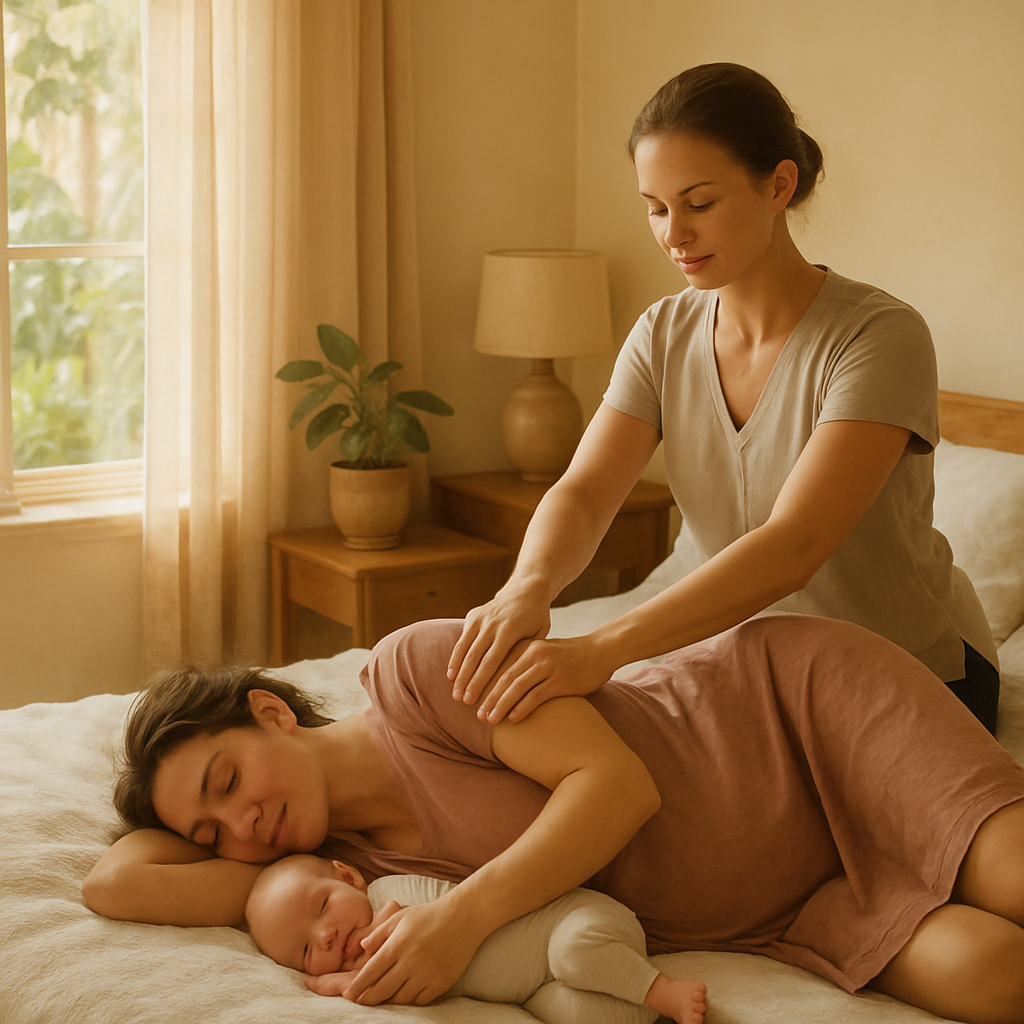
A calm and peaceful scene of a new mother receiving a gentle postnatal massage in a sunlit room. Alt: Postnatal massage providing relaxing therapeutic benefits for new mothers in Queensland.

How to Choose the Right Postnatal Massage Therapist in Cleveland and Redland Bay

Picking the right postnatal massage therapist isn’t just about who’s closest or cheapest. It’s personal. You’ve been through a whirlwind—your body and mind have been stretched in ways few can understand. So, finding someone who really *gets* you is a game changer.

Let’s be honest: you don’t want just any massage; you want a session that respects where you’re at physically and emotionally. So how do you even start the search in places like Cleveland or Redland Bay?

Look for Specialised Knowledge

The first thing? Find therapists who have specific experience with postnatal massage. Why? Because your body right now isn’t the same as before pregnancy. Specialised therapists understand the sensitivity around things like diastasis recti, c-section scars, or pelvic floor issues and won’t just treat the surface.

Don’t hesitate to ask upfront about their qualifications or training in postnatal care. A great resource for understanding the benefits and workings of massage therapy overall is the Sydney massage’s guide to massage therapy, which also highlights why experience in specialized fields matters.

Trust Your Comfort and Communication

Seriously, if something doesn’t feel right, say it. This is your time. A good therapist will listen—really listen—and tailor everything to your comfort.

Think about the environment, too. Is it calm, private, and welcoming? You want a space where you can feel safe to relax, not just physically but mentally, too.

Check Reviews and Recommendations

Word of mouth can be gold. Chat with other mums in your area or local parenting groups to find out who’s recommended.

Online reviews can clue you in on how a therapist handles the unique needs that come with postnatal care.

Ask About Flexibility and Accessibility

Between feeding schedules, naps, and the chaos that is mothering a newborn, your schedule isn’t exactly predictable. Look for therapists who offer flexible appointment times or even home visits in Cleveland or Redland Bay.

This flexibility is more than a convenience—it can be the difference between making time for self-care and skipping it altogether.

Consider Holistic Support

Postnatal massage often pairs well with other supportive therapies. Some therapists might work alongside physiotherapists or offer advice on postpartum exercises.

If you want to dig a bit deeper into supportive services that can help your wellbeing beyond massage, our main blog page has some insightful reads worth exploring.

And hey, here’s a little bonus tip: ask if your therapist stays updated with the latest industry practices through ongoing education. It might sound fancy, but it means they’re committed to giving you the best care possible.

Ever wondered if all massages are created equal? Turns out, the vibe and skills of your therapist can make all the difference in how restored you feel.

So, what should you do next?

  • Start by listing local postnatal massage therapists—check for certifications and specializations.
  • Read reviews and ask around in parenting circles near Cleveland and Redland Bay.
  • Reach out and have a quick chat with your top picks to feel their personality and approach.
  • Check if they offer flexibility that suits your hectic mum life.

Choosing the right postnatal massage therapist isn’t just about a quick decision; it’s about investing in the wellbeing that fuels your entire family. And trust me, you deserve that.

For more on taking care of yourself as a new mum and making practical wellbeing choices, swing by our comprehensive blog—we’ve got your back.

Step-by-Step Guide to Preparing for Your First Postnatal Massage

You know that new mum feeling, right? Half joy, half exhaustion, and a body that feels like it’s been through a storm. If you’re thinking about booking your first postnatal massage, it’s smart to know how to get ready so you can get the most out of it. Let’s walk through it together, step by step.

1. Check In With Your Body and Your Health

Before you do anything, take a moment to tune in. How does your body feel? Are there still tender spots from childbirth, maybe a C-section scar, or areas that are particularly sore or stiff? Your therapist will want to know. It’s all about tailoring the massage to what you really need, not just a generic approach.

Also, if you have any health concerns—think ongoing bleeding, infections, or significant swelling—chat with your doctor first. This little check-in is crucial for your safety and comfort. It’s not always clear when your body’s ready for hands-on care, so this step helps you avoid any surprises.

2. Find a Therapist Who Gets Postnatal Needs

This is more than just picking any massage therapist. You want someone who understands the intricate dance your body has been through. Ask if they specialize in postnatal massage or have experience with new mums. Don’t be shy—most professionals expect questions about their approach, especially when it comes to working with mums around Cleveland or Redland Bay.

Thinking about your schedule too? You need flexibility that fits around feeding times, naps, or whatever this stage throws at you.

3. Plan Your Appointment Timing

Here’s a good rule of thumb: wait until you’re cleared by your healthcare provider, often around 6 weeks postpartum, especially if you had a complicated birth. But hey, every recovery’s different, so listen to your body’s cues.

And try to pick a time when you won’t feel rushed or pressured to dash off—postnatal massage isn’t just a treatment, it’s a little self-care sanctuary.

4. Prepare Your Space and Yourself

Whether you’re going to a clinic or having a therapist visit your home, think about comfort. Wear loose, easy clothes and bring along any favorite pillows or blankets that help you feel snuggly. Don’t forget water—a good post-massage flush helps your body release toxins and stay hydrated.

Have your baby’s essentials ready too if they’re tagging along. A little downtime for you is easier when baby’s settled.

5. Communicate Openly During the Session

This one’s golden advice. Throughout your postnatal massage, keep chatting with your therapist about what feels good or if anything’s uncomfortable. The goal is gentle relief, not deep pressure or anything that makes you wince.

Therapists will usually avoid pressing on any healing scars until they’re ready, and focus on areas like your back, shoulders, and legs where tension often builds up.

6. Give Yourself Time to Rest After

Don’t expect to bounce immediately back to your busy mum-life. Many mums feel sleepy or deeply relaxed after their session—that’s a good sign that your body’s starting to heal.

Take it easy, sip on water, and if you can, enjoy a quiet moment or nap. Recovery is a marathon, not a sprint.

Ready for your first postnatal massage? This guide has you covered, but if you want to dive deeper into caring for yourself as a new mum, our main blog page has some thoughtful reads.

And if you’re curious about the kinds of support available in childbirth and parenting education, places like Inova’s childbirth and parenting classes are packed with practical knowledge that’ll boost your confidence before and after birth.

Taking these steps isn’t just prepping for a massage—it’s making a real commitment to your healing and wellbeing. You deserve it.

So, you’ve heard about postnatal massage and maybe wondered—what’s really out there? What kind of treatments can actually make a difference after birth, when your body’s been through the wringer and your to-do list feels endless?

Let’s break down some of the most popular postnatal massage techniques you might come across, and how they can help you feel a bit more like yourself again.

Swedish Massage: The Gentle Reset

Think of Swedish massage as the classic, comforting option. It uses long, flowing strokes that aim to relax your muscles and improve circulation. After birth, your body is flooded with new demands—carrying your baby, breastfeeding, waking up at odd hours—and your muscles hold on to tension like they’re hanging on for dear life.

A gentle Swedish massage can gently stretch and soothe those tight shoulders and achy legs. It’s like your muscles getting a deep exhale. Many mums say this type of massage helps with overall relaxation and even eases mild aches and pains from new mum posture. You don’t need to be an expert to enjoy it; a skilled therapist just adjusts pressure so it feels just right for you.

Myofascial Release: Loosening the Invisible Knots

Ever felt like there’s a tight “band” under your skin that just won’t relax? That’s fascial restriction. After pregnancy and birth, your connective tissue can get all tangled up, especially where scars or stitches may be healing.

Myofascial release is a technique where therapists use gentle sustained pressure to encourage the fascia to loosen up. It’s subtle but powerful. Instead of going deep and hard, this focuses on letting your body slowly unwind. You might find it helpful if you’re dealing with lingering discomfort or stiffness around your abdomen or hips.

There’s even scraping techniques like Gua Sha or instrument-assisted soft tissue mobilization (IASTM) that help break down scar tissue gradually — something to ask your therapist about if scars are part of your recovery story according to skilled therapists.

Head and Scalp Massage: Quick Mental Reset

It’s easy to forget how much tension sits in your head and neck until someone rubs it out for you. A simple head and scalp massage can do wonders for stress and sleep, especially when you’re juggling feeding times and the endless “what ifs” that new parenthood throws your way.

This kind of massage is low-key. You can even get it done while holding your baby, no need to strip down or feel exposed. The tingling calm that spreads from your scalp might surprise you. It’s a small thing that can shift your whole day.

Neck and Shoulder Massage: Release the Weight of Motherhood

If you’ve been carrying your baby awkwardly or cradling them for hours, your neck and shoulders probably feel it. A postnatal neck and shoulder massage targets these trouble spots with focused strokes, easing tightness and improving mobility. The relief can be immediate—like a breath of fresh air after being stuck in a stuffy room.

And here’s the kicker: loosening your neck and shoulders can also help with headaches and improve your posture, which naturally starts to curve forward when you’re constantly leaning over your little one.

Leg and Foot Massage: Grounding and Restoring Energy

Don’t underestimate how hard your legs and feet work postpartum. Standing, walking around, carrying baby gear—it all adds up. Postnatal leg and foot massages can reduce swelling and improve blood flow, which may lessen that heavy, tired feeling after a long day.

Plus, it tunes into your body’s foundation. When your feet feel cared for, the rest can follow. Some mums even find that regular foot massages help with restless legs and better sleep, which is gold during those first exhausting months.

Why Bother?

Looking at all those techniques, you might wonder if postnatal massage is just a luxury or a necessity. Here’s what many therapists and mums agree on: it’s about reclaiming a bit of you amidst the whirlwind.

Massage isn’t magic, but it’s a gentle reminder that your healing matters. It supports blood flow, muscle recovery, hormone balance, and emotional relief. The experts at My Expert Midwife explain how it addresses the aching, the overwhelm, and even helps with breastfeeding challenges by promoting relaxation.

And if you’re curious about tailored treatments, some therapists combine styles like Swedish massage with relaxation techniques or assisted stretches to suit your changing needs—your body’s story post-birth is unique, and your massage should be too.

So, what should you do next? Listen to your body, talk with your therapist about what areas feel tight or sore, and don’t be shy about trying different techniques until you find what clicks for you.

After all, taking care of yourself isn’t just a nice idea—it’s the ground you stand on to care for your growing family.

[IMAGE FAILED TO GENERATE: Error code: 400 – {‘error’: {‘message’: ‘Your request was rejected by the safety system. If you believe this is an error, contact us at help.openai.com and include the request ID req_0f7b88229b084355a2e8a29964e4272d. safety_violations=[sexual].’, ‘type’: ‘image_generation_user_error’, ‘param’: None, ‘code’: ‘moderation_blocked’}}]

Comparison of Postnatal Massage Services and Pricing in Cleveland vs. Redland Bay

If you’ve been scoping out postnatal massage options around Queensland, it probably feels like a maze. Cleveland and Redland Bay—both charming spots—offer some solid options, but the experience and costs can differ quite a bit. You want that perfect blend of quality care and fair pricing, right? Let’s unpack what you’ll find on each side of this little geographic divide.

Postnatal Massage Services: What’s on Offer?

First off, the types of postnatal massage services available in Cleveland tend to be a bit more varied. There, you’ll find specialized therapists offering tailored postnatal treatments that combine Swedish massage with relaxation techniques and gentle myofascial release, designed specifically to support recovery after childbirth. Many clients report relief from those achy spots and emotional overwhelm when they get a massage that really listens to the body’s unique needs.

In Redland Bay, the massage options tend to lean towards gentle relaxation and recovery-focused treatments as well, but with a stronger emphasis on holistic approaches. You’ll often see therapists integrating aromatherapy and light assisted stretches, aimed at easing muscle tension and promoting emotional calm. It’s like the body and mind get a little vacation all at once.

Experienced Therapists vs Boutique Feel

Cleveland is home to some clinics that blend clinical expertise with hands-on care, often staffed by therapists with extensive training in postnatal health. That means you’re getting care grounded in the latest evidence-based methods. For a deep tissue muscle recovery or help with breastfeeding-related discomforts, these pro therapists offer a degree of reassurance and precision.

Redland Bay’s charm is in boutique-style massage studios where you might find a more personalized, cozy setting. The therapists here focus on nurturing experiences, which some mums prefer after weeks of hospital visits and doctor appointments. Think soothing environments, customized sessions, and a steady hand that feels like a trusted friend.

Pricing Differences: How Much Should You Expect to Spend?

Now, let’s get real about price. Honestly, Cleveland’s postnatal massage sessions generally come with a slightly higher price tag. That’s partly because you’re paying for that clinical edge, plus the convenience of larger wellness centers. Expect anywhere from AUD 90 to 130 for a 60-minute appointment, sometimes more if they include extra treatments like manual lymphatic drainage or lactation support.

Redland Bay does usually present some more budget-friendly options. Smaller studios and independent therapists often charge between AUD 70 and 110 for an hour-long session. This is a great pick if you’re after that relaxed but effective massage without the clinical formality.

But remember: cheap doesn’t always mean better, and expensiveness doesn’t guarantee magic. What matters most is how the treatment feels to you and how well your therapist understands the postpartum body.

Packages and Discounts

Both areas offer package deals if you plan on regular massage visits. Cleveland clinics often provide bundled session discounts or maternity wellness packages that include postnatal massage and complementary therapies. Redland Bay therapists sometimes offer sliding scales or loyalty discounts, making it easier to come back without guilt.

One practical suggestion? Ask beforehand what’s included. Sometimes prices rise if you want a combination—like massage plus stretching or focused abdominal support.

Quick Tip: What Else Should You Check Before Booking?

  • Confirm your therapist’s experience with postnatal clients. It’s a specialized niche, and you deserve someone who knows the ins and outs of your body post-birth.
  • Ask about treatment customization. Your body is different now; a one-size-fits-all massage might not cut it.
  • Check reviews or seek personal recommendations. A local mum’s nod of approval goes a long way.

Does this mean you have to pick one spot over the other and stick with it forever? Nope. Sometimes it’s about trying both to see which vibe and value hit the right notes for you.

For a deeper dive into the benefits and what to expect from professional postnatal massage care, Queensland Health’s official guidance on pericare is a fantastic resource (Queensland Health perinatal care).

And when it comes to pain relief and recovery speed, approaches like those offered at Airrosti have proven results with musculoskeletal care that could complement your massage journey, especially if you’re feeling discomfort beyond routine soreness.

Ultimately, the best postnatal massage is the one that fits seamlessly into your life, bringing relief where it counts without breaking the bank.

FeatureClevelandRedland Bay
Massage StylesVaried (Swedish, myofascial release, manual lymphatic drainage)Relaxation focus, aromatherapy, assisted stretches
Therapist ExpertiseClinically trained, evidence-based experiencePersonalized boutique therapists, nurturing approach
Price Range (60 minutes)AUD 90–130AUD 70–110
Package DealsBundled wellness packages, maternity combosLoyalty discounts, sliding scales
SettingLarger wellness centresCozy, boutique studios

So, what’s your move? Maybe start with a solo session in your closest spot and see if the vibe and price feel right. It’s about reclaiming your energy, your comfort, your peace. And trust me, when the right therapist meets the right price, you’re halfway to that first deep breath of relief post-baby.

Frequently Asked Questions About Postnatal Massage

Feeling a bit overwhelmed about postnatal massage? That’s totally normal. Let’s clear up some of those nagging questions that might be swirling in your mind.

Is postnatal massage safe right after giving birth?

Great question. Usually, postnatal massage is recommended once your body has settled a bit — typically after the first six weeks, but it can vary depending on your delivery and how you’re healing. If you had a complicated birth or a cesarean, you’ll want to check with your doctor first. Your therapist should also tailor the massage to any specific needs or restrictions you might have during recovery. For more in-depth guidance on timing and safety, MN’s postpartum massage safety advice is a solid resource.

What kind of benefits can I expect?

Honestly, this is where postnatal massage shines. It’s not just about relief for sore muscles (though that’s a huge perk). It can help reduce swelling by improving circulation and lymphatic drainage — something many new mums struggle with as their bodies rebalance after pregnancy. Plus, it may even ease those restless, exhausted nights by supporting better sleep and lowering stress hormones. Some mums find it helps with breastfeeding too, by easing tension around the chest and shoulders. You can read about these benefits in detail at WebMD’s postnatal massage overview.

Can postnatal massage help with emotional ups and downs?

Yes, and this part often gets overlooked. The physical comfort ties into emotional well-being. Many new mums experience “baby blues” or even postpartum depression. Massage can be a gentle way to calm anxiety and lift mood — kind of like a little reset button for your nervous system. This isn’t a cure-all but a helpful complement to other care you might be receiving. If you’re dealing with severe symptoms, always chat with your healthcare provider.

How do I find a therapist who really gets postnatal care?

Look for someone trained specifically in postpartum massage or with experience working with new mums. They should listen to your concerns and adjust pressure or techniques accordingly — some days you might want a gentle touch, other times deeper relief. A conversation before booking is key: try asking about their understanding of postnatal bodies and any certifications.

Are there any risks or things to watch out for?

Massage generally feels good, but it’s smart to be cautious. Avoid massage if you have any infections, blood clots, or uncontrolled high blood pressure. Also, some oils or lotions might irritate sensitive skin after birth, so check ingredients or ask for fragrance-free options. When in doubt, a quick chat with your doctor won’t hurt.

How often should I get a postnatal massage?

That depends on what you’re feeling and your schedule. Even a single session can be restorative, but if you have ongoing muscle tension or swelling, weekly or biweekly visits might help. Don’t push yourself to be perfect about this — it’s about what fits your energy and budget. Sometimes, a monthly treat can be just enough to keep the stress at bay.

Still wondering where to start? Trying out a session with a local expert in Cleveland or Redland Bay could be the perfect step. You’ll get a feel for what works for you without any pressure.

In the end, postnatal massage is about reconnecting with your body and giving yourself permission to rest and heal — because you deserve it.

Conclusion

So, here we are at the end of the road — but honestly, this is just the start of your postnatal healing journey. You might be feeling overwhelmed, exhausted, or even disconnected from your own body after giving birth, and that’s totally normal. Postnatal massage isn’t some magic fix but more like a gentle nudge, helping you tune back in to yourself, easing the aches, and giving you that rare chance to breathe.

Think about it this way: you wouldn’t use worn-out tools to fix a fence, right? Your body deserves care and attention that matches the incredible work it’s done bringing new life into the world. That’s what postnatal massage offers — a way to support your recovery, reduce tension, and remind yourself that you’re worth the time and kindness.

Wondering if it’s worth fitting into your busy schedule? Maybe it’s just one session to start, a little pocket of peace in your week. The key is listening to what your body really needs, not what you think you’re supposed to do. And if you’re in Cleveland or Redland Bay, giving local specialists a try might just surprise you.

Remember, this isn’t about rushing back to ‘normal’ — it’s about embracing this new chapter with a bit more ease and comfort. You’ve earned it.

Contact us directly at The Royal Masseur for any further questions, we are happy to assist.

Posted on Leave a comment

Effective Lower Back Strengthening Exercises for Seniors: A Step-by-Step Guide

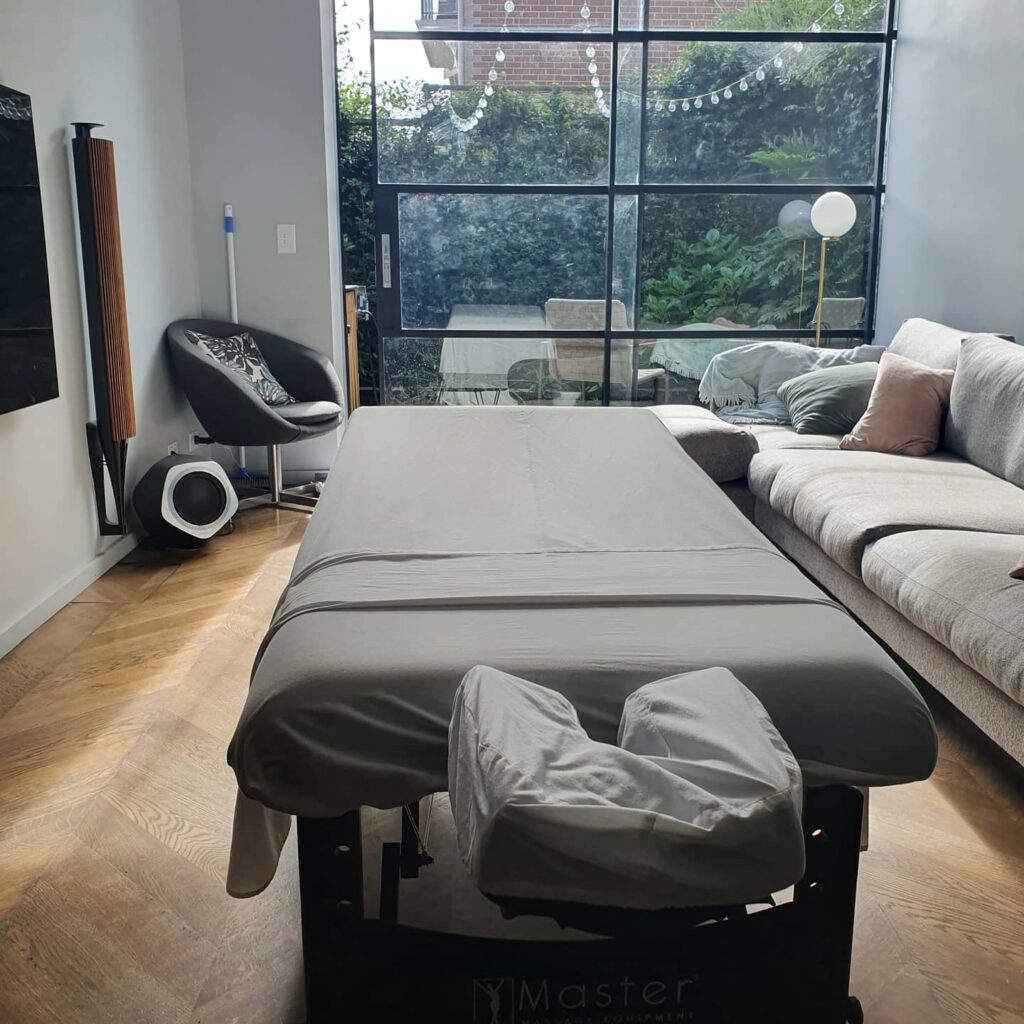
a white massage table next to an outside pool

Lower back pain is one of the most common complaints seniors face as they age, often leading to reduced mobility and a lower quality of life. But what if you could take control of your back health with simple, targeted exercises? That’s where lower back strengthening exercises for seniors come in—designed to build resilience, improve posture, and relieve discomfort.

Why focus on strengthening rather than just stretching or resting? Stronger muscles in the lower back provide essential support for the spine and help reduce the risk of injuries and chronic pain. These exercises don’t mean heavy gym routines or complex moves; they can be gentle, effective, and tailored especially for seniors’ needs.

Are you worried about safety or whether these exercises will fit your lifestyle? That’s a valid concern. The great news is that the right lower back strengthening exercises are low-impact and can be performed comfortably at home, often without any special equipment. They can complement your regular activities and even enhance the benefits you receive from massage therapy.

For instance, many seniors in Sydney find that pairing therapeutic massages from The Royal Masseur with a customised exercise plan accelerates recovery and helps manage ongoing muscle discomfort. Strengthening your lower back isn’t just about avoiding pain—it’s about staying active and independent longer.

So, what should you expect from this guide? We’ll walk you through safe and effective exercises specifically chosen for seniors to strengthen the lower back. You’ll learn proper techniques, tips to avoid common mistakes, and how to progressively build strength without overwhelming your body.

Curious why some exercises work better than others? Or how to know when to seek professional advice? Those are great questions to keep in mind as you explore each step.

Let’s dive in and empower you with practical strategies for a healthier, stronger lower back that supports all your daily activities and beyond.

To learn more about the benefits of combining massage with exercise routines, check out client testimonials sharing real success stories from our community.

Lower Back Pain Under Control From Home

Looking to strengthen your lower back safely at home? This guide offers simple, effective lower back strengthening exercises for seniors that complement massage therapy, helping reduce pain and improve mobility.

With easy tips and techniques, you’ll boost your strength, stay active, and feel more independent—no fancy equipment needed.

Step 1: Understanding the Importance of Lower Back Strengthening for Seniors

Did you know that your lower back plays a starring role in almost every movement you make? From getting out of bed to standing up and taking a walk, your spine and lower back are the foundation for everyday activities. For seniors, keeping this area strong isn’t just about comfort — it’s about maintaining independence and reducing the risk of falls.

Why focus so much on lower back strengthening exercises for seniors? Well, as we age, the muscles supporting our spine can weaken, leading to balance problems, poor posture, and even pain. This weakness often results in limited mobility and a higher chance of accidental falls, which, as reported by the Centers for Disease Control and Prevention, is the leading cause of injury-related hospitalizations in adults aged 65 and older.

The Core of Stability: Small Muscles, Big Impact

Your lower back is stabilized by a network of small, but mighty muscles that ensure your spine moves fluidly and stays balanced. These muscles work behind the scenes to keep you steady, whether you’re walking across the room or bending to pick something up. When these muscles weaken, it becomes harder to maintain proper posture and balance.

Imagine trying to hold a stack of plates on a shaky table; that’s what a weak lower back feels like. Strengthening these muscles acts like reinforcing that table, helping you move confidently without fear of tipping over or injuring yourself.

Why Gentle and Consistent Exercises Are Key

It’s tempting to jump into intense workouts, but for seniors, slow and steady wins the race. Lower back strengthening exercises for seniors emphasize gentle, controlled movements that engage the core and keep the spine stable. Heavy weights or rapid stretches can strain your back, making things worse instead of better.

Regularly exercising these muscles—ideally three times a week or more—helps build strength without causing pain. Remember, your back shouldn’t hurt after exercise; if it does, that’s a sign to rest and perhaps adjust the routine. Consistency beats intensity when it comes to making lasting improvements.

Real-Life Impact: More Mobility, Less Pain

Think about your daily routine—getting out of a chair, walking around your garden, or reaching up for a book. All these actions rely heavily on your lower back strength. Strengthening your back muscles can make these movements easier and reduce discomfort from conditions like arthritis or general wear and tear.

Many seniors who have incorporated targeted lower back exercises report improved balance and a decrease in chronic back pain, allowing them to enjoy activities again without hesitation. At The Royal Masseur, we often see clients experience enhanced benefits when combining massage with customized strengthening exercises. It’s a one-two punch that helps ease pain while building the muscle resilience you need.

How Does This Fit With Fall Prevention?

Falls are a significant concern for seniors, often leading to serious injuries and hospital stays. A stable lower back supports better balance and posture, which are crucial for fall prevention. According to the CDC’s fall data, improving strength and balance can dramatically reduce the risk of falling.

By dedicating time to lower back strengthening exercises for seniors, you’re investing in your safety and quality of life. Don’t wait until problems arise—taking action now can keep you active and independent for longer.

Ready to Take the First Step?

Understanding why strengthening your lower back matters is the foundation for success. The next steps will guide you through safe, effective exercises tailored just for you, especially if you’re new to exercise or working through pain.

If you want personalised support or advice on suitable stretches and strengthening routines to complement your massage treatments, be sure to check out our main blog page where we share expertise specifically aimed at helping seniors in the Sydney and outlaying areas stay strong and pain-free.

So, are you ready to give your lower back the care it deserves? Let’s build that strength together and enjoy life with greater ease and confidence!

A happy senior performing gentle lower back strengthening exercises at home with supportive surroundings. Alt: Lower back strengthening exercises for seniors improving balance and mobility.

Step 2: Preparing Safely – Warm-Up and Precautions for Seniors

Now that you understand the importance of lower back strengthening exercises for seniors, let’s talk about how to prepare safely before you jump in. Warming up and taking proper precautions are absolutely crucial to avoid injury and get the most benefit from your efforts.

Why Warm-Up? It’s More Important Than You Think

You might wonder, “Do I really need to warm up?” The short answer: yes, definitely. Warming up gently increases blood flow to your muscles and joints, raises your body temperature, and primes your nervous system — all of which help protect you from strains or sprains during exercise.

That warm-up phase gives your lower back and surrounding muscles a chance to get ready for movement. Especially for seniors, taking those first careful steps toward activity can make a world of difference in how your body feels after your session.

Simple Warm-Up Exercises to Get Started

Try starting with 5 to 10 minutes of light aerobic activity. This could be walking around your home, marching on the spot, or gentle seated leg lifts. These moves get your heart rate up slightly without overloading your muscles.

Follow that with some gentle dynamic stretches for your lower back, hips, and legs. For example, gentle torso rotations, knee lifts, or hip circles can loosen tight areas and improve your range of motion.

Precautions That Keep You Safe

Before beginning any routine, it’s wise to consult your doctor, especially if you have pre-existing health conditions or recent injuries. Once you’ve got the clearance, listen closely to your body during exercises.

Are you feeling sharp pain rather than gentle muscle stretch or fatigue? Stop immediately. It’s better to go slow and steady than to push yourself into discomfort or injury.

Use supportive footwear and exercise in a safe, clear space with a stable surface — no slippery floors or clutter around. If balance is a concern, keep a sturdy chair or countertop nearby for extra support when needed.

Remember, consistency beats intensity. It’s far better to practice these exercises in shorter sessions several times a week than to rush through and risk setbacks.

Incorporating Balance and Strength Safely

Balance exercises are key for preventing falls, but they also require caution. Start with seated or supported balance movements, gradually progressing to standing positions as your confidence grows.

Muscle-strengthening activities should be done with proper form and possibly under supervision at first. If you’re unsure about your technique, a professional from Swift Results Massage Therapy can offer guidance on combining massage with exercises for optimal results.

Want to see an example of safe warm-up and preparation? Check out this  for a simple routine designed for seniors.

Need More Help Staying On Track?

If you’d like tailored advice on safe stretches and strengthening exercises to complement your massage therapy, our main blog page is full of expert tips specifically for seniors in the Sydney and outlaying areas.

Building strength safely is a journey — but with the right preparation and care, you can enjoy improved mobility and comfort every day. Take it slow, warm up well, and never be afraid to ask for support when you need it.

For more guidance on the types of exercises that improve health in older adults, you might find this detailed NIH guide on exercise types helpful. It explains how mixing aerobic, strength, and balance activities can safeguard your health.

Step 3: Foundational Lower Back Exercises for Seniors

Ready to start strengthening your lower back safely and effectively? Foundational lower back strengthening exercises for seniors are designed to build muscle support, improve flexibility, and reduce discomfort — all essential for maintaining mobility and confidence in daily activities.

But don’t worry if you feel unsure — these exercises are simple, gentle, and suitable for beginners. Let’s break down some key moves you can incorporate into your routine right away.

Why focus on foundational exercises?

Your lower back supports much of your body weight and helps control movements like bending and twisting. Strengthening this area helps protect the spine, improve posture, and even lower the risk of falls by enhancing stability.

A solid foundation means you’re less likely to experience pain flare-ups during simple tasks like gardening, carrying groceries, or walking. At The Royal Masseur, we often see that combining massage with targeted exercises magnifies the benefits by relaxing tight muscles before strengthening them.

Starting with basics: 5 essential exercises

Here’s a simple lineup of six foundational exercises that ease pressure on your lower back while building strength over time. Remember to start gently, listen to your body, and stop if you feel any sharp pain.

  • Knee-to-Chest Stretch: Lie on your back with knees bent and feet flat. Pull one knee gently toward your chest using your hands, hold for 5 seconds, then switch legs. This improves flexibility in your lower back and hips.
  • Pelvic Tilts: Lie on your back with knees bent. Flatten your lower back against the floor by tightening your abdominal muscles, hold for 5 seconds, then release. Repeat slowly to engage core muscles supporting your back.
  • Bridge Exercise: From the same position, press your hips upward into a straight line from knees to shoulders and hold for 3 deep breaths. This strengthens the glutes and lower back muscles, which provide crucial support.
  • Cat-Cow Stretch: On all fours, alternate arching your back upward (cat) and dipping it downward (cow), moving slowly and breathing deeply. This promotes spine mobility and relieves tension.
  • Seated Spinal Twist: While sitting, cross one leg over the other and gently twist your torso toward the crossed leg, holding for 10 seconds. Repeat on each side to enhance spinal rotation and loosen tight back muscles.

Do these exercises once or twice daily, starting with just a few repetitions each. As your strength improves, gradually increase how many times you perform each exercise. The key is consistency and gentle progression.

What about safety?

Remember – we at The Royal Masseur – can assist you in your own home, advising, massaging and demonstrating proper techniques, just call us and arrange a visit.

Before you dive in, it’s always a smart move to discuss new exercises with your healthcare provider or a physical therapist, especially if you have existing back issues. They can tailor a plan that’s safe and effective for you.

Good technique is everything here — avoid rushing through movements or forcing twists. If it feels uncomfortable, scale back. And don’t forget a light warm-up, like walking or gentle stretching, to prepare your muscles.

Wondering how these exercises fit into a full recovery or maintenance routine? Our team at The Royal Masseur (Sydney, Gold Coast and Melbourne) can guide you on combining exercises with tailored massage treatments  to boost your rehabilitation journey.

Quick comparison of foundational exercises

ExercisePrimary BenefitNotes
Knee-to-Chest StretchImproves lower back and hip flexibilityHold gently; avoid pulling too hard
Pelvic TiltsStrengthens core and relieves lower back tensionKeep movements slow and controlled
Bridge ExerciseBuilds glute and lower back strengthMaintain neutral neck position during lift
Cat-Cow StretchEnhances spinal mobility and reduces stiffnessCoordinate breath with movement for relaxation
Seated Spinal TwistIncreases spinal rotation and ease of movementPerform slowly; do not force beyond comfort

These foundational exercises are just a starting point. Over time, building on these will help you regain strength and ease, making daily life activities feel less like a challenge and more like second nature.

Curious about more ways to support your lower back? You might find valuable advice on safe stretches and strengthening exercises specially crafted by our experts on the main blog page.

For more detailed guidance on how these exercises reduce back pain and improve your health, check out the helpful resources from the Mayo Clinic and insights on exercises designed for older adults at More Life Health. These sources break down the science and benefits behind each move, reinforcing why lower back exercises should be a regular habit.

And if you want a quick demo of these exercises laid out in a simple routine, the videos recommended in previous steps are fantastic starting points.

Step 4: Incorporating Stretching and Flexibility to Support Lower Back Strength

By now, you’ve built a solid foundation with basic strengthening exercises. But here’s the kicker: flexibility and stretching aren’t just add-ons — they’re essential to keep your lower back strong, mobile, and pain-free. Without them, tight muscles can limit your progress and increase discomfort.

So, why does stretching matter so much for seniors focusing on lower back strengthening? Well, as we age, muscles and connective tissues tend to stiffen. This limits range of motion and can cause strain when you move. Incorporating stretching keeps the spine and surrounding muscles supple, reducing injury risk and improving overall function.

Start with Gentle Seated Stretches

If you want to take care of your back without risking overstretching, stick to stretches you can do while seated in a firm chair. This position supports good posture, and keeps you stable — perfect for easing into flexibility work safely.

For example, the seated spinal twist gently increases spinal rotation and loosens tight back muscles. Sit upright with feet flat and knees bent at 90 degrees. Slowly twist your upper body to one side, resting your hand on the opposite thigh. Hold for 15-30 seconds, then repeat on the other side. Always move within a comfortable range — no forcing or bouncing!

Another excellent stretch is the seated cat-cow, which enhances spinal mobility by moving between arching your back and rounding your spine. It may sound simple, but these subtle movements make a big difference in keeping your back muscles flexible and balanced.

Incorporate Hip and Hamstring Flexibility

Don’t forget the muscles around your hips and hamstrings — they’re tightly linked to lower back health. Stretching these helps reduce the pull on your lower spine.

Try sit-and-reach movements or gentle forward folds while seated (legs outstretched with a slight lean forward). This targets hamstrings and lower back with minimal strain.

Also, including gentle hip openers, such as seated figure-four stretches, loosens hip flexors which are common culprits behind lower back tightness.

Remember Consistency and Controlled Movements

Stretching is most effective when done regularly, ideally daily or at least several times each week. But here’s an important tip: always keep your movements slow, controlled, and pain-free.

If any stretch causes sharp pain or discomfort, ease off immediately and consult your healthcare professional before continuing. As noted by experts at Healthline, these stretches work best when tailored to your body’s limits and done without forcing.

Use Props to Support Proper Alignment

Adding simple supports like a firm cushion behind your lower back while sitting can help you maintain correct posture during stretching. Resistance bands or stretch straps can also aid flexibility by gently extending your range of motion in hamstring or hip stretches.

If you’re unsure about which props to use or how to position them correctly, a skilled therapist at a local clinic such as The Royal Masseur can guide you to safe and effective techniques tailored for your needs.

So, what should you do next?

Begin by dedicating 10-15 minutes each day to stretching sessions focused on your lower back, hips, and hamstrings. Combine seated stretches with mindful breathing to help your muscles relax deeply.

Remember, improving flexibility complements your lower back strengthening exercises for seniors and makes daily movements easier and more comfortable.

For detailed stretch routines designed especially for seniors, take a look at the comprehensive guidance on effective back stretches for seniors, which includes safe, easy-to-follow moves you can do at home.

Stretching isn’t just about feel-good moments — it’s about building lasting resilience in your lower back muscles so you can keep doing what matters most to you.

Ready for your next move? Stretch smart, stay consistent, and watch your lower back strength soar in tandem with your newfound flexibility!

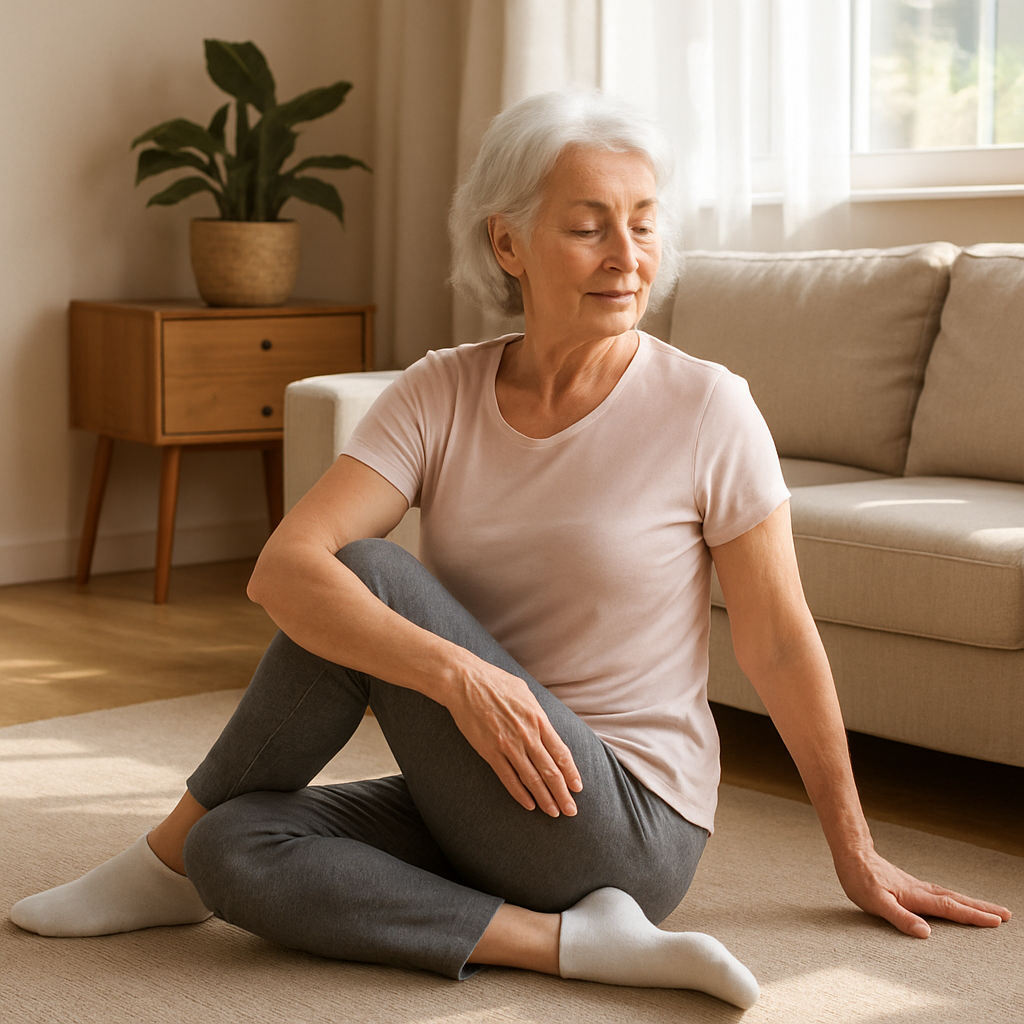
A senior woman gently performing seated spinal twist stretch in a sunny living room. Alt: Lower back strengthening exercises for seniors focusing on stretching and flexibility.

Step 5: Using Additional Support Techniques Including Massage for Relief and Recovery

Lower back strengthening exercises for seniors are essential, but did you know you can supercharge your results by adding some well-chosen support techniques? Massage therapy is one of the best ways to amplify relief and speed up recovery after exercising.

Imagine this: You finish a gentle session of strengthening movements designed specifically for your lower back, hips, and core. Your muscles might feel a bit tired or tight—that’s where massage steps in to help loosen everything up. It’s not just about relaxation; it’s a strategic part of injury prevention and recovery.

How Massage Helps with Lower Back Strengthening

Massage therapy increases blood flow to sore muscles, helping to flush out toxins and deliver fresh oxygen and nutrients to encourage healing. It also reduces muscle tension and pain, which can improve your range of motion and make your exercises feel easier and safer.

Scientific studies show massage can have significant benefits for chronic low-back pain, decreasing discomfort and improving daily function for many people. For example, a case study found a 63-year-old man with multiple back conditions experiencing remarkable pain relief and improved activity levels after just a few massage sessions. The relief was so profound, he could reduce his reliance on pain meds and even start cycling again (source).

So, what should you do next?

Integrating Massage with Your Exercise Routine

Try to schedule gentle massage treatments a day or two after your workout sessions when muscles might still feel sore or stiff. This timing supports muscle recovery without interfering with your strength-building efforts. Mobile massage services from places like The Royal Masseur in Sydney, the Gold Coast and Melbourne areas make it convenient —> helping you stick to your routine without hassle.

Don’t have access to a professional massage every time? Using additional support tools such as spiky balls, foam rollers, or gentle self-massage techniques at home can offer similar relief. These tools target tight areas in your lower back and hips, improving circulation and muscle flexibility.

Combining Core Exercises and Massage for Lasting Benefits

A study comparing Chinese massage combined with core stability exercises versus massage alone showed the combination had better results in decreasing pain and disability over time. The group doing both reported lower pain scores and fewer relapses after treatment ended (source). This means massage is a fantastic complement to your daily lower back strengthening exercises for seniors—it’s not a replacement but a powerful teammate.

Remember to communicate openly with your massage therapist about any specific areas of pain or tightness you feel after exercises. They can tailor the session with techniques such as Swedish massage for relaxation or deeper myofascial release aimed at stubborn knots and tight muscles.

And here’s a tip many seniors overlook: Hydrate well before and after massage sessions. Massage mobilizes fluids and toxins, so drinking plenty of water helps your body clear them out and recover faster.

Your recovery practices, including massage, not only help ease current discomfort but also keep your muscles primed for your strengthening exercises. So, don’t just work hard—recover smart.

Adding consistent massage treatments and self-care techniques to your program will empower you to stay active and pain-free. And who wouldn’t want to enjoy life with more mobility and less stiffness?

Conclusion

So, what’s the bottom line when it comes to lower back strengthening exercises for seniors? It’s simple: consistency is your best friend. Strengthening that core and back isn’t just about reducing pain now—it’s about building lasting resilience for everything you want to do each day.

Remember, your lower back works hard, but it also needs care. Incorporating gentle exercises alongside regular massage sessions, like those offered by The Royal Masseur, can dramatically improve mobility, ease stiffness, and reduce discomfort.

Have you noticed how life feels better when your back is strong? That’s no coincidence. A stronger back supports better posture and balance, which means fewer falls and more confidence to enjoy your hobbies, family, and daily walks.

If you’re wondering how to get started or stay motivated, think about it like this: small steps every day lead to big improvements. Pair your exercises with expert massage and the right self-care tips—like hydration and proper rest—and you’re giving your body the support it truly deserves.

Ready to feel empowered in your movement again? Let Swift Results Massage Therapy help you unlock the power of healthy muscles and joints so you can thrive—no matter what your day holds. Your journey toward a stronger, more comfortable life starts with those lower back strengthening exercises for seniors. Why wait?

Want to know more about wellness, visit us at The Royal Masseur for more information.

Frequently Asked Questions about Lower Back Strengthening Exercises for Seniors

Feeling unsure about starting lower back strengthening exercises for seniors? That’s totally normal. Let’s answer some of the most common questions we hear to help you feel confident and ready to move.

1. Are lower back strengthening exercises safe for seniors with arthritis or chronic pain?

Great question! Most gentle, guided exercises focusing on core and back muscles are safe and beneficial for seniors, even with arthritis or chronic pain. The key is to start slow, use proper form, and listen to your body. If an exercise causes sharp pain or discomfort, stop immediately and consult your healthcare provider or a qualified therapist like those at The Royal Masseur.

Pairing these exercises with regular massage can ease muscle stiffness and improve your overall mobility, making your workout routine more pleasant and effective.

2. How often should I do lower back strengthening exercises?

Consistency beats intensity here. Aim for two to three sessions a week, allowing rest days in between to let your muscles recover. Even 10–15 minutes per session can build strength over time. The most important part? Keeping at it regularly.

Think of it like watering a plant — small, steady care gives the best results.

3. What are some beginner-friendly exercises to start with?

You can try pelvic tilts, bridges, or bird-dogs—simple moves that don’t require fancy equipment. Always focus on slow, controlled motions and engage your core. If unsure, we can guide you on which stretches and exercises suit your individual needs.

Wondering if you need special gear? Basic support cushions or stretch bands can help, but your own body weight often provides all the resistance you need at first.

4. Can these exercises help reduce my lower back pain?

Absolutely. Strengthening the muscles around your spine improves support, reduces strain, and often decreases pain over time. But remember, relief doesn’t usually come overnight. Pairing exercises with targeted massage helps relax tight muscles and improve circulation, boosting your recovery process.

5. Is it normal to feel soreness after exercising my lower back?

Yes, mild soreness indicates your muscles are working and adapting. However, sharp pain or persistent discomfort is a sign to pause and seek advice. Don’t push through painful symptoms. Staying hydrated and using Epsom salt baths or gels can ease soreness and keep you comfortable.

6. How do I stay motivated to keep doing these exercises?

Setting simple goals and tracking small wins makes a big difference. Notice improvements in how you stand, walk, or even sleep? Celebrate those moments! Plus, combining your routine with massage therapy sessions turns exercise into a self-care habit, keeping things enjoyable.

If motivation dips, chatting with us about gentle adjustments or new techniques can reignite your commitment.

7. When should I seek professional help?

If your pain worsens, you experience numbness, weakness, or the exercises increase discomfort despite modifications, it’s time to book a session with a professional. The Royal Masseur experts can assess your condition, tailor a program, and provide supportive treatments to keep you moving confidently.

Ready to feel stronger and more comfortable every day? Starting with these answers can empower you — and remember, you don’t have to do it alone.

Posted on 6 Comments

Posture & The Musculoskeletal Effects

black and white image of the back of a human muscular
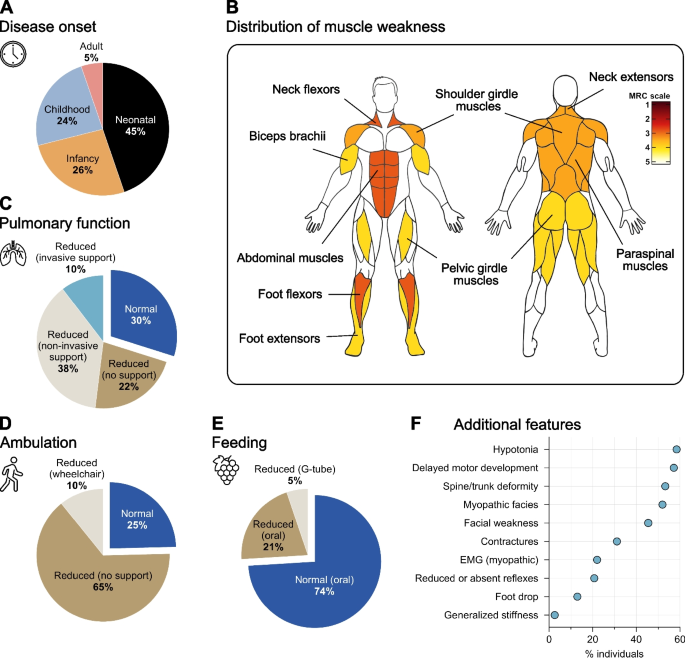
chart of muscular myopathy

Why Posture Is So Important?

How You Can Unlock A World Of Vitality and Productivity?

It all starts with a simple shift in your posture. Ever wondered how a slight adjustment in your stance could be the game-changer for your musculoskeletal health? Let’s dive in!

You see, our bodies are incredible machines, finely tuned to the signals we send them.

How you can discover this?

By becoming your body’s best communicator.

Remember that slouch at your desk or the hunch over your phone?

Each one is a silent conversation with your muscles.

But what if we told you that changing these habits can be a catalyst for a stronger, healthier you?

Here’s a golden nugget.

Your body is a symphony and posture is the conductor.

Good posture isn’t just about aesthetics.

It’s about ensuring your muscles and joints operate in harmony.

Curious about the immediate impact?

Try this: Stand tall, shoulders back, and feel the surge of confidence.

It’s not just psychological; your bodies chemistry responds to the power pose!

Musculoskeletal health isn’t a luxury; it’s a necessity.

Imagine fewer aches, better mobility, and a turbo boost to your energy levels – all from a mindful tweak in posture.

Here’s a posture challenge.

Start by sitting up straight for 10 minutes every hour.

Feel the shift? That’s the magic of muscle engagement.

Small changes, big results.

Pro tip:

Use technology to your advantage.

Set reminders on your phone or use posture-correcting apps to make this a seamless part of your routine.

As you embark on this journey, remember:

Your body is a reflection of your habits.

Transform those habits and you transform your life.

So how will you stand today to create a better tomorrow?

P.S. Your body is listening.

What posture shift will you make right now?

#PostureRevolution #MusculoskeletalHealth #BodyMindConnection

Posted on Leave a comment

About the Owner

Jeremy Joseph at the sea

Jeremy Joseph, The Royal Masseur

When Jeremy chose to study massage he instantly became a lifelong student in an ever-growing and changing field. As his techniques grew and became further fine-tuned to include special massages for pregnancy and utilizing hot rocks as well as having been a personal trainer, his understanding of both anatomy and theory quickly grew even further. Jeremy developed his own form of holistic healing. Modality taught Jeremy to use his body and strengths in new ways to perform the different massage methods.

He also learned to find greater strength and confidence within himself. This internal strength allowed him to provide the occasional physically demanding massage with confidence and ease, this, in turn, developed a greater self-awareness, self-trust, and focus.

Massage and Personal Development

While The Royal Masseur learns more about himself and his profession (and let’s face it, you never stop learning about performing a better massage), he also found he learned more about human nature as a whole. In the past, as a student working on other students, he gained a larger sense of understanding and compassion for both his classmates and circle of friends and family. As he practiced on more people, he discovered a synergy within himself, as if he was more in tune with his own energies, thoughts, and feelings as well as those of others. Particularly when at their most needy, tired, stressed, depressed, and in pain.

Being a mobile massage therapist taught Jeremy to become better able to understand and for want of better words, interpret the entirety of another person. This was a light bulb moment for Jeremy as, 5 years later, his clients trust him implicitly and tend to book his services over and over.

As a holistic massage therapist, Jeremy has developed finely tuned problem-solving skills, thus making each therapeutic treatment more unique and effective.

Throughout the years these lessons which began in massage school, simply continue as Jeremy continues to grow in his knowledge and experience in the field. Even the most seasoned therapist acknowledges that they need to improve, increase their understanding of the human anatomy and stay up to date with the latest massage therapeutic technology. The school merely provided him with a sound grounding to commence a life-long journey in the holistic-healing field. Jeremy’s experience with literally hundreds of clients in and around Sydney has taught him over the years that he has chosen a career as a holistic massage practitioner. A journey of continued learning, development, and personal development.


  • Other mobile massage therapists also offer an alternative to the Covid-19 crisis which has transformed the industry to a more versatile and holistic approach.
Posted on 4 Comments

Choosing a Top-Rated Massage Therapist in Sydney

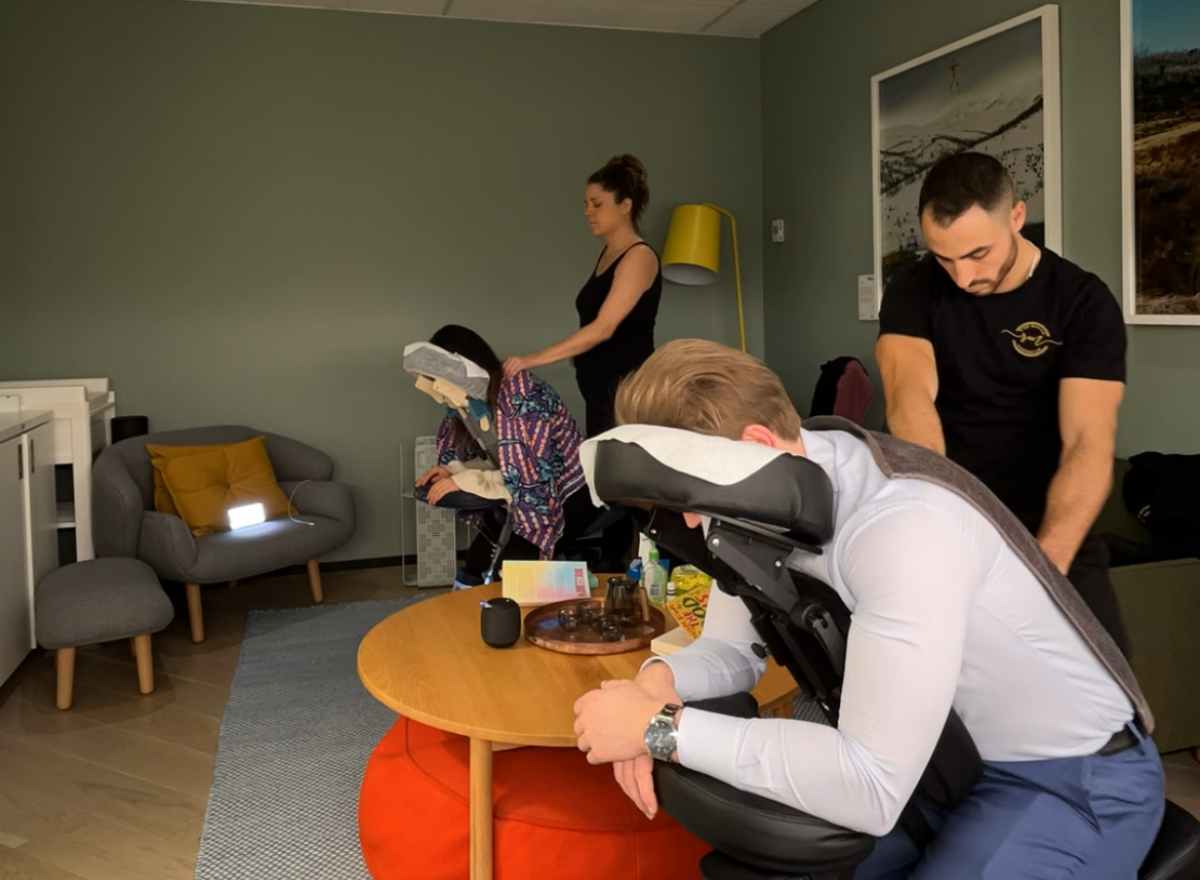
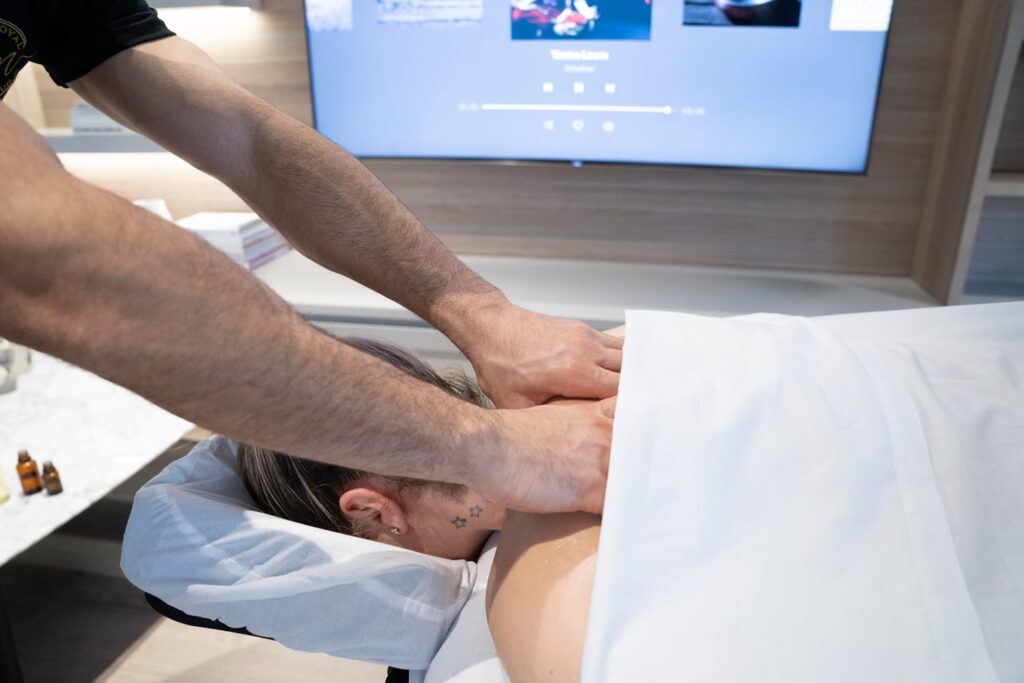
mobile massage chairs in office

Looking For The Perfect Massage Therapist In Sydney?

From understanding the different types of massage therapies available to knowing what questions to ask your chosen practitioner, this guide will provide you with all the essential tips and advice you need to choose a qualified and experienced massage therapist.

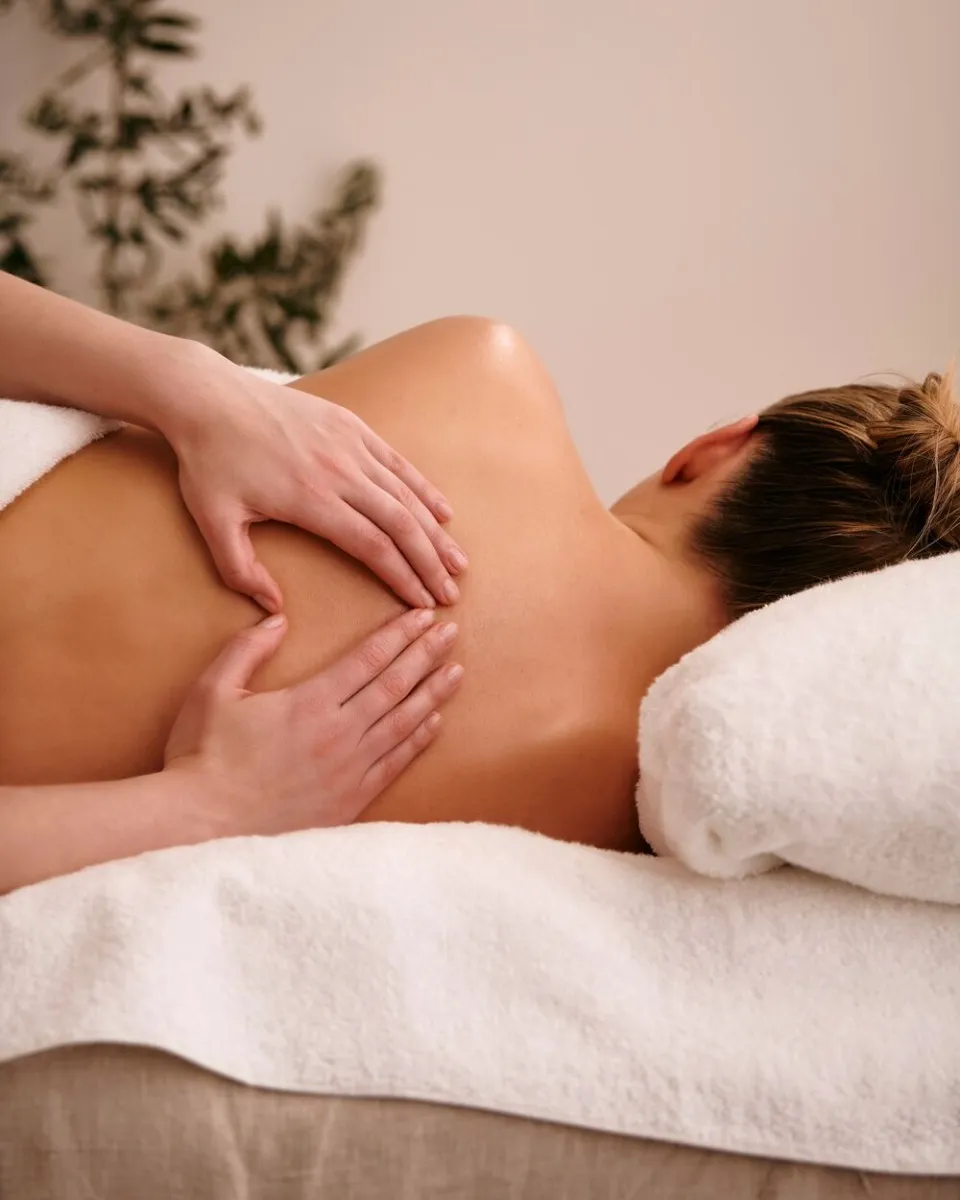
massaging a person face down

The Best Massage Therapists in Sydney should help you relax and heal. You should be left with a feeling of contentment revitalisation.

Ask Around For Recommendations

One of the best ways to find an excellent massage therapist in Sydney is by asking family and friends for recommendations. Asking trusted individuals who have already experienced the kinds of massages you are after can help you identify potential massage therapists who would meet your needs. Their direct feedback can give you some useful insights into the best local practitioners in your area.

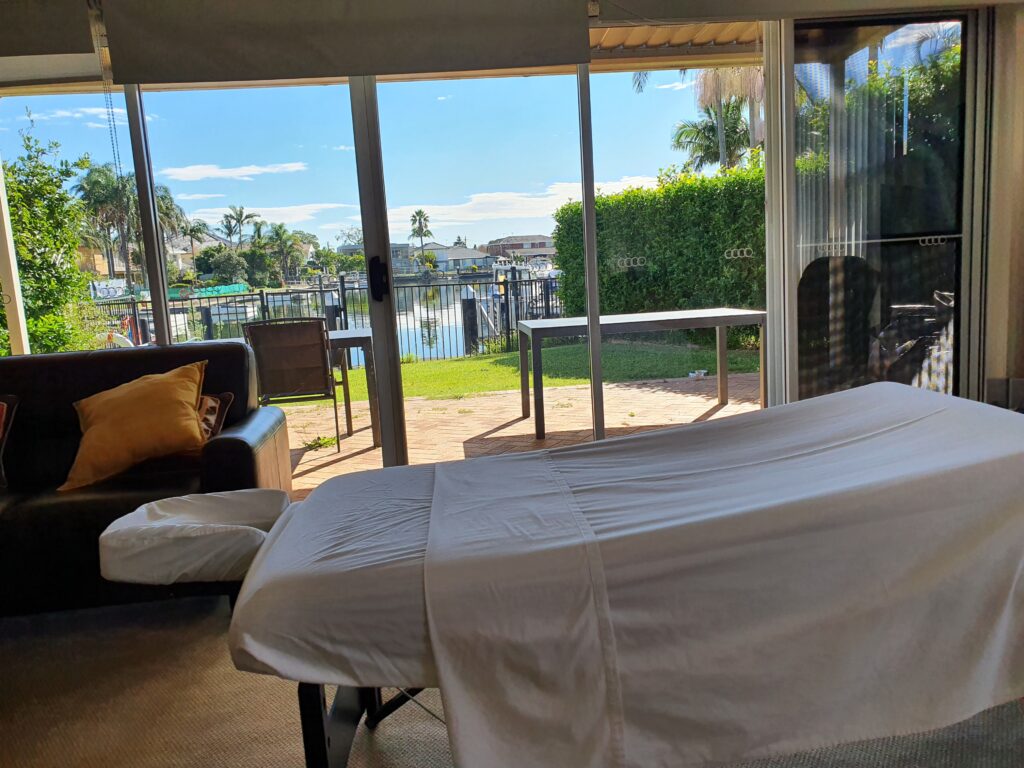
mobile massage table in front of window

Research The Massage Therapist’s Credentials

Once you’ve narrowed down your list of potential massage therapists, it’s important to take some time to research their credentials and qualifications. It’s essential that your massage therapist should be qualified and experienced enough to provide the treatments you are after, so make sure to check their background carefully. Visit the website of professional massage associations in Australia such as the Association of Massage Therapists or the Australian Traditional-Medicine Society for lists of accredited practitioners.

Read Reviews & Testimonials

Reviews and testimonials are one of the best ways to get an idea of what kind of service you can expect from a particular massage therapist in Sydney. You should read client reviews on the therapist’s website, or check out online forums such as TripAdvisor and Yelp. This will give you valuable insight into how others found their treatments, customer service, and if they were able to resolve any issues they faced. Be sure to take these opinions into consideration when finalising your choice.

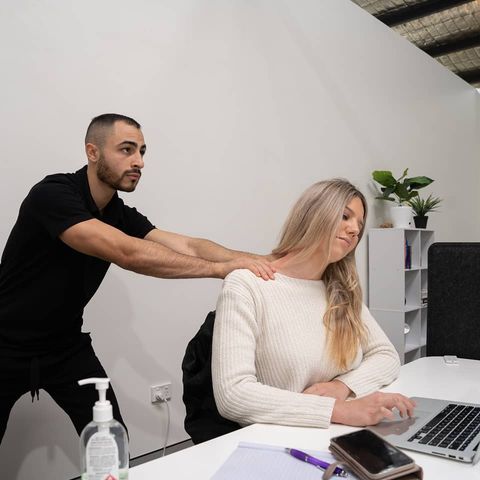
Jeremy massaging a lady at work

Ask The Massage Therapist About Their Experience

It’s important to ask massage therapists in Sydney about their level of experience and education. Ask them what type of massage techniques they use, and how long it took them to become qualified. Also, learn about any additional skills or knowledge the therapist may have, such as knowledge of reflexology or anatomy. Make sure you choose a massage therapist who is certified by an organisation that is recognised by the Australian Massage Therapy Association (AMTA).

Request A Consultation or Trial Session

If possible, book a consultation or trial session at the massage parlor before making your final decision. Speak with the massage therapist and find out if you are comfortable working with them. Ask about their philosophy, education and experience – very important in choosing a quality massage therapist. Also, don’t forget to ask about any specializations they may have that make them stand out from other therapists.

Here at The Royal Massuer not only do we provide premium massage services, we also come to you, whether at work, at home or whilst you are traveling (ie to your hotel room). Read our testimonies and rest assured our services are second to none.