Posted on Leave a comment

Finding the Best Massage for Lower Back Pain

Finding the best massage for lower back pain really comes down to what your body is telling you. While both Remedial and Deep Tissue massages are brilliant for tackling that stubborn, chronic tension, the right choice depends on your situation. Is your pain from sitting all day, a sudden injury, or just general stress? This guide offers actionable insights to help you find effective relief, whether you're at home, in the office, staying in a hotel, or even on a yacht.

Choosing the Right Massage for Your Lower Back Pain

Lower back pain is a frustratingly common problem that can completely throw off your productivity and daily life. For busy professionals, getting effective relief that actually fits into a packed schedule is the goal. The good news is that targeted massage therapy is a powerful, non-invasive solution that does more than just offer a temporary fix—it supports your long-term muscle and joint health.

First, you need to get to the root of your discomfort. Is it a dull, persistent ache from long hours hunched over a desk? Or is it a sharp, specific pain from that weekend sports injury? Each scenario calls for a different therapeutic approach.

Why Your Location Matters for Wellness

The setting of your massage plays a surprisingly big role in its effectiveness. The aim is to minimise stress and maximise relaxation, which is why modern wellness is about bringing therapy directly to you. This is a game-changer for a few key situations:

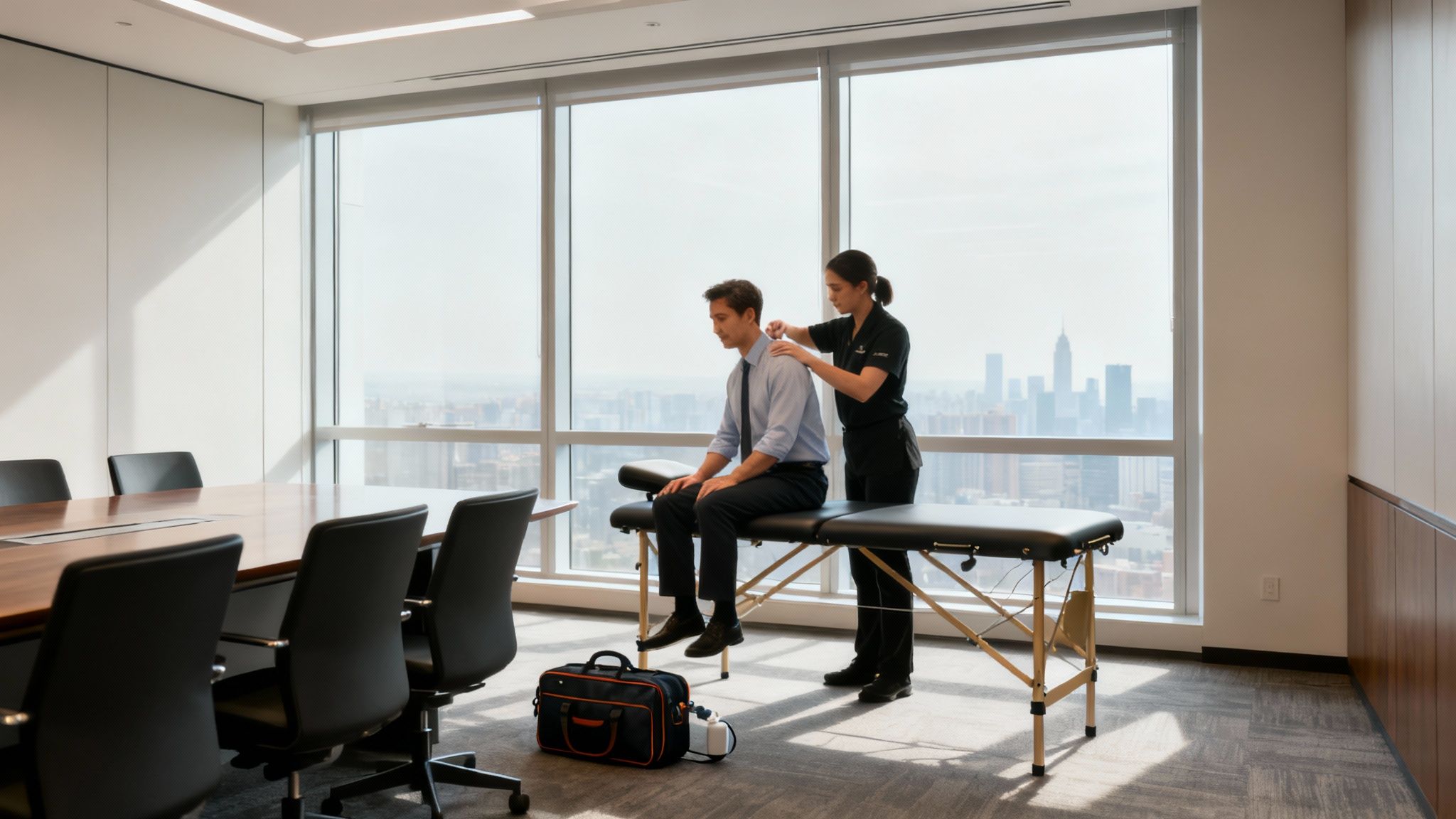
  • In the Office: Corporate massage directly addresses the postural strain and mental fatigue that build up during the workday, making it an incredibly efficient wellness tool.
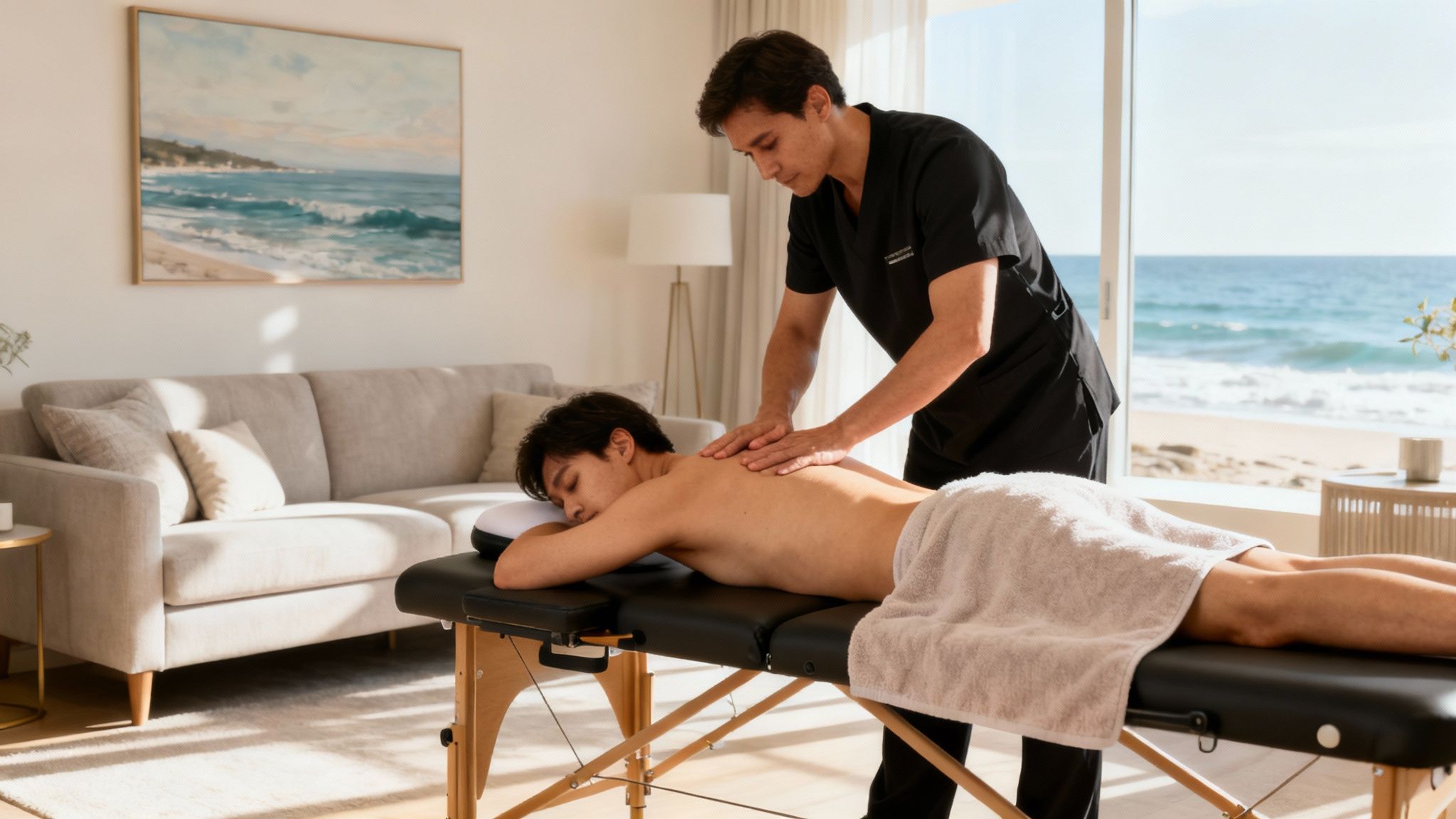
  • At Home: An at-home session cuts out travel, allowing you to relax completely in your own comfortable space without facing traffic afterwards.
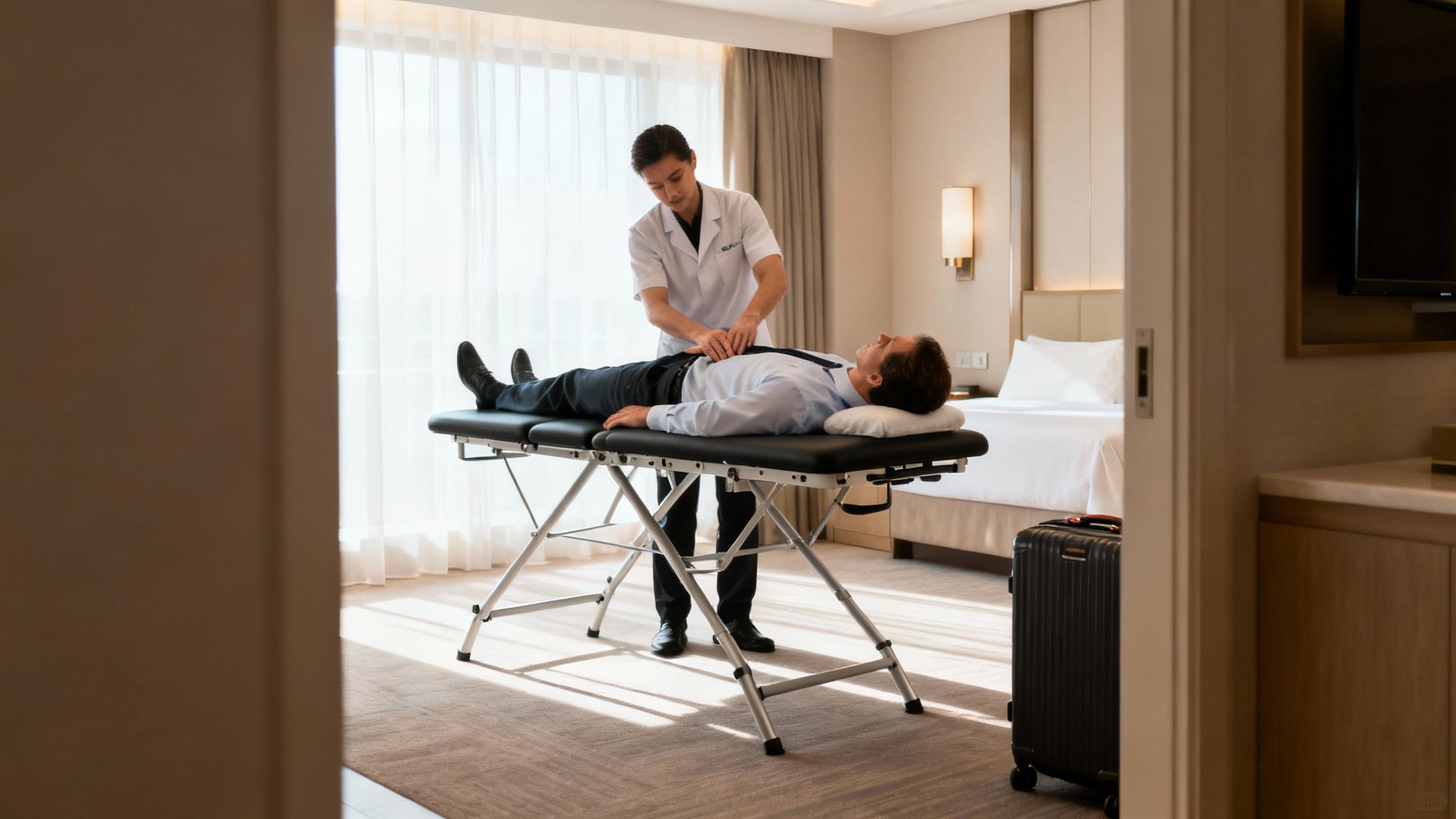
  • In a Hotel Room: For travellers, an in-room massage is the perfect way to recover from a long flight or prepare for a big meeting, right where you are.
  • On a Yacht: Even in luxurious or remote settings, mobile massage ensures you can access premium therapeutic care without any interruption to your downtime.

This convenient, modern approach makes consistent wellness not just possible, but achievable. Here in Australia, where lower back pain affects approximately 4 million people, having accessible care is vital. In fact, estimates suggest a staggering 70% to 90% of Australians will experience it at some point, making it a leading cause of disability and lost work productivity.

The most effective wellness strategy is one that integrates seamlessly into your life. By bringing expert massage therapy to your preferred location, you remove barriers to consistent care and create an environment for genuine recovery.

Choosing the right type of massage is just as important as where you have it. A Remedial Massage therapist, for example, will assess and treat the underlying cause of your pain. On the other hand, a Deep Tissue massage focuses purely on releasing severe tension trapped in those deeper layers of muscle. To get a better handle on this powerful technique, check out our detailed guide on what is deep tissue massage. This foundational knowledge will help you make an informed decision for lasting relief.

Comparing Top Massage Techniques for Back Pain

When you’re dealing with a sore lower back, picking the right type of massage can feel like a huge decision. Get it wrong, and you might get some fleeting relief. Get it right, and you could be on the path to feeling genuinely better for the long haul. Understanding what makes each style different is the first step to getting the targeted care your back is crying out for.

Every massage technique has a specific job. Some are designed to help you switch off and relax, while others get right in there to break down deep, stubborn knots or treat the root cause of an injury. By looking at their pressure, goals, and who they’re best for, you can make a smart choice that actually matches your pain.

Before we dive in, it helps to know what’s causing the ache in the first place.
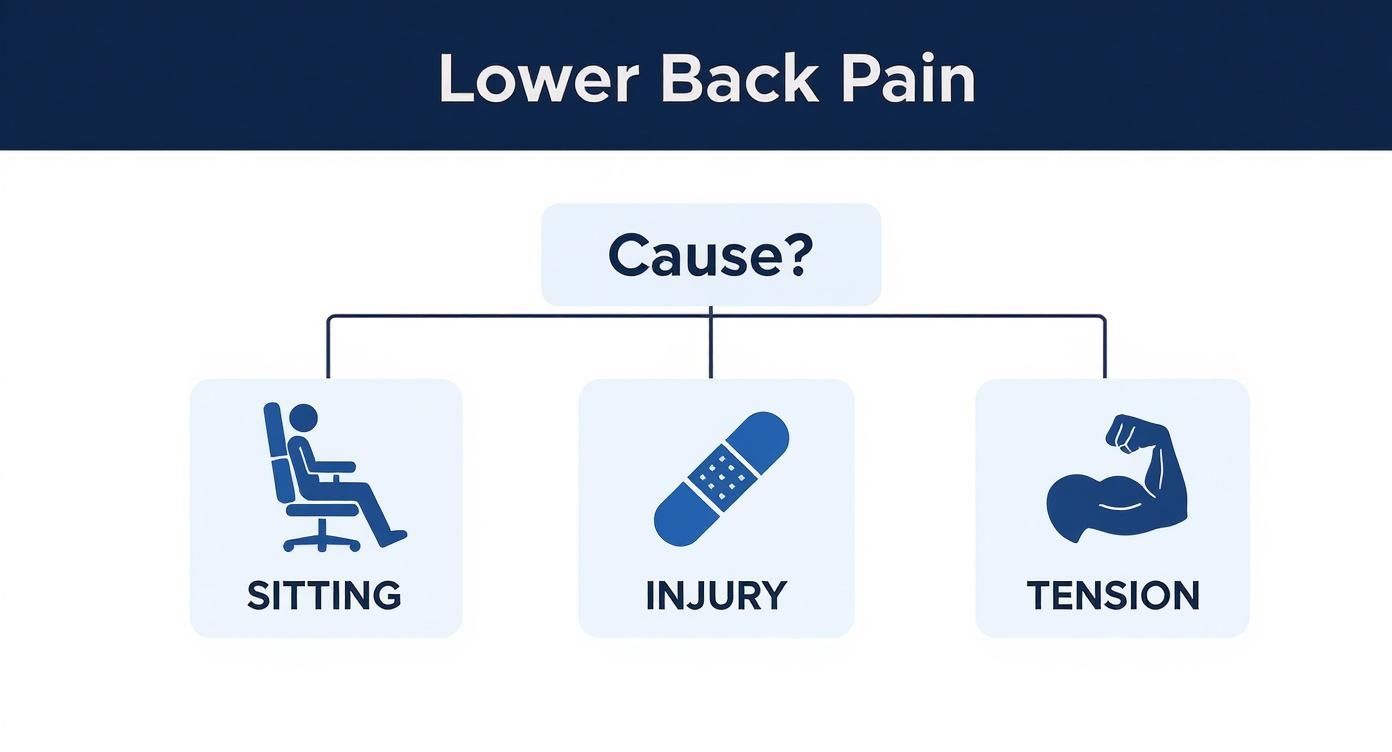
A diagram illustrating common causes of lower back pain, including sitting, injury, and tension.

As you can see, things like being stuck at a desk all day, a sudden injury, or just built-up muscle tension are the usual suspects. Each one needs a slightly different approach to fix.

Swedish Massage: A Gentle Introduction

Swedish massage is what most people picture when they think of a classic massage. It’s all about long, flowing strokes, kneading, and gentle circular movements that help you relax and get your circulation moving. It’s the perfect entry point if you’re new to massage or if your main goal is to de-stress rather than tackle intense muscle pain.

If your back pain feels like a direct result of a hectic week at work or just feeling generally worn out, a Swedish massage can work wonders. By calming your nervous system, it encourages your muscles to let go of the tension they’ve been subconsciously holding onto.

Deep Tissue Massage: Targeting Chronic Tension

Deep Tissue massage takes things up a notch. Using firm pressure and slow, deliberate strokes, your therapist targets the deeper layers of muscle and the connective tissue around them. This technique is specifically designed for chronic aches and pains, a stiff neck, upper back tightness, and sore shoulders that just won't quit.

A common myth is that deep tissue massage has to hurt to be effective. A skilled therapist works with your pain threshold to release tension, not create more. Good communication during your session is everything.

This is the go-to for anyone who spends hours hunched over a desk, which often leads to deep-seated knots in the lower back and shoulders. It works to undo those patterns of tension that have built up over time.

Remedial Massage: A Clinical Approach

Remedial massage is less about general relaxation and more about a targeted, therapeutic fix. It’s a systematic approach where a therapist assesses and treats muscles, tendons, ligaments, and connective tissues that are damaged, knotted, or immobile. They use a whole range of techniques to find and help repair the damage, supporting your body's natural healing process.

For those battling persistent lower back pain, understanding the benefits of remedial massage therapy is a game-changer. This style often provides a real path to long-term recovery, not just a temporary break from the pain. It’s no surprise it’s a popular choice for Aussies seeking effective treatment; in fact, lower back pain is the most common reason people seek massage therapy in Australia.

Sports Massage: For Active Lifestyles

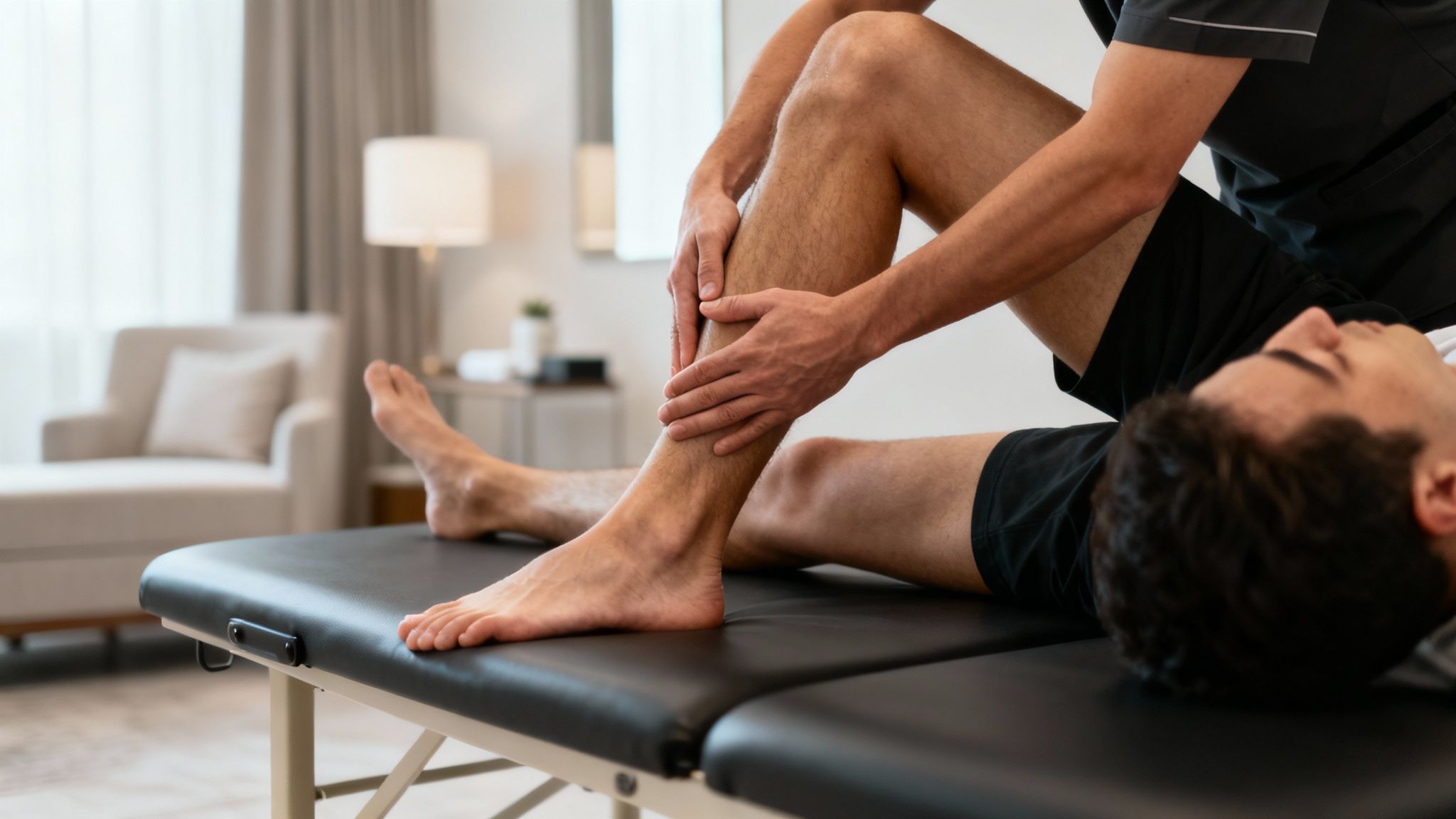
Don't let the name fool you; sports massage isn't just for pro athletes. It's incredibly beneficial for anyone who is regularly active. This technique zeroes in on the specific muscle groups used in your sport or activity. It can be used to prep your body for peak performance, cut down on fatigue, and relieve muscle swelling and tension after you’ve pushed yourself.

So, if your lower back is screaming after a weekend game of footy or a longer-than-usual run, a sports massage can target those strained muscles directly. It will help improve your flexibility and seriously speed up your recovery time, getting you back to the activities you love, sooner.

At-a-Glance Massage Comparison for Lower Back Pain

Feeling a bit overwhelmed by the options? Use this quick reference guide to compare the key characteristics of these four popular massage types and find the right one for your back pain.

Massage TypeBest ForPressure LevelPrimary Goal
Swedish MassageGeneral relaxation, stress reduction, and easing mild muscle tension.Light to MediumTo relax the entire body and improve blood flow.
Deep Tissue MassageChronic muscle pain, postural problems, and significant tension knots.Firm to DeepTo break down adhesions (knots) and restore normal movement.
Remedial MassageSpecific injuries, chronic pain conditions, and postural correction.Varies (Light to Deep)To treat a specific problem or injury and restore function.
Sports MassageAthletes, active individuals, injury prevention, and post-event recovery.Varies (Can be Deep)To enhance performance and treat sports-related injuries.

Ultimately, the best massage is the one that aligns with your specific symptoms and lifestyle. Whether you need the gentle touch of a Swedish massage or the targeted approach of Remedial, choosing correctly is the most important step towards relief.

Matching Your Massage to Your Lifestyle

The best massage for lower back pain isn't just about the technique; it’s about how that therapy fits into your actual life. The demands of your daily routine, how active you are, and even your current life stage all play a massive role in what your body is crying out for. A one-size-fits-all approach rarely delivers lasting relief.

Instead, the real key is matching the treatment to your specific circumstances. By understanding how different scenarios create their own distinct types of back pain, you can choose a massage that provides targeted, effective, and genuinely helpful care.
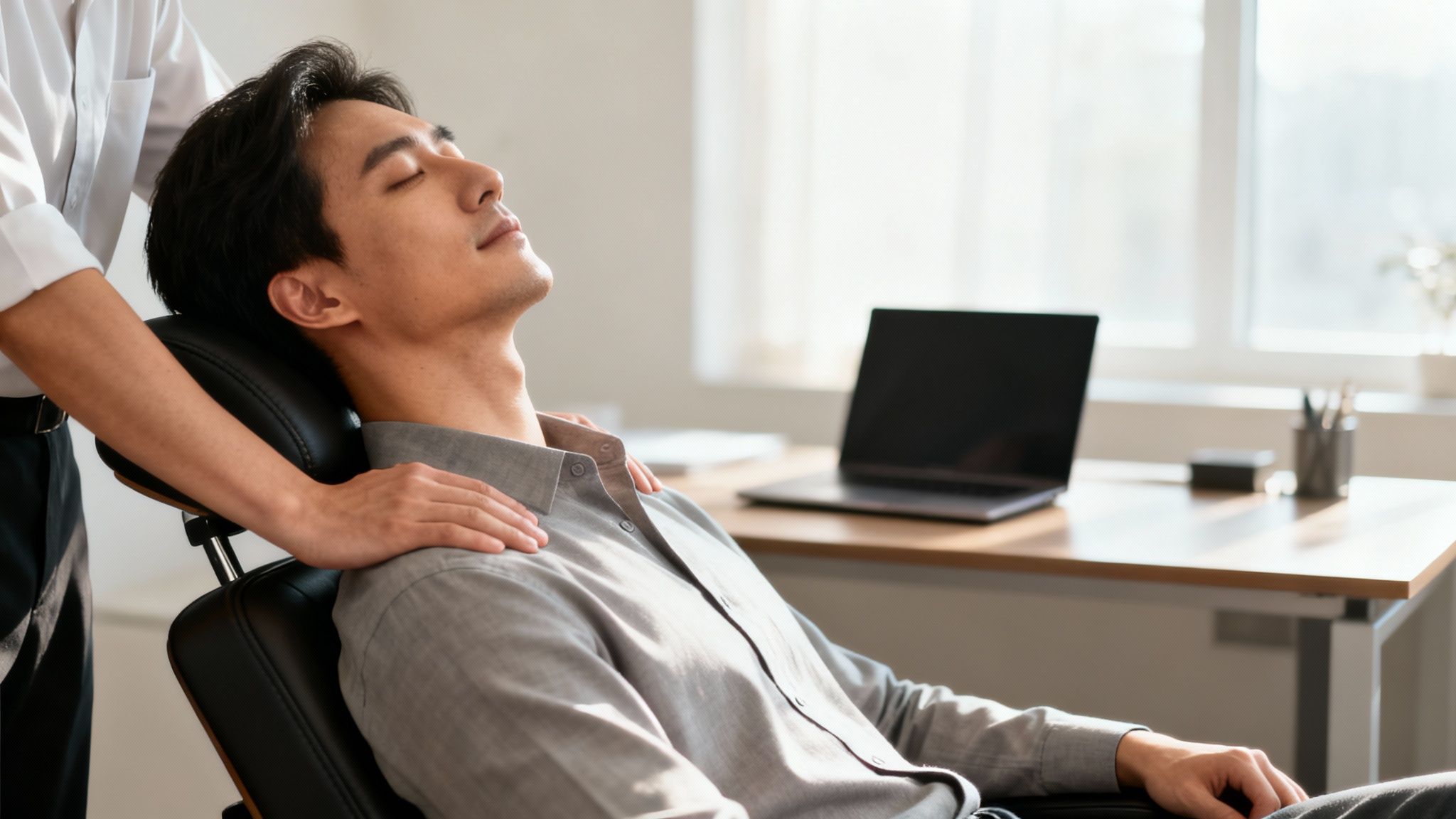
A man relaxes in an office chair, receiving a soothing shoulder massage from another person.

For the Corporate Professional: The Desk-Bound Back

Long hours slumped in an office chair, often with less-than-perfect posture, place an incredible strain on the lower back. This sustained compression leads to tight hip flexors, weakened glutes, and that persistent, nagging ache in the lumbar region. It's a common complaint we hear in offices from Sydney to Melbourne.

For this kind of postural strain, Remedial Massage is the clear winner. Unlike a general relaxation massage, a remedial therapist conducts a proper assessment to pinpoint exactly which muscles are overworked and which have switched off. They use specific techniques to release that chronic tension in the lower back and related areas like the glutes and piriformis, which are often the real culprits.

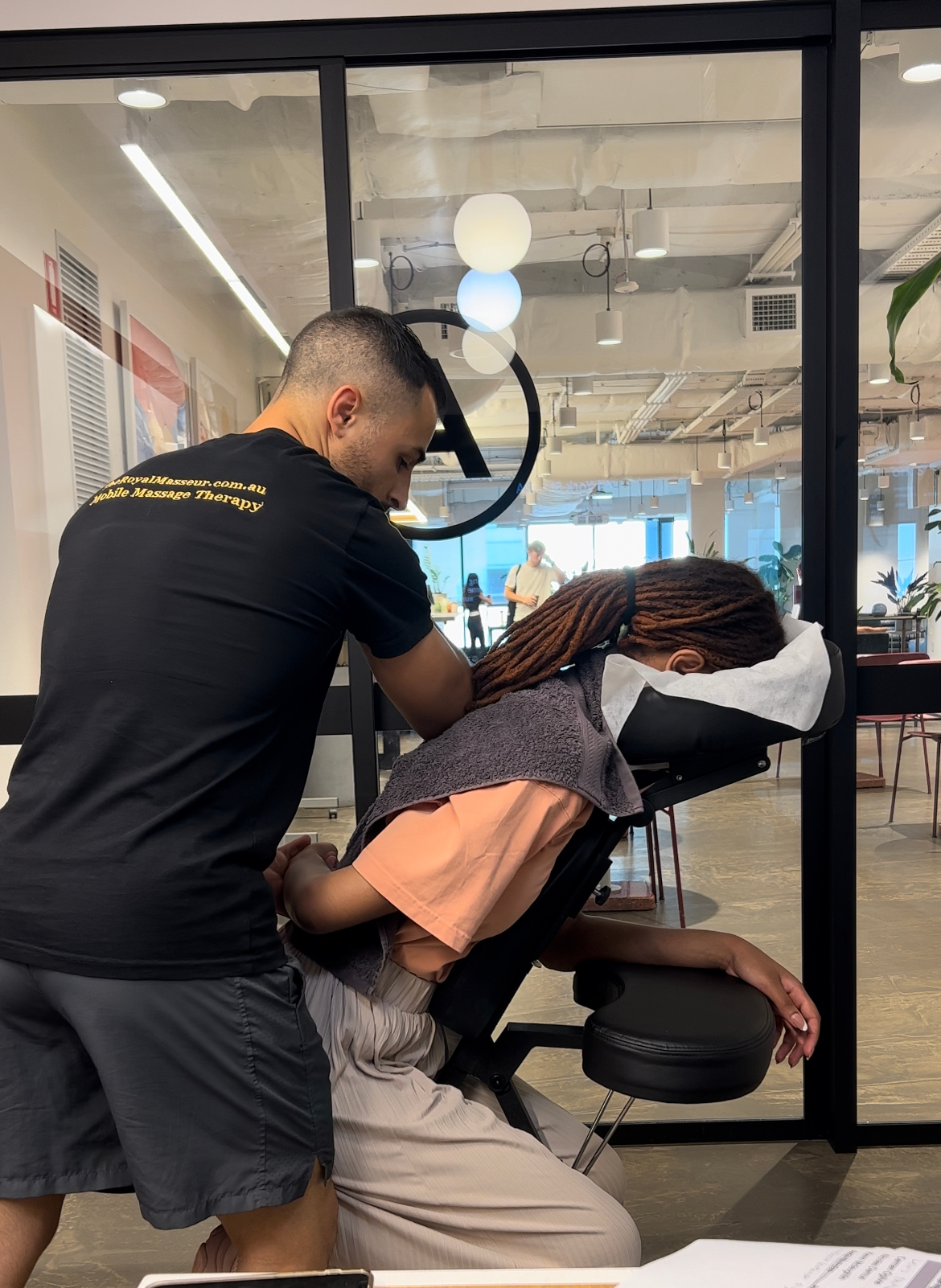
During a corporate wellness session, a remedial therapist can identify and address the root causes of 'desk back' right there on-site. They offer immediate relief and practical advice on ergonomic adjustments to stop it from coming back. This makes it an incredibly efficient solution for busy professionals.

A typical session might involve deep tissue work, trigger point therapy, and targeted stretching to restore muscular balance and improve mobility. The goal here is to correct the underlying problem, not just put a temporary band-aid on the symptoms.

For the Expectant Mother: Navigating Pregnancy Pains

Pregnancy brings rapid physical changes, including a shifting centre of gravity and hormonal shifts that relax your ligaments. This combination often results in lower back pain and sciatica—that sharp, shooting pain that can travel right down the leg. Finding a safe and effective solution is paramount for comfort during this incredible time.

Pregnancy Massage is specifically designed to address these unique challenges. Performed by a specially trained therapist, these sessions use supportive pillows and side-lying positions to ensure the complete safety and comfort of both mother and baby. The techniques are gentle yet incredibly effective, focusing on easing tension in the lower back, hips, and pelvis.

The main aim is to alleviate pressure on the sciatic nerve and reduce the muscular strain caused by a growing baby bump. Therapists use modified Swedish massage strokes to improve circulation, reduce swelling in the legs and feet, and promote overall relaxation—which is hugely beneficial for managing stress.

For the Active Individual: Recovering from Exertion

Whether you’re a weekend warrior hitting the footy field or a dedicated gym-goer, an active lifestyle can lead to muscle fatigue and strain. Overexertion, improper form, or just repetitive movements can easily result in a sore, tired lower back that gets in the way of your performance and recovery.

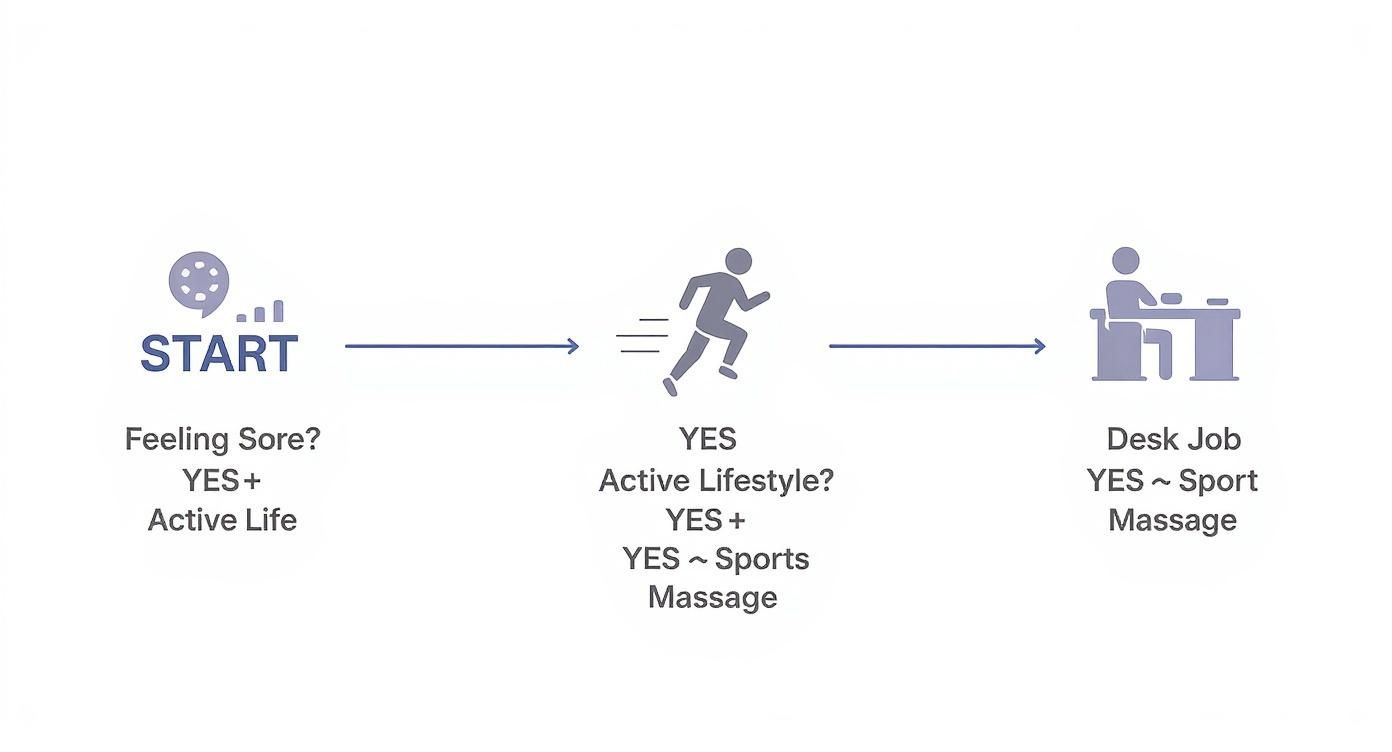
Sports Massage is the ideal choice for this scenario. It’s a dynamic, functional therapy focused on manipulating soft tissue to prevent injury, prepare the body for athletic activity, and seriously speed up recovery. A therapist will likely use a combination of deep tissue techniques, active stretching, and targeted pressure to address specific muscle groups.

For lower back soreness, a sports massage helps to:

  • Reduce muscle soreness by flushing out lactic acid and other metabolic waste.
  • Improve flexibility and range of motion in the hips and lumbar spine.
  • Break down adhesions (those pesky knots) that can restrict movement and cause pain.

This approach is less about whole-body relaxation and more about getting functional results. It helps you recover faster and maintain your active lifestyle, whether you're training for a marathon or just enjoying a regular fitness routine on the Gold Coast.

Let's talk about unlocking wellness, even when your schedule is jam-packed.

For busy professionals, the biggest roadblock to feeling better isn't a lack of desire—it's a lack of time. This is where modern wellness solutions have completely changed the game, bringing expert care right to your doorstep and cutting out the travel time, traffic, and stress. It’s a simple shift that turns massage from a once-in-a-blue-moon treat into a regular, vital part of your health routine.

Suddenly, the "best" massage for your lower back pain becomes the one that you can actually fit into your life.

This is about more than just convenience; it's about making the therapy itself more effective. When you don't have to battle traffic or rush to an appointment, your body and mind are already starting from a calmer place. Receiving a treatment in the comfort and privacy of your own home, hotel room, or even a yacht allows for a much deeper level of healing. Your nervous system can genuinely switch off, making every minute of the massage count.

The whole experience becomes seamless. The stress of the commute is gone, replaced by the calm of your own space, ensuring the benefits of your session stick around long after the therapist has packed up.

Corporate Wellness: Onsite Relief in the Office

The modern workplace can be a real battleground for your back. Endless hours sitting—often with suboptimal posture—lead to chronic muscle strain, reduced productivity, and more sick days. Forward-thinking Australian companies now recognise that proactive wellness initiatives are not just a perk; they are a strategic investment in their team's health and performance.

Corporate massage is a direct, powerful solution. By bringing qualified therapists onsite, businesses offer immediate relief from the physical and mental toll of office life. This typically involves:

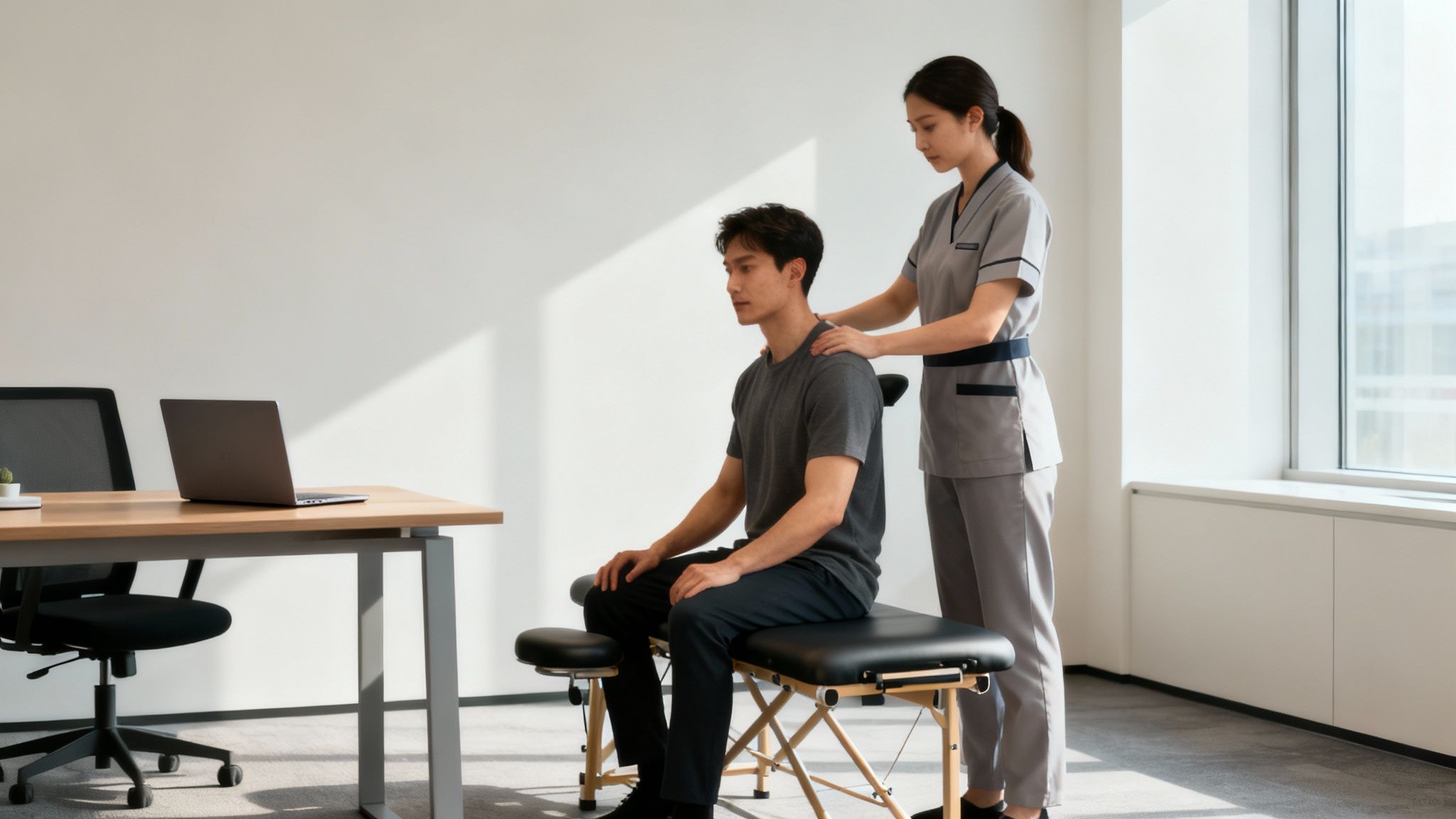
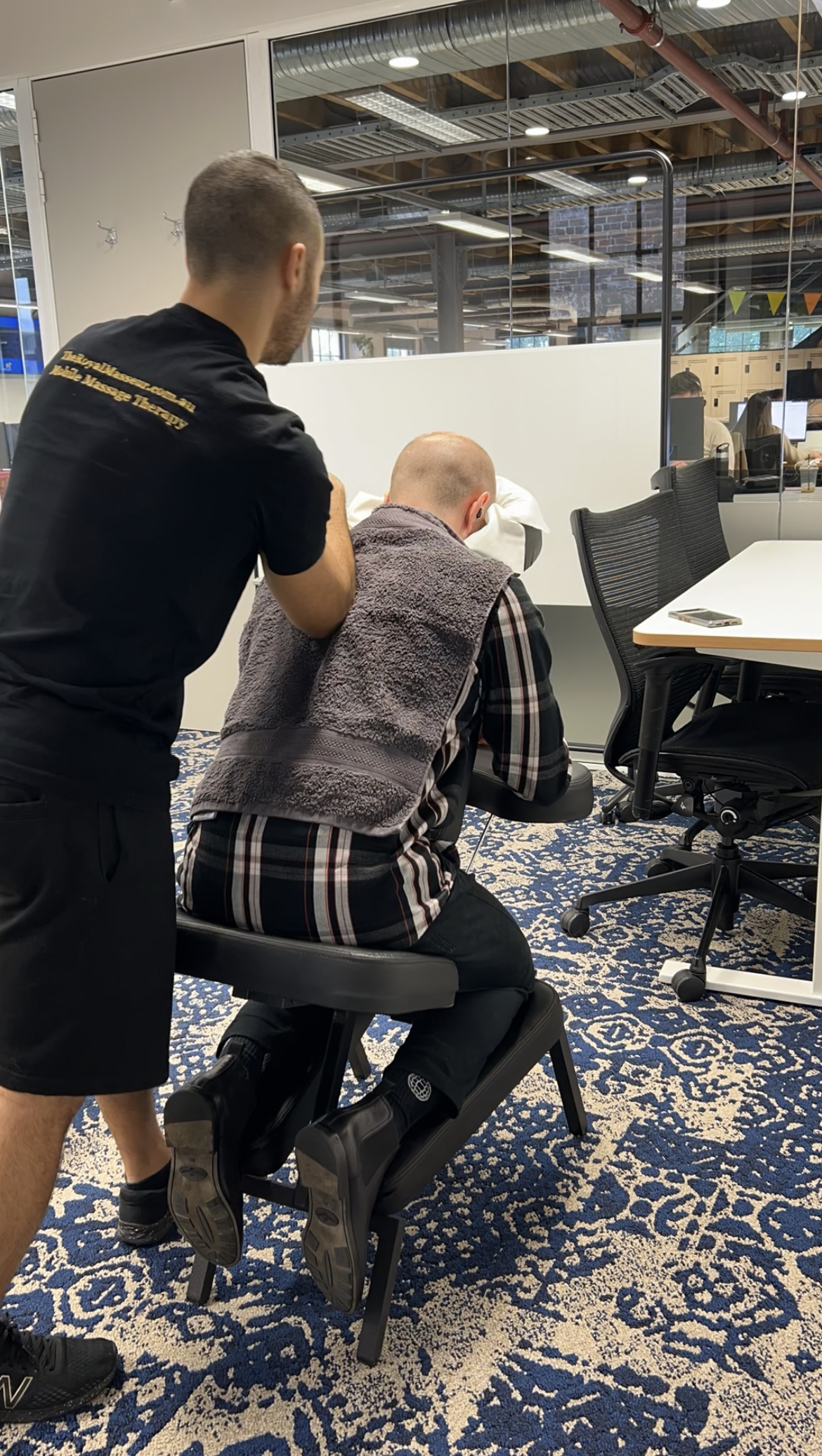
  • Seated Chair Massages: These are quick, focused 15-20 minute sessions that target the neck, shoulders, and back—the exact spots that ache after hours at a desk.
  • Table Massages: For companies with a dedicated wellness room, a full-length table massage provides a more comprehensive, clinical-style treatment.

Onsite massage is a game-changer for morale and productivity. Just a short session can hit the reset button on stress, melt away muscle tension, and send employees back to their desks feeling refreshed and refocused.

This approach directly addresses the root of workplace-related back pain. It improves postural awareness and eases tension that accumulates over a long week, all while demonstrating that employee wellbeing is a genuine priority.

Mobile Massage: Your Personal Sanctuary, Anywhere

While corporate programs are excellent for team wellness, there are times you need a more private, personalised session. This is where mobile massage truly shines, delivering the full professional clinic experience directly to you, wherever you may be—at home, in a hotel, or on the water. It’s an invaluable service for those with demanding schedules or who simply value ultimate convenience.

Imagine finishing a long day and having a professional therapist arrive at your door, ready to set up a comfortable table and provide a treatment designed specifically for you. It removes all logistical hurdles, making it easier to prioritise your health. The Royal Masseur is at the forefront of this service, and you can easily find a mobile massage therapist near me to fit your schedule.

This flexibility is not just for home. If you're travelling for business or pleasure in cities like Sydney or Brisbane, an in-room hotel massage can undo the stiffness from a long flight. For a truly premium experience, therapists can even provide treatments on luxury yachts, proving that high-end wellness can be accessible no matter where life takes you. This level of personalised care ensures you get the relief you need, whenever and wherever you need it most.

Supporting Your Back Health Beyond the Massage

While a professional massage delivers powerful, targeted relief, keeping that lower back pain at bay is all about what you do between sessions. Think of it this way: the massage hits the reset button, but your daily habits determine how long that blissful feeling lasts. True, long-term wellness is built on those small, consistent efforts.

Lasting relief isn't just about treating the symptoms. It’s about getting to the root causes, which are so often embedded in our daily lives—the way we sit at our desks, how we sleep, and how we move.
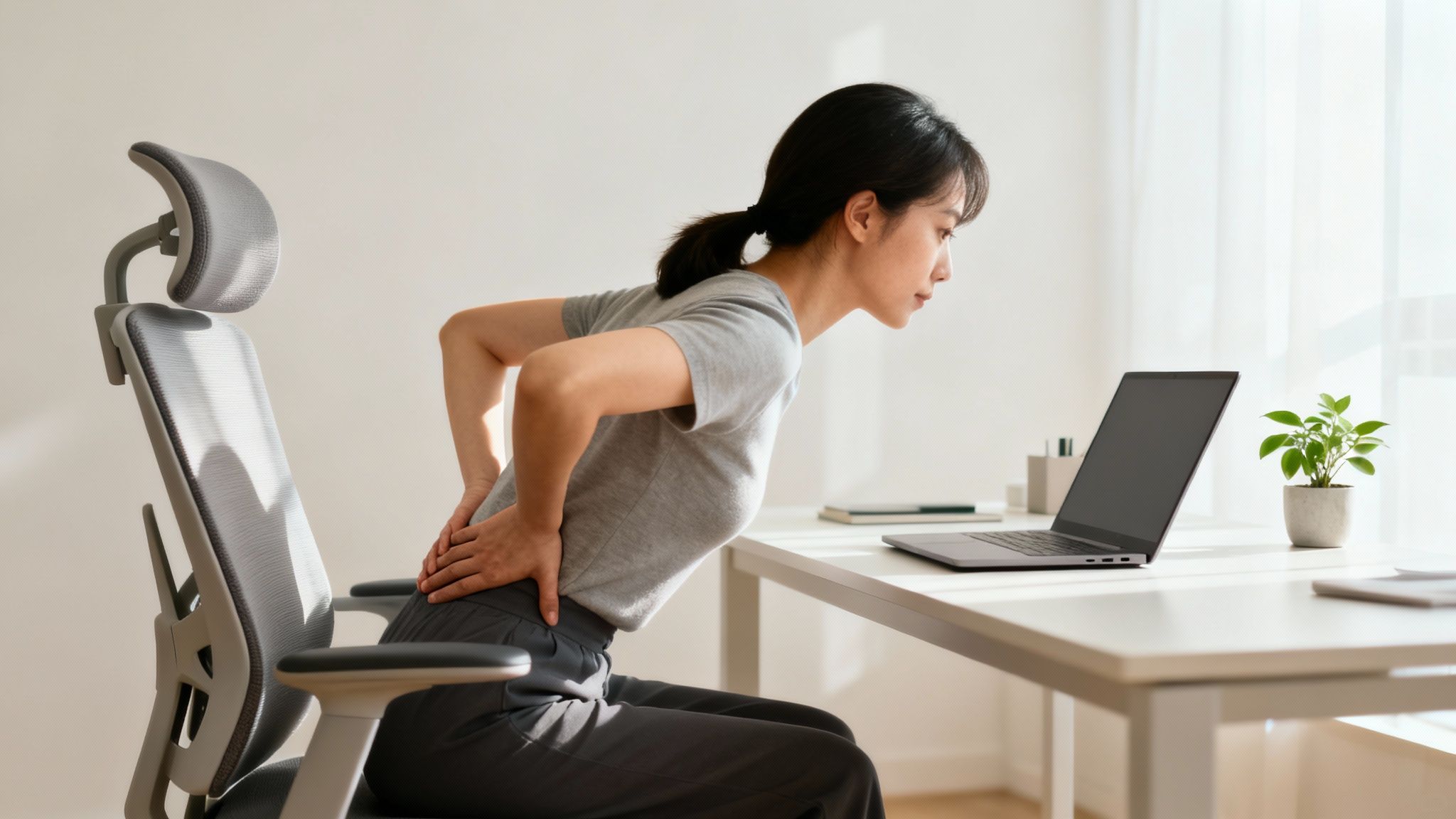
A woman experiencing lower back pain while sitting at a desk and working on her laptop.

Simple Stretches for Any Location

Weaving simple movements into your day is a game-changer, especially for counteracting the effects of prolonged sitting. Whether you're in the office, a hotel room, or working from home, these stretches are designed to be quick, discreet, and incredibly effective.

  • Seated Cat-Cow: While sitting, place your hands on your knees. Inhale as you arch your back and look up, opening your chest. Exhale as you round your spine and drop your chin, feeling a gentle release in your lower back. Repeat 5-8 times every hour. It's a lifesaver.
  • Knee-to-Chest Stretch: Lying on your back, gently pull one knee toward your chest until you feel a comfortable stretch in your lower back and glute. Hold for 20-30 seconds, then switch sides. This is a perfect one to do at home just before bed to release the day's tension.
  • Glute Bridge: Lying on your back with knees bent and feet flat, lift your hips off the floor until your body forms a straight line from your shoulders to your knees. This strengthens your glutes, the powerhouse muscles that provide crucial support for your lower back.

These simple movements improve spinal flexibility and boost circulation, helping to keep your muscles supple and happy.

Building Core Stability and Good Habits

A strong core is like a natural corset for your spine. It provides stability and takes a huge amount of strain off your lower back. You don’t need gruelling gym sessions to build one, either; simple exercises make a world of difference. The 'bird-dog' exercise, for example, is brilliant for engaging your abdominal and back muscles at the same time.

Beyond exercise, mindful habits are everything. When lifting anything, always bend at your knees, not your waist. Make sure your workspace is set up ergonomically, with your monitor at eye level and your chair providing proper lumbar support. These small adjustments prevent the tiny micro-traumas that can accumulate over time and lead to chronic pain.

Supporting your back is a 24/7 job that extends right into your sleep. Your mattress and pillows play a massive role in spinal alignment. An unsupportive sleep surface can undo all the good work of a massage in a single night.

Ensuring your sleeping environment supports your back is just as important as the massage itself. Investing in quality sleep products is a direct investment in your back health, and many people have great success by finding the best mattress topper for back pain to add that extra layer of crucial support.

This is especially relevant when you look at the scale of the issue here in Australia. Chronic lower back pain is a major burden, with one in six people—that’s 4 million of us—affected at any given time. It’s the third leading cause of disease burden and costs the Australian health system around $3.4 billion every year. This is why health experts advocate for integrated approaches that combine massage with education and exercise for genuine, long-term benefits. By adopting these supportive habits, you become an active partner in your own wellness journey.

Your Back Pain Massage Questions, Answered

Stepping into any new therapy, even one as natural as massage, usually comes with a few questions. That's completely normal. Understanding what to expect helps you get the most out of every session and weave it into your wellness routine in a way that actually works.

Many people wonder if they're on the right track, especially when they're just starting out. Getting clear on how often to book, what your body might feel like afterwards, and when it’s time to loop in a doctor helps you feel confident and in control of your back pain journey.

How Often Should I Get a Massage for Chronic Back Pain?

Finding the right rhythm for your massages is the key to managing chronic lower back pain for the long haul. There’s no single magic number; the ideal schedule really comes down to your pain levels, your lifestyle, and how your body responds to the treatment. It’s all about striking that perfect balance between consistent relief and a routine you can actually stick to.

A good rule of thumb for anyone with persistent discomfort is to schedule sessions more frequently at the start, just to get on top of the pain. Once your symptoms begin to settle down, you can start spacing them out.

A smart approach often looks something like this:

  • Initial Phase: Kick things off with a massage once a week for the first 4-6 weeks. This gives your therapist the chance to really get to work on that long-standing muscle tension and keep a close eye on your progress.
  • Maintenance Phase: As you start to feel a significant improvement, you can switch to a maintenance plan of once every 2-4 weeks. This frequency is great for preventing pain from creeping back and managing any new tension from daily life.
  • As-Needed Basis: For those with milder, more intermittent pain, just booking a session during a flare-up or after a particularly demanding activity might be all you need.

Think of your massage schedule like a fitness plan. Consistency is what delivers results. Working with your therapist to create a personalised schedule ensures your treatment is both effective and sustainable for your lifestyle and budget.

For a corporate professional in Sydney dealing with constant postural strain from being desk-bound, a fortnightly remedial massage at the office could be a game-changer. On the other hand, someone with less severe pain might find a monthly session at home is more than enough to keep them feeling their best.

Is It Normal to Feel Sore After a Massage?

Yes, it’s quite normal—and often a good sign—to feel a bit of soreness after certain massages, especially deep tissue or remedial work. The sensation is known as post-massage soreness or Delayed Onset Muscle Soreness (DOMS), and it feels a lot like how your muscles feel after a solid workout.

This happens because your therapist has been working on tight, knotted muscles that might have been holding tension or have been underused for a long time. The pressure helps release these adhesions and boost blood flow, but this process can create a little temporary inflammation as the tissues start to heal and realign.

This feeling typically only lasts for 24 to 48 hours, and you can help ease it by:

  1. Hydrating Well: Guzzling plenty of water helps flush out all the metabolic waste that gets released from your muscles during the massage.
  2. Taking a Warm Bath: An Epsom salt bath can be wonderfully soothing, helping to relax your muscles even further and ease any aches.
  3. Gentle Movement: Skip the strenuous exercise, but a bit of gentle walking or light stretching can prevent stiffness and keep the circulation going.

Think of this temporary soreness as a signal that your body is adapting and healing. It’s proof that the massage hit the right spots, paving the way for better mobility and less pain down the track.

When Should I See a Doctor for My Back Pain?

While massage is a brilliant tool for managing musculoskeletal pain, it's vital to know when your symptoms need a proper medical opinion. Your safety is always the number one priority. Remember, massage therapists are not doctors and can't diagnose underlying conditions.

You should definitely book an appointment with your GP before getting a massage if your lower back pain comes with any of these "red flag" symptoms:

  • Numbness, tingling, or weakness that travels down one or both legs, especially if it's getting worse.
  • Loss of bladder or bowel control—this is a medical emergency.
  • Pain that’s the result of a major trauma, like a car accident or a bad fall.
  • Unexplained weight loss, fever, or chills along with the back pain.
  • Pain that is constant, severe, and doesn't get better with rest or changing your position.

Getting a proper diagnosis from a healthcare professional here in Australia ensures any serious medical issues are ruled out first. Once you have the all-clear, a qualified massage therapist can work in partnership with your doctor's advice to provide safe and effective relief.


Ready to take the next step towards a pain-free back? The expert therapists at The Royal Masseur bring personalised, five-star treatments directly to your home, hotel, or office. Experience the ultimate convenience in wellness by booking your tailored mobile massage session today.

Posted on Leave a comment

Finding a Pregnancy Massage Near Me That You Can Trust

Finding a pregnancy massage is about so much more than just easing a sore back. It’s about carving out a moment of genuine comfort and safety for yourself during one of life’s biggest transformations. For expecting mums across Australia, finding the right therapist can be the key to managing that persistent back pain, swollen ankles, and the general stress that comes with growing a human.

This guide is all about helping you find that perfect session, wherever you feel most at ease.

Finding Your Sanctuary of Relief During Pregnancy

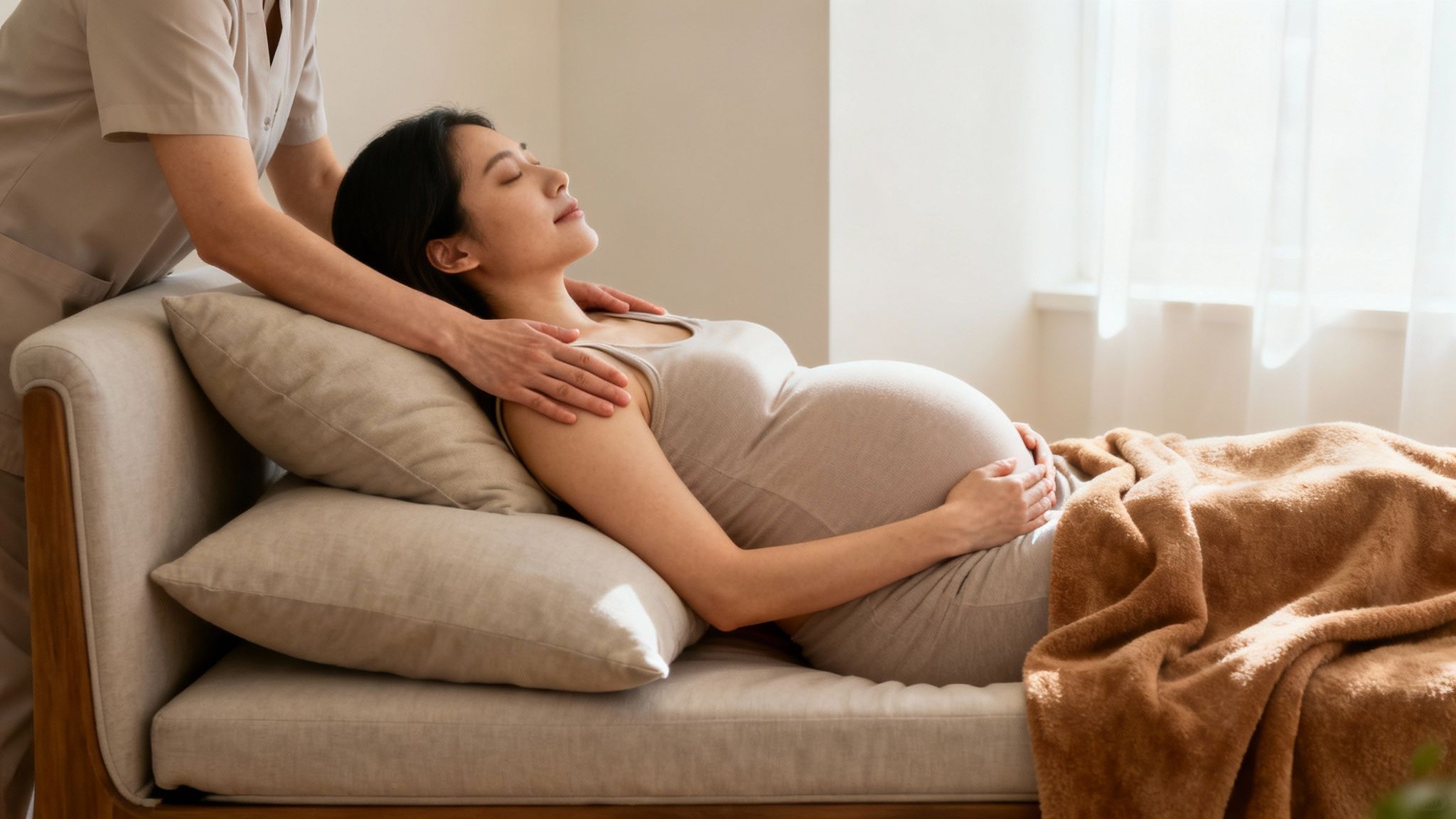
A pregnant woman lies on a sofa, receiving a relaxing neck and shoulder massage from a therapist.

Pregnancy is an incredible journey, but let’s be honest—it comes with its fair share of physical hurdles. From the constant strain on your lower back to swollen feet and sleepless nights, your body is working overtime. A specialised prenatal massage isn’t just a luxury; it’s a targeted therapy designed to tackle these exact discomforts safely and effectively.

But the last thing you need is another appointment to rush to. Modern wellness services get this, which is why high-quality care can now come directly to you. Imagine skipping the traffic and the waiting room, and instead having a certified therapist create a serene, professional setup right where you are.

Wellness That Comes to You

Today’s expecting mothers have fantastic flexibility when it comes to booking a massage. You can arrange for a professional therapist to meet you in a setting that best suits your schedule and comfort level.

  • At Home: This is the ultimate convenience. A therapist can set up in your living room, perfect for when you’re on bed rest, juggling other kids, or simply don’t feel like travelling.
  • In the Office: A corporate wellness break can be a game-changer. A quick, targeted massage in a private meeting room can help you de-stress and manage pregnancy-related tension during your workday.
  • In a Hotel Room: If you're travelling for work or enjoying a babymoon, an in-room massage brings that five-star relaxation right to your door, skipping the need to navigate an unfamiliar area.
  • On a Yacht: For a truly unique and luxurious escape, a mobile therapist can even provide a session while you’re out on the water, turning a special day into a complete wellness retreat.

This focus on mobile wellness means your personal sanctuary of relief can be anywhere you need it to be.

The core idea is simple: your comfort and safety are the top priorities. A qualified therapist brings all necessary equipment, from supportive pillows to a professional table, ensuring a professional experience no matter the location.

Here in Australia, pregnancy massage is increasingly recognised as a vital part of maternal healthcare. It’s viewed as a supportive therapy for managing common symptoms like muscle pain and swelling. The national resource, Pregnancy Birth and Baby, highlights how this specialised care helps reduce stress, improve sleep, and ease physical discomforts.

This guide is your complete toolkit for finding, vetting, and booking a blissful massage experience that’s perfectly suited to your pregnancy journey.

How to Vet and Choose a Qualified Prenatal Therapist

Moving from a quick "pregnancy massage near me" search to actually finding a genuinely qualified therapist takes a little bit of homework. It’s all about making sure the person you trust with your body has the specific skills needed to provide safe, effective care during this unique time. Your peace of mind is everything, and the right practitioner offers not just relaxation, but true expertise.

The good news is that specialisation in prenatal care is growing among Australian therapists. With a high concentration of practitioners in metro areas, your chances of finding an expert are pretty high.

Start Your Search in the Right Places

Instead of just trusting generic search results, your first move should be to head straight to directories that list accredited professionals. Think of this as your first filter for quality and safety.

In Australia, the absolute best place to begin is with the professional associations. These organisations make sure their members are properly qualified, insured, and follow a strict code of ethics.

  • Massage & Myotherapy Australia (MMA): This is the leading professional body in Australia. Their "Find a Therapist" tool is brilliant—it lets you search for members in your area who specifically list prenatal massage as a specialty.
  • Association of Massage Therapists (AMT): Another highly reputable organisation with a searchable database of certified practitioners right across the country.

Using these resources immediately narrows your search down to therapists who meet national standards. It saves you a ton of time and gives you confidence right from the get-go.

Essential Questions to Ask Any Potential Therapist

Once you've got a shortlist, the next step is to reach out and ask a few direct questions. This isn't about being difficult; it's about being an informed health consumer. A quick phone call or a simple email is all it takes.

A true professional will always be happy to answer your questions and provide proof of their qualifications. Think of it as a brief, friendly interview to make sure they’re the right fit for you.

Here’s a simple script you can adapt for an email:

"Hi [Therapist's Name], I'm currently [X] weeks pregnant and looking for a prenatal massage. Could you please tell me a bit more about your qualifications and experience with pregnancy massage? I'd love to know what specific certifications you hold in this area. Thanks so much, [Your Name]."

This simple, polite enquiry opens the door for a transparent conversation about their expertise.

Your Therapist Vetting Checklist

When you connect with a potential therapist, it's smart to have a few key questions ready. This helps you cover all the important bases and compare different practitioners fairly. Use this quick-reference table to guide your conversation.

Question CategoryWhat to AskWhy It Matters
Qualifications"What specific prenatal massage certifications do you hold?"General massage training isn't enough. Specialised certification ensures they understand pregnancy-specific anatomy, risks, and safe techniques.
Experience"How long have you been practising prenatal massage, and do you work with clients across all trimesters?"An experienced therapist will be comfortable adapting techniques for the first, second, and third trimesters, each of which has unique needs and considerations.
Insurance"Are you fully insured for prenatal massage services?"This is non-negotiable. Professional liability insurance protects both you and the therapist, and it's a hallmark of a legitimate practitioner.
Logistics"What kind of pillows or bolsters do you use to support pregnant clients?"A qualified therapist will immediately describe using a side-lying position with ample support, demonstrating their commitment to your safety and comfort.

Asking these questions empowers you to make a decision based on expertise and safety, not just on proximity or price. It transforms your search from a simple booking into a considered choice for your wellbeing.

Mobile Massage vs Clinic: Which Is Right for You?

When you’re looking for a "pregnancy massage near me," one of the first things you'll weigh up is where to have it. Do you go to a traditional clinic, or have a mobile massage service come to you? It's a big decision, and honestly, one isn't better than the other. It’s all about what fits your life and comfort level right now.

Flexibility is everything these days, and you don't always have to travel for exceptional care. While a clinic might have fancy equipment, like those tables with special belly cut-outs, the sheer convenience and privacy of an in-home service is pretty hard to beat. This is especially true when you're pregnant and dealing with traffic, parking, and just getting around feels like an Olympic sport.

The Comfort and Convenience of Mobile Massage

The biggest drawcard for a mobile massage is undeniable: pure convenience. A certified therapist turns up at your door with a professional table, fresh linens, and all the supportive pillows needed to transform your space into a temporary sanctuary. This option is an absolute lifesaver in so many scenarios.

Picture this: you're on doctor-ordered bed rest but your back is screaming for relief. A mobile therapist can set up right in your living room, giving you essential care without you having to move an inch. Or, if you're a busy professional, a quick wellness session in a private office can be an incredible way to de-stress and manage pregnancy aches during your workday.

The real beauty of mobile massage is how it strips away all the external stressors. There's no navigating a busy city, no hunting for a park, and definitely no rushing home afterwards. You just get to relax and let that post-massage bliss sink in.

This ultimate convenience can extend to some pretty unique settings, too. A mobile therapist could meet you in a hotel room during your babymoon or even on a yacht for a truly luxurious escape. To get a real feel for what’s possible, it’s worth checking out the options from a provider of mobile massage therapists near you to see just how flexible this service can be.

The Specialised Environment of a Clinic

On the flip side, a dedicated clinic offers a different kind of controlled environment. These spaces are purpose-built for therapy, often kitted out with hydraulic tables that adjust for perfect positioning and other specialised gear designed specifically for pregnant bodies.

Some mums-to-be really prefer the mental separation that comes with leaving the house for an appointment. It draws a clear line between home life and self-care, helping them to switch off completely without the distractions of pets, doorbells, or a mounting to-do list in the next room.

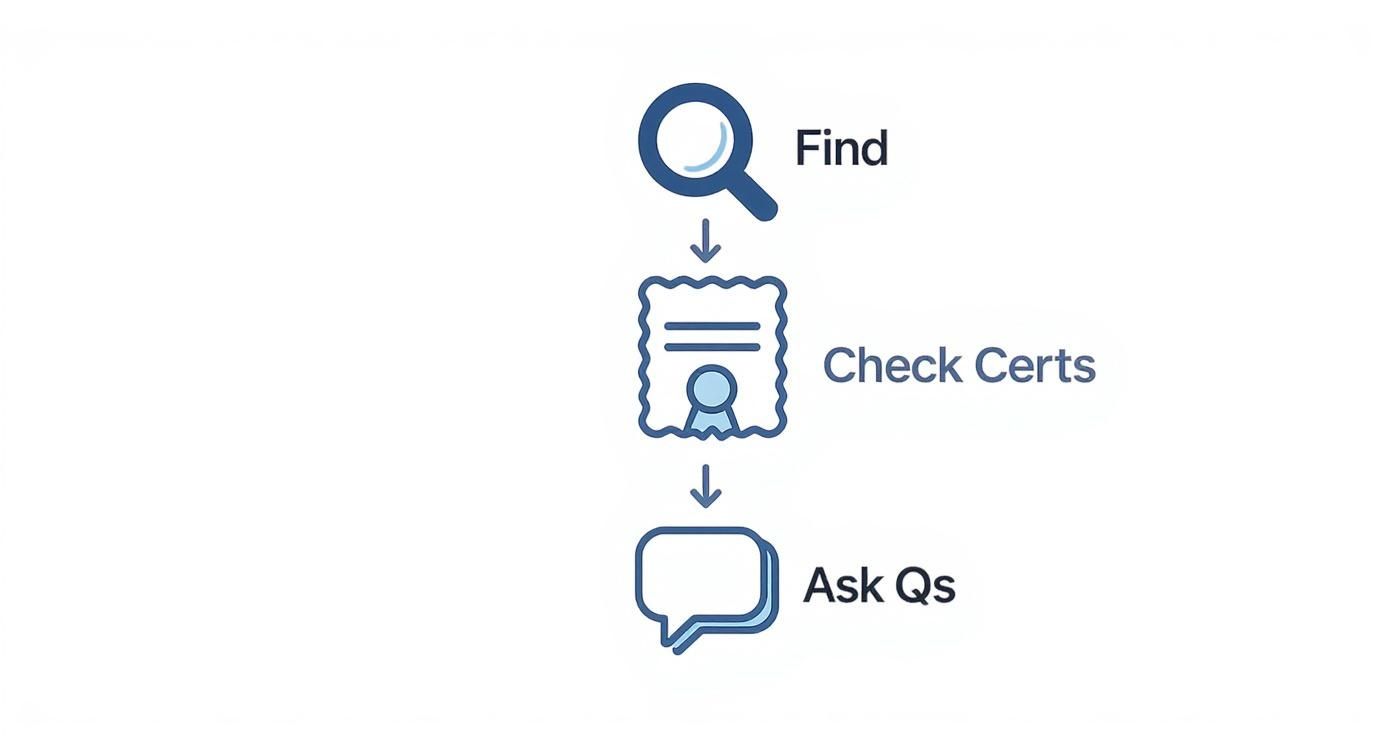
Whether you're leaning towards a mobile service or a clinic, the process for vetting your therapist is the same. Here’s a simple flowchart to guide you through the must-do steps.

A flowchart detailing a three-step process: Find, Check Certs, and Ask Qs, with icons.

This breaks it down into finding potential therapists, checking their certifications, and asking the right questions—all crucial steps for ensuring your safety and getting a quality massage, no matter the setting.

Making the Right Choice for Your Needs

So, how do you decide? It really boils down to your personal circumstances, what makes you feel most comfortable, and where you're at in your pregnancy.

A mobile massage might be your perfect fit if:

  • You value ultimate convenience and total privacy.
  • Travel is difficult or just plain stressful for you right now.
  • You’re on bed rest or have other mobility challenges.
  • You want to squeeze a wellness break into your workday at the office.

You might prefer a clinic-based massage if:

  • You need a change of scenery to fully switch off and relax.
  • You’d like access to highly specialised equipment like tables with belly cut-outs.
  • You enjoy the structured, professional vibe of a dedicated wellness centre.
  • You find it easier to disconnect from home duties by physically leaving the house.

At the end of the day, both options can provide a safe and deeply beneficial pregnancy massage, as long as you choose a properly certified therapist. The best decision is simply the one that makes you feel the most comfortable, supported, and relaxed.

Preparing for Your Session for Maximum Safety and Comfort

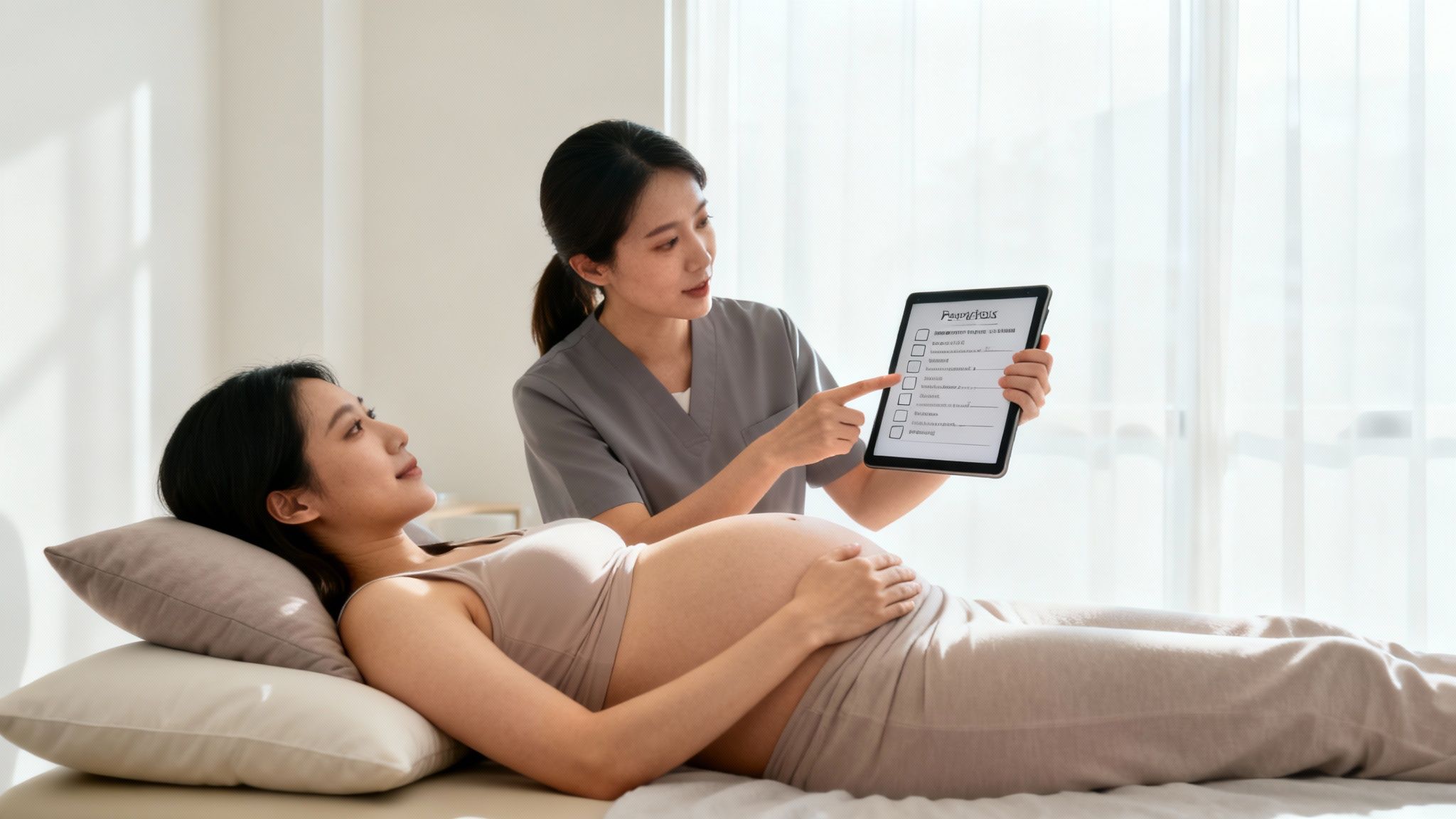
A pregnant woman lies on a bed while a nurse shows her a checklist on a tablet.

So you've found your perfect therapist and locked in an appointment—fantastic! Now, a little bit of prep work can elevate a good massage into an absolutely brilliant one. This isn't just about getting the room ready; it's about empowering yourself to be an active partner in your own care, making sure every moment is perfectly suited to your body's needs right now.

Think of this as your pre-flight check for ultimate comfort and safety. The most important part of this whole process is the chat you have with your therapist before you even get on the table. This is no time to be shy—open communication is the absolute cornerstone of safe and effective prenatal massage.

The Essential Pre-Massage Conversation

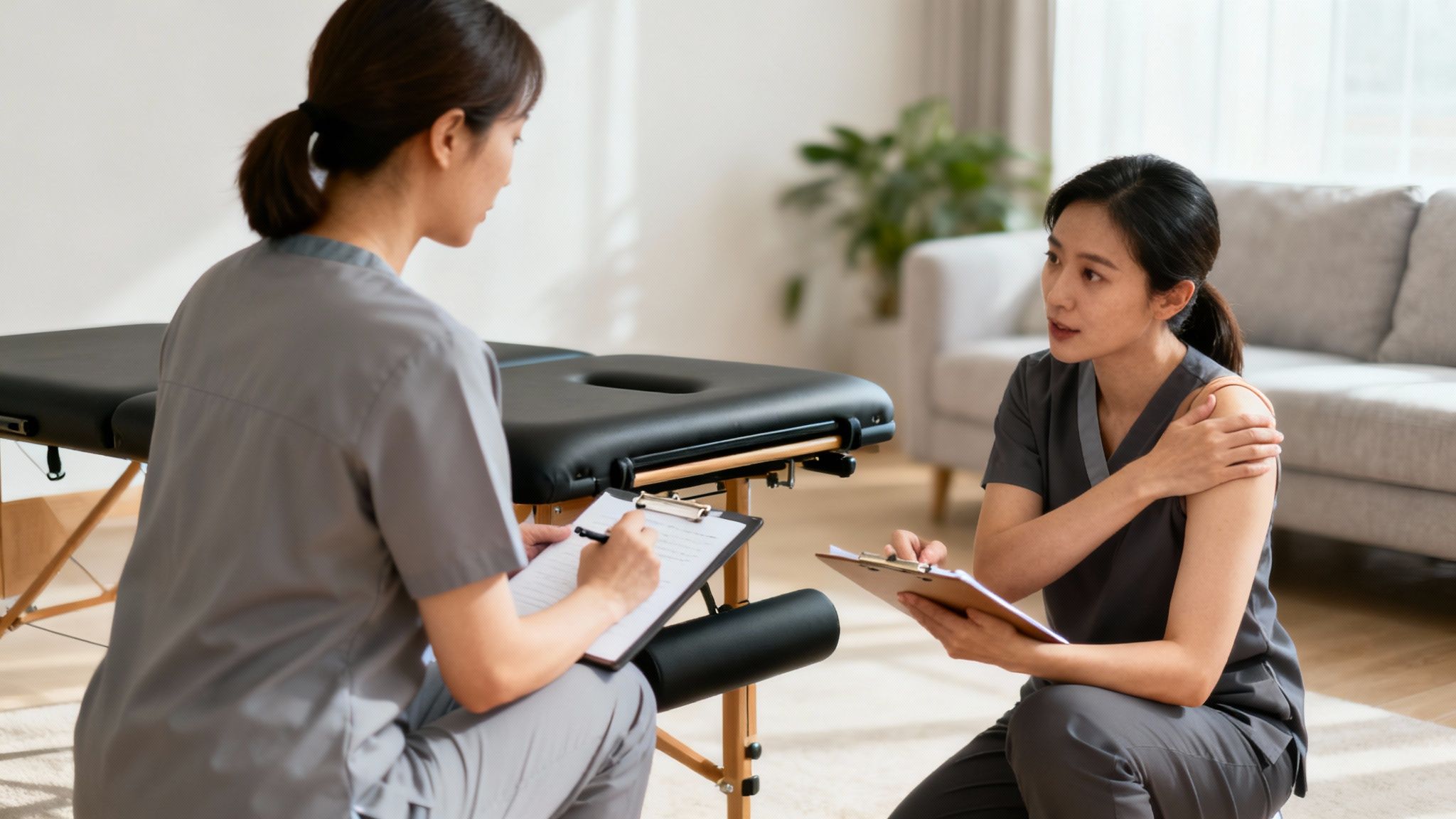
Before the session begins, any good therapist will run through a thorough intake with you. This is your chance to really open up about your pregnancy journey. The more they know, the better they can customise the treatment to be both safe and incredibly effective for you.

Be ready to cover these key points:

  • Medical Conditions: Let them know about anything and everything, like high blood pressure, gestational diabetes, or preeclampsia.
  • High-Risk Factors: If your pregnancy is considered high-risk for any reason, your therapist absolutely must be aware of it.
  • Your Aches and Pains: Get specific. Don't just say "my back hurts." Is it your lower left back? Your right hip? Are your ankles swollen? The more detail, the better.
  • Old Injuries: Mention any past injuries that pregnancy might be flaring up. That old knee injury could be acting up with the extra weight.

This conversation is what sets the stage for a session that’s not just relaxing, but genuinely therapeutic and completely safe for you and your baby.

Understanding Trimester-Specific Safety

A properly certified prenatal therapist knows that your body’s needs—and its limitations—change dramatically from one trimester to the next. One of the biggest safety protocols revolves around how you're positioned on the massage table. As your belly grows, certain positions just aren't safe anymore.

For instance, after the first trimester, lying flat on your back for long periods is a big no-no. This position can cause the weight of your uterus to compress a major blood vessel called the vena cava, which could reduce blood flow to your baby. A skilled therapist will instead get you into a side-lying position, propped up with a clever arrangement of pillows and bolsters for total support and comfort. You can learn more about proper positioning and other crucial safety guidelines for prenatal massage.

Your therapist should make you feel like you're floating on a cloud of pillows. The goal is to take all strain off your joints and muscles, allowing your body to fully relax. If a position ever feels uncomfortable, speak up immediately.

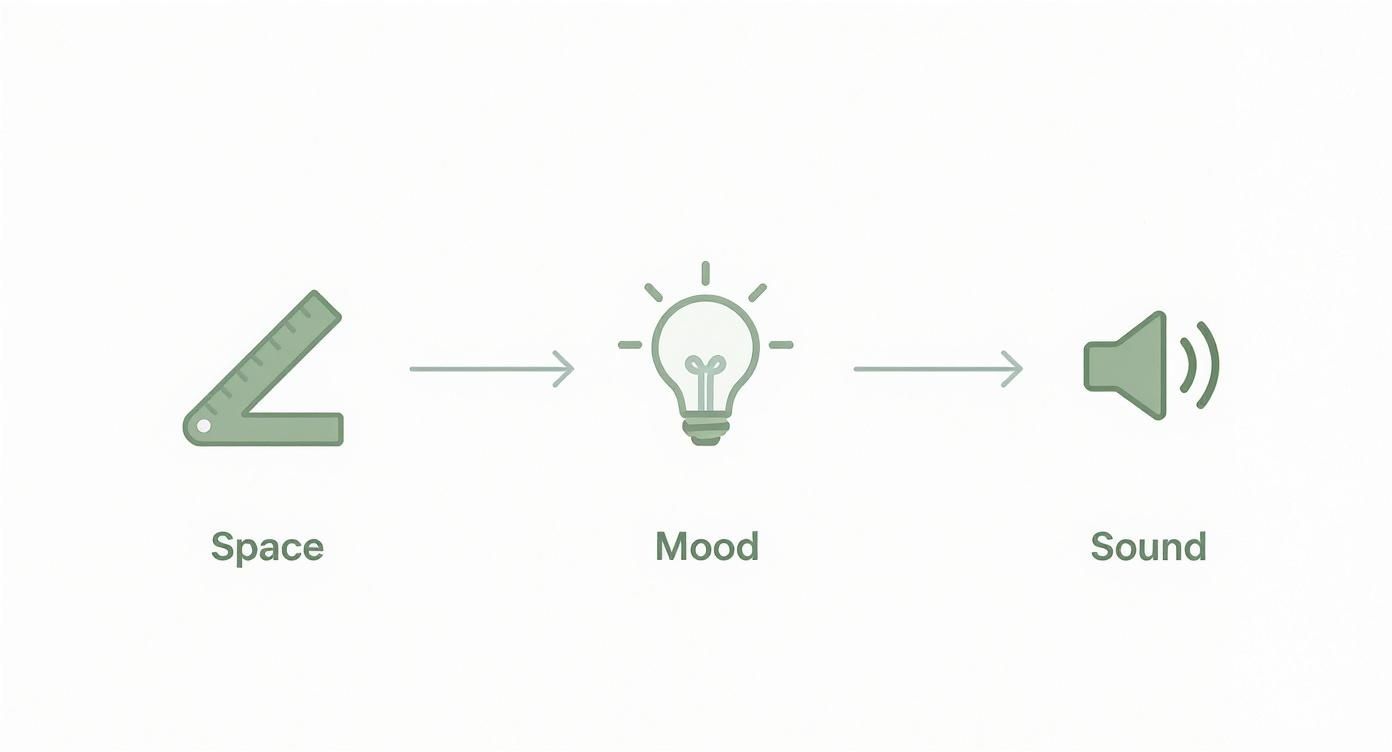
Creating the Ideal Mobile Massage Environment

If you've opted for the pure convenience of an in-home "pregnancy massage near me," preparing your space can make a world of difference. Whether it's at your home, office, or even on a yacht, creating a calm atmosphere is what transforms the experience.

A few tips for your space:

  • Choose a Quiet Spot: Find a room where you’re least likely to be disturbed. Let family or colleagues know you'll be blissfully unavailable.
  • Control the Temperature: Your body temperature can be all over the place during pregnancy, so set the room to a comfortably warm temperature beforehand.
  • Dim the Lights: Lowering the lights is a simple trick that helps your mind switch off. Closing the blinds or using a lamp instead of a harsh overhead light works wonders.
  • Kill the Distractions: Put your phone on silent and turn off the telly. This is your time.

By taking these few simple steps, you help your mobile therapist create a five-star wellness sanctuary right in your own space, guaranteeing you get the maximum benefit from every single minute.

The Role of Massage in Australian Maternal Healthcare

When you search for a "pregnancy massage near me," you're not just looking for a way to soothe a sore back. You're taking an active role in your maternal wellness, and here in Australia, the healthcare system is really starting to pay attention.

Massage therapy is shaking off its old reputation as a simple luxury. It’s now being seen for what it is: a valuable, legitimate part of a holistic approach to maternal care. This shift is all about giving you supportive, non-pharmaceutical ways to manage the very real physical and emotional hurdles of pregnancy, which fits perfectly with Australia's growing focus on preventative health and overall wellbeing.

A Growing Recognition Among Health Professionals

One of the clearest signs of this change is the rise in referrals from trusted medical professionals. It's becoming far more common for GPs, obstetricians, and midwives to actively recommend prenatal massage to their patients.

They see the results firsthand—how it can help manage sciatica, reduce anxiety, and improve sleep, all without reaching for medication.

This isn’t just anecdotal, either. According to Massage & Myotherapy Australia, the massage therapy sector is cementing its role within the nation's primary healthcare system, especially when it comes to women's health. The association consistently reports an increase in referrals from GPs and other allied health professionals who see massage as a key complementary therapy for managing pain and stress during pregnancy.

Understanding that your search for a quality massage is supported by the wider healthcare community should give you even more confidence. You're choosing a sound, evidence-supported therapy for this incredible journey.

This professional backing is especially reassuring when you're booking a mobile massage. Knowing the therapist coming to your home, office, or hotel is part of this recognised and respected system adds a crucial layer of trust and safety.

Integrating Wellness into Your Environment

The modern approach to maternal care in Australia is all about flexibility and making wellness accessible. That’s precisely why services that bring the care to you are becoming so essential. Whether it's a quick stress-relief session in a quiet corner of your office or a full remedial massage at home, these services are designed to fit into your life, not the other way around.

  • Corporate Wellness: More companies are now including prenatal massage in their wellness programs. It’s a practical way for expecting employees to manage stress and discomfort right there at work.
  • At-Home Care: For anyone on bed rest, or simply wanting the ultimate comfort and convenience, an in-home session means getting the care you need without the strain and stress of travel.
  • Luxury and Travel: The same principles of safe, professional care apply everywhere, whether you're in a hotel room on a babymoon or even on a private yacht.

By understanding what makes a pregnancy massage safe and effective, you empower yourself to pick a service that meets the absolute highest standards, no matter where you are. The focus is always on providing professional, therapeutic care that makes a genuinely positive contribution to your pregnancy experience.

Your Pregnancy Massage Questions Answered

Even after deciding to book a massage, it’s completely normal to have a few questions lingering in the back of your mind. To help you feel totally confident, we’ve put together direct answers to the most common queries we get from expecting mums.

How Often Should I Get a Pregnancy Massage?

Honestly, there’s no single "right" answer here. The ideal frequency really comes down to your individual needs, your body, and what you’re hoping to get out of the sessions. Every pregnancy is just so different.

For general wellness and to keep stress levels managed, a session once a month can be a fantastic rhythm. It gives you something to look forward to and consistently works on keeping those common aches at bay.

However, if you're dealing with something more specific like persistent sciatica, pelvic girdle pain, or serious lower back tension, your therapist might suggest coming in more often. This could mean a fortnightly or even weekly massage for a short period to really get on top of the discomfort. The best plan is always made together, so have a chat with your healthcare provider and your massage therapist to create a safe, personalised schedule that truly supports you.

Is It Safe to Get a Massage in the First Trimester?

This is such an important question, and we're glad you're asking it. You'll find that a lot of therapists prefer to wait until the second trimester to start treatments. This isn't because massage itself is inherently dangerous, but more out of an abundance of caution due to the naturally higher risk of miscarriage in the first 12 weeks. Practitioners want to avoid any possible association, however unlikely.

That said, receiving a massage during the first trimester can be perfectly safe—with the right therapist. The absolute non-negotiable is finding someone with specialised, advanced certification in first-trimester prenatal massage. They’ll know to use incredibly gentle techniques, avoid specific pressure points linked to the uterus and cervix, and focus purely on relaxation rather than any deep tissue work.

Your job is to be completely open and honest about how far along you are. A true professional will thank you for this transparency and adjust their entire approach to ensure the utmost safety for you and your baby.

What If I Feel Uncomfortable During the Massage?

Your comfort and safety are the top priorities. Full stop. If any position, level of pressure, or technique feels off, causes pain, or makes you feel dizzy or nauseous, you must speak up immediately. Please don't ever worry about being "difficult" or interrupting the flow.

A professional, qualified therapist not only expects this feedback but welcomes it. They want to know what feels right for your body. They can instantly adjust the pillows, shift your position, or change their technique to make you comfortable again. This is your time to relax and feel supported, so never hesitate to communicate what you need.

As you prepare for or recover from childbirth, exploring resources like an anatomy-first guide to postpartum core strengthening exercises can be another valuable way to support your body. Just like with massage, understanding your body's needs is key to a healthy journey.

Can My Health Fund Cover Pregnancy Massage?

In Australia, the good news is that many private health insurance plans do offer rebates for massage, which can make regular sessions much more affordable. Whether your pregnancy massage is covered depends entirely on your specific policy.

Here’s what you need to look out for:

  • Look for "Remedial Massage" Benefits: Most funds will categorise pregnancy massage under their remedial massage or general "extras" cover. It usually won't be listed as a separate item.
  • Confirm Your Therapist is a Registered Provider: This is crucial. To make a claim, your therapist must be registered with your specific health fund. Don't be shy about asking them directly which funds they are registered with before you lock in a booking.
  • Get the Right Receipt: After your session, the therapist will give you a receipt with all the necessary details, including their provider number. You'll need this to submit your claim.

A quick call to your health fund or a check of your policy online is the best way to confirm your level of cover before you book. This simple step can save you from any unexpected out-of-pocket costs.


Ready to experience the ultimate in convenience and professional care? The Royal Masseur brings five-star pregnancy massage directly to your home, hotel, or office. Our certified prenatal therapists are dedicated to providing a safe, comfortable, and deeply restorative session tailored just for you. Book your moment of relief today.
https://theroyalmasseur.com.au

Posted on Leave a comment

Your Guide to the Perfect Massage Gift Certificate

A massage gift certificate is more than just a piece of paper or a digital code. It’s a tangible invitation for someone to press pause on their hectic schedule and genuinely prioritise their wellbeing. It stands out as a thoughtful, incredibly versatile gift that offers a real escape, with benefits that last long after the massage itself has finished.

The Ultimate Gift of Wellness and Experience

In a world overflowing with possessions, giving an experience makes a far more meaningful impact. A massage gift certificate is the perfect answer for almost any occasion—a birthday, anniversary, a corporate reward for a job well done, or just a simple way to show someone you truly care.

It’s a gesture that clearly says, “You deserve this break.”

This kind of gift is ideal for everyone, from a stressed-out executive in a high-rise office to a new parent who desperately needs a quiet moment at home. It bypasses the guesswork of finding the right size or colour and instead, offers a guaranteed opportunity for pure rejuvenation.

Why Experiences Trump Things

Gifting an experience like a professional massage offers something that material items simply can't match. It’s dedicated time for the recipient to disconnect, de-stress, and focus completely on their own health. This focus on wellness is something more and more Australians are actively seeking.

The shift towards valuing experiences over objects is a powerful one. A massage certificate doesn't just provide a service; it gives a memory, a feeling of being cared for, and a much-needed pause in a busy life.

You can see this shift in the growing demand for wellness services right here in Australia. The health and wellness spa industry is on track to hit AUD 624 million by 2025, driven largely by a greater awareness of self-care and a desire for premium relaxation experiences. This shows just how perfectly a massage gift certificate aligns with modern values. Learn more about Australian wellness industry trends.

A Flexible Gift for Any Setting

One of the best things about a mobile massage gift is its sheer adaptability. The relaxation isn't confined to a spa. A professional therapist can create a tranquil, five-star environment almost anywhere.

  • At Home: Transforming a living room into a private sanctuary for ultimate comfort.
  • In the Office: Providing a much-needed wellness break to combat workplace stress and boost team morale.
  • In a Hotel Room: Adding a touch of luxury and convenience for travellers.
  • On a Yacht: Offering an exclusive wellness experience surrounded by serene waters.

This incredible flexibility ensures the gift is not just thoughtful but also practical, fitting seamlessly into the recipient's life, wherever they happen to be.

How to Choose and Purchase the Right Massage Certificate

Ready to give the gift of pure relaxation? Fantastic choice. Picking out the perfect massage gift certificate is a straightforward process once you know what you’re looking for. It all starts with thinking about the person you're buying for.

What’s their lifestyle like? Are they an athlete constantly dealing with sore muscles? A busy professional who spends too much time hunched over a laptop? Or maybe just someone who truly deserves a moment of absolute calm. Thinking about their specific needs is the key to matching them with an experience that feels personal and genuinely beneficial.

Matching the Massage to the Person

Every person's path to wellness is different, which makes your choice of massage style an important part of the gift. A deep tissue or remedial massage is a game-changer for someone with specific aches and pains, while a gentle relaxation massage can be the mental and physical reset they've been craving.

Here’s how you can tailor the experience, whether they’re at home, in the office, or even on a yacht.

  • For the Stressed Executive: Think relaxation or aromatherapy massage. It's the perfect antidote to a brutal work week and can melt away tension right in their office or hotel room, getting them recharged between meetings.
  • For the Fitness Enthusiast: A sports or remedial massage is the way to go. It’s designed to target muscle recovery and boost mobility, which can make a huge difference to their training.
  • For the New Parent: A gentle, restorative massage delivered right to their home is more than a gift; it’s a rare chance for some much-needed self-care without the stress of leaving the house.
  • For a Special Occasion: A luxurious couples massage turns a great gift into a shared, memorable experience. It’s perfect for an anniversary or any big celebration.

Getting these details right ensures your gift really hits the mark. If you want to dive deeper, our guide on choosing a top-rated massage therapist in Sydney is packed with tips to help you find the right skills for your recipient's needs.

For a clearer picture, here’s a quick comparison to help you nail the perfect choice.

Choosing the Right Massage Type for Your Gift

A comparison of popular massage styles to help you select the perfect experience for your recipient's wellness needs.

Massage TypeBest ForExperience LevelKey Benefit
RelaxationThe chronically stressed, first-timers, or anyone needing a mental break.Gentle & SoothingCalms the nervous system and provides an immediate sense of peace.
RemedialAnyone with specific aches, chronic pain, or postural issues from work.Targeted & TherapeuticAddresses the root cause of pain for long-term relief and improved function.
SportsAthletes, gym-goers, and active individuals needing to boost performance.Focused & IntenseSpeeds up muscle recovery, prevents injury, and enhances flexibility.
CouplesAnniversaries, special celebrations, or partners needing to reconnect.Shared & LuxuriousCreates a shared memory and allows two people to unwind together.

This table should make it easy to see which style aligns best with the person you have in mind, ensuring the gift is both thoughtful and effective.

A Simple and Secure Purchase Process

Once you’ve got the perfect experience in mind, buying the certificate online is designed to be completely straightforward and secure. You have two great options for delivery, depending on the situation.

An e-voucher is your saviour for any last-minute gifts, as it lands in their inbox instantly. If you want something a bit more special, a beautifully presented physical certificate sent by post adds a tangible, elegant touch to your thoughtful gesture.

This diagram really captures the essence of what you're giving—not just a massage, but a powerful tool for stress relief and wellness.

Diagram illustrates a gift box surrounded by icons representing stress relief, gift certificates, and various occasions.

As the visual shows, a single gift can deliver so many powerful benefits, making it a versatile and meaningful choice for almost any occasion. During the online checkout, you’ll just need to pop in the recipient's details, select the massage duration, and add a personal message to make the gift complete. It’s that easy.

Elevating Corporate Gifting with Wellness

It's time to move beyond the usual box of chocolates or generic gift cards. A massage gift certificate is a modern, meaningful way for Australian businesses to show they genuinely appreciate their employees and clients. It’s a direct investment in their wellbeing, which speaks volumes about a corporate culture that values health and work-life balance.

This kind of gift sends a clear message: you care about your people on a human level. It’s a powerful tool to combat workplace stress, a massive problem that costs the Australian economy an estimated $14.2 billion every year in lost productivity. Giving your staff a tangible way to de-stress isn't just a nice perk; it’s a smart business move.

Fostering Loyalty and Boosting Productivity

When employees feel properly valued, their engagement and loyalty skyrocket. Gifting a wellness experience like a professional massage is a high-impact reward that genuinely boosts morale and helps build a positive workplace. It’s a world away from an impersonal cash bonus, creating a memorable experience that directly helps reduce stress and sharpen focus.

The benefits go far beyond just feeling good. A relaxed and rejuvenated team is a productive one. When you integrate wellness rewards, you'll likely see:

  • Reduced absenteeism by tackling stress and burnout before they become serious issues.
  • Increased focus and creativity as employees come back to work feeling mentally refreshed.
  • Stronger team cohesion when wellness becomes a visible, valued part of the company culture.
  • Enhanced employee retention, because people are far more likely to stick with an employer that invests in their health.

A Smart Investment in Your Team

The Australian massage therapy sector is growing fast, with a projected compound annual growth rate of 7% or higher from 2025 through 2035. This growth reflects a huge public demand for premium wellness services, making a massage gift certificate a highly desirable reward. Discover more insights about the massage therapy market.

Investing in employee wellness is no longer an optional extra—it’s a core component of a successful business strategy. A massage certificate is a simple, effective way to show your team that their health is a priority, leading to a happier, more resilient workforce.

For businesses looking to make a real impact, bulk purchasing options for a massage gift certificate make managing rewards programs easy. You can use them to celebrate big milestones, acknowledge outstanding performance, or as a thoughtful client gift that strengthens professional relationships. It's a premium perk that resonates deeply and shows you're a forward-thinking organisation. To see how this fits into a broader strategy, check out our guide on workplace wellness program ideas.

The Luxury of a Massage Anywhere You Are

Imagine the pure convenience of a five-star wellness experience arriving right at your doorstep. A massage gift certificate for a mobile service isn't just a present; it's the key to unlocking total relaxation without the hassle of travel, finding a park, or trying to squeeze it into a packed schedule. This is the modern way to do self-care—a professional, spa-quality massage that fits perfectly into anyone’s day, wherever they might be.

The real magic of this gift lies in its incredible versatility. It has the power to transform any space into a private sanctuary of calm. A skilled therapist brings everything needed—a comfortable table, fresh linens, and soothing oils—to create a tranquil atmosphere, whether it's in a familiar living room, a high-rise office, a hotel suite or even on a yacht.

Wellness That Fits Any Lifestyle

Think about the different ways this exclusive experience can unfold. Each scenario shows just how seamlessly a mobile massage can integrate into life, making wellness accessible and immediate. It’s all about meeting people where they are, both physically and mentally.

For the busy executive in Sydney’s CBD, a massage gift certificate can mean an hour of vital stress relief between back-to-back meetings. Instead of rushing across town, they can simply book a session in a quiet corner of their office and emerge clear-headed, focused, and ready to tackle the rest of the day. This isn't just a break; it's a powerful tool for staying at the top of their game.
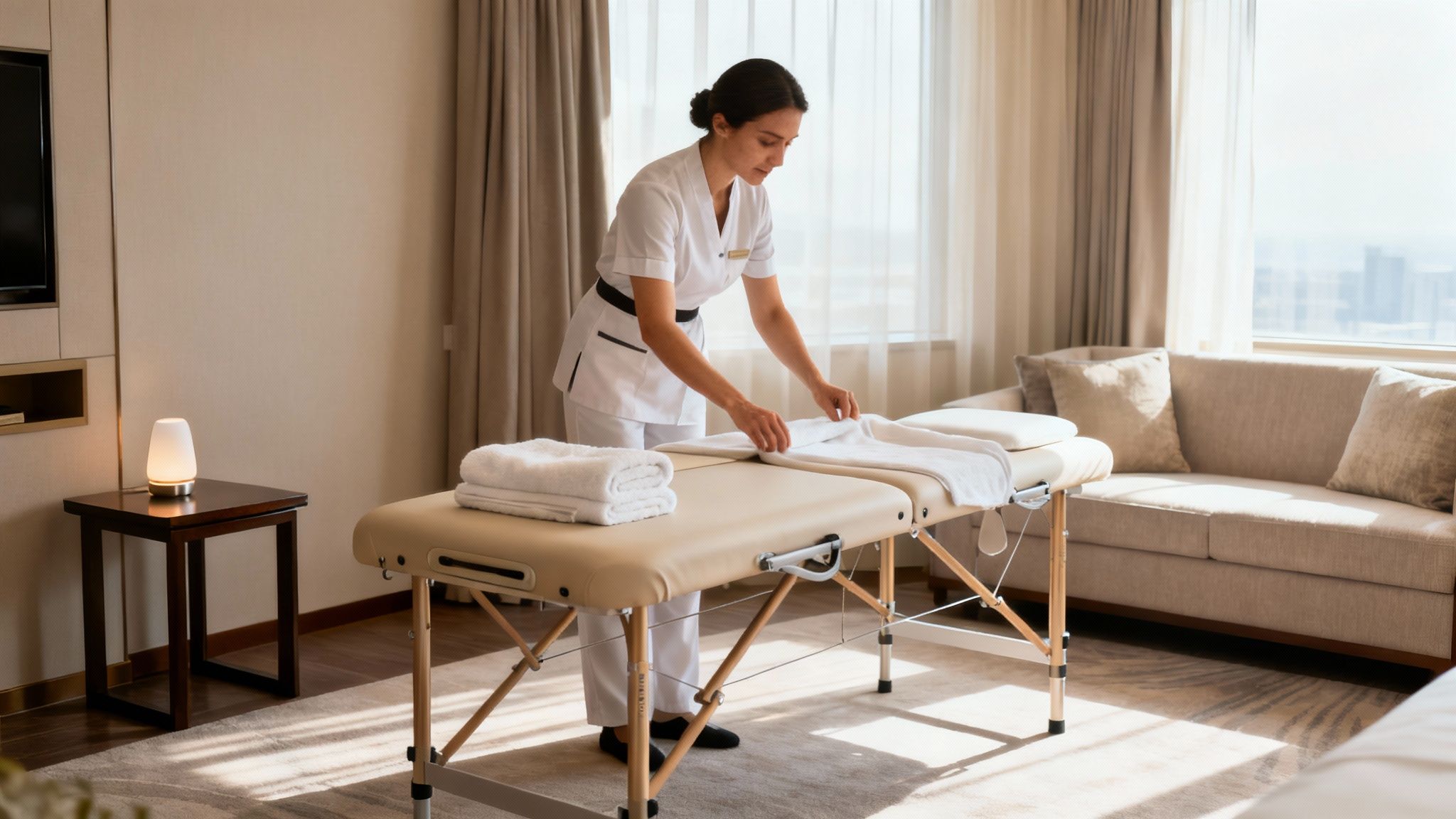
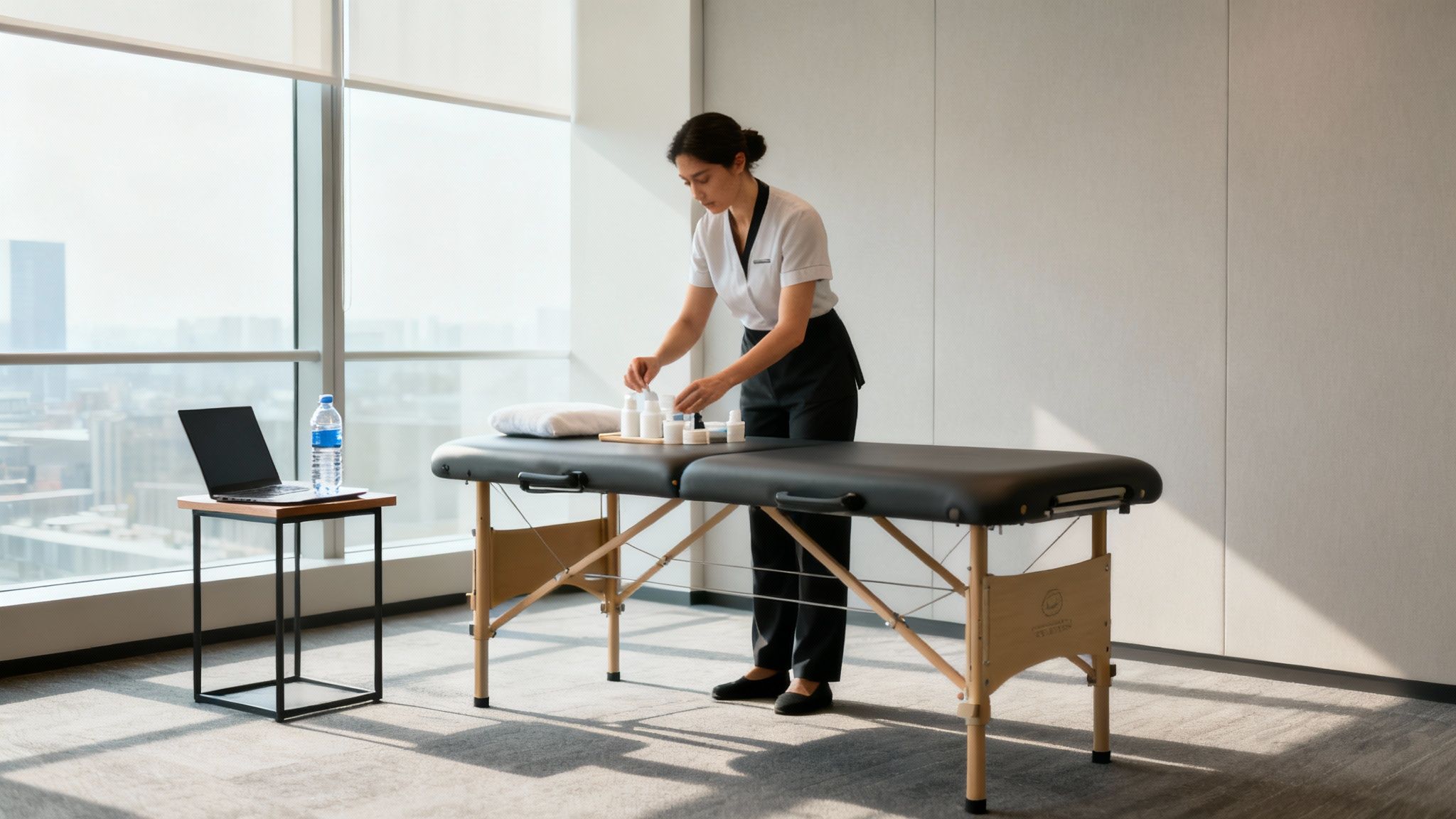
A masseuse in a white uniform prepares a massage table with fresh towels in a bright room.

From Hotel Rooms to Harbour Views

The possibilities for relaxation are almost endless, stretching far beyond the typical home or office setting.

  • The Hotel Escape: For a couple visiting Melbourne or the Gold Coast, a massage in their hotel room adds another layer of luxury to their getaway. It's the perfect way to unwind after a day of sightseeing, creating a shared, memorable experience without ever leaving their suite.
  • The Ultimate Opulence: Picture a day out on a yacht in Sydney Harbour. Adding a professional massage service elevates the whole experience. Guests can enjoy the serene water views while a therapist works to release tension, creating a truly unforgettable day of indulgence.

A mobile massage gift certificate removes the biggest barrier to self-care—inconvenience. It delivers a premium wellness experience directly to the recipient, making it one of the most thoughtful and practical gifts imaginable.

This level of service turns a simple gift into a standout memory. By bringing the spa to them, you’re not just giving a massage; you’re giving the precious gift of time, comfort, and effortless rejuvenation. For those curious about the specifics of arranging such a service, exploring options for a mobile massage therapy session in Sydney can provide a clearer picture of how this premium experience is delivered.
Ultimately, a gift certificate for a mobile massage shows you truly understand what the recipient needs. It acknowledges their busy life and provides the perfect, stress-free solution for their wellbeing, ensuring they feel cared for, valued, and completely refreshed.

Making Your Gift Certificate Truly Memorable

A massage gift certificate is already a wonderful gesture, but it’s the personal message that turns it from a good gift into a truly great one. The words you choose can deepen the sense of care and anticipation, making the person feel genuinely seen and appreciated. It’s that small, personal touch that elevates the entire experience, transforming a simple voucher into a memorable moment.

This isn’t about writing a long essay; a few sincere sentences are all it takes. The goal is to connect the gift of massage to a specific reason you're giving it. Whether it's for a birthday, a work milestone, or just because, your message sets the tone and makes the gift feel personal and heartfelt.

A light-colored 'Massage Gift' certificate with a golden ribbon and a delicate rose petal.

Crafting the Perfect Message for Any Occasion

Finding just the right words can sometimes feel tricky, so here are a few simple templates to get you started. Feel free to adapt these for any situation, whether you’re sending encouragement to a colleague or a loving note to your partner. The key is simply to be genuine.

For a Partner’s Birthday or Anniversary:

  • “Happy Birthday! You do so much for everyone else, so this is a moment just for you. Time to relax and recharge. Love you always.”

For a Colleague’s Achievement:

  • “Congratulations on the huge success with the project! You’ve earned a proper break. Hope you enjoy this chance to unwind.”

For a Friend Needing Support:

  • “Thinking of you and everything you’re juggling. I hope this gives you a quiet hour to switch off and feel cared for. You deserve it.”

A well-crafted message bridges the gap between the physical gift and its emotional impact. It tells the recipient not just that you bought them something, but why you thought of them, making the experience feel special from the moment they read your note.

Simple Steps to Add Your Personal Note

Adding your message when you buy a massage gift certificate online is designed to be completely straightforward. As you go through the checkout process, you’ll find a dedicated field where you can type your personal note. This message will then be beautifully included with either the digital e-voucher or the physically posted certificate.

Presentation also matters. A thoughtfully presented physical certificate with your handwritten note adds a classic, personal touch. For an instant e-voucher, your typed words provide the warmth and connection that makes the digital delivery feel just as special, ensuring your thoughtful gift makes a lasting impression.

How to Redeem a Massage Voucher for Pure Relaxation

So, you've been given a massage gift certificate—the perfect ticket to a well-deserved escape. The whole point of a gift like this is pure, effortless relaxation, and that starts from the moment you decide to book. We've made the process incredibly simple, so there's nothing standing between you and your moment of calm.

With just a few clicks, you can turn that voucher into a premium massage experience delivered right to your door, whether you're at home, in the office, staying at a hotel, or even out on a yacht.

Your Step-by-Step Booking Guide

The quickest and easiest way to lock in your session is by booking online. We've designed the entire process to feel smooth and intuitive, building that sense of anticipation for the treatment ahead.

  1. Head to the Booking Page: Jump onto our website’s online booking portal.
  2. Pick Your Service and Time: Choose the type of massage and the session length that’s listed on your gift certificate.
  3. Enter Your Details: Let us know your location and when you'd like your appointment.
  4. Pop in Your Voucher Code: At the checkout, you'll see a field for a "Gift Certificate" or "Promo Code." Simply type in your unique code, and the value will automatically be taken off the total.
  5. Confirm and Get Ready to Relax: Once that's done, you'll get a confirmation email with all the details. Simple as that.

This way, turning a thoughtful gift into a reality is completely stress-free.

Planning Your Session

With a network of highly skilled therapists, finding a time that works for you is a breeze. The wellness industry in Australia is booming, with an estimated 18,900 massage therapists expected to be working by 2025. The highest concentration of these professionals is in New South Wales (37.9%) and Victoria (23.6%), which means we have excellent availability right across the major cities. If you’re a numbers person, you can see more data on wellness professionals over at the Jobs and Skills Australia website.

Your only job is to clear your schedule and prepare to completely unwind. On the day, your therapist will arrive with everything needed to transform your space into a tranquil, spa-like sanctuary.

Just remember to check the validity period on your voucher—it’s typically three years, which gives you plenty of time to find that perfect moment for your wellness escape.

Your Massage Gift Certificate Questions, Answered

Thinking about giving the gift of a five-star massage? It’s a brilliant idea, but it’s completely normal to have a few practical questions pop up. We've put together some quick, clear answers to the most common queries we get, so you can feel totally confident you’re giving the perfect present.

How Long Is the Certificate Valid For?

Life gets busy, we get it. That's why, in line with Australian consumer law, our gift certificates are valid for a very generous three years from the day you buy them. This gives your lucky recipient all the flexibility they need to book their session at a time that truly works for them, ensuring they can completely switch off and enjoy the experience.

Can the Recipient Choose Their Massage Style?

Of course! A gift certificate from us is a ticket to a specific amount of time, not a specific type of massage. The person you’re gifting it to is always encouraged to have a chat with their therapist right before the session. This way, they can choose the exact treatment that suits what their body needs on the day – whether it’s pure relaxation at home, deep tissue work in their hotel, or some remedial therapy to ease office aches.

Which Areas Do You Service?

We bring our luxury mobile massage experience right to the doorstep in Australia’s major metro areas, including Sydney, Melbourne, Brisbane, and the Gold Coast. Our therapists are experts at creating a peaceful sanctuary just about anywhere, from a private home or corporate office to a hotel room or even a yacht on the harbour.

Is a Couples Massage an Option?

Yes, and it’s an incredibly popular choice for anniversaries, birthdays, or just a special shared treat. You can easily select the couples massage option when you purchase a gift certificate online. It’s a wonderful way to give the gift of a shared relaxation experience they won’t forget.


Ready to give an unforgettable wellness experience? Purchase the perfect gift of relaxation from The Royal Masseur and let us deliver a five-star treatment directly to their door. https://theroyalmasseur.com.au

Posted on 1 Comment

Remedial Massage Therapy: Your Guide to Targeted Pain Relief

Remedial massage therapy is a targeted treatment that goes way beyond a standard relaxation massage. It’s a clinical, hands-on approach designed to assess and treat specific musculoskeletal problems, homing in on the root cause of your pain and dysfunction. It’s a systematic way to help repair damaged muscles, tendons, and joints, which is why it’s such a respected allied health practice across Australia.

Your Body Mechanic For Pain And Tension

Think of a remedial massage therapist less like someone at a day spa and more like a highly skilled ‘body mechanic.’ While a regular massage offers general relaxation—kind of like a car wash for your vehicle—remedial massage is a clinical treatment designed to properly diagnose and fix specific mechanical problems. It’s a methodical approach to tackling pain, injury, and chronic tension.

This form of therapy is built on one core philosophy: find and treat the source of your pain, not just the symptoms you feel. It’s precisely why it has become such a trusted practice for managing discomfort and improving how you move, whether that tension has built up in the office, at home, or during travel.

A Systematic Approach To Healing

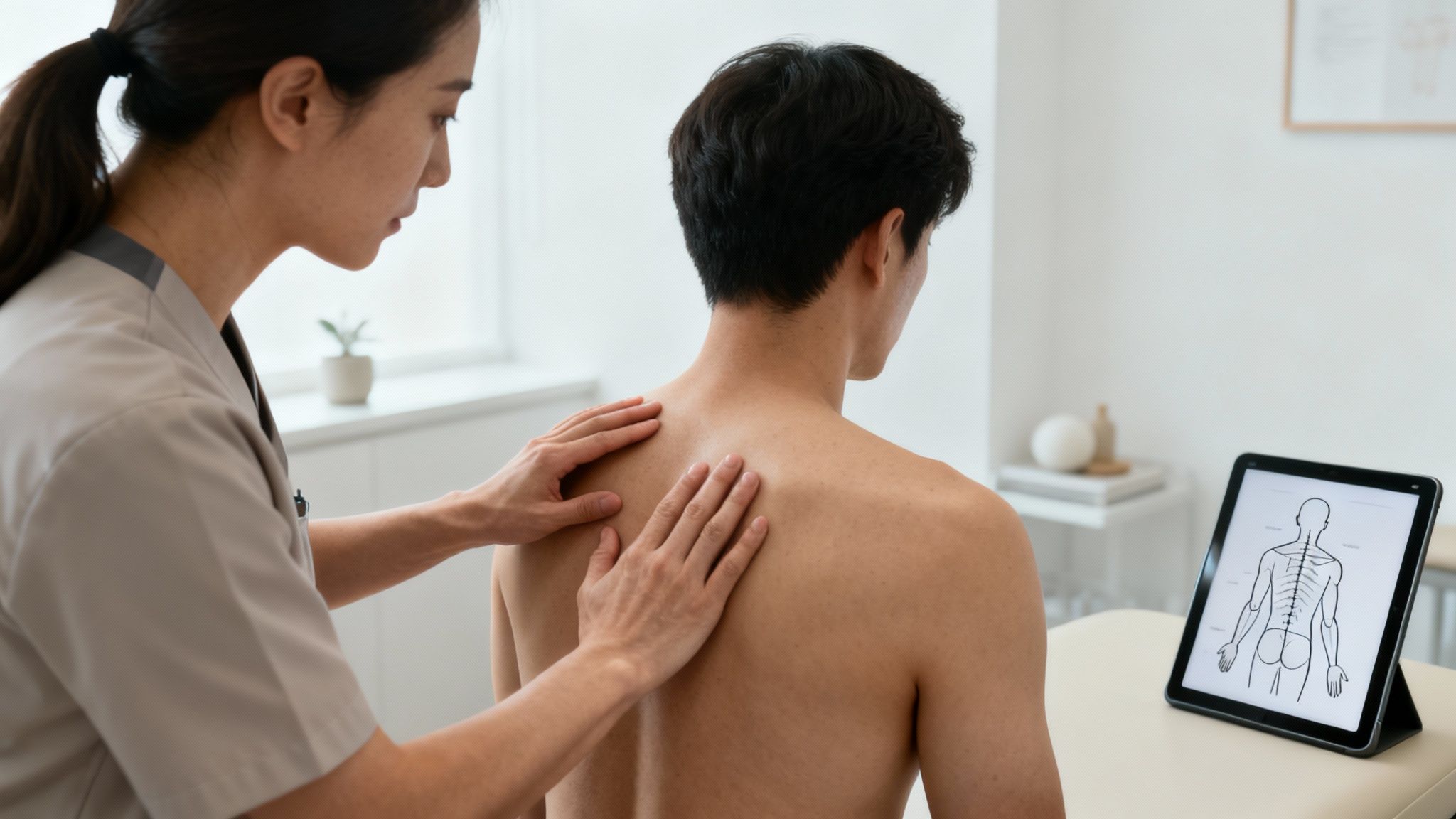
A key difference setting remedial massage apart is the assessment process. A qualified therapist doesn’t just start working on the spot that hurts. Instead, they kick things off with a thorough evaluation to get a clear picture of your body’s unique mechanics.

This initial assessment often includes:

  • Postural Analysis: Observing how you stand and sit to spot any imbalances that could be causing strain.
  • Range of Motion Tests: Checking the movement in your joints to pinpoint restrictions or areas of pain.
  • Functional Movement Screening: Asking you to perform simple movements to see how well your muscles are coordinating.

This diagnostic step is crucial. It’s what allows the therapist to create a precise treatment plan aimed at resolving the underlying issue, not just giving you temporary relief. For instance, that nagging shoulder pain might actually be coming from poor posture developed over long hours hunched at a desk in your home office or a hotel room.

Remedial massage therapy moves beyond simple relaxation. It is a targeted intervention that uses evidence-based techniques to systematically restore the body’s normal function, offering a pathway to lasting relief from musculoskeletal pain and dysfunction.

Once the source of the problem is identified, the therapist uses a range of specific, hands-on techniques on the affected areas. The goal is simple: repair damaged tissues, ease stiffness, and restore proper alignment and movement. This targeted ‘repair’ work is what truly separates a clinical remedial treatment from a general wellness massage. By getting to the true source of the problem, this therapy helps you move better, feel better, and get back to your life without pain holding you back.

Key Techniques For Targeted Pain Relief

A remedial massage therapist’s hands are backed by a toolkit of specific techniques, each chosen to tackle different layers of tissue and types of pain. Think of it like a skilled mechanic who knows exactly which tool to grab for a specific engine problem—it’s all about precision. Understanding these methods helps demystify what’s happening during a session and shows how targeted manipulation can unravel even the most complex pain patterns.

These techniques are what set remedial massage therapy apart. We move beyond general relaxation to deliver real, lasting results.

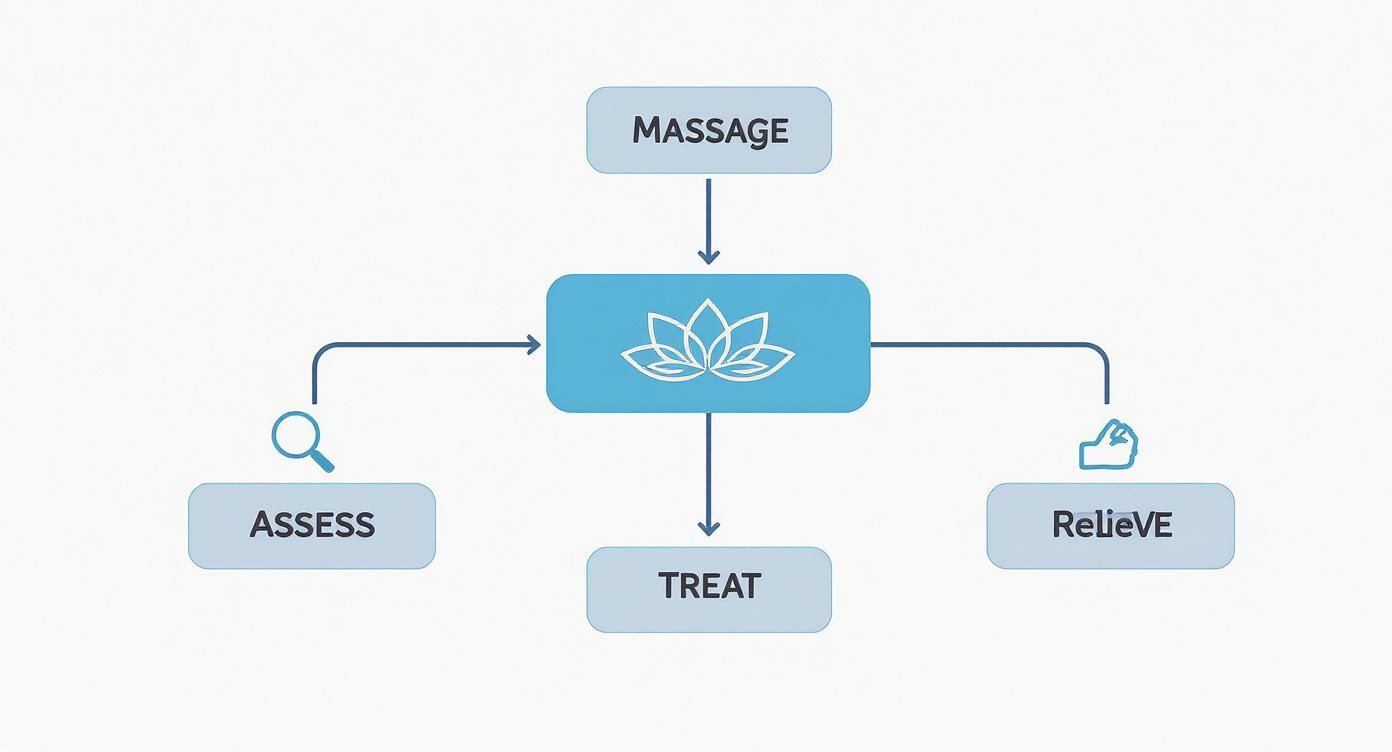
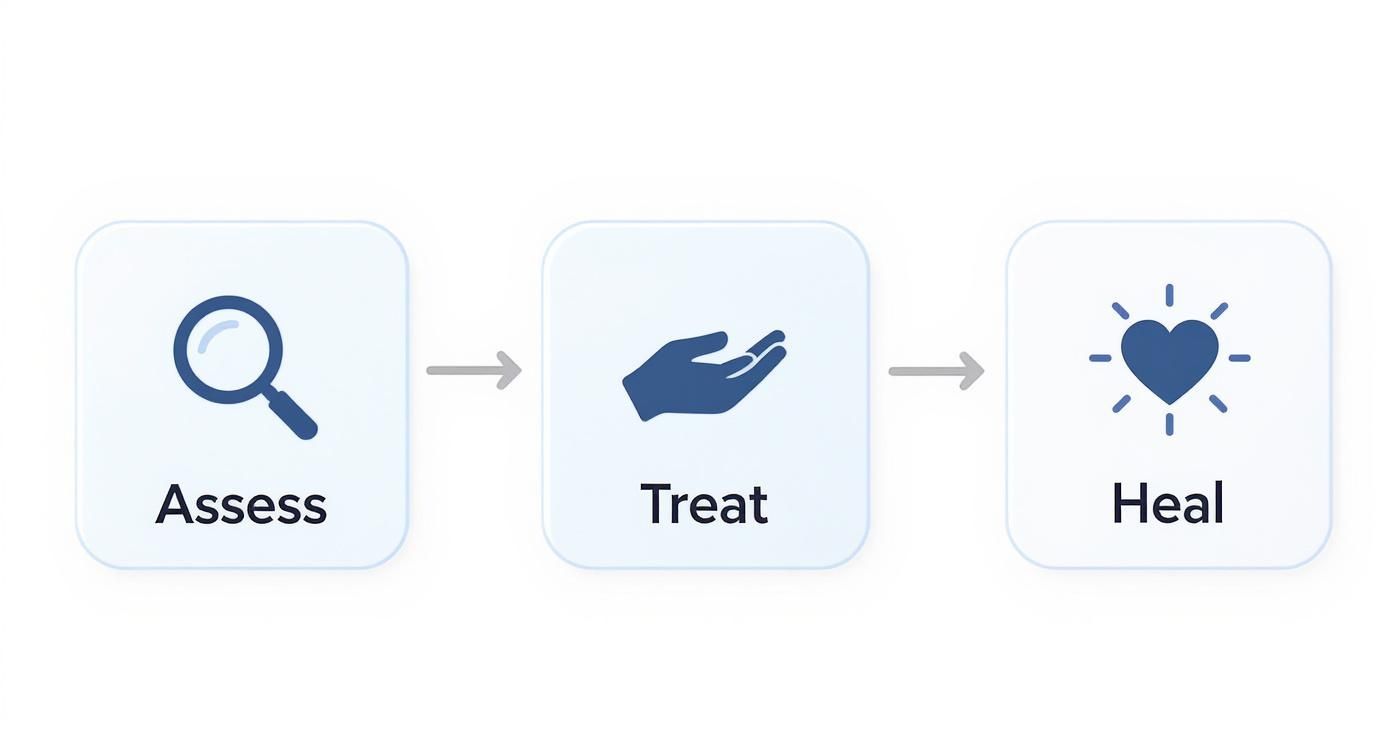
This flowchart breaks down the remedial process, from the initial chat and assessment right through to treatment and relief.

A flowchart showing the process of massage therapy, including assess, treat, and relieve stages.

It’s a simple but powerful reminder that every effective treatment starts with a thorough assessment. This ensures all the hands-on work is aimed directly at the source of your discomfort, not just the symptoms.

Deep Tissue Massage

When most people think of an intense, problem-solving massage, they're usually picturing deep tissue. This technique uses slow, deliberate strokes and sustained pressure to reach the deeper layers of your muscles and connective tissues. Its main job is to break down adhesions—those stubborn, painful knots that build up in muscles from old injuries or chronic tension.

Imagine your muscles as a neat bundle of uncooked spaghetti, all lying smooth and parallel. Adhesions are like spots where some of those strands have cooked and clumped together, restricting movement and causing pain. Deep tissue work methodically separates these clumps, helping to restore normal function and ease that deep-seated ache. It’s a game-changer for chronic pain in the neck, upper back, and legs.

Trigger Point Therapy

Ever felt a sharp pain somewhere, only to realise the real tender spot is somewhere else entirely? You've just met a trigger point. These are tiny, hyper-irritable knots within a tight band of muscle that can shoot pain to other parts of the body. A classic example is a trigger point in an upper back muscle (the trapezius) being the true culprit behind a tension headache.

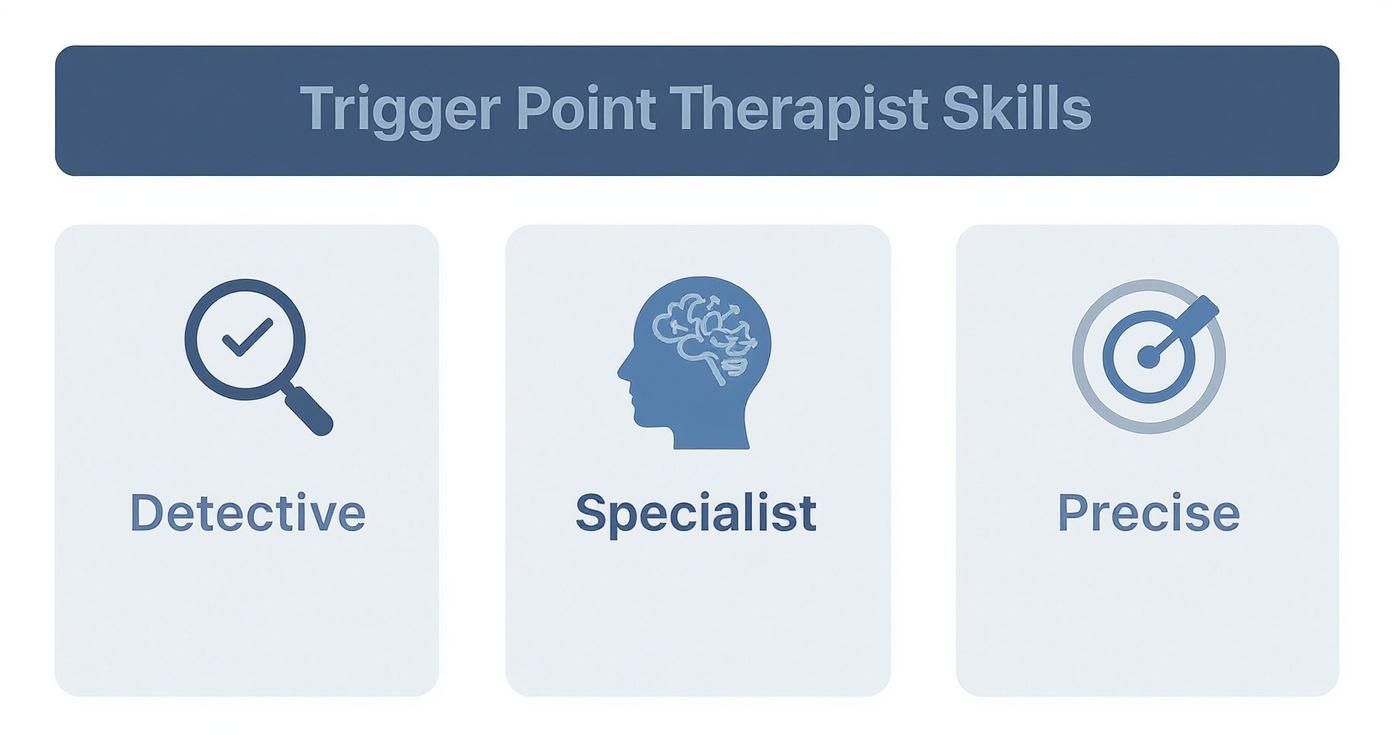
Trigger point therapy is like hitting a ‘reset button’ on these muscular knots. We apply direct, sustained pressure to the trigger point until the muscle finally lets go. This deactivates the knot, interrupting the pain signals it’s been broadcasting. It's an incredibly precise technique that can bring profound relief from issues that might have seemed mysterious or widespread. To see how this works in practice, you can learn more about how a specialised trigger point therapist tackles these complex pain patterns.

A common myth is that more pressure equals a better massage. With remedial work, the magic is in the precision and anatomical knowledge, not brute force. The right technique on the right spot is what creates lasting change.

Myofascial Release

Your entire body is wrapped in a web of connective tissue called fascia. When it’s healthy, fascia is supple and allows your muscles to glide smoothly over one another. But injury, inflammation, or even just poor posture can cause this tissue to become tight and restricted, leading to stiffness and a frustrating loss of movement.

Myofascial release is a bit like carefully smoothing out a wrinkled shirt. Your therapist applies gentle, sustained pressure to stretch and ‘unstick’ the fascia, allowing everything underneath to move freely again. The technique feels less intense than deep tissue, but it's incredibly powerful for improving flexibility and relieving that feeling of being "stuck" or tight all over.

To give you a clearer picture, here’s a quick breakdown of how these manual techniques compare.

Remedial Massage Techniques At a Glance

TechniquePrimary GoalBest ForSensation
Deep Tissue MassageBreak down knots (adhesions) in deeper muscle layers.Chronic muscle tension, stubborn aches, postural issues.Intense, slow, and focused pressure. Can be uncomfortable but "hurts good."
Trigger Point TherapyDeactivate specific, irritable knots that refer pain elsewhere.Headaches, sciatica-like pain, mysterious radiating aches.Sharp, localised pressure that eases as the muscle releases.
Myofascial ReleaseRelease restrictions in the body's connective tissue web (fascia).General stiffness, limited range of motion, chronic tightness.Gentle, sustained stretching. Feels less intense but deeply effective.

Each technique has its place, and a skilled therapist will often blend them to create a treatment that's perfectly suited to what your body needs on the day.

Complementary Methods: Dry Needling and Cupping

On top of the hands-on work, many remedial therapists in Australia are trained in complementary methods that can seriously boost treatment results. These aren't standalone therapies but are integrated into a session to target specific problems more effectively.

  • Dry Needling: This involves inserting very fine, sterile needles directly into muscular trigger points. Unlike acupuncture, which is based on traditional Chinese medicine, dry needling is grounded in Western anatomy. The needle helps to elicit a "twitch response" that releases the tight muscle band, dials down pain, and restores function.
  • Cupping: This ancient technique uses suction cups to create a vacuum on the skin. This negative pressure lifts the underlying tissue, helping to decompress tight muscles, dramatically increase blood flow to the area, and release fascial restrictions. It’s fantastic for mobilising stiff tissues and flooding areas that need healing with fresh, oxygenated blood.

By blending these different techniques, a remedial massage therapist creates a highly personalised treatment plan. Whether you're in a hotel room after a long flight or dealing with desk-related tension in your office, this multi-faceted approach ensures that every layer of tissue contributing to your pain is addressed.

Integrating Wellness Into Your Lifestyle

Let's be honest, finding time for self-care in our hectic world can feel like just another chore on an endless to-do list. But what if high-quality remedial massage therapy didn't have to mean a disruptive clinic visit? Modern wellness is all about seamlessly integrating expert care into your life, not making it another source of stress.

The solution? Mobile remedial massage. We bring the clinic—and the relief—directly to you. This approach tears down the usual barriers like travel time and sterile waiting rooms, delivering targeted treatment right where you need it most. It’s professional healthcare on your terms, without ever compromising on quality.

A male therapist performs an abdominal massage on a man lying on a portable table in a hotel room.

This is about redefining what’s possible for your personal wellness, turning any private space into your personal sanctuary for healing.

Your Private Treatment Room, Anywhere

Imagine this: you've just wrapped up a long day of meetings in your Sydney CBD office. That familiar tension is already building in your neck and shoulders. Instead of battling traffic to get to a clinic, your therapist arrives right there, ready to get to work.

Or maybe you’re a frequent traveller touching down in Melbourne, feeling every minute of that long-haul flight. A mobile session in your hotel room can undo all that stiffness and get your circulation moving again, setting you up for a successful trip. This is the kind of convenience that ensures your wellness routine never gets pushed aside by a busy schedule.

The real magic of mobile remedial massage isn't just the convenience—it's the consistency. When treatment is this easy to access, you're far more likely to stick with it. That leads to better, more sustainable results for both your body and your mind.

Actionable Wellness In The Workplace

For Australian businesses, fostering a culture of wellness is no longer just a perk; it's a strategic necessity. High-pressure environments inevitably lead to burnout, stress, and physical issues that contribute to absenteeism. A corporate wellness program that includes on-site remedial massage is one of the most powerful tools you can have.

A therapist can set up in a quiet meeting room, offering targeted seated massages that directly address the classic ailments of office life, such as:

  • Neck and Shoulder Strain: The result of hours hunched over a laptop.
  • Lower Back Pain: A chronic complaint for anyone in a sedentary role.
  • Wrist and Forearm Tension: Often linked to repetitive keyboard and mouse work.

These sessions do more than just provide a moment of relief. They're a tangible investment in your team's health, showing them they're valued while actively reducing the physical toll of their jobs. It’s a proactive way to build a more resilient, energised, and productive workforce.

Tailored Care In The Comfort Of Home

There's a unique level of comfort that comes with receiving treatment in your own home. There’s no need to face traffic right after your session, which allows the benefits of the massage to truly settle in. This is particularly valuable for anyone managing chronic pain, recovering from an injury, or for new mothers needing perinatal support.

Your living room—or any quiet corner—can be transformed into a professional treatment space. The therapist brings everything: a comfortable table, fresh linens, and specialised oils. All you have to do is relax and focus on healing.

This highly personalised service makes your remedial massage therapy experience completely stress-free from beginning to end. Good circulation is vital for healing, and you can learn more in our guide on how to improve circulation naturally to support your recovery between sessions.

By bringing expert care directly to you, mobile services make it easier than ever to prioritise your health and maintain peak performance in every part of your life.

How to Choose Your Therapist in Australia

Finding the right remedial massage therapist is probably the single most important part of your recovery journey. It’s the difference between a nice but ineffective rub-down and a clinical treatment that actually gets results.

Luckily, Australia has a well-regulated industry, but it still pays to know exactly what you’re looking for. You need to be sure you're placing your health in safe, expert hands.

Think of it like choosing any other healthcare professional—you wouldn't pick a surgeon without checking their credentials, right? The same logic applies here. You’re looking for a clinical professional, not just someone with a basic massage certificate.

Check for Essential Qualifications

Before you even think about booking, you need to confirm the therapist has the non-negotiable qualifications. This is your first and most critical filter for quality and safety.

A genuine remedial massage therapist in Australia must hold a very specific qualification.

Look for these key credentials:

  • A Diploma of Remedial Massage: This is the minimum industry standard (HLT52015 or HLT52021). It guarantees the therapist has gone through extensive training in anatomy, physiology, and the specific assessment techniques needed for effective treatment.
  • Membership in a Professional Association: Reputable therapists are members of professional bodies like Massage & Myotherapy Australia (MMA) or the Association of Massage Therapists (AMT). This isn't just a nice-to-have; membership requires them to follow a strict code of ethics and commit to ongoing professional development.

These two things are your proof that the therapist is properly trained and accountable for the care they give. Don't ever feel awkward about asking to see their qualifications.

The Right Questions to Ask

Okay, so you've confirmed their credentials. The next step is making sure they’re the right fit for you and your specific issue. A quick chat can tell you a lot about their experience and how they approach treatment.

Try asking these questions:

  1. What’s your experience with [your specific condition]? Whether you’re dealing with chronic back pain from sitting at a desk all day or a niggling sports injury, you want a therapist who is confident and experienced in treating your exact problem.
  2. What does your initial assessment involve? A skilled therapist should be able to walk you through their process, which must include discussing your health history and doing physical tests before any hands-on work begins.
  3. Are you covered by health funds? If you have private health insurance, finding a therapist with a provider number means you can claim a rebate, which makes ongoing treatment much more affordable.

Their answers will give you a great sense of their professionalism and expertise. If you want to dive deeper into different therapy types, our guide explaining the difference between myotherapy and remedial massage is a great resource.

Finding a therapist is a partnership. The ideal professional is not only technically skilled but also an excellent communicator who listens to your needs and makes you feel comfortable and empowered throughout the treatment process.

The remedial massage industry in Australia is strong, with around 18,900 professionals working across the country. What's really encouraging is that 50.1% of them hold at least a Diploma-level qualification, showing a serious commitment to high standards. This means you have access to a fantastic pool of skilled therapists, especially in states like New South Wales and Victoria, where most practitioners are based. You can learn more about the professional landscape of Australian massage therapists here.

Ultimately, your comfort and trust are everything. The best therapeutic relationships are built on clear communication and a shared goal: getting you better. By doing a little homework upfront, you can confidently choose a practitioner who will help you achieve lasting relief and feel your best.

Remedial Massage’s Growing Role in Aussie Healthcare

Once seen as a bit of a luxury, remedial massage is fast becoming a core part of Australia's healthcare scene. It's now widely recognised as a powerful, drug-free way to manage pain, and it's carving out a crucial space in a system dealing with an ageing population and real worries about opioid dependency. This isn't just a trend; it's a direct response to people wanting effective, hands-on care that actually works.

You'll find that GPs and other allied health professionals are referring patients for remedial massage more and more. It's becoming a go-to for managing long-term chronic conditions, getting people back on their feet faster after an injury, and genuinely improving their quality of life. This isn't just based on a hunch, either. A solid body of evidence is backing up its therapeutic benefits.

A Key Player in Preventative Health

One of the biggest ways remedial massage therapy is helping the whole system is through preventative health. By sorting out musculoskeletal issues before they spiral into chronic, debilitating problems, skilled therapists are easing a huge burden on our wider healthcare network. Think of it as proactive maintenance for your body—a tune-up before the engine seizes.

Regular treatments can help deal with the physical toll of modern life, whether that’s from being hunched over a desk all day or the strain from a physically demanding job. This forward-thinking approach is essential for keeping Aussies healthier and more active for longer, which means fewer needs for more invasive or costly medical procedures down the track.

Remedial massage is now a key partner in collaborative healthcare. It works hand-in-hand with conventional medicine to offer a more complete, patient-focused way to manage pain, speed up recovery, and maintain long-term wellbeing.

Meeting a Critical Need for Care

Across Australia, the demand for effective, non-drug pain relief is surging. With healthcare costs on the rise and the well-known downsides of long-term opioid use, both patients and doctors are searching for better alternatives. This is where qualified remedial massage therapists are stepping in, filling the gap with proven, hands-on treatments.

Therapists are becoming much more integrated into primary healthcare, often working with patients referred directly by their GP. The focus is on managing conditions and providing vital support, particularly for our ageing population and in specific areas like women’s health. As the evidence continues to mount, it strengthens the case for better funding and integration to take the pressure off an already strained health system. For more on this, check out the recent insights from Massage & Myotherapy Australia’s budget submission on Mirage News.

This growing recognition confirms that remedial massage therapy isn't just a treatment; it's a smart, sustainable part of Australia's healthcare future, improving lives and community health one session at a time.

What to Expect During Your First Session

Two medical professionals, a man and a woman, discussing a human anatomy chart in a modern clinic.

Walking into your first remedial massage session should feel reassuring, not intimidating. Knowing exactly what happens helps you relax and get the most out of the experience. Think of it as a collaborative effort—a partnership between you and your therapist to figure out your body and deliver real relief.

Your session will always kick off with a conversation. This isn’t just small talk; it's a crucial initial consultation where your therapist gets to know your health history, lifestyle, and what you’re hoping to achieve. Be ready to chat about any pain, old injuries, or nagging tension you’re feeling. The more details you share, the better.

The Assessment and Treatment Plan

After our chat, your therapist will guide you through a physical assessment. This is what really separates remedial massage therapy from a standard spa treatment. You might be asked to perform a few simple movements to check your range of motion, or your posture might be analysed to spot any underlying imbalances. It’s all about finding the source of the problem.

This assessment helps your therapist form a clear picture of what’s causing your discomfort. From there, they'll walk you through a proposed treatment plan, explaining the techniques they’ll use and what you can expect to feel.

Your feedback is the most important part of any session. Never be afraid to speak up about the pressure or if something doesn’t feel right. A good therapist will check in with you constantly and adjust their approach to what your body needs.

During and After Your Session

Once you’re settled on the massage table, the hands-on work begins. Your therapist will use targeted techniques to address the specific areas identified during your assessment. Remember, communication is key the whole way through.

After the massage, your therapist will give you some personalised aftercare advice. This is just as vital as the treatment itself and usually includes a few simple things:

  • Hydration: Drinking plenty of water is non-negotiable. It helps your body flush out metabolic waste released from your muscles.
  • Stretches: You might get a few specific stretches to do at home to help maintain your newfound mobility and prevent stiffness.
  • Heat or Cold Therapy: You'll get clear advice on whether to use a heat pack or ice to manage any post-treatment soreness.

This complete approach ensures the benefits of your session last. It’s this focus on detailed, preventative care that’s fuelling the growth of Australia's wellness sector. More and more people are seeking out proactive health solutions, driving major expansion in specialty treatments like remedial massage. You can learn more about the growth of the massage therapy market and where it's headed.

By knowing what's involved, you can walk in feeling confident and prepared. Your first session is the starting line for a successful healing journey.

Common Questions About Remedial Massage

Jumping into the world of remedial massage can bring up a few questions. That's completely normal. Getting clear, straightforward answers helps you walk into your session feeling confident and ready to get the most out of it.

Let's tackle some of the most common queries we hear.

One of the first things people ask is, "Is this going to hurt?" It's a fair question. Remedial massage can involve firm, targeted pressure, so you might feel what’s best described as ‘therapeutic discomfort.’ Think of it as the satisfying sensation of a therapist finally getting to a stubborn muscle knot that's been bothering you for weeks. It should feel productive, not painful.

A skilled therapist knows the difference intimately and will always work within your comfort zone. Communication is everything here – you are always in control of the pressure.

How Often Should I Get a Massage?

This is one of those "it depends" answers, but for good reason. The ideal frequency for remedial massage therapy comes down to your personal goals and what your body is telling you. There's no one-size-fits-all schedule.

Here’s a simple way to think about it:

  • For Injury Recovery: If you're nursing a specific injury, more frequent sessions are usually the way to go. Think weekly for a few weeks to really accelerate healing, reduce inflammation, and get you back to moving properly.
  • For General Maintenance: To keep on top of chronic tension from desk work or an active lifestyle, a session every 4-6 weeks is a fantastic strategy. It’s like a regular tune-up for your body, preventing those minor aches from turning into major problems down the track.

Can I Claim This on My Private Health Insurance?

Yes, in most cases, you absolutely can. Here in Australia, the majority of private health funds offer rebates for remedial massage as part of their extras cover. To make a claim, you just need to make sure your therapist is registered with a recognised professional association and has a provider number for your health fund.

It's always a good idea to check your policy details beforehand so you know exactly what you're covered for. Any qualified therapist will give you a proper receipt with all the details you need to make your claim a breeze.

What's the Difference Between Remedial and Deep Tissue Massage?

This is a classic point of confusion, and it’s a great question. The easiest way to understand it is that deep tissue massage is a technique, whereas remedial massage is a treatment philosophy. Deep tissue is all about applying firm, sustained pressure to reach the deeper layers of muscle and fascia. It's just one of the tools in our toolkit.

Remedial massage therapy is a whole assessment and treatment process. A therapist might use deep tissue techniques, but they'll also bring in others like trigger point therapy or myofascial release to figure out and treat the root cause of your specific issue. It’s not just about applying pressure; it’s about solving a problem.

So, while your remedial session will almost certainly include some deep tissue work, the overall approach is far more strategic and laser-focused on getting you a specific therapeutic result.


Ready to feel the difference that targeted, expert care can make, all in the comfort of your own space? The Royal Masseur brings clinical-grade remedial massage right to your home, hotel, or office. Book your mobile session today and take the first real step towards lasting relief. https://theroyalmasseur.com.au

Posted on Leave a comment

Thai Massage at Home: Your Actionable Guide to Deep Relaxation

Booking a Thai massage at home brings the ancient art of therapeutic stretching and acupressure right to your doorstep, cutting out the travel and weaving genuine wellness into your packed schedule. This is about transforming your personal space—whether it's your office for a midday reset, a hotel room while travelling, or even a yacht for the ultimate luxury—into a private sanctuary for deep relaxation and healing.

Why Mobile Thai Massage Is Transforming Australian Wellness

A smiling professional therapist enters a bright modern living room, carrying a yoga mat and basket.

The concept of wellness in Australia is shifting. It’s no longer a luxury saved for a rare spa trip; proactive self-care is becoming an essential part of a productive life. The rise of mobile Thai massage directly addresses the realities of modern living, where time is a premium resource and convenience is paramount.

For busy professionals in the office, parents managing family life, or anyone needing to decompress, the traditional wellness model can feel out of reach. This is where the practicality of an in-home or on-location service truly excels.

The Ultimate Convenience for a Modern Lifestyle

Imagine this: no battling city traffic, no searching for parking, and no clinical waiting rooms. Instead, a qualified therapist arrives at your location—be it your home, office, or hotel—fully equipped to create a professional treatment space. This isn't just a time-saver; it’s an energy-saver, allowing you to focus entirely on the restorative experience.

The actionable benefits of bringing wellness to you are significant:

  • Deep Relaxation in a Trusted Space: Being in a familiar environment like your home or a private office allows your nervous system to relax more quickly, enabling a deeper state of calm from the outset.
  • Total Privacy and Control: You dictate the environment. The lighting, temperature, and choice of music (or silence) are all tailored to your preference, creating a truly personalised session.
  • Seamless Integration: A massage can be scheduled during a work-from-home lunch break, booked for an evening at your hotel, or used as a restorative end to a long day on your yacht without disrupting your entire schedule.

This move toward convenience-based wellness is more than a trend. The mobile massage market is expanding across Australia, with strong networks in major hubs like Sydney and Melbourne. This growth is fuelled by consumer demand for practical solutions.

Considering many Australians spend significant time commuting, eliminating travel for a wellness appointment is a powerful efficiency hack. You can explore more on the benefits of mobile massage versus a traditional spa to see how this model provides tangible advantages.

By bringing therapy to your preferred location, a Thai massage at home, in the office, or at your hotel removes the logistical barriers that prevent consistent self-care. It’s a practical and effective way to manage stress, ease physical tension, and find genuine peace in a demanding world.

Setting the Scene for Your At Home Massage

An authentic Thai massage experience begins before the therapist arrives. The key is creating a sanctuary—a quiet bubble where your mind can switch off and your muscles can release tension. This preparation is crucial, whether you're clearing a space in your office for a professional visit or setting up in your living room.

Think of it as signalling to your body that it’s time to de-stress. A few simple, actionable tweaks can transform any room into a peaceful retreat, enhancing the therapeutic power of the massage.

Choosing and Preparing Your Space

First, find a room where you can have uninterrupted privacy. A living room, a quiet home office after hours, or a spacious hotel suite can be perfect. The most important requirement is ample floor space. Traditional Thai massage is performed on a mat, so you’ll need a clear area of at least 2 by 2.5 metres to accommodate the dynamic stretches and movements.

Once you have your space, focus on the surface. A hard floor is unsuitable, but an overly soft bed lacks the necessary stability.

  • The Ideal Surface: A firm yoga mat is a good foundation. A futon mattress or a thick, folded blanket over a rug provides the perfect balance of comfort and support.
  • Comfort Essentials: Have a couple of pillows and a light blanket on hand. Pillows offer excellent support under the knees or head, while a blanket is useful for staying warm as your body temperature can drop during deep relaxation.

Remember, the foundation of a great Thai massage at home is about function and simplicity. A quiet, clear, and comfortable floor space is the most critical element to arrange for yourself or your therapist.

Crafting the Perfect Ambience

With the physical space ready, it’s time to engage the other senses. These details elevate a simple massage into a restorative ritual.

Adjust the room temperature to be slightly warmer than usual, as you won't be moving. Dim bright overhead lights and use a soft lamp to create a calming glow.

Finally, consider sound. For some, a playlist of calming instrumental music or nature sounds works best. For others, pure, uninterrupted silence is the ultimate luxury. There is no right answer; choose what feels most relaxing for you.

Taking a few minutes for this setup creates an environment that amplifies the healing power of the massage, making your Thai massage at home a genuinely profound wellness experience.

Your At Home Thai Massage Preparation Checklist

Here’s an actionable checklist to ensure you have everything ready for a seamless and relaxing massage experience, whether you're hiring a professional or practising with a partner.

ElementProfessional Therapist VisitDIY/Partner MassagePro Tip
SpaceClear a 2 x 2.5 metre area on the floor.Clear a 2 x 2.5 metre area on the floor.Choose a room with a door you can close to minimise interruptions.
SurfaceHave a yoga mat or thick blanket ready.Have a firm yoga mat, futon, or folded blanket ready.A surface that's too soft (like a bed) won't provide the right support for Thai stretches.
ComfortProvide a few pillows and a light blanket.Have pillows and a blanket within easy reach.Pillows are great for supporting the knees, neck, or lower back during certain positions.
TemperatureSet the room to a comfortable, slightly warm temp.Make sure the room is warm enough to relax in without moving.A slightly warmer room prevents you from feeling chilled as your body relaxes.
LightingDim the lights or use a soft lamp.Dim the lights or use a soft lamp.Avoid harsh overhead lighting to help the eyes and mind rest.
SoundAsk the therapist if they bring music, or have a quiet space.Choose calming music or enjoy complete silence.Let your partner know your sound preference beforehand to avoid distractions.
ClothingWear loose, comfortable clothing like yoga pants and a t-shirt.Wear loose, comfortable clothing you can move freely in.Stretchy, breathable fabrics work best. Avoid jeans or restrictive clothing.

These small, actionable steps ensure that once the massage begins, your only task is to breathe, relax, and enjoy the full therapeutic benefits.

Mastering Simple Thai Massage Techniques with a Partner

Sharing the healing power of touch is an excellent way to connect with a partner. You don’t need extensive training to provide genuine relief and relaxation at home. Learning a few basic Thai massage techniques is simpler than you might imagine. The goal isn’t to replicate a professional treatment but to use simple, safe movements to help each other unwind.

The secret is to use your body weight for gentle, rhythmic pressure, rather than muscle strength. This makes the massage less tiring for the giver and more effective for the receiver. It becomes a collaborative practice that builds trust and communication while easing tension.

This visual guide shows the importance of environmental details. The right space, mood, and sound work together to create the perfect atmosphere.

A diagram illustrates space influencing mood, which then influences sound, using icons and text.

It highlights that a successful Thai massage at home starts with intentionally crafting a peaceful environment before any techniques are applied.

Foundational Moves Anyone Can Learn

First, have your partner lie comfortably on their back on a firm mat. Kneel beside them and take a few deep breaths together to sync up and settle into the moment. Always maintain open communication, checking in regularly about pressure and comfort.

A great starting point is the simple palm press.

  1. Place one hand over the other on your partner's thigh.
  2. Lean forward, using your body weight to apply slow, steady pressure. Focus on leaning, not pushing.
  3. Hold for three to five seconds, then release gently.
  4. "Walk" your hands up their leg in this manner, moving from the thigh towards the calf, avoiding the kneecap. This action warms the muscles and improves blood flow.

This technique can be used on the arms, back, and feet. The key is the slow, rhythmic application of pressure, which is very calming for the nervous system.

Remember, the goal is to create a space for relaxation and release, not to "fix" a problem. Your intention and gentle touch are your most powerful tools.

Simple Assisted Stretches for Shoulders and Back

Modern life, with its focus on screens, often leads to tight shoulders and aching backs. A few simple assisted stretches can provide incredible relief. For those seeking more targeted solutions, understanding professional approaches can be beneficial. You can learn more in our detailed guide to achieving neck and shoulder pain relief for deeper insights.

Here’s a safe and effective stretch to try together:

  • Gentle Spinal Twist: Have your partner lie on their back with knees bent and feet flat on the floor. Gently guide both knees to one side, encouraging them to keep both shoulders flat on the mat. Hold for a slow count of ten, then return to the centre and repeat on the other side.
  • Shoulder Opener: With your partner sitting cross-legged, kneel behind them. Place your hands on the front of their shoulders and gently draw them back to open up the chest. Hold for a few deep breaths, ensuring you're not pulling too hard.

Communication is non-negotiable. Thai massage can be intense, but it should never be sharply painful. Encourage your partner to speak up if the pressure is too much or a stretch feels uncomfortable. This feedback loop is essential for a safe and enjoyable experience for both of you.

Finding and Booking a Professional Mobile Massage Therapist

While practising with a partner is beneficial, there are times when the skill of a professionally trained therapist is needed for a truly therapeutic Thai massage at home. This is the best approach for addressing specific aches, chronic pain, and the deep-seated tension from modern life.

With many options available, especially in cities like Sydney and Melbourne, how do you find the right therapist? It's about knowing what to look for: qualifications, professionalism, and the right specialisation. This ensures you book a safe, effective, and deeply restorative experience.

Vetting Your Therapist for a Safe and Effective Session

Your peace of mind is paramount. When inviting a mobile massage therapist into your personal space, there are a few non-negotiables to verify. These credentials signify a professional committed to high standards of practice and client safety.

Before booking, ensure the therapist or their company can confirm the following:

  • Formal Qualifications: Look for a Diploma of Remedial Massage or an equivalent certification from a recognised Australian institution. This demonstrates a thorough understanding of anatomy and physiology.
  • Association Membership: Membership in a professional body like Massage & Myotherapy Australia (MMA) indicates adherence to a strict code of ethics and professional standards.
  • Current Insurance: Always confirm that the therapist holds current public liability and professional indemnity insurance. This is a crucial safety measure for both you and them.

A reputable therapist will be transparent about their qualifications and insurance. If this information isn't easily found on their website, don't hesitate to ask directly before booking. Your comfort and safety are the top priorities.

What to Expect During a Professional Home Visit

Once booked, the experience should be seamless and discreet. A professional mobile therapist understands they are entering your private space—be it your home, office, hotel room, or yacht—and will act with the utmost respect.

They will arrive with all necessary equipment, including a high-quality floor mat, fresh linens, and any bolsters or pillows needed for proper support. Their setup is quick and quiet, transforming your chosen space into a professional treatment area in minutes.

The session will begin with a brief consultation. This is your opportunity to discuss any issues, such as lower back tightness from sitting or shoulder tension from stress. Good communication allows the therapist to tailor the session to your specific needs. They will check in about pressure throughout the massage to ensure the intensity is right for you.

With a strong professional infrastructure in Australia, finding a qualified practitioner is straightforward. Thai massage is a sought-after specialty. New South Wales has 525 therapists, Victoria has 351, and Queensland has 196. As shown by data on Thai massage therapists in Australia, there is a significant, formally recognised workforce available.

Ultimately, the right choice is someone who meets professional standards and aligns with your wellness goals. For a deeper dive, our guide on how to find the right mobile massage therapist for your needs offers more practical tips. A little research upfront ensures you can book with confidence and receive the full benefits of a professional treatment.

The Unique Physical and Mental Benefits of Thai Massage

A serene young woman receiving a relaxing neck and shoulder massage from a therapist.

What makes a Thai massage at home feel so different from a standard massage? It’s the dynamic, whole-body approach that offers benefits beyond simple muscle relaxation. This isn’t a passive experience; it's an active, energising therapy that directly addresses the challenges of a modern, often sedentary lifestyle.

The unique combination of rhythmic acupressure, assisted yoga-like stretches, and gentle compression works on multiple levels. This method doesn't just knead sore muscles; it works systematically to unblock energy pathways, lengthen tight fascia, and create a sense of spaciousness in the body that lasts long after the session.

Releasing Modern-Day Tension

Consider your daily routine: hours hunched over a laptop in the office, constant phone use, or long commutes. These activities create specific patterns of tension. Thai massage is designed to counteract these modern ailments.

The deep, methodical stretches are particularly effective for issues like 'tech neck' and lower back pain from prolonged sitting. By mobilising the hips, elongating the spine, and opening the chest and shoulders, the massage helps restore natural posture and ease chronic stiffness. This not only relieves pain but also boosts energy by improving blood flow and releasing physical restrictions. For other ways to support your body's systems, check our guide on how to improve circulation naturally.

This active approach is why many people feel both deeply relaxed and invigorated after a session. It’s a complete reset for your body's physical structure and energy flow, leaving you feeling lighter, more flexible, and mentally clearer.

A Powerful Tool for Mental Clarity

The benefits are as much mental as they are physical. The rhythmic, meditative nature of the massage fosters a state of mindfulness, pulling your focus away from endless to-do lists and grounding you in the present. This focused attention helps quiet a busy mind, reduce stress, and promote a profound sense of calm.

This is particularly relevant for busy Australians, especially women balancing demanding careers and family life. Effective stress management has made practices like Thai massage a vital part of their wellness routine. Research shows that among mid-aged and older Australian women, 7.7% consulted a massage therapist in the last year. It’s not surprising that women represent 61.19% of the global market share for massage services in 2023.

This trend reflects a growing recognition of massage as a crucial tool for managing the physical and mental demands of a busy life. You can discover more about these findings on women's health and massage therapy.

Your At-Home Thai Massage Questions, Answered

Bringing the Thai massage experience into your own space for the first time can bring up a few practical questions. Sorting out the details beforehand is key to ensuring your session is seamless, comfortable, and tailored to your needs.

Here are straightforward answers to the most frequently asked questions.

What Should I Wear for a Thai Massage at Home?

For a traditional Thai massage, you remain fully clothed. The best attire is loose, comfortable clothing that allows for a full range of motion—similar to what you would wear for yoga or Pilates.

Lightweight tracksuit pants, leggings, or loose-fitting trousers and a t-shirt are ideal. Avoid restrictive clothing like jeans or items with belts, zips, and buckles. Your therapist needs to be able to move your limbs freely to guide you through the assisted stretches central to the practice.

Do I Need My Own Massage Table?

No, you do not. In fact, a massage table is not used in authentic Thai massage. This traditional therapy is always performed on a firm, padded mat on the floor.

When you book a professional mobile therapist, they arrive with all necessary equipment. This includes a high-quality, comfortable floor mat and any bolsters or pillows required for extra support. Your only responsibility is to ensure there is enough clear floor space for them to set up, typically around 2 metres by 2.5 metres.

Is Thai Massage Painful?

Thai massage is often described as intense, but it should never be outright painful. You will feel deep pressure and significant stretching, which can create a strong sensation in tight areas. Many clients refer to this as a "good pain" because it is accompanied by a powerful feeling of release.

Open communication is crucial. If any movement or pressure feels sharp or excessive, you must inform your therapist immediately. A skilled practitioner will adjust their technique to work within your comfort zone. Tensing up in pain is counterproductive to the goals of the session.

Certain health factors should also be considered. Thai massage is not recommended for individuals with serious heart conditions, recent surgeries, or severe osteoporosis. Always disclose your full health history before the session begins.

How Is a Mobile Massage in a Hotel or on a Yacht Different?

While the quality and technique of the massage remain the same, the logistics for unique locations like a hotel room or yacht differ slightly. For a hotel visit, you may need to arrange access for the therapist with the concierge or meet them in the lobby.

On a yacht, the primary considerations are space and stability. The therapist will require a flat, stable area to work, so scheduling the session while docked or in calm waters is essential for safety and comfort. Experienced mobile therapists are adept at discretion and skilled in adapting to these exclusive environments to provide a five-star experience, wherever you are.


Ready to experience the ultimate in convenience and relaxation? The Royal Masseur brings expert Thai massage and a full suite of wellness services directly to your home, office, or hotel. Book your session today at https://theroyalmasseur.com.au and discover a new level of wellbeing.

Posted on 1 Comment

What Is Remedial Massage Therapy

Ever felt a nagging pain that just won't go away? A tight shoulder from too many hours at the desk, or an old sports injury that flares up when you least expect it? That’s where remedial massage comes in. It’s much more than your average relaxation massage; it’s a targeted, clinical approach designed to get to the root of the problem.

Think of it as a form of physical therapy that uses highly specialised hands-on techniques. The goal isn’t just to provide temporary relief, but to assess and treat the muscles, tendons, ligaments, and connective tissues that are causing you grief. It’s all about rehabilitation, pain management, and restoring your body to its best.

Understanding Remedial Massage Therapy

Physical therapist performing remedial massage therapy on patient's upper back and shoulder area

The best way to think of a remedial massage therapist is as a highly skilled ‘body mechanic’. Their job is to perform a proper diagnosis to figure out what’s really going on, and then create a treatment plan specifically for you. This focus on finding and fixing the source of your discomfort is what truly sets it apart from a general rub-down.

It doesn’t matter if your pain comes from hunching over a laptop, a strain from your weekend warrior activities, or just chronic, built-up tension. The treatment is laser-focused on resolving that underlying issue, not just putting a band-aid on the symptoms. It’s about getting your body working the way it should again.

Before we dive deeper, here's a quick overview to get you started.

Remedial Massage At a Glance

This table gives you a snapshot of what makes remedial massage a unique and effective therapy.

AspectDescription
Primary GoalTo treat specific pain, injuries, or musculoskeletal conditions.
ApproachClinical and systematic. Involves assessment, diagnosis, and a tailored treatment plan.
Techniques UsedDeep tissue work, trigger point therapy, myofascial release, muscle energy techniques, and more.
Best ForChronic pain, sports injuries, postural problems, sciatica, and headaches.
Therapist's RoleA qualified health professional who diagnoses and treats the root cause of the issue.

This goal-oriented approach is why remedial massage has become such a respected part of the healthcare landscape.

A Professional Approach to Wellness

This focus on clinical results has cemented remedial massage as a legitimate health profession in Australia. It’s a field with a huge, skilled workforce, trusted by thousands of Aussies for effective pain relief. The main industry body, Massage & Myotherapy Australia, now represents over 8,500 qualified members, which shows you just how mainstream it’s become.

Modern wellness is all about integrating this kind of specialised care into our busy lives. Mobile services have made it incredibly convenient, bringing expert treatment right to your door and turning any space into your own private clinic.

  • In your office: Perfect for sorting out that neck and back pain caused by desk work.
  • At your home: Ideal for managing chronic conditions in a comfortable, private setting.
  • In a hotel room: A fantastic way to recover from the stiffness of travel.
  • On a yacht: The ultimate wellness luxury while you’re taking time out.

This on-demand model makes professional-grade therapy genuinely accessible. It’s about weaving high-level body maintenance into your own schedule so you can stay on top of your game, no matter where you are. At the end of the day, remedial massage is a smart investment in your long-term health, offering a strategic fix for pain and dysfunction.

How Remedial Massage Actually Heals Your Body

A proper remedial massage is a systematic process that kicks off long before any hands-on work begins. Think of your therapist as a detective investigating a case; the first step is always to gather the clues to understand the real story behind your pain or discomfort.

This initial phase is a thorough assessment. Your therapist will chat with you about your health history and lifestyle—like your desk setup at the office or how you train for a sport—and then perform a physical evaluation. This isn't just a quick look; they might analyse your posture or ask you to perform simple movements to test your range of motion. This diagnostic approach ensures the treatment is aimed squarely at the source of the problem, not just the symptoms.

Unpacking the Core Techniques

Once the therapist has a clear picture of what’s happening in your body, they'll select the right techniques to address the issue. These methods are the tools of their trade, each designed for a different purpose but all working toward the clinical goals of reducing your pain and restoring proper function.

Some of the most common techniques you’ll encounter include:

  • Deep Tissue Massage: This involves applying firm pressure using slow, deliberate strokes. The aim here is to reach the deeper layers of muscle and the connective tissue around them, known as fascia. It’s incredibly effective for chronic aches and pains and those really contracted areas like a stiff upper back, neck, or tight leg muscles.

  • Trigger Point Therapy: Ever felt a small, super-irritable "knot" in a muscle that shoots pain to another area when you press it? That's a trigger point. This therapy involves applying direct, sustained pressure to these spots to convince them to release their tension.

  • Myofascial Release: Picture fascia as a web of connective tissue that wraps around every muscle and organ in your body. When it gets tight or restricted, it can cause widespread pain and stiffness. Myofascial release uses gentle, sustained pressure to stretch and smooth out this web, improving your mobility and easing discomfort.

The Journey from Assessment to Relief

To truly get your head around how these techniques work together, let's use an analogy. Imagine a rope with a stubborn, tight knot in it. That knot is your trigger point, and the rope is your muscle.

A therapist using trigger point therapy is like someone carefully working to undo that knot. They apply precise pressure, not just randomly yanking at it, until the fibres finally let go. Once the knot is gone, the rope (your muscle) can function properly again—it’s longer, more flexible, and no longer pulling on everything it’s attached to.

This targeted process is what makes remedial massage so effective. It’s a deliberate journey from a detailed assessment to a personalised treatment plan. For instance, if you're dealing with persistent lower back pain from sitting in your office chair, the therapist might identify tight hip flexors and weak glutes during the assessment. Their treatment would then focus on releasing those hip flexors with deep tissue work and helping you activate your glutes, providing a lasting solution, not just a quick fix.

The ultimate goal is always clinical. It’s about restoring your body’s natural alignment and function, whether you’re recovering from an injury at home, managing work-related tension in a hotel, or optimising your physical wellness on a yacht.

Key Differences Between Massage Styles

With so many different massage styles out there, it can feel a bit overwhelming trying to figure out which one is right for you. The key to choosing the right treatment really boils down to one simple question: are you just looking to unwind and de-stress, or are you trying to fix a specific physical problem?

Understanding this difference is everything. A relaxation massage is designed to soothe your nervous system, while a remedial massage is a clinical treatment laser-focused on resolving a diagnosed issue. It’s the difference between a calming tune-up and a detailed mechanical repair for your body.

The image below shows the focused, three-step clinical process that really defines remedial therapy.

Three-step remedial massage therapy process: assess with magnifying glass, treat with hands, heal with heart symbol

This visual really captures the journey from assessment and diagnosis to hands-on treatment and, finally, healing and restoration.

Comparing Common Massage Modalities

To help you make an informed choice, let’s break down the most popular options you’ll come across. Each one has a very different job to do.

This table gives a quick snapshot of four common types of massage, comparing their goals and who they’re best suited for.

Remedial vs Relaxation vs Sports vs Myotherapy

Therapy TypePrimary GoalKey TechniquesBest For
Remedial MassageTo diagnose and treat specific musculoskeletal injuries and pain conditions.Deep tissue, trigger point therapy, myofascial release, and postural assessment.Chronic pain (e.g., back pain, sciatica), sports injuries, and postural imbalances.
Relaxation (Swedish)To promote general relaxation, reduce stress, and improve circulation.Long, flowing strokes (effleurage), kneading (petrissage), and gentle tapping.Stress relief, improving sleep, and general wellness maintenance.
Sports MassageTo prepare the body for athletic activity, aid recovery, and prevent injuries.A mix of techniques including deep tissue, stretching, and targeted pressure.Athletes, fitness enthusiasts, or anyone preparing for or recovering from a physical event.
MyotherapyTo assess, treat, and manage musculoskeletal pain and associated conditions.Broader scope including remedial techniques, plus dry needling, cupping, and corrective exercises.Complex chronic pain conditions that require a multi-faceted treatment approach.

As you can see, each style has a distinct purpose. A sports massage might be perfect before a big game, but for that nagging "tech neck" from your desk job, remedial therapy is designed to deliver a much more targeted solution.

Myotherapy A Deeper Level of Care

Myotherapy often gets confused with remedial massage, but it’s best understood as a more advanced clinical discipline. Think of it this way: a myotherapist has a much broader toolkit. They often incorporate remedial techniques as part of a larger treatment plan that might also include things like dry needling or detailed exercise prescription.

If your condition is complex or just isn't responding to other treatments, myotherapy could be the next logical step. For a more detailed breakdown, you can explore the key differences between myotherapy and remedial massage to see which path is right for you.

Practical Benefits for Your Modern Lifestyle

Let's move past the clinical definitions for a moment. The real magic of remedial massage therapy is how it slots right into your day-to-day life. Think of it as a practical tool for handling the physical toll of a modern lifestyle, delivering real benefits whether you're in a high-rise office in Sydney or a quiet hotel room on the Gold Coast.

If you're an office professional, you know the daily grind all too well. Hours hunched over a keyboard create that classic ‘tech neck’ or a nagging ache deep in your lower back. A mobile remedial massage therapist can tackle these issues right where they start—at your workplace, turning an unused meeting room into your own private treatment space.

Professional massage therapist providing remedial therapy treatment to patient seated on massage table in modern clinic

This kind of targeted treatment gets right to the source, releasing muscle tension, boosting circulation to starved tissues, and correcting postural imbalances before they snowball into chronic problems. The result? Less pain, sharper focus, and better productivity all week long.

Your Private Wellness Retreat Anywhere

The sheer convenience of mobile remedial massage transforms any location into a sanctuary for healing. It’s an on-demand wellness solution built for hectic schedules, bringing expert, personalised care directly to your door.

  • At Home: Manage ongoing conditions or recover from an injury in the comfort and privacy of your own space.
  • In a Hotel: Fight off the stiffness and fatigue that comes with travel, making sure you’re sharp and ready for that big meeting or day of sightseeing.
  • On a Yacht: Integrate elite body maintenance into your downtime, turning your escape into a truly restorative and luxurious experience.

This flexibility means looking after your physical wellbeing no longer has to disrupt your life. Instead, it becomes a seamless part of it.

Boosting Performance and Recovery

For anyone with an active lifestyle, managing muscle strain is everything. Remedial massage is a powerful ally here, addressing minor strains and imbalances before they have a chance to become serious, performance-killing injuries.

Regular sessions can lead to faster recovery times, increased flexibility, and improved overall athletic output. By reducing the stress hormone cortisol and promoting blood flow, the therapy creates an optimal environment for your muscles to repair and rebuild stronger.

This isn't just about feeling good in the short term; it's a strategic investment in your long-term health and physical capabilities. In fact, its power in pain management is getting serious attention. The therapy's role in Australian healthcare is strongly supported by the public and professionals, as outlined in this AAMT research report on wellness.

Whether you’re dealing with lower back pain from sitting at a desk or you're aiming to elevate your physical performance, remedial massage is a smart, effective solution. If that nagging discomfort is holding you back, it's worth discovering these seven key reasons to seek remedial massage for lower back pain and taking a proactive step towards lasting relief.

What to Expect During Your Mobile Massage Session

Booking a mobile remedial massage brings professional, clinical care straight to your door, whether you're at home, in the office, or staying in a hotel. Knowing what's involved can help you relax and get the absolute most out of your session. The whole experience is designed to be seamless, professional, and completely focused on your body’s needs.

Massage therapist consulting with patient about shoulder pain during remedial therapy assessment session

Your therapist will arrive with a professional massage table and all the necessary gear; all they need from you is a quiet space to set up. Before anything else, the session kicks off with a brief but thorough consultation. They’ll chat with you about your health history, what’s bothering you right now, and what you’re hoping to achieve.

This initial chat is vital. It’s what allows the therapist to create a treatment plan specifically for you, whether you’re dealing with a stiff neck from long hours at the desk or tight hamstrings from your last workout.

During and After Your Treatment

Once you're settled and comfortable on the table, the hands-on work begins. Communication is everything here. Your therapist will check in about the pressure, making sure it’s effective but always well within your comfort zone. This isn't a passive experience; your feedback is what guides the treatment and guarantees the best results.

Don't hesitate to speak up if the pressure is too much or not enough. An open dialogue with your therapist is the most important part of what is remedial massage therapy, ensuring the treatment is both safe and effective for your body.

After the massage, your therapist will arm you with some personalised aftercare advice. Think of these as simple tips to lock in the benefits of the session and give your body the best chance to heal.

Common post-massage recommendations often include:

  • Hydration: Drinking plenty of water is crucial. It helps to flush out all the metabolic waste that gets released from your muscles during the massage.
  • Gentle Stretching: Your therapist might show you a few specific stretches to help maintain that newfound flexibility and freedom in your muscles.
  • Rest: Give your body some time to process the work that’s been done. Don't rush straight into a heavy workout.

It’s completely normal to feel a bit of soreness for a day or two afterwards, much like you would after a good gym session. This is just a sign that your muscles are adjusting and healing. Having your session in a familiar place like home makes it so much easier to relax and follow this advice. If you're looking for an exceptional at-home experience, you can learn more about booking a professional mobile massage therapy session in Sydney and see just how convenient it is.

How to Choose Your Ideal Massage Therapist


Finding the right remedial massage therapist is probably the single most important step in your whole wellness journey. This is especially true when you’re booking a mobile service to come to your office, home, or hotel.

Your choice really does dictate the quality of your treatment. Taking a moment to check a therapist’s credentials can be the difference between a fantastic, effective session and a disappointing one. Not all massage providers are created equal, so it pays to know what you’re looking for.

Start with the basics: their formal qualifications. Here in Australia, a reputable therapist must hold at least a Diploma of Remedial Massage. This isn't just a piece of paper; it's your assurance that they've gone through extensive training in anatomy, physiology, and the specific assessment and treatment techniques that make remedial massage what it is.

Vetting Your Mobile Therapist

Beyond that diploma, there are a few more boxes to tick to make sure you’re booking a true professional. These quick checks give you peace of mind, so you know the person arriving at your door is skilled, insured, and accountable.

  • Professional Association Membership: Look for membership in a recognised Australian industry body like Massage & Myotherapy Australia (MMA) or the Association of Massage Therapists (AMT). Being part of these organisations means they have to follow a strict code of ethics and commit to ongoing professional development.

  • Comprehensive Insurance: Your therapist absolutely must have current professional indemnity and public liability insurance. This is a non-negotiable standard for any healthcare provider, protecting both you and them.

  • Positive Client Reviews: Check for genuine testimonials on their website or third-party platforms. Hearing what previous clients have to say offers invaluable insight into their professionalism, reliability, and how effective they are at treating issues similar to yours.

Finalising Your Booking

Once you’ve verified their credentials, the last step is to have a quick chat before locking it in. A great therapist will be more than happy to discuss their experience with your specific problem, whether it's that nagging neck strain from the office or a sports injury.

Ask about their approach and just make sure you feel comfortable with them. This is also the perfect time to clarify pricing for their mobile service and ensure there are no hidden travel fees.

Taking these simple, practical steps empowers you to book with confidence, knowing you’ve found a skilled practitioner who can meet your wellness needs, wherever you are.

Your Remedial Massage Questions, Answered

It's completely normal to have a few questions before you dive into a new therapy. Feeling confident and prepared is a huge part of the experience, so let’s clear up some of the most common queries we hear about remedial massage.

Is Remedial Massage Supposed to Hurt?

Let’s be honest: when a therapist is working on a stubborn knot or damaged muscle tissue, you’re definitely going to feel it. But there’s a world of difference between therapeutic discomfort and genuine pain. It should never be painful.

Think of it like a good stretch—you feel the tension, but it’s a productive, releasing sensation. A professional therapist is trained to work right up to your tolerance level, never past it, and will constantly check in with you about the pressure. It's also quite normal to feel some mild soreness for a day or two afterwards, much like the satisfying ache you get after a solid gym session.

How Often Should I Get a Session?

The real answer? It depends entirely on what your body needs and what you’re trying to achieve.

If you're dealing with a fresh, acute injury, your therapist might suggest weekly sessions to get on top of it quickly. For managing a long-term chronic condition or just keeping desk-job posture in check, a session every two to four weeks is often the sweet spot for effective maintenance. After your first assessment, your therapist will chat with you and recommend a plan that’s actually tailored to you.

A quick note on health funds: Most Australian private health funds with 'extras' cover offer rebates for remedial massage. For your claim to be eligible, your therapist must be a registered provider with your specific fund. Always check your level of cover and make sure you get a receipt with the therapist’s provider number.


Ready to feel the difference that expert, personalised remedial massage can make? The Royal Masseur brings a five-star treatment experience directly to your home, office, or hotel along Australia's east coast.

Book your session at https://theroyalmasseur.com.au and take the first real step towards lasting relief and wellbeing.

Posted on Leave a comment

What Is Sports Massage Therapy and Its Benefits

Sports massage therapy isn't just for elite athletes, although you’d be forgiven for thinking that. At its heart, it’s a highly specialised treatment designed to get your body working at its best, prevent injuries before they happen, and speed up recovery when they do.

Think of it as a targeted tune-up for your body's engine. It's an essential tool for anyone dealing with the physical toll of a modern desk job or an active lifestyle. This is a practical solution that delivers real results whether you're in a Sydney office, your own home, a hotel room, or even on a yacht.

Your Guide to Sports massage Therapy

Physical therapist performing sports massage therapy on patient's calf muscle on treatment table

Many people hear "sports massage" and immediately picture a pro athlete on a sideline table. And while it's a cornerstone of professional athletic care, its principles are incredibly effective for a much wider range of people. At its core, this therapy uses a variety of hands-on techniques to manipulate your soft tissues, addressing muscle imbalances and promoting better overall function.

Imagine that nagging neck strain from hours hunched over a laptop at home, or the lower back tightness that creeps in after a weekend of activity. Sports massage provides an actionable strategy to zero in on these exact issues. It’s not about general relaxation; it's about identifying and solving specific musculoskeletal problems to help you move better, feel less pain, and build resilience against future strain.

This practical, hands-on approach has become a key part of mainstream wellness right across Australia. In fact, about 20% of Australians saw a massage therapist in the last year, with huge demand for treatments that address specific conditions like back pain. You can discover more insights about massage therapy in Australia here.

To give you a clear snapshot, here's a quick rundown of what sports massage is all about.

Sports Massage at a Glance

ConceptDescription
What It IsA targeted form of massage using specific techniques to manipulate soft tissue (muscles, tendons, ligaments).
Primary GoalTo optimise physical performance, aid recovery, prevent injury, and rehabilitate existing issues.
Who It's ForAthletes, desk workers, and anyone with musculoskeletal pain from their daily activities.
Focus AreaAddresses specific problem areas and muscle groups related to your activity or pain source.
Key OutcomeImproved flexibility, reduced muscle soreness, enhanced circulation, and better overall movement.

This table shows that it’s a proactive, results-focused therapy, not just a passive treatment.

A Proactive Approach to Wellness

Unlike a treatment you just lie back and receive, sports massage is an active partnership between you and your therapist. The goal is to create lasting, positive change in your body, whether the session takes place in your office, home, or hotel room.

This is achieved through several actionable steps:

  • Improving Circulation: Enhanced blood flow is crucial. It delivers vital oxygen and nutrients to your muscles while helping to flush out metabolic waste products that cause soreness and fatigue.
  • Increasing Flexibility: By releasing tight muscles, working on trigger points, and breaking down adhesions (those stubborn knots), the therapy helps restore your natural, pain-free range of motion.
  • Reducing Muscle Tension: Targeted pressure works to undo knots and relieve the kind of chronic tightness that plagues office workers and active individuals alike.

Ultimately, sports massage is a powerful investment in your physical wellbeing. It’s a highly effective way to manage the demands of an active lifestyle or a challenging job, available wherever you need it.

The Core Techniques of Sports Massage

Professional massage therapist performing deep tissue therapy on male patient's upper back and shoulder

So, what actually goes on during a sports massage? Every treatment is shaped around your specific needs, but the strategy always revolves around three core goals: preventing injury, boosting performance, and speeding up recovery. Your therapist uses specific hands-on methods to get your body ready for action or help it bounce back afterwards.

Think of it this way: a pre-event massage is like a dynamic warm-up for your muscles. It’s designed to be stimulating and invigorating, cranking up blood flow and flexibility right before you need to perform. On the flip side, a post-event massage acts as a crucial system reset. It calms the nervous system and helps flush out metabolic by-products left over from intense effort.

This adaptability makes it an incredibly powerful tool, whether you're recovering from a long week of meetings hunched over a laptop in a hotel room or prepping for a weekend activity.

Demystifying the Hands-On Methods

A skilled therapist has a whole toolkit of techniques they can draw from, and each one has a specific job. You don’t need to know all the technical jargon, but understanding the basics helps you appreciate what’s happening on the table. The two most common strokes you'll feel are effleurage and petrissage.

  • Effleurage (Gliding Strokes): This involves long, sweeping strokes used to warm up the muscles and get the circulation going. It’s often the first and last technique used in a session, preparing the tissue for deeper work and then soothing it at the end. It feels smooth, rhythmic, and deeply relaxing.

  • Petrissage (Kneading): This is the classic "kneading" motion most people picture when they think of massage. The therapist lifts, rolls, and squeezes the muscles to release deep-seated tension and break down stubborn knots. It’s more focused and intense, zeroing in on those specific tight spots that can really limit your mobility.

A common misconception is that sports massage has to be painful to work. While some techniques get right in there with firm pressure to release tension, a professional therapist will always work within your comfort zone, encouraging open communication to find that sweet spot for your body.

Going Deeper with Targeted Techniques

Beyond those foundational strokes, your therapist might pull out more advanced methods to tackle specific issues. For instance, friction techniques involve small, deep, circular movements applied right on a problem area, like a tendon or ligament, to help break down scar tissue. Another method is tapotement, which uses rhythmic tapping or cupping motions to stimulate nerve endings and energise the muscles.

While some of these techniques pop up in other massage styles, their application in sports massage is uniquely focused on function and performance. For a closer look at how pressure is used to target those underlying muscle layers, you might be interested in our guide that explains what is deep tissue massage. This focused, results-driven approach is what makes sports massage such an indispensable part of any modern wellness routine.

Who Truly Benefits From Sports Massage

When you hear "sports massage," it’s easy to picture an elite athlete on a physio table. But the reality is, its application is much broader. The techniques are designed to tackle musculoskeletal stress, making it an incredibly effective tool for a whole range of people. Think about the weekend warrior playing touch footy in a Sydney park, or the corporate executive battling that relentless ‘tech neck’ in a Melbourne high-rise—the benefits are real and often immediate.

Let's be honest, modern life puts our bodies through the wringer. Hours slumped over a desk at home, repetitive keyboard use, and the mental strain of a high-pressure job all lead to chronic muscle tension and nagging pain. This is exactly where sports massage proves its worth, far beyond the sporting arena.

More Than Just an Athlete's Tool

It’s better to think of sports massage as a solution for anyone whose body is under regular physical demand, whether that’s from sport or just from work. It provides an actionable solution for common workplace issues like lower back pain from sitting all day, or that familiar tightness in the upper back and shoulders from staring at a screen. It’s not just about fixing injuries; it's a proactive way to maintain a pain-free, active life.

By focusing on the root causes of muscle strain—whether from running a marathon or a marathon of meetings—sports massage helps restore function and build resilience. It’s about making sure your body can keep up with whatever you ask of it.

This approach is particularly relevant here in Australia, where we love to balance office jobs with an active lifestyle. The sheer number of injuries, even from casual activities, shows a clear need for effective treatment. For example, data from the Australian Institute of Health and Welfare reveals that 28% of sports injuries affect the knee and lower leg, with another 15% hitting the elbow and forearms. Read the full statistics on sports-related injuries in Australia. It’s a stark reminder of just how vulnerable our bodies are to strain, making targeted therapies like this essential.

The Modern Professional's Wellness Solution

For corporate professionals, a sports massage is a seriously smart investment in personal wellbeing and productivity. Repetitive strain from constant typing and mouse-clicking is a major cause of wrist, neck, and shoulder pain, leading to the kind of discomfort that kills focus and performance.

An actionable insight is to schedule these sessions proactively. By bringing in targeted massage, you can get on top of these symptoms and stop them from turning into chronic problems. If you're looking for practical ways to fight this specific type of workplace strain, have a look at our guide on how to prevent repetitive strain injury.

At the end of the day, whether you’re climbing the corporate ladder or hiking a mountain, the principle is the same. Sports massage therapy gives your body the targeted support it needs to perform at its best, recover faster, and stay strong. It's a key part of modern wellness, conveniently available right in your home, hotel, office, or even on your yacht.

Sports Massage vs Other Massage Styles

With so many different massage styles out there, it can be tricky to know which one is right for you. You might be wondering if that nagging shoulder tension calls for a sports, remedial, or deep tissue massage. Understanding the key differences is the first step to choosing the right therapy to hit your specific wellness goals and get the results you're after.

Here's a simple way to think about it: a relaxation massage is like a gentle car wash for your body. It’s soothing and leaves you feeling generally refreshed. A sports massage, on the other hand, is like a detailed engine tune-up. It's highly targeted, performance-driven, and completely focused on function—identifying and fixing specific issues to keep your body running at its best.

This functional approach is incredibly versatile, which is why it's not just for professional athletes anymore.

Three icons showing benefits for athletes, office workers, and weekend warriors in sports massage therapy

The key takeaway here is that it doesn't matter if your physical strain comes from running a triathlon, sitting at a desk, or your weekend footy match—the core principles of sports massage therapy apply.

Comparing Massage Therapies What's Right For You

To help you make an informed choice, let's put sports massage side-by-side with other popular styles. Each has a distinct goal, pressure level, and ideal application, so there’s a perfect match for whatever your body needs.

FeatureSports MassageRemedial MassageRelaxation Massage
Primary GoalTo improve athletic performance, prevent injury, and aid recovery from physical activity.To assess and treat specific musculoskeletal injuries or conditions, such as sciatica or chronic back pain.To reduce stress, promote general relaxation, and calm the nervous system.
Pressure LevelVaries from light to very deep, depending on the goal (e.g., pre-event vs. post-event).Typically firm and deep, focusing on specific problem areas identified during assessment.Generally light to medium, using long, flowing strokes to induce a state of calm.
Best ForAthletes, office workers with postural strain, and anyone with activity-related muscle tightness.Individuals recovering from a diagnosed injury or dealing with chronic, persistent pain.Anyone needing to de-stress, unwind from a busy week, or simply relax their mind and body.

As you can see, the main difference really boils down to the intent behind the treatment. Sports massage is fundamentally about function—making your body work better for whatever you do. A therapist might focus on your shoulder mobility if you’re a swimmer or address calf tightness if you’re a runner who spends all day on your feet.

This focus on function makes it an incredibly practical and effective choice, whether you're getting treatment in your home, a hotel room, or as part of a corporate wellness program.

Wellness Anywhere With Mobile Massage

Corporate massage therapist providing shoulder treatment to office worker in modern conference room

These days, modern wellness has broken free from the clinic walls and is ready to meet you exactly where you are. Forget fighting traffic to get to an appointment. Mobile massage services bring professional sports massage therapy right to your doorstep—whether that’s your home office, a corporate boardroom, a hotel room, or even a yacht moored in Sydney harbour.

The whole model is built around your convenience. It saves precious time for busy professionals while delivering top-tier treatment in a private, comfortable setting. By removing logistical hassles, it makes consistent self-care not just possible, but easy. For many, this is the missing link to finally addressing persistent muscle tightness.

Transforming Corporate Wellness in Australia

Onsite sports massage is completely changing the game for corporate wellness programs across Australia. Forward-thinking companies are realising that employee wellbeing isn't just a perk; it's directly tied to productivity and morale. Bringing therapists into the workplace offers a tangible benefit that tackles the physical toll of office life head-on.

Regular in-office sessions can dramatically reduce employee stress, prevent common work-related niggles like carpal tunnel and tech neck, and boost overall focus. It’s a strategic investment in your people that pays dividends through less absenteeism and a more energised, resilient workforce. Discover more about bringing this professional care directly to your team with mobile massage therapy in Sydney.

By addressing muscle imbalances and tension before they become chronic issues, onsite sports massage shifts the focus from reactive treatment to proactive prevention. It’s about maintaining a healthy, high-performing team.

Preparing for Your Onsite Session

Getting the most out of a mobile massage couldn't be simpler. The therapist brings everything needed, from a professional table or ergonomic chair to lotions and linens. Your only job is to provide a quiet, private space where you can switch off and relax without interruption.

Here’s a quick, actionable checklist on how to prepare:

  • Designate a Space: A small conference room, a quiet office, or even a sectioned-off corner of a larger room works perfectly.
  • Communicate Your Goals: Be ready to tell your therapist about any specific aches, pains, or areas of tension you’re feeling. The more they know, the better the treatment.
  • Wear Comfortable Clothing: Loose-fitting attire is ideal, allowing for easy movement and access to key muscle groups.

This convenient, straightforward approach makes elite sports massage therapy accessible to everyone, ensuring you get the expert care you need, wherever you happen to be.

What to Expect During and After Your Session

Knowing what’s in store can make all the difference, especially if you’re new to sports massage. A typical session is a collaborative process designed to hit your specific goals, whether we’re seeing you in your home, hotel room, or as part of a corporate wellness day.

Your session will always kick off with a brief but crucial consultation. Your therapist will ask about your activity levels, any pain points or areas of tightness you're dealing with, and what you're hoping to achieve. This is your moment to point out that nagging shoulder tension from long hours at the desk or the calf tightness from your last run.

From there, communication is the most critical part of the treatment itself. A professional therapist will constantly check in with you about pressure and comfort. While you might feel some intensity on tight knots—what many call a ‘good pain’—it should never be unbearable. Your feedback is absolutely essential for tailoring the pressure to what your body actually needs.

Your Aftercare Checklist

The benefits of your sports massage don't just stop when the session ends. What you do in the hours and days that follow plays a huge role in maximising the results and helping your body recover properly. Think of it as homework that turns a great massage into a lasting wellness win.

Following a simple aftercare plan helps to flush out metabolic waste, reduce any potential soreness, and lock in that newfound flexibility and relief you’re feeling.

Maximising your recovery is simple but non-negotiable. Proper aftercare ensures your muscles heal correctly and you get the full value from your treatment, setting you up for better performance and less pain down the track.

Here are a few actionable steps to follow after your session:

  • Hydrate Generously: Drink plenty of water. Massage helps to release toxins from your muscles, and water is absolutely crucial for flushing them out of your system.
  • Gentle Movement: Hold off on any strenuous exercise for at least 24 hours. Instead, opt for light activities like a gentle walk or some simple stretches to keep the blood flowing and prevent stiffness.
  • Consider Temperature Therapy: If you feel any soreness, a warm bath can do wonders to soothe the muscles. For any acute inflammation, a cold pack applied for 10-15 minutes can be really beneficial.

By following this guidance, you're helping your body integrate all the work done during the session, making sure you feel the positive effects for days to come.

Your Sports Massage Questions, Answered

Let's get straight to it. Here are the answers to the most common questions we hear about sports massage. We've cut through the jargon to give you practical, straightforward advice, whether you're navigating the demands of corporate life in Australia or simply looking after your wellness at home.

Is Sports Massage Painful?

While it’s certainly more intense than a gentle relaxation massage, it should never be an unbearable ordeal. You might feel some discomfort—what many people call a ‘good pain’—especially when a therapist is working to release a stubborn muscle knot or break down old scar tissue.

But here’s the key: a skilled therapist works with you, not against you. They’ll always stay within your comfort threshold and will check in throughout the session to adjust the pressure. The goal is always to release tension and get your body moving properly again, not to cause unnecessary pain.

How Often Should I Get a Sports Massage?

There's no single magic number; the ideal frequency really comes down to your body, your goals, and your lifestyle. An athlete pushing through a heavy training block might find weekly sessions are non-negotiable for keeping their body in peak condition.

On the other hand, if you're an office worker looking to beat that chronic neck and shoulder tightness from sitting at a desk all day, a session once or twice a month might be the perfect maintenance schedule. Your therapist will help you figure out a plan that makes sense for your specific needs, whether that’s preventing injuries, maintaining performance, or just managing the strains of your job.

The real secret is consistency. Think of it as proactive maintenance for your body, not just a reactive fix. Regular, targeted treatments create lasting change in a way that scrambling for a massage only when the pain is severe simply can’t.

Can I Get a Sports Massage in My Office?

Absolutely. In fact, mobile sports massage is a game-changer for corporate wellness programs across Australia. A professional therapist can easily set up a specialised massage chair or a portable table in a quiet meeting room or empty office.

These onsite sessions are an incredibly efficient way to tackle the common aches and pains that come from office life—think tight necks, sore shoulders, and lower back strain. It’s a proven strategy for boosting employee wellbeing, slashing stress levels, and improving focus, all without anyone needing to leave the building.

Do I Need to Be an Athlete for This?

Not at all. This is easily one of the biggest myths out there. While the name has "sports" in it, sports massage is highly beneficial for anyone dealing with muscle issues, chronic pain, or tension from repetitive daily life.

It doesn’t matter if your "sport" is running marathons, sitting at a desk, working on a trade site, or even just spending weekends in the garden. The techniques are all about improving function, relieving muscle tightness, and helping you move better.


Ready to experience the benefits of expert sports massage where it’s most convenient for you? The Royal Masseur delivers premium, tailored treatments directly to your home, hotel, or office.

Book your mobile massage session today and discover a new level of wellness.

Posted on 1 Comment

what is deep tissue massage? Pain relief and recovery

Deep tissue massage isn't your average, fluffy relaxation treatment. Think of it less as a gentle pampering session and more as a focused, powerful therapy designed to work on the deepest layers of your muscle and connective tissues. It’s a purposeful intervention, an essential tool for undoing chronic knots and releasing tension that’s been holding you back for months, or even years.

Unlocking Relief for Body and Mind

So, what does that actually mean in practice? Imagine your muscles are like a bundle of thick ropes. Day-to-day life—whether it's long hours hunched over a desk in a Sydney office or training for a marathon along the Gold Coast—can cause these ropes to become tangled, knotted, and shortened. A standard massage might smooth over the surface, but a deep tissue massage aims to methodically untangle each knot, fibre by fibre.

Image

The technique itself involves slow, deliberate strokes with sustained, firm pressure. This allows your therapist to reach the underlying muscle layers and the fascia—that web of connective tissue wrapping around your muscles. The goal here isn't just relaxation; it's about physically breaking down adhesions, which you probably know as knots. These are bands of painful, rigid tissue that can trigger inflammation and seriously restrict your movement. By applying that focused pressure, we can break them down to restore proper movement and dial down the pain.

A Focus on Targeted Wellness

The real beauty of this approach is that it creates lasting change in your body. It goes far beyond just feeling good for an hour. It’s particularly effective for:

  • Office Professionals: To combat the stubborn neck and back stiffness that builds up after hours spent staring at a computer. A mobile massage in your office can be a game-changer for resetting your posture.
  • Active Individuals: To speed up recovery by targeting specific muscle soreness and improving your flexibility after intense physical activity.
  • Anyone with Chronic Pain: To provide genuine relief from conditions like nagging lower back pain, sciatica, and persistent shoulder tension.

This style of massage is a powerful solution for those chronic aches and pains. It's not about gritting your teeth through pain, but rather working with a skilled therapist to find that therapeutic 'good hurt'—the kind of feeling that signals real, positive change is happening deep within the muscle tissue.

This focused approach is what makes deep tissue massage a true cornerstone of effective bodywork. It’s a way to get right to the source of your discomfort, providing profound and lasting relief. Whether you’re on a business trip in a Melbourne hotel or need a moment of recovery on a private yacht, the principle is the same: targeted pressure to release that deep-seated tension and restore your body's natural balance and mobility.

How Deep Tissue Massage Actually Works

To really get what deep tissue massage is all about, you need to picture what's happening just beneath the skin. This isn't about brute force; it's a careful conversation with your body’s deeper structures, encouraging them to release and repair. The entire session is built on slow, deliberate pressure that works with your muscles, not against them.

Think of a chronically tight muscle like a rope that’s been left out in the rain—it’s stiff, brittle, and tangled with dense knots. A good therapist’s goal is to carefully bring back that rope’s flexibility. They get there by first warming up the surface muscle layers, preparing the whole area for more focused work.

This first step is crucial. Diving straight into deep work on cold, tight muscles is a recipe for discomfort and doesn't get you very far. Instead, your therapist uses lighter strokes to boost blood flow, which brings warmth and oxygen to the tissues. This makes them more pliable and ready for the real work.

The Core Techniques Explained

Once your muscles are warmed up and receptive, the therapist will switch to a few key techniques to break down adhesions and release tension. These aren't just random movements; each one has a specific job to do, physically changing the muscle tissue for the better.

  • Stripping: This is a deep, gliding movement that runs along the length of a muscle fibre. Imagine your therapist using their knuckles, forearm, or elbow to slowly "comb" through the tangled fibres of that stiff rope, coaxing them to realign and lengthen.
  • Friction: This technique involves applying focused pressure across the grain of a muscle. It’s brilliant for breaking down adhesions—those stubborn knots—and scar tissue from old injuries that can seriously restrict your movement and cause pain.

These techniques are so effective because they trigger a physiological response. That sustained pressure sends a signal to your nervous system to finally relax its grip on a chronically tense muscle, giving it permission to let go.

The real magic happens when this pressure helps to break down adhesions. These are dense bands of painful, rigid tissue that can block circulation and cause inflammation. By physically separating these fibres, deep tissue massage restores mobility and allows vital nutrients to reach the damaged area.

Boosting Your Body's Natural Healing

Beyond just releasing knots, this whole process kicks off a cascade of healing effects. The intense, focused pressure dramatically improves circulation, flushing out metabolic waste from congested areas while drawing in a fresh supply of oxygen-rich blood. It's like supercharging your body's own repair crew.

This improved blood flow is why you might feel a little tender the next day, much like the soreness you feel after a good workout. It’s a sign that your body is actively repairing and rebuilding the tissue that was just worked on. For anyone dealing with those tiny, hyper-irritable knots known as trigger points, this approach is a game-changer. You can learn more about how a skilled therapist targets these specific spots to relieve pain that might be showing up elsewhere in your body.

Ultimately, deep tissue massage is an active partnership between you and your therapist. Whether you're getting a session in your hotel room after a long flight to Melbourne or in your office to undo a week of desk posture, the goal is the same. It's all about using precise techniques to reset your muscles, kickstart your body’s recovery systems, and deliver profound, lasting relief from the inside out.

Actionable Wellness for Modern Australian Life

Beyond that immediate feeling of relief, what is a deep tissue massage really doing for your health? For plenty of Aussies, it’s a powerful way to manage some of the most common and persistent physical issues we face. This isn't just about feeling good for an hour; it’s a practical, evidence-backed strategy for dealing with chronic back pain, nagging neck stiffness from office life, and even the daily grind of osteoarthritis.

The reality of modern life, especially in busy hubs like Sydney and Melbourne, often means long hours stuck in less-than-ideal postures. Whether you’re at a desk in a high-rise office or working from your kitchen table, this lifestyle leads to serious musculoskeletal strain. A skilled deep tissue therapist can directly tackle the consequences, offering targeted relief that goes far beyond a temporary fix.

Tackling Neck and Back Pain Head-On

For office workers, neck and back pain often feel like part of the job description. That constant ache at the base of your skull or the relentless stiffness in your lower back can absolutely drain your energy and focus. Deep tissue massage goes straight for the overworked trapezius and rhomboid muscles that are screaming for help after hours hunched over a keyboard.

The slow, deliberate pressure realigns muscle fibres and releases those nasty trigger points that can refer pain upwards, often causing tension headaches. An actionable insight? Book a 30-minute chair massage at your office. It's an incredibly efficient way to break the cycle of pain and postural dysfunction right where it begins.

Likewise, lower back pain is a massive problem for so many Australians. This therapy works to release the deep, hard-to-reach muscles like the quadratus lumborum and gluteus medius—common culprits in chronic lower back tension. By undoing these deep knots, the massage helps restore proper pelvic alignment and eases the constant load on your spine.

Managing Chronic Conditions Like Arthritis

While deep tissue massage can't cure conditions like osteoarthritis, it plays a vital role in managing the symptoms. The gentle, sustained pressure helps to increase blood flow to stiff joints, which can reduce inflammation and improve your range of motion. For someone living with arthritis, this can mean less pain and greater freedom in their daily life.

A key action here is to work with a therapist who understands how to adapt the pressure. The goal is to loosen the tight muscles surrounding the affected joint, which takes the pressure off the joint itself, rather than working directly on the inflamed area.

This targeted approach helps to improve function and quality of life. For the many Australians living with osteoarthritis, bringing deep tissue massage into their wellness routine can be a game-changing part of their pain management strategy. It provides a non-pharmaceutical option for tangible relief.

According to a report highlighted by Nine's Today Show, neck pain affects a significant number of patients seeking massage, making it one of the most frequently treated conditions. This reflects the common physical toll of modern work and lifestyle habits across Australia.

This infographic shows the core mechanical benefits a deep tissue massage delivers for your body.

Infographic about what is deep tissue massage

As the visual shows, the therapy works on multiple fronts by releasing muscular tension, breaking down restrictive scar tissue, and boosting circulation to help your body heal faster.

Your Personalised Wellness Solution, Anywhere

The real value of deep tissue massage lies in its adaptability. It's a precise therapy that a great therapist can tailor to your exact needs, wherever you happen to be. Imagine finishing a brutal project and having a therapist come to your office for a session focused entirely on your neck and shoulders. Or unwinding in your hotel room after a long flight into Brisbane with a treatment that melts away all that travel stiffness.

For those enjoying some downtime, a session on your yacht can address the specific muscle strains that come from physical activity or just being on the water. It’s all about integrating professional-grade bodywork into your life, turning it from an occasional treat into a consistent part of your health strategy. This is what transforms deep tissue massage from a simple treatment into a powerful tool for maintaining a pain-free, active life.

Choosing the Right Massage for Your Needs

With so many different massage styles on offer, figuring out which one is right for you can feel overwhelming. Are you after gentle relaxation or targeted pain relief? Getting clear on the key differences is the first step to booking a session that actually meets your goals, whether you're at home, in the office, or even on a yacht.

This guide is here to cut through the confusion. We’ll directly compare deep tissue with other popular therapies like Swedish, remedial, and sports massage. The goal is to give you the confidence to select the treatment that will deliver the results you're looking for.

Deep Tissue vs Swedish Massage

The most common point of confusion is between deep tissue and Swedish massage. Think of it this way: a Swedish massage is your go-to for overall relaxation. It’s all about long, flowing strokes with light to moderate pressure, designed to release surface-level tension, calm your nervous system, and boost circulation. It’s the perfect choice for de-stressing after a hectic week.

A deep tissue massage, on the other hand, is a far more focused and intense treatment. Its primary goal isn't just relaxation, but to get to the root of chronic pain and stiffness in the deeper layers of your muscles and connective tissue. If you have specific problem areas—like a stubbornly tight lower back or knotted shoulders from office work—deep tissue provides the targeted pressure needed to break down those adhesions and restore your mobility.

Deep Tissue vs Remedial Massage

This is another common comparison, and the lines can sometimes blur. A deep tissue session is laser-focused on alleviating muscular tension and breaking down knots using firm, sustained pressure. The therapist hones in on tight areas to provide immediate relief.

A remedial massage is typically more diagnostic and often forms part of a broader treatment plan. While it frequently uses deep tissue techniques, the therapist also conducts assessments to understand the root cause of your pain. They might be working to correct a specific postural imbalance or help you recover from an injury. If you want to dive deeper, you can check out our detailed guide on what a remedial massage is and how it functions as a targeted clinical treatment.

Comparing Massage Styles What Is Right For You

To make the choice even clearer, let's lay out the main differences side-by-side. This simple table will help you quickly identify which style best aligns with what your body is crying out for right now.

Massage TypePrimary GoalTypical PressureBest For
Deep TissueTo release chronic muscle tension and knots.Firm to deep, highly focused.Persistent pain, stiff muscles, and postural problems.
SwedishGeneral relaxation and stress reduction.Light to moderate, flowing.Unwinding, de-stressing, and improving overall wellbeing.
RemedialTo assess and treat specific injuries or dysfunctions.Varies from light to deep, depending on the condition.Injury recovery, managing chronic conditions, and corrective care.
SportsTo prepare for or recover from athletic activity.Varies, can be deep and vigorous.Athletes, improving performance, and preventing injuries.

Ultimately, choosing the right massage comes down to your personal goals. Are you looking to completely switch off and relax in your hotel room? A Swedish massage is your ticket. Do you need a powerful intervention to fix that nagging shoulder pain that’s been bothering you at the office? Deep tissue is the answer.

By understanding these key distinctions, you can make an informed decision and ensure every session leaves you feeling exactly the way you hoped.

Preparing for Your Deep Tissue Session

Knowing what to expect can turn a deep tissue massage from something that sounds a bit intimidating into a truly empowering experience. A little preparation goes a long way, ensuring you get the absolute most out of your session, whether it's happening in your office, at home, or in a hotel room after a long flight. This isn't about just lying there and hoping for the best; it's an active partnership between you and your therapist.

Your session will always kick off with a brief but vital chat. Your therapist will want to know about your specific pain points, what you hope to get out of the treatment, and any relevant health history. This is your moment to be crystal clear about that nagging shoulder knot from your desk setup or the lower back stiffness that’s been bothering you for weeks. This initial conversation is what allows the therapist to truly customise the session to your body’s needs.

Understanding the Pressure

One of the biggest myths about deep tissue massage is that it has to be painful to work. That’s simply not true. While the pressure is definitely firm and focused, it should never feel sharp or unbearable. Open and honest communication throughout your session is absolutely essential.

Your therapist will check in with you, but you should always feel empowered to speak up if the pressure is too much. The goal is to find what therapists call a 'good hurt'—a therapeutic level of discomfort that signals a muscle is releasing, not a level of pain that forces you to tense up. Tensing against the pressure is counterproductive, so finding that perfect balance is key.

What Happens During the Session

Once you're comfortable on the table, your therapist will start by warming up the muscles with lighter, more general strokes. This is all about preparing the tissue for the more focused, deeper work to come. From there, they’ll use their forearms, knuckles, and even elbows to apply slow, deliberate pressure, targeting the knots and adhesions in your deeper muscle layers.

It's really important to focus on your breathing during these more intense moments. Taking slow, deep breaths helps calm your nervous system and encourages the muscles to let go more easily. Think of each exhale as an opportunity to release tension.

Your Role in a Successful Session

To get the most out of your experience, whether it's a quick wellness break at the office or a full recovery session on your yacht, a few simple steps can make a world of difference.

  • Hydrate Well Beforehand: Well-hydrated muscles are more pliable and less likely to feel intensely sore afterwards. Try to drink plenty of water in the hours leading up to your appointment.
  • Avoid a Heavy Meal: Having a large meal right before your massage can leave you feeling bloated and uncomfortable on the table. A light snack is a much better plan.
  • Arrive with a Clear Mind: Do your best to let go of the day's stresses. The more relaxed you are mentally, the more receptive your body will be to the physical work.

Feeling a little sore for a day or two after a deep tissue massage is completely normal. Think of it like the muscle fatigue you feel after a really good workout. It’s a sign that your body has undergone significant therapeutic work and is now in the process of healing and realigning itself.

This post-session tenderness is actually a positive sign that the treatment has successfully broken down stubborn adhesions. Following a few simple aftercare steps will help you manage this and extend the incredible benefits of your session, leaving you feeling refreshed, realigned, and ready for whatever’s next.

Finding a Trusted Mobile Massage Therapist

The incredible results of a great deep tissue massage really come down to one thing: the skill and professionalism of the person providing it. Choosing the right therapist is the single most important decision you'll make for a safe, effective, and truly restorative experience. Here in Australia, that means looking past the business name and checking their credentials.

When you're searching, the gold standard to look for is a Diploma of Remedial Massage. This qualification tells you the therapist has gone through rigorous training in anatomy, physiology, and a whole suite of advanced techniques. It’s a solid sign that they have the expert knowledge to handle complex muscle issues properly.

You should also keep an eye out for memberships in professional bodies like Massage & Myotherapy Australia (MMA) or the Australian Natural Therapists Association (ANTA). These organisations hold their members to a strict code of conduct, ensuring they’re properly insured and committed to ongoing training.

Navigating the Industry with Confidence

It’s an unfortunate reality, but the massage industry in Australia has a real challenge separating legitimate, therapeutic services from the illicit ones. This creates a lot of confusion, making it tough for people to find a professional they can trust and, frankly, it undermines the value of what genuine therapists do.

This is a widespread issue. Industry bodies like Massage & Myotherapy Australia consistently work to educate the public, highlighting that a significant percentage of practitioners feel their profession is devalued because of this confusion. On the other hand, the demand for high-quality qualifications like the Diploma of Remedial Massage shows how dedicated the professional community is to maintaining high standards.

This is exactly where a premium mobile massage service cuts through all the noise. By choosing a reputable provider, you get to skip the guesswork. These services have already done all the vetting for you, making sure every single therapist on their team is qualified, insured, and an absolute professional.

Choosing a trusted mobile service removes the guesswork. It guarantees that the professional arriving at your door—whether it's your home, office, or hotel—is a vetted expert committed to the highest standards of therapeutic care.

The Convenience of Vetted Expertise, Anywhere

A premium mobile massage provider brings that five-star wellness experience right to you, slotting deep tissue therapy seamlessly into your life. The value is twofold: you get unparalleled convenience, plus total peace of mind.

  • For Corporate Wellness: Picture this: you're organising a wellness day for your team at your Brisbane office. A mobile service can send a team of qualified therapists to provide targeted chair massages, instantly boosting morale and tackling the physical strains of desk work.
  • For At-Home Recovery: After a massive week or a killer workout, having a vetted remedial therapist come to your Melbourne home means you can relax and recover in your own space, without the hassle of travelling.
  • For Luxury Experiences: If you're kicking back on a private yacht in Sydney Harbour, a mobile therapist can deliver a session tailored to your needs, turning an already great day into something truly exceptional.

This model ensures you receive the same high standard of care, no matter where you are. For a deeper dive, our guide on how to find the right mobile massage therapist in Sydney for your needs offers more practical advice. At the end of the day, finding a therapist you trust is an investment in your safety, comfort, and wellbeing.

Got Questions About Deep Tissue Massage?

Even when you know what deep tissue massage is all about, it’s natural to have a few questions lingering. We get it. So, let's tackle the most common queries we hear, giving you straight-up answers so you can book your next session with total confidence—whether it's at your home, office, or hotel.

Does Deep Tissue Massage Hurt?

This is the big one, and the answer isn't a simple yes or no. A deep tissue massage shouldn't be painful in a bad way. Instead, you should feel a satisfying, therapeutic discomfort, what a lot of people call a ‘good hurt’.

That feeling is a sign that your therapist is successfully getting to those deep-seated knots and adhesions. The key is communication. Always let your therapist know how you're feeling; they can adjust the pressure to a level that’s intense and productive, but never unbearable.

How Often Should I Get One?

The ideal frequency really comes down to what you’re trying to achieve. There's no one-size-fits-all answer.

  • For Chronic Pain Management: If you're wrestling with a persistent issue like lower back pain, starting with a weekly or fortnightly session is a good strategy to get on top of the problem.
  • For General Maintenance: For those of us with demanding jobs in Sydney or Melbourne, a monthly session is a fantastic way to stop tension from building up and keep your posture in check.
  • For Active Recovery: If you’re an athlete or just very active, a session every one to three weeks during peak training can make a huge difference in your recovery time.

Is It Safe For Everyone?

While it’s incredibly beneficial for most, it isn’t the right fit for absolutely everyone. It's best to steer clear of deep tissue massage if you have recent injuries, a history of blood clots, or certain skin conditions.

It's also smart to check with your doctor first if you’re pregnant or have a serious medical condition like osteoporosis. A truly professional therapist will always kick things off with a thorough consultation to make sure it's the right and safe choice for you.

The crucial difference between a remedial and deep tissue massage lies in the approach. Deep tissue focuses purely on releasing muscle tension, while a remedial session is more diagnostic, aiming to treat a specific injury or dysfunction as part of a larger treatment plan.


Ready to experience profound relief from pain and stress? The Royal Masseur brings expert, vetted therapists directly to your home, hotel, or office across Australia's east coast. Book your premium mobile deep tissue massage today at https://theroyalmasseur.com.au.

Posted on 1 Comment

Your On-Demand Trigger Point Therapist

That deep, nagging ache in your shoulder that just won’t quit? The one that makes it impossible to focus on your work? That stubborn knot is what’s known as a trigger point, and a specialised trigger point therapist is exactly who you need for targeted relief—delivered right to you, wherever you are.

Get Relief From Muscle Knots Anywhere

Think of a trigger point as a tiny, clenched fist deep inside a muscle. These hyper-irritable spots create a world of discomfort, not just in the muscle itself, but often referring pain to completely different parts of your body. That tension headache you can’t shake, for instance, could easily be coming from a tight knot in your neck muscles.

For busy professionals, this kind of distracting pain is more than a simple annoyance; it can seriously derail your productivity and zap your sense of wellbeing. The biggest hurdle, of course, is finding the time to actually get it treated.

On-Demand Wellness for Your Lifestyle

This is where the sheer convenience of mobile wellness services really shines. A skilled trigger point therapist can bring their expertise and all the necessary equipment directly to you, fitting into your packed schedule without a fuss. It’s a modern approach to healthcare that’s fast becoming the go-to in major Australian cities.

This on-demand service is designed for maximum convenience and powerful results, whether you need relief:

  • In your office: A quick session in your Sydney high-rise can melt away the strain from long hours hunched over a desk.
  • At your home: Get professional care in your own Melbourne sanctuary without having to battle the traffic.
  • In your hotel room: Deal with stiffness and aches from travel while you’re on the move for business or a getaway.
  • On a yacht: Why not? You can experience premium wellness services even while you’re out on the water.

The real benefit here is simple: you get highly effective, targeted treatment for muscle pain without having to blow up your day. It’s all about making wellness accessible, so you can deal with pain before it starts dictating your schedule.

When the professional comes to you, you can get straight back to your work or relaxation without the added stress of travel. This guide will walk you through exactly how this service works and show you why a trigger point therapist is your key to unlocking lasting freedom from muscular pain.

What a Trigger Point Therapist Actually Does

A trigger point therapist is so much more than your average massage therapist. Think of them as highly trained musculoskeletal detectives, whose work goes far beyond simple relaxation to uncover and resolve the real sources of complex muscle pain. They have a specialised understanding of how muscles function, how they work together, and—most importantly—how they can send pain signals to completely different parts of the body.

Ever had one of those nagging headaches that seems to come from nowhere? A general massage might offer some fleeting relief, but a trigger point therapist gets to work investigating the muscles in your neck and upper shoulders. They’re hunting for that specific, tiny knot—the trigger point—that is actually referring pain up to your head. This diagnostic skill is what truly sets them apart.

The Detective Work of Pain Relief

The way a trigger point therapist works is both methodical and incredibly precise. They use their hands to palpate muscle tissue, not just feeling for general tightness, but searching for the distinct, taut bands and hyper-irritable nodules that scream “trigger point.” A crucial part of their expertise is understanding the intricate web of pain referral patterns.

This specialised knowledge allows for a level of precision that you just don’t get with general massage, making them a vital part of any modern wellness strategy. They don’t just treat the symptom; they hunt down the source.

This unique skillset is built on a deep foundation of anatomical and physiological knowledge. Here in Australia, the massage and myotherapy profession sees trigger point therapy as a specialised clinical skill that demands comprehensive training in anatomy, physiology, and musculoskeletal assessment. You’ll find that professional development programs really zero in on hands-on clinical practice, ensuring therapists are experts at treating real clients with complex conditions.

Beyond a Standard Massage

While both a trigger point therapist and a remedial massage therapist want to get you out of pain, their game plans are quite different. A trigger point therapist focuses with pinpoint accuracy, aiming to deactivate specific knots to interrupt pain signals and get the muscle working properly again. This requires an in-depth understanding of not just where the pain is felt, but where it’s actually coming from.

This precise approach means a session can feel quite different from a typical massage. Instead of long, flowing strokes, your therapist will apply sustained, targeted pressure directly onto the source of your discomfort. It’s a focused intervention designed to deliver lasting results, making it an invaluable tool for managing chronic pain, improving mobility, and enhancing your overall wellbeing. If you’re curious about how this compares with other modalities, you can learn more about what is a remedial massage in our detailed guide.

Inside a Mobile Trigger Point Therapy Session

When your mobile trigger point therapist arrives, they’re not just bringing a massage table—they’re bringing a highly targeted strategy to hunt down and resolve your specific muscular pain. This isn’t your average relaxation massage. It’s a focused mission to find and deactivate the very source of your discomfort, whether you’re at home, in the office, or staying in a hotel.

First things first, your therapist will have a chat with you. They’ll ask about your pain, what it feels like, your lifestyle, and what you’re hoping to achieve. This initial conversation is critical; it’s like giving them a map to the trouble spots. For an executive dealing with that all-too-familiar neck strain from long hours at a desk, the therapist already has a clear idea of which muscles to investigate first. This personalised approach means every minute of the session counts.

Unlocking Muscle Knots With Precision

Your therapist will likely use a combination of techniques, but two of the most common are manual release and myofascial release. They might sound a bit technical, but the ideas behind them are straightforward and incredibly effective.

  • Manual Release: This is the real heart of trigger point therapy. Once a tight, irritable knot is found, your therapist applies direct, sustained pressure. Think of it like hitting a reset button on a glitchy computer. That pressure encourages the clenched muscle fibres to finally let go, which restores blood flow and interrupts the constant pain signals they’ve been firing off.
  • Myofascial Release: This technique is a bit gentler and focuses on the connective tissue, or fascia, that wraps around your muscles like a spiderweb. Using slow, sustained stretches, your therapist works to release tightness in this tissue, which can dramatically improve your flexibility and ease that feeling of widespread tension.

This infographic breaks down the key skills a trigger point therapist brings to every session.

Infographic about trigger point therapist skills, showing icons for Detective, Specialist, and Precise.

As you can see, the work is a blend of investigation, specialised knowledge, and highly accurate application.

Customised Care For Your Environment

No two sessions are ever the same because no two clients are. The treatment is completely adapted to what you need, right where you are. An office worker might need focused attention on their neck and shoulders—you can find out more in our guide to the benefits of chair massage in Sydney. On the other hand, a traveller might need work on their lower back and hips to undo the stiffness from a long flight.

The beauty of a mobile session is its complete customisation. Your therapist uses their expertise to deliver exactly what your body needs, right where you are, to get you back to feeling your best.

The effectiveness of these hands-on techniques isn’t just anecdotal. Research has shown that trigger point therapy leads to significant pain reduction all over the body, from the shoulders to the lower spine. The sustained pressure technique, often held for 30 seconds to several minutes, is now recognised as a legitimate treatment within Australian primary health networks for its proven results. This means you’re getting a treatment that’s grounded in both expert skill and solid science.

How On-Site Wellness Services Work

A therapist sets up a professional massage table in a modern, well-lit office space.

The idea behind mobile trigger point therapy is to make it completely seamless, bringing expert care right to you with zero fuss. It’s pretty simple: your qualified trigger point therapist shows up with all the professional gear, like a comfy massage table and fresh linens. All you need is a small, private space where you can properly relax.

This kind of convenience really changes the game, making high-quality wellness a practical option even for the most hectic schedules. From the moment you book to the second your therapist packs up, the whole thing is designed to be effortless so you can just focus on relief and recovery.

Let’s look at how this plays out in a few different settings.

In the Office: A Corporate Wellness Solution

Picture this: a quiet meeting room or an unused office in your Sydney workplace gets turned into a temporary wellness retreat. This is exactly what corporate trigger point therapy is all about, and it’s a growing trend among smart Australian businesses looking to boost morale and productivity.

Your team can book in for short, powerful 20-minute sessions throughout the day. These treatments are laser-focused on tackling the neck, shoulder, and back pain that’s so common after long hours at a desk. It’s an incredibly effective way to slash stress, sharpen focus, and show your team you genuinely care about their wellbeing. Best of all, the therapist handles everything discreetly, so there’s barely any disruption to the workday.

At Home: Your Personalised Retreat

For anyone working remotely, busy parents, or just people who value their privacy, at-home sessions are the ultimate convenience. Your trigger point therapist brings the full clinic experience right into your living room or home office in Melbourne. No battling traffic, no hunting for a park, and no rushing to get to an appointment.

Being in your own familiar space allows for a much deeper level of relaxation. It’s the perfect way to manage chronic pain or just unwind after a brutal week, all without stepping out the front door.

The core idea is to remove every barrier between you and effective pain relief. Whether at work or home, the service adapts to your life, not the other way around.

In a Hotel or on a Yacht: Luxury and Discretion

Travel often brings its own unique aches and pains, from a stiff neck after a long flight to sore muscles from being constantly on the go. Mobile trigger point therapy is a lifesaver for guests in hotels across Brisbane and the Gold Coast. A therapist can be booked to come directly to your room, providing discreet and professional relief from all that travel-related stiffness.

This premium service also extends to more exclusive settings, like a private yacht. A therapist can come aboard to deliver treatments, making sure you and your guests can fully enjoy your time on the water without being held back by muscular pain. In every scenario, the process is straightforward, professional, and built entirely around what you need.

Finding a Qualified Therapist in Australia

When you’re dealing with targeted muscular therapy, choosing the right professional isn’t just important—it’s crucial for getting safe and effective results. In Australia, finding a qualified trigger point therapist means you need to look past a slick website or a fancy business card. It’s about making sure they have the right training, credentials, and real-world experience to help you hit your wellness goals.

The very first thing to check is their formal qualifications. A reputable therapist will almost always have a Diploma of Remedial Massage or an Advanced Diploma of Myotherapy. These aren’t just pieces of paper; they’re your assurance that the therapist has a deep, working knowledge of anatomy, physiology, and the clinical skills needed to perform trigger point work properly.

Key Credentials to Verify

Beyond a diploma, you’ll want to see if they’re part of a professional association. Being a member of a recognised body like Massage & Myotherapy Australia (MMA) or the Association of Massage Therapists (AMT) is a massive green flag. These organisations hold their members to strict codes of conduct and require them to have current insurance and commit to ongoing professional development.

When you’re ready to book, don’t be shy about asking some direct questions. A good therapist will be more than happy to chat.

  • “Can you tell me about your experience with my specific issue, like chronic neck pain or tension headaches?” Their answer will quickly tell you how confident and skilled they are in treating your particular condition.
  • “What’s your main approach for treating trigger points?” This helps you figure out if their techniques are a good match for what you’re looking for.
  • “Are you fully insured and a member of a professional association?” For your own safety and peace of mind, this one is non-negotiable.

Making an informed choice is about empowering yourself. Taking a few moments to verify credentials and ask questions ensures you connect with a skilled, insured, and reputable therapist who can genuinely help you.

Finally, put online resources to work for you. Client testimonials and reviews on professional websites can give you invaluable insights into a therapist’s style and how effective they are. For more tips on choosing the right professional for in-home services, check out this helpful guide on how to find the right mobile massage therapist for your needs. Doing this little bit of groundwork upfront is the best way to guarantee you receive the high-quality care you deserve.

What to Expect During and After Your Session

Knowing what’s coming can help you relax into your trigger point therapy session and get the most out of it. We’ve structured the experience from start to finish to make sure you get exactly what you need, and it all begins with a good chat.

First up, your therapist will take the time to really listen, asking about your pain, your lifestyle, and what you’re hoping to achieve. They’ll likely have a look at your posture and check your range of motion to get the full picture of what’s going on in your body. This initial conversation is crucial—it’s how we create a treatment plan that gets to the real source of your discomfort.

Communication is Key

During the treatment, your therapist will apply focused, sustained pressure to those specific knots. It can feel pretty intense, but it should always be what we call a ‘good pain’—that strong sensation that feels like it’s actually doing something productive and bringing relief. We’ll be checking in with you constantly about the pressure to ensure it’s right for you. Your feedback is vital.

After the session, a little bit of aftercare goes a long way in locking in the benefits and helping your body heal.

That temporary soreness you might feel afterwards? It’s a great sign. Think of it like the feeling after a solid workout. It means the muscle is responding, letting go of long-held tension, and starting to repair itself.

Your Post-Session Care Plan

To help your muscles recover and make the results last, follow a few simple steps after your treatment:

  • Hydrate Well: Drink plenty of water. This helps flush out all the metabolic waste that gets released from your muscles during the session.
  • Gentle Movement: A slow walk or some light stretching can keep you flexible and stop stiffness from setting in.
  • Rest and Recover: Give your body a break. Avoid any intense activity or heavy workouts for at least 24 hours to let your body settle and adapt to the changes.

This targeted approach isn’t just talk; it gets powerful results. A major review found that patients who had manual trigger point therapy were almost four times more likely to report an overall improvement compared to control groups. It’s a testament to how effective this work can be. If you’re interested, you can dive deeper into the full findings on patient response to trigger point therapy.

Frequently Asked Questions

When you’re exploring a new therapy, it’s natural to have a few questions pop up. Let’s clear up some of the common queries about trigger point therapy so you know exactly what to expect.

How Is This Different From Deep Tissue Massage?

That’s a great question, as they can both feel pretty intense but their goals are worlds apart. Think of a deep tissue massage as using broad, sweeping strokes to ease general tension across large muscle groups. It’s fantastic for overall relaxation.

A trigger point therapist, on the other hand, is more like a detective. We hunt for those tiny, stubborn knots—the real culprits behind your pain—and apply precise, targeted pressure. It’s a much more clinical approach, zeroing in on the specific source of discomfort, even if that pain is showing up somewhere else in your body.

Is Trigger Point Therapy Painful?

It’s definitely an intense sensation. The process involves your therapist applying direct, sustained pressure right onto a sensitive muscle knot, which will naturally cause some discomfort.

However, it should always be what we call a ‘good pain’—a satisfying release, not a sharp or unbearable one. Communication is everything. Your therapist will constantly check in with you to make sure the pressure is productive and well within your personal comfort zone.

How Often Should I Get Treatment?

The right frequency really comes down to you, your body, and your goals. If you’re dealing with a fresh injury or acute pain, we might start with weekly sessions to get on top of it quickly.

As things start to improve, we can ease back to fortnightly or monthly appointments for maintenance and to keep those knots from coming back. We’ll work together to map out a treatment plan that fits into your life, whether that’s at home, in the office, or even on a yacht.


Ready to feel the difference that targeted relief can make? The Royal Masseur delivers five-star wellness from a professional trigger point therapist straight to your door in Sydney, Melbourne, Brisbane, and the Gold Coast. Book your mobile session today and get to the root of your pain.

Posted on Leave a comment

Sports Remedial Massage for Peak Performance

Forget the fluffy spa treatment. Sports remedial massage is a specialised therapy focused on one thing: getting your body to work at its absolute best, whether you're at the office, at home, in a hotel room, or even on a yacht. It's a precision tune-up for your body, designed to correct imbalances, eliminate pain, and restore proper function so you can move freely and efficiently.

A Tune-Up for Your Body

Now, sports remedial massage isn’t just for elite athletes pulling on a green and gold jersey. It’s an essential tool for anyone who leads an active life. That includes weekend warriors hitting the park run, office workers battling postural strain from hours hunched over a desk, and anyone who simply wants to keep their body in top working order. The whole point is to dig deeper and treat the root cause of your pain or dysfunction, not just mask the symptoms.

Unlike a standard relaxation massage that’s all about general de-stressing, this is a form of manual therapy. It starts with a proper assessment of your muscles, tendons, ligaments, and connective tissues to find the specific imbalances that are causing you grief or holding you back. If you want to get a broader feel for this approach, you can check out our guide to understanding remedial massage. This clinical mindset is what makes it so powerful for both fixing injuries and preventing them in the first place.

More Than Just a Rubdown

The treatment itself is a dynamic, hands-on process. A qualified therapist will use a whole toolkit of specialised techniques to manipulate your soft tissues, aiming to get them back to a healthy, functional state. This might mean some deep tissue work to break down stubborn knots, trigger point therapy to release specific tight spots, or careful stretching to improve your flexibility.

By getting to the bottom of underlying biomechanical issues, sports remedial massage helps your body move the way it's supposed to. This not only slashes your risk of future injuries but also boosts your capacity to perform, whether that’s in the office, at home, or during a workout.

This kind of therapy is a massive part of physical wellness here in Australia. In fact, government data shows just how important it is, revealing that a huge number of patients—between 52% and 63%—receive three to five sessions to effectively manage their pain and dysfunction. You can learn more about the role of sports massage in Australian healthcare.

These days, the convenience of premium mobile services brings this expert care right to your doorstep. Whether you're at home, in a hotel, on a yacht, or even at the office, achieving peak performance and wellness has never been more accessible.

Choosing The Right Massage For Your Goals

Trying to figure out which massage you need can feel a bit like staring at a restaurant menu with way too many options. Do you go for a sports massage, a remedial session, or just a classic relaxation treatment? Knowing the difference is crucial to getting the results you’re after, whether that’s fixing a stubborn injury or just melting away the stress from a long week at the desk.

Let's break it down with a simple analogy. Think of a pre-event sports massage as the dynamic warm-up before a big game. It's energetic, fast-paced, and all about increasing blood flow to get your muscles primed for peak performance. On the flip side, sports remedial massage is the deep diagnostic work you get after the game to fix a specific problem. It’s less about general prep and all about assessment, treatment, and getting you back to full strength.

Then you have relaxation massage, which is in a league of its own. Its only goal is to calm your nervous system. Using long, flowing strokes, it helps you de-stress and properly unwind. It’s brilliant for managing general tension, but it’s not designed to address the underlying biomechanical issues that a remedial therapist is trained to pinpoint and treat.

Massage Comparison: Sports vs Remedial vs Relaxation

To make the choice even clearer, it helps to see the core differences laid out side-by-side. A sports massage is focused on athletic performance and recovery. A remedial massage is a clinical, diagnostic approach to treating specific pain or dysfunction, whether it’s from sport, your job, or just life. And a relaxation massage? That’s purely for soothing your mind and body.

This table cuts through the noise and compares the three main players.

Massage TypePrimary GoalKey TechniquesBest For
Sports MassageEnhance athletic performance, aid recoveryFast-paced strokes, stretching, compressionAthletes preparing for or recovering from an event
Remedial MassageDiagnose and treat specific pain/dysfunctionDeep tissue work, trigger point therapy, myofascial releaseChronic pain, injuries, postural issues (from sport or work)
Relaxation MassageReduce stress and promote general well-beingLong, flowing strokes (effleurage), gentle kneadingMental fatigue, stress relief, general muscle tension

Each one has a very specific job to do, and matching the right therapy to your goal is what delivers real, lasting results.

This simple decision tree can help you visualise whether a sports-focused massage is the right path for your current needs.

Infographic decision tree showing who needs sports massage based on soreness and lifestyle.

As the graphic shows, if you’re dealing with soreness and live an active lifestyle—or even a desk-bound one—you’re heading straight towards the benefits of targeted massage therapy.

Scenarios To Guide Your Choice

So, how does this play out in the real world? Your specific situation is always the best guide. Here are a few common scenarios that plenty of Australians can relate to:

  • You're an athlete gearing up for a marathon. A pre-event sports massage a day or two before the race is perfect for priming your muscles. Afterwards, a post-event session will kickstart recovery, while ongoing sports remedial massage throughout your training can tackle any niggles before they become full-blown injuries.
  • You've got that nagging lower back pain from your office chair. This is a classic case for sports remedial massage. A good therapist won't just rub the sore spot; they’ll assess your posture and muscle imbalances to treat the root cause of the pain, delivering lasting relief, not just a temporary fix.
  • You just feel mentally drained and tense all over. A relaxation massage is exactly what you need. The goal here isn't to fix a specific injury but to lower your stress hormones and bring on a genuine sense of calm and well-being.

The most effective approach is to match the therapy to your immediate goal. A targeted treatment plan will always deliver better, more lasting results than a one-size-fits-all massage.

Ultimately, once you understand the unique purpose behind each style, you can confidently choose the exact therapy your body is crying out for. This ensures your time and investment are laser-focused on hitting your specific wellness goals, whether that’s on the field, in your hotel room, or right in your home office.

The Science Behind How Massage Heals

Ever wondered what’s actually happening deep in your muscles during a sports remedial massage? It’s a world away from just a relaxing rub-down; it’s a targeted physiological process designed to kickstart your body's own powerful healing mechanisms. At its heart, this therapy is all about skilfully manipulating soft tissues to get them back to their peak condition.

Think of a stubborn muscle knot like a hopelessly tangled pair of headphone cords. If you just leave it, the knot gets tighter, restricts movement, and becomes a real source of irritation. A skilled therapist works methodically to untangle that knot, using specific techniques to release the built-up tension and guide the muscle fibres back into their correct alignment.

Unlocking Your Body's Healing Potential

Two of the most powerful tools in a therapist’s arsenal are myofascial release and trigger point therapy. Myofascial release zeroes in on the fascia—that intricate web of connective tissue wrapping around every single muscle and organ. By applying slow, sustained pressure, the therapist can stretch and loosen this fascial layer, which dramatically improves mobility and eases pain across entire muscle groups.

Trigger point therapy, on the other hand, is much more direct. It involves applying precise, firm pressure to a specific "trigger point," which is essentially a hyper-irritable spot within a tight band of muscle. This action interrupts the pain signals being sent to your brain and encourages the muscle to finally let go, often providing immediate, noticeable relief.

This targeted pressure does far more than just release knots, though. One of its most crucial benefits is the significant boost in blood circulation to the area being treated. It's like opening up a blocked highway, allowing a fresh wave of oxygen and nutrient-rich blood to flood the muscle tissue.

This enhanced circulation is absolutely vital for healing. It speeds up the removal of metabolic waste products, like lactic acid, that cause muscle soreness, while simultaneously delivering the essential building blocks your body needs for proper tissue repair.

Real-World Results from Scientific Principles

The physiological responses triggered by a sports remedial massage translate directly into tangible, real-world benefits you can actually feel. By breaking down those restrictive adhesions and old scar tissue, your muscles start to regain their natural pliability and length.

This leads to a very noticeable improvement in your range of motion and overall flexibility. It’s the reason you feel so much looser and more mobile after a session, whether you're reaching for something on a high shelf at work or warming up for a weekend run.

Another key outcome is the reduction of delayed onset muscle soreness (DOMS)—that all-too-familiar ache you feel a day or two after a tough workout. By flushing out the inflammatory by-products of intense exercise, massage can seriously shorten your recovery time, getting you back to your routine faster and with way less discomfort. Whether you get your treatment in a hotel room after a long-haul flight or in the comfort of your own home, understanding this science helps you appreciate how every technique is working to get you back to your best.

On-Demand Wellness with Mobile Massage

Imagine getting an expert remedial treatment without ever having to leave your comfort zone. The old way of doing things usually means a trip to a clinic, fighting through traffic, and circling for a park—all of which can add a fresh layer of stress to an experience that’s meant to get rid of it. This is where the modern approach of mobile massage completely changes the game.

A massage therapist treats a client in a comfortable home setting.

This isn't just about luxury; it’s a seriously smart strategy for busy professionals, dedicated athletes, and anyone looking to weave high-level wellness into a packed schedule. The real win is cutting out the post-massage commute, which lets your body fully absorb the treatment and hold onto that state of relaxation for much longer.

Bringing The Clinic To You

Whether it's your home office, a hotel room after a long-haul flight, or even on a private yacht in Sydney Harbour, getting treated in your own space just makes the therapeutic benefits hit harder. It gets rid of all those logistical headaches that so often become a barrier to looking after yourself consistently.

This growing hunger for convenient, top-quality care is being seen right across Australia. The entire physiotherapy and massage therapy market is booming, thanks to a bigger focus on physical activity and wellbeing. According to IBISWorld reports, the Australian Physiotherapy Services industry, which has a significant overlap with remedial and sports remedial massage, is valued at around $3.9 billion as of 2024.

Wellness Integrated Into Your Environment

The setting for your massage can be adapted to exactly what you need, turning wellness into an easy part of your daily life rather than another time-consuming appointment to squeeze in.

  • In the Office: Corporate wellness programs with seated massage are perfect for tackling the postural strain of desk work. They can reduce tension in the neck and shoulders while giving team morale a real boost.
  • At Home: A mobile service brings all the professional gear, turning your living room into a private sanctuary where you can immediately relax the moment the treatment is finished.
  • In a Hotel Room: For travellers or business professionals, an in-room massage is the ultimate antidote to jet lag and the physical toll of being on the road.

By bringing expert therapy directly to you, mobile massage removes the friction between needing treatment and actually getting it. This on-demand approach makes consistent wellness not just possible, but practical.

Of course, choosing the right service is crucial for a safe and professional experience. For those in Sydney looking for a provider they can trust, it's important to understand how to find the right mobile massage therapist for your needs. At the end of the day, this model of care puts you back in control, letting you prioritise your health without blowing up your schedule. It's a powerful tool for modern, convenient self-care.

Common Pains Remedial Massage Can Relieve

Don’t let the name fool you. While sports remedial massage sounds like it’s just for elite athletes, it’s actually a powerhouse therapy for the aches and pains that hit everyday Australians. It’s a highly targeted approach designed to get to the root cause of your discomfort, whether it stems from the office, your home, or an active weekend.

A client receives a sports remedial massage targeting their back muscles.

Think of it less as a general treatment and more as a detailed roadmap. A skilled therapist can identify your specific pain points and map out a clear path to lasting relief, moving way beyond temporary fixes by tackling the underlying muscular imbalances causing the problem in the first place.

Tackling Modern Ailments

So many of the chronic pains we put up with are a direct result of our modern lives. Long hours slumped at a desk, the constant downward gaze at a phone, or even repetitive daily movements can create serious musculoskeletal strain.

Here are a couple of the most common issues that remedial massage is brilliant at treating:

  • ‘Tech Neck’ and Shoulder Pain: That constant forward head posture we adopt for screens puts immense strain on the neck and upper back. A therapist uses precise techniques to release tension in the upper trapezius and levator scapulae muscles, helping to restore better alignment and ease that nagging ache.
  • Tension Headaches: These debilitating headaches often start from tightness in the neck and shoulders. By zeroing in on trigger points at the base of the skull and across the upper back, a therapist can relieve the muscular tension that is so often the real culprit.

Relieving Persistent Lower Back Pain

A nagging lower back is one of the most common complaints among adults, often tied to prolonged sitting, poor posture, or muscular imbalances from physical activity. It’s the kind of pain that can seriously disrupt your quality of life, making even simple tasks feel like a chore.

Sports remedial massage gets to the heart of the issue by assessing the entire kinetic chain—from your glutes and hamstrings to your hip flexors—to find and treat the source of the imbalance, not just the spot that hurts.

This intelligent approach helps release tight muscles, improve pelvic alignment, and bring back functional, pain-free movement. If you're struggling with this all-too-common problem, it's worth exploring the seven reasons why remedial massage is so effective for lower back pain in our detailed guide.

The use of massage therapy for these kinds of issues is incredibly common in Australia. Some studies show that usage rates can be as high as 56% among younger Australian women managing chronic pain conditions. This just goes to show how many people are turning to therapies like massage for real, effective relief. Whether your pain comes from a corporate office or a busy weekend, a skilled therapist can design a treatment that gets you moving freely again.

Your Sports Remedial Massage Questions Answered

Stepping into the world of sports remedial massage can bring up a few practical questions. To give you the confidence to book your first session, we’ve put together direct answers to some of the most common queries we hear. This way, you’ll feel fully prepared and know exactly what to expect, whether our therapist is visiting your office, hotel room, or home.

How Often Should I Get a Sports Remedial Massage?

Honestly, there's no single answer that fits everyone. The ideal frequency really comes down to your specific goals, your lifestyle, and what your body is telling you. But there are some solid guidelines we can follow.

For an athlete deep in a heavy training block, a weekly or fortnightly session can be a game-changer for speeding up recovery and catching potential injuries before they sideline you. It becomes a core part of the training cycle itself.

If you're looking to manage chronic pain or postural issues from long hours hunched over a desk, a session every three to four weeks is often the sweet spot. It's enough to maintain the benefits and keep those familiar aches from creeping back in. However, if you're dealing with a fresh, acute injury, your therapist will likely suggest more frequent sessions at the start—maybe once or twice a week—before tapering off as you start to heal. The key is to map out a personalised plan with your therapist during that first assessment.

Will a Sports Remedial Massage Hurt?

It's important here to draw a line between 'good pain' and 'bad pain'. A sports remedial massage is a deep and targeted treatment, so you will almost certainly feel some level of discomfort as the therapist gets to work on tight muscle bands and active trigger points.

This is what clients often call a 'good hurt'—a therapeutic discomfort where you can feel it’s productive and leading to relief. It should never be sharp, unbearable, or make you want to leap off the table.

Open communication is absolutely essential. A professional therapist will constantly check in with you about the pressure and adjust their technique to match your tolerance level. You should always feel completely in control of the session, from start to finish.

This constant feedback loop ensures the treatment is effective without ever being overly aggressive, allowing your muscles to release tension safely and efficiently.

What Should I Do After My Massage Session?

What you do after your session is just as important as the treatment itself for locking in the best possible results. Proper aftercare helps your body integrate all that therapeutic work and turbocharges the recovery process.

  • Hydrate Well: This is the most important step. Drink plenty of water to help your system flush out all the metabolic waste that was released from your muscle tissues during the massage.
  • Avoid Strenuous Activity: Give your body about 24 hours before you jump back into any intense exercise. This gives your muscles time to recover and adapt to the changes.
  • Have a Warm Bath: A warm bath, maybe with a good scoop of Epsom salts, can be incredibly soothing for any leftover muscle soreness and helps deepen that sense of relaxation.
  • Perform Gentle Stretches: Light, gentle stretching can also be a huge help, maintaining the new range of motion you’ve just gained. Your therapist will always give you specific aftercare advice tailored directly to your treatment and condition.

How Do I Find a Qualified Therapist in Australia?

Choosing a qualified and insured professional is non-negotiable for a safe and effective treatment, especially when you're inviting a mobile service into your space. In Australia, there are clear standards to look for.

A properly qualified therapist should hold a Diploma of Remedial Massage (HLT52015) or a higher qualification.

They should also be an active member of a recognised professional association, like Massage & Myotherapy Australia (M&MA) or the Association of Massage Therapists (AMT). This membership ensures they stick to a strict code of ethics and are committed to ongoing professional development. Reputable mobile services will always use fully qualified, insured, and vetted professionals, giving you complete peace of mind when you book.


Ready to experience the benefits of expert sports remedial massage in the comfort of your home, hotel, or office? The Royal Masseur delivers premium, five-star wellness treatments tailored to your exact needs. Our certified therapists bring everything required for a restorative session that reduces pain, improves mobility, and leaves you feeling revitalised.

Book your on-demand wellness experience today at https://theroyalmasseur.com.au.

Posted on 2 Comments

Chair Massage Therapy: A Convenient Workplace Wellness Solution

lady being given a massage in a chair in the office

Chair massage therapy, often referred to as corporate massage;

is a practical and effective way to bring wellness services directly into the workplace. This type of massage uses specially designed ergonomic chairs, allowing therapists to target areas of tension while employees remain fully clothed, making it ideal for professional environments. Its popularity has grown due to the ease of implementation and wide-ranging benefits for both employees and organisations.

____

What Is Chair Massage Therapy?

Chair massage therapy involves the use of an ergonomic massage chair that supports the client in a forward-leaning position as you can see in the photo above. This setup enables therapists to focus on problematic areas which office workers succumb to like the neck, back, shoulders, arms and hands without requiring clients to remove clothing or use oils. Sessions are typically short per staff member, lasting anywhere between 8 to 20 minutes – making them easy to integrate into busy schedules without disrupting workplace productivity.

In workplace settings, chair massage therapy is often offered onsite as part of wellness programs to assist with a plethora of company benefits. A small space, such as a meeting room, is usually sufficient for setup and scheduling can be tailored to meet the needs of employees and the organisation.

Jeremy massaging a man in a chair

____

Benefits of Chair Massage Therapy

Stress Relief

One of the primary benefits of chair massage therapy is its ability to reduce stress. Massage helps relax both the body and the mind by lowering cortisol the hormone associated with stress. For employees facing workplace pressures, even a brief 10 minute massage treatment can provide a mental reset, improving resilience and overall well-being.

____

Improved Circulation

Chair massage therapy promotes better blood circulation by stimulating vasodilation the widening of blood vessels, which allows oxygen and nutrients to flow more freely through the body. This process helps reduce fatigue and increases energy levels, leaving employees feeling refreshed and revitalised after their onsite treatments.

Pain Management

Massage therapy can alleviate discomfort caused by common workplace issues such as back pain, tension headaches, repetitive strain injuries and stressful project deadlines. By stimulating the release of endorphins, natural painkillers produced by the body, massage can reduce pain while improving mobility and posture. Employees often report relief in areas prone to strain during office work, including the neck, shoulders, chest and lower back.

Enhanced Focus and Productivity

When employees feel physically comfortable and mentally refreshed, they are better equipped to focus on their tasks. Regular chair massage treatments can improve focus, reduce muscle tension and increase energy, all factors that contribute to better performance at work. Additionally, offering wellness programs like chair massage demonstrates an organisation’s commitment to employee care, boosting morale and job satisfaction.

____

How Organisations Can Implement Chair Massage Therapy

Flexible Service Options

Organisations can introduce chair massage in various ways: as one-time events for special occasions like RUOkay day, periodic offerings like monthly wellness days or regular programs integrated into workplace routines. Many service providers offer customisable options tailored to an organisation’s goals and budget.

Minimal Space Requirements

Chair massage therapy requires very little space. A small meeting room or quiet corner is usually sufficient for setup. With standard 10-minute sessions and brief transition times between clients, a single therapist can accommodate up to 35 employees in one day. This makes it an efficient wellness solution even for larger teams or departments.

Qualified Professionals

When selecting a provider, it’s important to ensure therapists are properly trained in chair massage techniques. Many reputable providers employ certified professionals with experience delivering effective treatments in corporate settings. Some services also offer program management tools like online booking systems to streamline scheduling for employees. This is fundamentally key in ensuring a quality experience in the office.

____

Evidence Supporting Chair Massage Therapy

Research Findings

Scientific studies have highlighted the effectiveness of chair massage therapy in reducing stress and alleviating pain. For example, research involving healthcare workers found significant improvements in mood, activity levels, work performance and sleep quality after receiving twice-weekly 15-minute chair massages over three weeks. These findings demonstrate that even short sessions can deliver meaningful results when implemented consistently.

Economic Benefits

Investing in workplace wellness programs like chair massage can yield financial benefits for organisations by reducing absenteeism and improving productivity. Employees who feel cared for are often more engaged and motivated at work, a factor that contributes positively to overall business performance. While comprehensive cost analyses are still emerging, many employers view chair massage as a worthwhile investment in employee health and satisfaction.

Conclusion

Chair massage therapy offers an accessible way for organisations to support employee well-being while maintaining productivity. With its minimal space requirements, short session durations and proven benefits including stress relief, improved circulation, pain management and enhanced focus. It’s no surprise that this wellness solution has gained traction in workplaces worldwide.

By prioritising initiatives like in-office chair massage, businesses not only foster healthier work environments but also demonstrate their commitment to employee care, a factor that can positively impact morale and long-term success. As workplace wellness continues to evolve as a priority for employers, chair massage remains a simple yet effective tool for promoting physical health and mental well-being among staff members. Contact The Royal Masseur today to find out more.

Posted on 2 Comments

Transforming Workplace Wellness in Sydney

an empty massage chair
Today’s modern corporate world is so fast-paced and demanding, which often leads to stress, fatigue, and burnout among employees. When team members feel drained, their productivity and motivation declines, which subsequently affects the overall businesses performance. At The Royal Masseur, we specialise in corporate wellness services in Sydney, helping businesses create a healthier, more engaged and connecting environment.

Why Corporate Massage Matters

Investing in workplace wellness is more than just a perk – it’s a strategy for improving team morale and culture. Benefits of regular in-office massages:
  • Reduce workplace stress and anxiety
  • Ease muscle tension and postural discomfort
  • Improve focus, concentration and productivity
  • Enhance overall job satisfaction and company loyalty
  • Decrease work injuries and time lost due to injuries
  • Decrease in time lost due to sick days
When employees feel valued and cared for, they are more likely to remain committed and perform at their best.

Our Specialised Corporate Massage Services

Jeremy with client chair massageAt The Royal Masseur, our tailored wellness solutions fit seamlessly into your workplace. Whether your team needs quick stress relief or a more immersive relaxation experience, our services are designed to meet their needs through our reset-recharge blueprint.

Seated Chair Massage

Perfect for a busy office setting, this massage is performed while employees remain fully clothed, using ergonomic chairs for support. Focused on the problematic areas office workers succumb too, targeting the neck, shoulders, chest, back and arms, these short yet effective sessions provide immediate relief from tension and stress.

Table Massage

massuers doing table massageFor a deeper level of relaxation, our table massages address chronic pain and muscle stiffness, making them ideal for employees who spend long hours at their desks. These sessions promote circulation, reduce fatigue and leave employees feeling refreshed. Larger space is required.

Corporate Events & Special Occasions

Hosting a corporate retreat, product launch or wellness day? Our mobile massage services add a touch of luxury and relaxation to any event, ensuring staff feel rejuvenated and engaged.

Why Choose The Royal Masseur?

We take pride in offering professional, discreet and high-quality corporate massage services tailored to the needs of Sydney’s leading businesses. Our reputation for excellence has made us the preferred wellness provider for luxury brands like Accor, Camilla, Charter Hall, eBay and many more.
    • Certified & Experienced Therapists – Our team consists of fully qualified professionals who bring expertise and care to every session. Minimum Dip.Remedial massage.
    • Customisable Wellness Programs – Whether you need weekly office massages or a one-time event service, we tailor our offerings to suit your company’s wellness goals.
    • Seamless Workplace Integration – Our massage services are designed to fit into your work environment without disrupting daily operations.

A Healthier Workplace Leads to Better Business

When your employees are relaxed, healthy and motivated, businesses tend to thrive. Why? Because the environment is thriving, the energy is eminent and staff want to be there. In-office corporate massage services not only improve individuals wellbeing, but also contribute to a positive and supportive company culture. If you invest in an employees wellness it translates to higher job satisfaction, improved retention rates and a more productive workplace. They’re more inclined to want to work for you.

Book a Corporate Massage Session Today

Jeremy and clientReady to enhance your workplace with The Royal Masseur’s premium corporate massage services? We can customise a wellness plan that suits your businesses needs, contact us ahead of time to book your first experience.

__________________________________________________________________________________

Frequently Asked Questions

How Long Do Corporate Massage Sessions Last?
Each staff member will typically receive anywhere from 8 to 20 minutes, allowing employees to benefit from relaxation without taking too much time away from work. We call it our reset-recharge model.
Do Employees Need To Remove Clothing For The Massage?
No, our seated chair massages are performed over clothing, ensuring comfort and convenience for all employees.

How Do We Schedule A Session?

Simply reach out via our website or phone, and we’ll help you arrange a session that fits seamlessly into your workplaces’ schedule.

Are Your Therapists Qualified?

Yes, all our therapists are fully certified with Diploma’s of Remedial massage and experienced in corporate wellness massages.

Can You Provide Services For Large Corporate Events?

Absolutely! We cater to events of all sizes and can arrange multiple therapists to accommodate your staff.
Posted on 6 Comments

Posture & The Musculoskeletal Effects

black and white image of the back of a human muscular
chart of muscular myopathy

Why Posture Is So Important?

How You Can Unlock A World Of Vitality and Productivity?

It all starts with a simple shift in your posture. Ever wondered how a slight adjustment in your stance could be the game-changer for your musculoskeletal health? Let’s dive in!

You see, our bodies are incredible machines, finely tuned to the signals we send them.

How you can discover this?

By becoming your body’s best communicator.

Remember that slouch at your desk or the hunch over your phone?

Each one is a silent conversation with your muscles.

But what if we told you that changing these habits can be a catalyst for a stronger, healthier you?

Here’s a golden nugget.

Your body is a symphony and posture is the conductor.

Good posture isn’t just about aesthetics.

It’s about ensuring your muscles and joints operate in harmony.

Curious about the immediate impact?

Try this: Stand tall, shoulders back, and feel the surge of confidence.

It’s not just psychological; your bodies chemistry responds to the power pose!

Musculoskeletal health isn’t a luxury; it’s a necessity.

Imagine fewer aches, better mobility, and a turbo boost to your energy levels – all from a mindful tweak in posture.

Here’s a posture challenge.

Start by sitting up straight for 10 minutes every hour.

Feel the shift? That’s the magic of muscle engagement.

Small changes, big results.

Pro tip:

Use technology to your advantage.

Set reminders on your phone or use posture-correcting apps to make this a seamless part of your routine.

As you embark on this journey, remember:

Your body is a reflection of your habits.

Transform those habits and you transform your life.

So how will you stand today to create a better tomorrow?

P.S. Your body is listening.

What posture shift will you make right now?

#PostureRevolution #MusculoskeletalHealth #BodyMindConnection

Posted on 2 Comments

Hot Rocks and Massage

hot rocks on a persons back

Hot Rocks Benefits

What Do Hot Rocks Do For Massage?

Hot rocks are used to stimulate the circulation of blood in the muscles, and also to warm up the body. It can be used before a workout, after, or during a massage. It’s great for relieving muscle pain, increasing flexibility and improving overall health.


What Does A Hot Rock Massage Feel Like?

A hot rock massage is a massage that uses heated stones. The stones are placed on different areas of the body, and then the therapist moves them around to stimulate the muscles. A hot rock massage can be used for relaxation or pain relief, and it’s one of the most popular types of massage in the United States. The warm sensation from the stones can be relaxing, and it feels great for muscle tension. However, you should not have a hot rock massage if you have an infection or other medical condition.


Do You Wear Clothes For A Hot Stone Massage?

You should dress comfortably when you go for a massage. Avoid wearing many layers of clothing. Hot stone therapy is done while your naked and covered with a blanket, exposing only the parts of your body being treated.


What Is Better: Deep Tissue or Hot Stone Massage?

Deep tissue massage helps clients “work out” the areas that are affected by chronic pain and injury.

Hot Stone massage focuses on helping a client to relax tight muscles.

Both offer benefits for relieving pain, removing tension, inducing relaxation, improving circulation, and boosting mood.

hot rocks on a persons back

Posted on 8 Comments

Mobile Massage Sydney – How To Find The Right Mobile Massage Therapist For Your Needs

massuers doing table massage

Mobile Massage Near You

massage table set outdoors

Sydney is packed with businesses offering all types of massage services, both on-site and mobile. The words ‘mobile massage’ can even have a sexual connotation. However,  for the readers of this blog, we are only interested in the best mobile massage offering a unique service that allows people to enjoy a relaxing massage in their home or office. There are all sorts of different styles of massage, from rehabilitative to therapeutic to deep tissue and Swedish massage. Some therapists use only natural oils and lotions/creams to provide a soothing experience for clients, whilst others provide ‘hot rocks’ and aromatherapy as well.

Here at The Royal Masseur, we offer massages in your home, office or hotel and also offer special rates for corporate massage and couples massages where you connect with family and friends to enjoy a phenomenal experience.

Why Do You Need A Mobile Massage?

There are many reasons why you might need a mobile massage. It could be because you’re looking to relax after a stressful day at work, or maybe you just want to unwind before bedtime.  Also, you may need to reduce pain, muscle soreness and tension from your repetitive daily movements. But over the years, we’ve figured out the trigger to why people need a mobile massage. It’s because we lack the time to go out and seek a massage elsewhere. Being at home or in your hotel or office, you have the convenience and comfortability to get treated on your time not someone else’s.  A proper massage also helps in improving circulation, energy and alertness. Lowering heart rate and blood pressure. Whatever the reason, there’s no better way to achieve that than by pampering yourself in the comfort of where you are.

What Are Some Of The Benefits Of Having A Mobile Massage? (And Which Ones Should Be Top Of Mind?)

The Royal Masseur massaging man on a massage tableIf you’ve never had a mobile massage before, then you probably aren’t aware of how much of an impact they can have not only on your body but on your time. The extra time you have not driving too and from the clinic, sitting in traffic and being stressed out for no good reason, and having the freedom to roll straight into bed or the couch after your session. In fact, most people report feeling addicted after having just one. This is because therapists use different techniques to help you relax and achieve your goals. These include dry-needling, cupping, Remedial, Swedish, deep tissue, sports, reflexology, and hot stone therapy. However, you should keep in mind the creditations of the masseurs and make sure they fully understand which type of massage would best suit you for your current situation, mindset and condition.
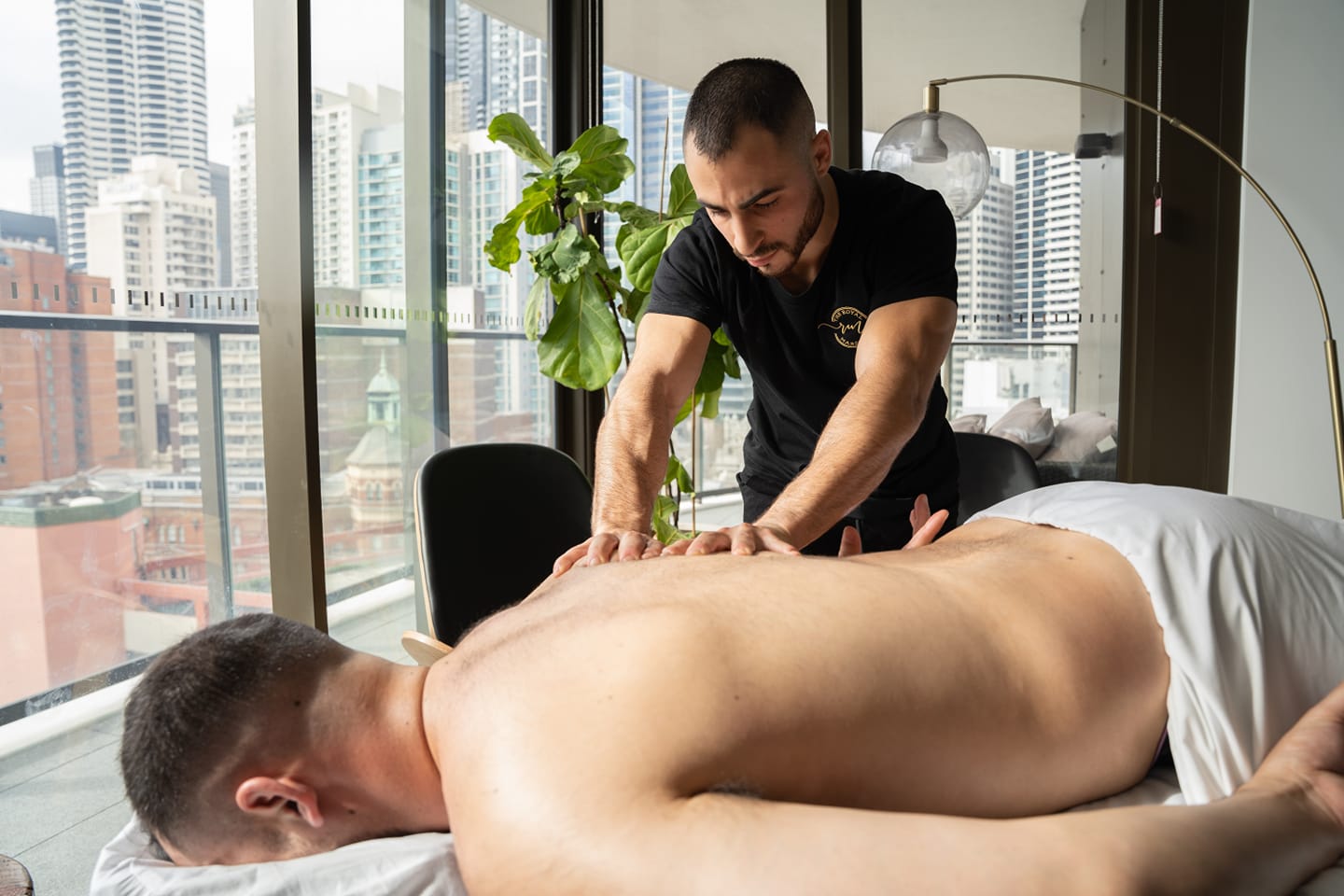
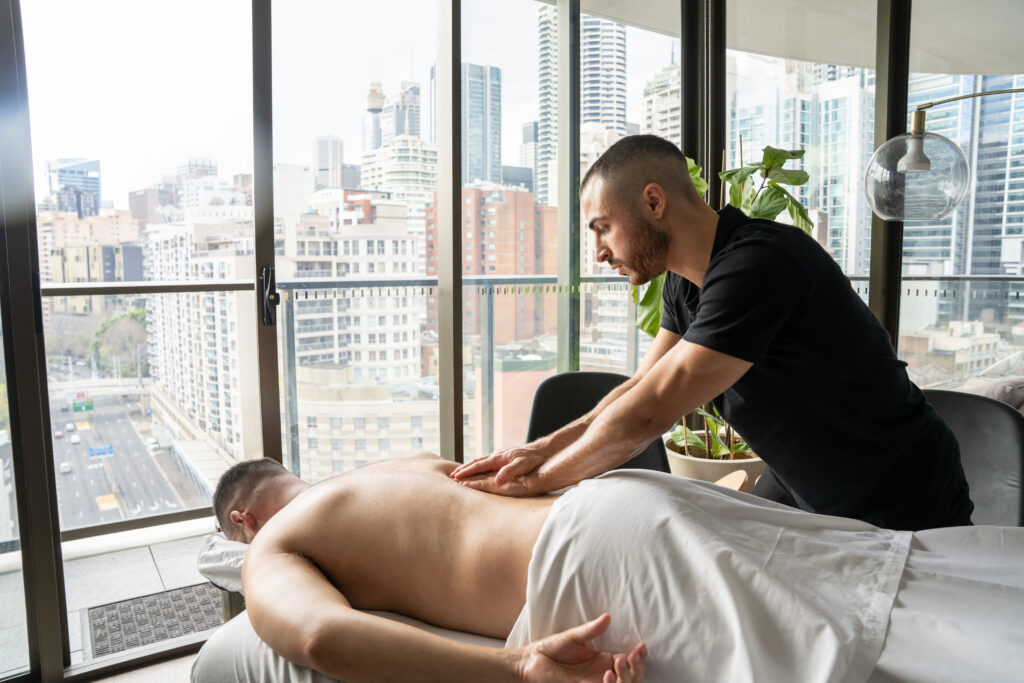
How Can I Find The Best Mobile Massage Therapists In My Area?

Finding the right mobile massage therapist for you isn’t as easy as it sounds. You need to consider several things when choosing a mobile massage therapist. First, make sure they’re licensed by the state where they practice. Next, find out whether they offer any additional services such as dry-needling, cupping and/or aromatherapy. Finally, ask them about their training, certifications and experience. You can find all these on our website. Also, are you possibly covered by your health fund, we take all these into consideration when booking your massage in Sydney and surrounding NSW areas.

How Long Does A Mobile Massage Take?

There’s no set length for a mobile massage session. It depends on how much work needs to be done and how long the client wants to have. Most clients will spend either 60 minutes or 90 minutes at a mobile massage session. We charge according to the duration of each session.

Is There Anything Else That I Should Know Before Booking My First Mobile Massage?

You’ll need to make sure that the mobile massage therapist has the right training and certification to perform the services you’re looking for. If you’re not comfortable with the idea of having a stranger enter your home, then you might want to consider a massage clinic instead. We are fully accredited, insured and have over 6 years of experience with sports, home and pregnancy massage.

Contact The Royal Masseur now and lets discuss your next massage ✔

Posted on 4 Comments

What Is A Remedial Massage?

the owner, Jeremy massaging a client

Remedial Massage

Remedial massage is basically a variety of therapeutic techniques which can be used to assess and treat damaged areas in your body, such as muscles, tendons, ligaments and connective tissues. Through this systematic approach we can assist the body in rehabilitation, pain and injury management.

massaging a person face down

What Is The Difference Between Remedial Massage & A General Massage?

There’s a big difference between massage and remedial massage. In general, massage is designed to relieve muscle tension and restore joint range of motion. Deep tissue and/ or relaxation massages are wonderful as they improve general health & well-being, whereas remedial massages focuses on the areas that need rehabilitation and/or managing pain within the body.

For best results, all sessions begins with a systematic assessment of the body to determine which treatment plan will be best suited for you. Whether that is a remedial massage or deep tissue/ relaxation massage, you will be left feeling highly satisfied and see an overall improvement within your body.

What Can I Expect From A Remedial Massage?

Remedial massage is one of the most effective treatments for a wide range of issues such as aches, pains, sports injuries and headaches.

There are several techniques that may be used to help you reduce pain or heal an injury, such as trigger point therapy, cupping, deep tissue massage. 

The main goals of remedial massage are:

  • to reduce muscle tensions to promote the return of normal soft tissue length & joint Range Of Motion.
  • to increase the flow of blood and lymph, particularly to injured areas.
  • remove any adhesion/tension, damaged cells and scar tissue resulting from injury.
  • to manage pain and injuries during rehabilitation.

What Is Better Deep Tissue or Remedial Massage?

Deep tissue massage is the best type of massage for those seeking an all-over body massage. It’s excellent for treating anxiety & muscle tension, tight joints, stimulating circulation, and also helps promote stress reduction & relaxation.

Remedial massage is a focused treatment and ideal for those with chronic pain and injuries that requires an in-depth approach and diagnosis.

The Royal Masseur massaging man on a massage table


Should You Be Sore After Remedial Massage?

Depending on the severity of your body’s condition will determine the ‘soreness’ you’ll be feeling post-massage.

You should definitely feel more energy after a massage and improved movement around your joints.

The initial pain you feel is your body repairing all the muscle tissues which were manipulated during your session. This is an automatic internal response as your body heals itself.

A massage is a great way to make your muscles feel relaxed. It can also help ease soreness, reduce injuries and relieve stiffness.

How Often Should You Get Remedial Massage?

Regular massage is essential for maintaining good health and well-being. It helps keep our systems working optimally, and it can prevent serious injury from repetitive strains and bad daily habits.

Maintenance massage is recommended every 3 weeks, otherwise monthly treatments will suffice depending on your life’s schedule.

Posted on 2 Comments

Mobile Massage Therapy

a person being massaged whilst outside in a massage tent

Is Mobile Massage worth it?

Mobile massage therapy offers valuable flexibility in terms of scheduling and placement, whether it be at work, in the office, at home, or also in hotels for weary travellers, business consultants and couples on a romantic holiday.

Jeremy massaging a lady at work
Massage sessions can be very rewarding, however it all depends upon the mental attitude of the masseuse and his/her ability to provide a genuine and memorable experience for their client. It takes years to succumb to providing a great practice and memorable experience that both you and your clients enjoy. There’s a broad spectrum of massage modalities such as Myotherapy, Remedial, Swedish, Relaxation and Therapeutic massage which expands the mobile massage business’s scope of service to account for all needs like The Royal Masseur.


Mobile Massage Therapy isn’t for everyone though. It is for those who want to create a memorable experience inside one’s home, hotel and/or office. The type of experience that even you the client will be questioning whether you’re in your own home. The mission is to create such an experience that one can only dream of having where they reside. It’s for those therapists who want to break out of the 4 walls & have the rewarding flexibility to bring value to our clients in the comfort of their place.

Being A Trusted Therapist

Sculpting skills that fit your character & skillset is an ongoing profession and until you absolutely immerse yourself in the craft of massage therapy itself, is when you will truely find your calling. In order for us mobile massage therapists to be able to enter a clients home, there needs to be an order of trust from the very moment you knock on that door. Here are 3 tips to help make the experience better and build a solid foundation:

  • SMILE – from the moment the door opens, no matter how bad your day has been, it is time to put your game face on and get to work. You are there to serve and the energy you project from the moment the door opens will set the tone for the whole treatment.
  • SHAKE HANDS & INTRODUCTION – another important gesture & sign of respect is to shake hands firmly with your client & introduce yourself. Hello my name is Jeremy & thank you for booking with us today/this evening. Absolutely looking forward to giving you the best experience (something that matches your energy & personality).
  •  GET TO KNOW YOUR CLIENT – whilst setting up get to know your client, feel the energy in the room & how their energy is and break the ice. A client intake form is highly recommended whether that’s online or paper, but the trick is, fill it out yourself whilst asking them the questions. You are the trusted authority, who cares a hell of a lot about them, make it known that you care & are interested in giving them the best experience ever.
  •  
  • empty massage chair set in a park

    Become the trusted client that everyone loves and wants to have treat them on a regular basis. Build that rapport & know your clients needs, what they love and hate, their passions, hobbies & everything in between. There’s no better feeling for a client when you can immerse yourself into your clients life for the duration that you’re in their home and make them feel amazing. Learn what works for you & grow from what doesn’t work for you. Stick to your strengths and utilise them the best you can, whilst knowing what your weaknesses are and how you can transform them into strengths too.

    Become the mobile massage therapist everyone wants to see.